

Introduction
Understanding and managing your blood pressure is a cornerstone of long-term health. When your numbers creep up, it can feel like you’ve lost control over your well-being. Many people believe that medication is the only path forward, but a wealth of evidence shows that powerful, lasting change can be achieved naturally. This guide is your comprehensive resource for reclaiming control, one heartbeat at a time.
We will explore practical, science-backed strategies you can implement today. From the food on your plate to the way you handle stress, you have an incredible amount of influence over your cardiovascular health. This isn’t about a quick fix; it’s about building a sustainable lifestyle that supports your body from the inside out. We’ll dive deep into diet, exercise, stress reduction, and other key lifestyle adjustments.
This is your complete guide to managing blood pressure naturally. Let’s begin the journey toward a healthier, more vibrant you.
Understanding Blood Pressure: What the Numbers Mean
Before we can manage blood pressure, it’s essential to understand what it is. Simply put, blood pressure is the force of your blood pushing against the walls of your arteries as your heart pumps. It’s measured with two numbers:
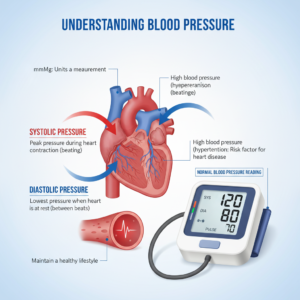
- Systolic Pressure (the top number): This measures the pressure in your arteries when your heart beats.
- Diastolic Pressure (the bottom number): This measures the pressure in your arteries when your heart rests between beats.
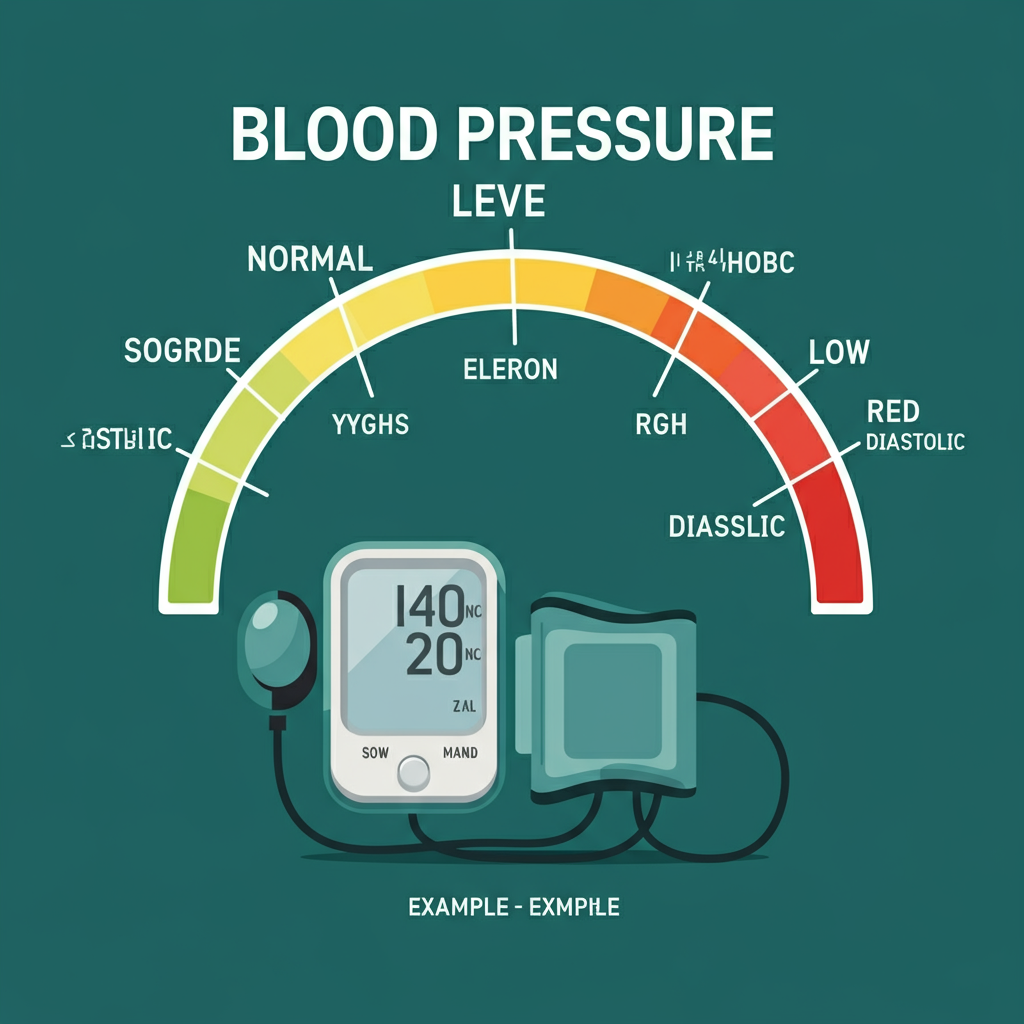
A blood pressure reading is given as systolic over diastolic, such as 120/80 mmHg (millimeters of mercury). According to health authorities, blood pressure categories are generally defined as:
- Normal: Less than 120/80 mmHg
- Elevated: Systolic between 120-129 mmHg and diastolic less than 80 mmHg
- Hypertension Stage 1: Systolic between 130-139 mmHg or diastolic between 80-89 mmHg
- Hypertension Stage 2: Systolic 140 mmHg or higher or diastolic 90 mmHg or higher
- Hypertensive Crisis: Systolic over 180 mmHg and/or diastolic over 120 mmHg (requires immediate medical attention).
High blood pressure, or hypertension, is often called the “silent killer” because it typically has no symptoms. Over time, the increased force on your artery walls can damage blood vessels and lead to serious health problems like heart disease, stroke, and kidney failure. This makes proactive management crucial.
The Power of Diet: Fueling Your Body for Lower Blood Pressure
What you eat has a direct and profound impact on your blood pressure. A heart-healthy diet is not about restriction but about abundance—filling your plate with nutritious foods that support your entire circulatory system. This is a key part of any complete guide to managing blood pressure naturally.
Embracing the DASH Diet
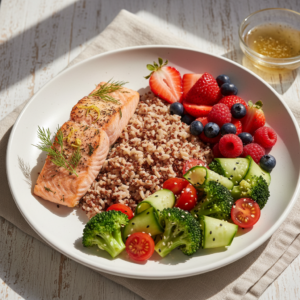
One of the most recommended eating plans for hypertension is the DASH diet, which stands for Dietary Approaches to Stop Hypertension. It’s not a fad diet but a flexible and balanced eating plan that has been proven effective in numerous studies.
The core principles of the DASH diet are:
- Emphasize fruits, vegetables, and whole grains.
- Include fat-free or low-fat dairy products, fish, poultry, beans, nuts, and vegetable oils.
- Limit foods high in saturated fat, such as fatty meats, full-fat dairy, and tropical oils like coconut and palm oil.
- Limit sugar-sweetened beverages and sweets.
A typical day on the DASH diet might include lean protein at each meal, several servings of fruits and vegetables, and whole grains like oatmeal or brown rice. This approach is naturally high in nutrients that help lower blood pressure, such as potassium, calcium, magnesium, and fiber, while being low in sodium.
The Role of Key Nutrients
Beyond a general dietary pattern, specific nutrients play a starring role in blood pressure regulation.
Potassium: The Sodium Balancer
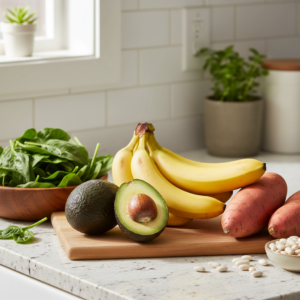
Potassium is a critical mineral that helps your body get rid of sodium and eases tension in your blood vessel walls. Many people don’t get enough potassium in their diet. Excellent sources include:
- Bananas
- Avocados
- Potatoes and sweet potatoes
- Spinach and other leafy greens
- Tomatoes and tomato sauce
- Oranges and orange juice
- Beans and lentils
- Yogurt and milk
Aiming for potassium-rich foods at every meal can make a significant difference.
Magnesium: The Natural Relaxer
Magnesium helps regulate hundreds of systems in the body, including blood pressure. It helps blood vessels relax, which can contribute to lower readings. You can find magnesium in:
- Leafy green vegetables (spinach, kale)
- Nuts and seeds (almonds, pumpkin seeds)
- Legumes (black beans, chickpeas)
- Whole grains
- Dark chocolate (in moderation)
Calcium: More Than Just Bones
While known for bone health, calcium is also important for healthy blood pressure because it helps blood vessels tighten and relax when they need to. While dairy is a well-known source, you can also get calcium from:
- Fortified plant-based milks (almond, soy)
- Sardines and canned salmon (with bones)
- Leafy greens like kale and collard greens
The Sodium Connection: Reducing Your Intake
Perhaps the most well-known dietary change for blood pressure is reducing sodium. Excess sodium in your bloodstream pulls water into your blood vessels, increasing the volume of blood and, therefore, the pressure on your artery walls.
While you might think this just means putting away the salt shaker, the vast majority of sodium in the average diet comes from processed and restaurant foods. To effectively cut back:
- Read Labels: Check the sodium content on packaged foods. Look for “low sodium” or “no salt added” versions.
- Cook at Home: Preparing your own meals gives you complete control over the ingredients.
- Flavor with Herbs and Spices: Use garlic, onion powder, paprika, turmeric, rosemary, and other spices to season food instead of salt.
- Rinse Canned Foods: Rinsing canned beans and vegetables can wash away a significant amount of sodium.
- Be Mindful of Condiments: Sauces, dressings, and condiments can be surprisingly high in sodium.
Reducing your sodium intake is a powerful step in this complete guide to managing blood pressure naturally.
Lifestyle Adjustments: Building Healthy Habits
Your daily habits and routines are just as important as your diet. Integrating positive lifestyle changes can create a powerful synergy that lowers blood pressure and enhances your overall quality of life.

The Importance of Regular Physical Activity
Exercise is a wonder drug for cardiovascular health. Regular physical activity strengthens your heart, allowing it to pump more blood with less effort. This decreases the force on your arteries, lowering your blood pressure.
The goal is to aim for at least 150 minutes of moderate-intensity aerobic exercise per week. This can be broken down into 30 minutes a day, five days a week. Examples of moderate-intensity exercise include:
- Brisking walking
- Cycling
- Swimming
- Dancing
- Gardening
In addition to aerobic exercise, incorporating strength training two days a week is also beneficial. This can involve lifting weights, using resistance bands, or doing bodyweight exercises like push-ups and squats.
Consistency is more important than intensity. Find an activity you enjoy, as this will make it easier to stick with it for the long term. Even small changes, like taking the stairs instead of the elevator or going for a walk during your lunch break, add up.
Achieving and Maintaining a Healthy Weight
Weight is one of the most significant factors influencing blood pressure. Even losing a small amount of weight—as little as 5 to 10 pounds—can have a substantial impact on your readings. As you gain weight, your body needs to circulate more blood to supply oxygen and nutrients to your tissues, which increases pressure on your artery walls.

Losing weight is a result of the dietary and exercise changes discussed in this guide. Focus on creating a sustainable calorie deficit through a combination of eating nutrient-dense foods and increasing your physical activity. Also, pay attention to your waistline. Carrying too much weight around your waist can put you at greater risk for high blood pressure.
Limiting Alcohol Consumption
Drinking too much alcohol can raise your blood pressure to unhealthy levels. Having more than three drinks in one sitting can temporarily increase your blood pressure, while repeated binge drinking can lead to long-term increases.
If you choose to drink, do so in moderation. For healthy adults, this generally means:
- Up to one drink a day for women of all ages.
- Up to one drink a day for men older than age 65.
- Up to two drinks a day for men age 65 and younger.
One drink is defined as 12 ounces of beer, 5 ounces of wine, or 1.5 ounces of 80-proof distilled spirits. Reducing your alcohol intake, or quitting altogether, can effectively lower your blood pressure.
The Impact of Quitting Smoking
Smoking is detrimental to your entire cardiovascular system. The nicotine in tobacco products can raise your blood pressure and heart rate, narrow your arteries, and harden their walls. Each cigarette you smoke causes a temporary spike in blood pressure. Quitting smoking is one of the best things you can do for your heart health. The benefits begin almost immediately and continue to grow over time.
The Crucial Role of Sleep
A good night’s sleep is not a luxury; it’s a necessity for health. Your blood pressure naturally goes down when you sleep. If you don’t get enough quality sleep, your blood pressure stays higher for a longer period. Chronic sleep deprivation is linked to an increased risk of hypertension.

Aim for 7 to 9 hours of quality sleep per night. To improve your sleep hygiene:
- Stick to a regular sleep schedule, even on weekends.
- Create a relaxing bedtime routine.
- Ensure your bedroom is dark, quiet, and cool.
- Avoid large meals, caffeine, and alcohol before bed.
- Turn off electronic screens at least an hour before sleeping.