



Introduction
Managing high blood pressure, or hypertension, is a daily commitment to your long-term health. While a comprehensive plan involves diet, exercise, and often medication throughout the day, the morning hours hold a unique and powerful influence over your cardiovascular system. Many people experience a “morning surge,” a natural rise in blood pressure upon waking. By adopting specific, healthy routines, you can effectively manage this surge and set a positive tone for your blood pressure readings for the entire day.
This comprehensive guide will explore the most impactful morning habits that reduce high blood pressure. We will delve into the science behind why these habits work, provide practical steps for incorporating them into your daily life, and empower you to take control of your cardiovascular health from the moment you wake up. From mindful moments to breakfast choices, these strategies are designed to be simple, sustainable, and highly effective.
Understanding the Morning Blood Pressure Surge
Before diving into the habits, it’s crucial to understand why mornings are so critical for blood pressure management. The body’s internal clock, or circadian rhythm, orchestrates the release of various hormones. In the early morning, your body releases a surge of stress hormones like adrenaline and cortisol to help you wake up and get moving.
While this is a normal process, for individuals with hypertension, this hormonal surge can cause an exaggerated spike in blood pressure. This “morning hypertension” is a significant risk factor for cardiovascular events like heart attacks and strokes. Therefore, implementing morning habits that reduce high blood pressure is not just about feeling good; it’s a proactive strategy to protect your heart and brain when they are most vulnerable.
Foundational Morning Habits That Reduce High Blood Pressure
Building a healthier morning starts with a few foundational practices. These habits create the bedrock upon which you can layer more specific techniques for powerful, cumulative effects.

Wake Up Gently: Avoid the Jarring Alarm
How you wake up matters. The sudden, loud blare of a traditional alarm clock can jolt your system, immediately triggering a stress response and spiking your adrenaline. This is the exact opposite of what you want when trying to manage morning blood pressure.
Why It Works: A gentle awakening allows your body to transition from sleep to wakefulness more naturally. This minimizes the sudden release of stress hormones, leading to a more stable blood pressure reading.
How to Implement It:
- Sunrise Simulators: Invest in an alarm clock that simulates the sunrise. These devices gradually increase the light in your room over 30 minutes before your desired wake-up time, mimicking a natural dawn. This process gently signals your body to decrease melatonin (the sleep hormone) and slowly increase cortisol.
- Soothing Sounds: Choose an alarm with gentle, escalating sounds like birds chirping, flowing water, or soft classical music instead of a jarring buzz or beep.
- Vibrating Alarms: Smartwatches and fitness trackers often have a silent, vibrating alarm feature. This can wake you without the auditory shock, providing a much gentler start to your day.
Hydration First: The Power of a Glass of Water
After a full night’s sleep, your body is naturally dehydrated. Dehydration can cause your blood to thicken, forcing your heart to work harder to pump it through your vessels. This increased effort can lead to a rise in blood pressure. Starting your day with a glass of water is one of the simplest yet most effective morning habits that reduce high blood pressure.

Why It Works: Rehydrating immediately upon waking helps to thin the blood, improve circulation, and reduce the strain on your heart. It also kickstarts your metabolism and helps flush out toxins.
How to Implement It:
- Keep Water Bedside: Place a glass or bottle of water on your nightstand before you go to sleep. This makes it the first thing you see and reach for in the morning.
- Add a Squeeze of Lemon: For an extra boost, add a squeeze of fresh lemon to your water. Lemon water can provide a small amount of potassium and helps to alkalize the body.
- Temperature Matters: Room temperature or warm water is often easier for the body to absorb first thing in the morning compared to ice-cold water.
Dietary Morning Habits for Blood Pressure Control
What you eat for your first meal of the day has a profound impact on your blood pressure. A strategic, heart-healthy breakfast can help lower your numbers and sustain them throughout the day.

Embrace a Low-Sodium, High-Potassium Breakfast
The balance between sodium and potassium is a cornerstone of blood pressure management. While excess sodium causes the body to retain fluid, increasing blood volume and pressure, potassium helps the body excrete sodium and eases tension in blood vessel walls.
Why It Works: Starting your day with a meal that is low in sodium and rich in potassium directly counteracts the mechanisms that drive high blood pressure. This dietary approach is a pillar of the DASH (Dietary Approaches to Stop Hypertension) diet, a proven strategy for lowering blood pressure.
How to Implement It:
- Swap Processed for Fresh: Avoid common high-sodium breakfast items like processed cereals, bacon, sausage, and pre-packaged pastries.
- Potassium-Rich Breakfast Ideas:
- Oatmeal with Berries and Bananas: Oats are a great source of fiber, while bananas and berries are packed with potassium.
- Greek Yogurt with Nuts and Seeds: Choose plain Greek yogurt and add your own toppings like almonds, walnuts, and flaxseeds for a mix of potassium, magnesium, and healthy fats.
- Avocado Toast on Whole-Grain Bread: Avocado is a potassium powerhouse. Serve it on a slice of whole-grain toast for added fiber.
- Spinach and Mushroom Omelet: Eggs are a good source of protein, and adding vegetables like spinach boosts the potassium content significantly.
Limit Caffeine and Sugar Intake
A morning cup of coffee is a ritual for many, but it’s important to be mindful of its effects. Caffeine can cause a short-term, but sometimes dramatic, increase in blood pressure. Similarly, sugary breakfast foods and drinks can lead to weight gain and insulin resistance over time, both of which are contributing factors to hypertension.
Why It Works: Reducing caffeine intake can prevent the temporary spikes in blood pressure. Limiting sugar helps maintain a healthy weight and improves your body’s overall metabolic health, which is intrinsically linked to blood pressure regulation.
How to Implement It:
- Delay Your First Cup: Try waiting at least an hour after waking to have your coffee. Your cortisol levels are naturally highest in the morning, so you may not need the caffeine kick immediately.
- Switch to Decaf or Herbal Tea: Consider switching to decaffeinated coffee or enjoying herbal teas like hibiscus or chamomile, which have been shown to have blood-pressure-lowering properties.
- Read Labels: Be vigilant about hidden sugars in cereals, yogurts, juices, and coffee creamers. Choose unsweetened versions whenever possible.
Physical Morning Habits to Lower Blood Pressure
Gentle movement in the morning can be incredibly beneficial. It gets the blood flowing, releases feel-good endorphins, and helps to relax stiff blood vessels.

Incorporate Gentle Stretching or Yoga
You don’t need an intense workout to see benefits. A simple 10-15 minute session of gentle stretching or a basic yoga flow can significantly impact your morning blood pressure. These practices focus on mindful movement and deep breathing, a powerful combination for cardiovascular health.
Why It Works: Stretching and yoga improve flexibility and circulation. The focus on deep, controlled breathing helps to calm the sympathetic nervous system (the “fight or flight” response) and activate the parasympathetic nervous system (the “rest and digest” response), leading to lower heart rate and blood pressure.
How to Implement It:
- Bedside Stretches: Before you even get out of bed, perform some gentle stretches. Bring your knees to your chest, do gentle spinal twists, and stretch your arms and legs.
- Follow a Guided Session: There are countless free guided yoga and stretching videos online specifically designed for mornings or for blood pressure management. Find a 10-minute routine you enjoy.
- Focus on Postures: Poses like Cat-Cow, Child’s Pose, and Downward-Facing Dog are excellent for promoting circulation and relaxation. This is one of the most restorative morning habits that reduce high blood pressure.
Take a Morning Walk
A brisk walk, especially outdoors, is a fantastic way to lower blood pressure. It’s a low-impact aerobic exercise that strengthens the heart, improves circulation, and helps manage weight.

Why It Works: Aerobic exercise makes your heart stronger and more efficient at pumping blood, which reduces the force on your arteries. Exposure to natural morning light also helps regulate your circadian rhythm and can improve your mood, further reducing stress.
How to Implement It:
- Start Small: If you’re new to exercise, begin with a 10-minute walk around your block. Gradually increase the duration and pace as your fitness improves.
- Find a Green Space: If possible, walk in a park or other natural setting. Studies show that spending time in nature, or “green exercise,” has additional stress-reducing benefits.
- Listen to Your Body: The goal is to get your heart rate up slightly, but you should still be able to hold a conversation. Don’t push yourself too hard, especially in the beginning.
Mindful Morning Habits That Reduce High Blood Pressure
The connection between mind and body is undeniable. Chronic stress is a major driver of sustained high blood pressure. Starting your day with mindfulness can set a calm, resilient tone that helps you navigate daily stressors without a significant impact on your blood pressure.

Practice Deep Breathing or Meditation
Mindfulness meditation and deep breathing exercises are powerful tools for lowering blood pressure. These practices train your mind and body to relax, directly counteracting the physiological stress response.
Why It Works: Deep, diaphragmatic breathing stimulates the vagus nerve, a key component of the parasympathetic nervous system. This activation slows your heart rate, relaxes your blood vessels, and tells your body it’s safe to calm down, leading to an immediate reduction in blood pressure.
How to Implement It:
- The 4-7-8 Technique: Sit comfortably. Inhale quietly through your nose for a count of 4. Hold your breath for a count of 7. Exhale completely through your mouth for a count of 8. Repeat this cycle 3-4 times.
- Use a Guided Meditation App: Apps like Calm, Headspace, or Insight Timer offer thousands of guided meditations, including sessions specifically for stress reduction and morning routines.
- Just Five Minutes: You don’t need a long session to see benefits. Dedicating just five minutes to quiet, focused breathing can make a significant difference. Making this a daily practice is one of the most effective morning habits that reduce high blood pressure.
Avoid Morning Screen Time
Reaching for your phone the moment you open your eyes is a common habit, but it can be detrimental to your morning peace and your blood pressure. The flood of news, emails, and social media notifications can immediately trigger feelings of anxiety and stress.
Why It Works: By avoiding screens for the first 30-60 minutes of your day, you give your mind space to wake up calmly. You prevent the immediate activation of your stress response, allowing you to start your day with intention rather than reaction.
How to Implement It:
- Charge Your Phone Across the Room: This physical barrier prevents you from reflexively grabbing it from your nightstand.
- Establish a “No-Phone” Morning Zone: Create a rule that you won’t check your phone until after you’ve completed other parts of your morning routine, like hydrating, stretching, and eating breakfast.
- Read a Book Instead: If you like to have something to focus on in the morning, keep a physical book by your bed. Reading can be a calming and enjoyable way to start the day.
The Critical Habit: Monitor Your Blood Pressure Correctly
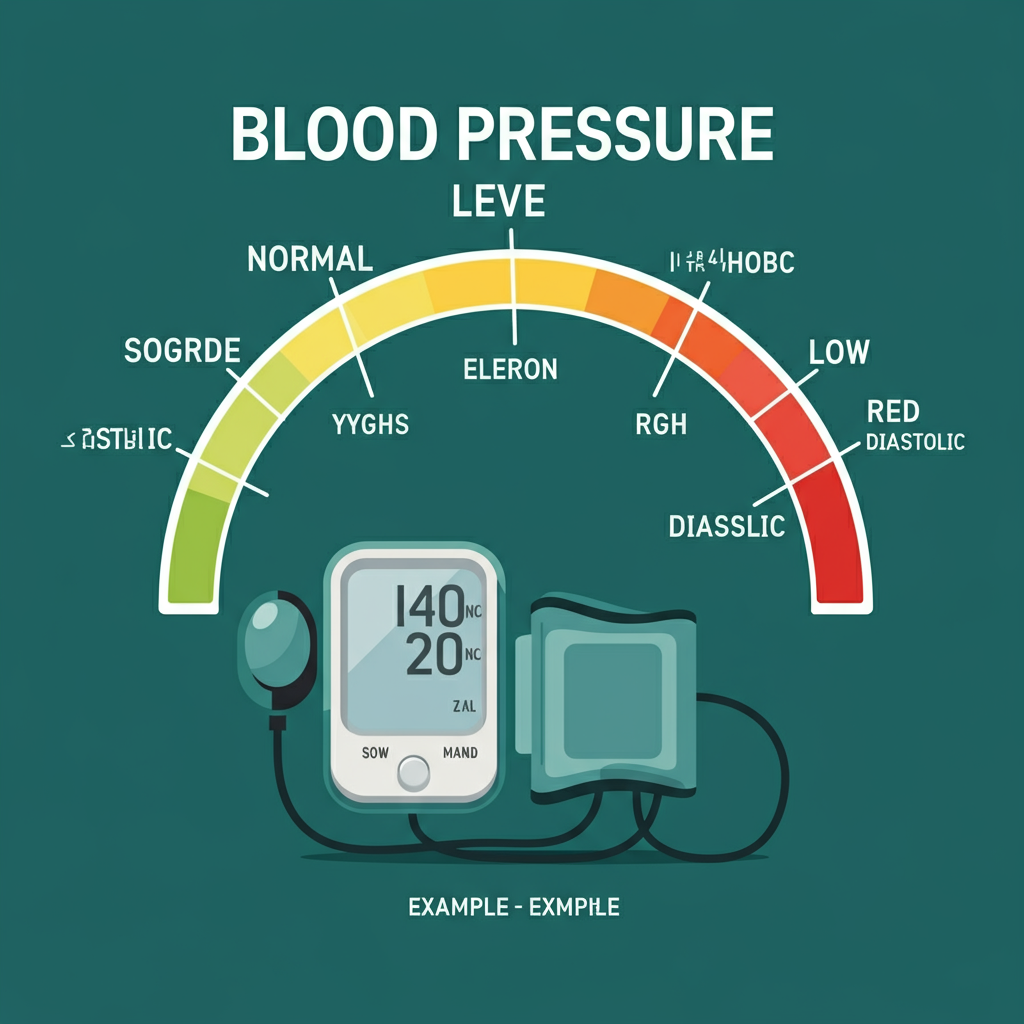
Knowledge is power. Regularly monitoring your blood pressure at home, especially in the morning, is essential for managing hypertension. It provides you and your doctor with valuable data about how your lifestyle changes and medications are working.

Why It’s a Habit: Consistent monitoring turns a clinical task into a proactive health habit. It keeps you engaged and accountable for your health journey. It also allows you to see the direct impact of the positive morning habits that reduce high blood pressure you’re implementing.
How to Implement It:
- Invest in a Validated Monitor: Use an automated, cuff-style, upper-arm monitor. Wrist and finger monitors are less reliable. The American Heart Association provides a list of validated devices.
- Follow the Correct Procedure:
- Wait until after you’ve used the restroom but before you’ve had coffee, breakfast, or exercised.
- Sit quietly in a chair with your back supported and your feet flat on the floor for at least five minutes.
- Rest your arm on a flat surface, like a table, with your upper arm at heart level.
- Take two or three readings one minute apart and record the average.
- Keep a Log: Track your readings in a notebook or a digital app. Note the date, time, and your readings. Bring this log to every doctor’s appointment.
Putting It All Together: A Sample Morning Routine
Creating a new routine can feel overwhelming, so here is a sample timeline that incorporates these beneficial habits. Adjust it to fit your personal schedule.
- 6:30 AM: Wake up gently with a sunrise alarm.
- 6:35 AM: Sit on the edge of the bed. Drink a full glass of water. Perform 5 minutes of deep breathing exercises.
- 6:40 AM: Do 10 minutes of gentle stretching or a simple yoga flow.
- 6:50 AM: Take and record your blood pressure reading.
- 7:00 AM: Go for a 20-minute brisk walk outside.
- 7:20 AM: Prepare a healthy, low-sodium, high-potassium breakfast (e.g., oatmeal with fruit). Avoid checking your phone.
- 7:40 AM: Sit down and mindfully enjoy your breakfast.
- 8:00 AM: You can now have your (limited) coffee and check your phone, starting your workday from a place of calm and control.
Adopting these morning habits that reduce high blood pressure is a journey, not a race. Start by incorporating one or two new habits that feel most achievable to you. As they become a natural part of your day, you can gradually add more. Consistency is far more important than perfection.
By taking control of your mornings, you are taking a powerful, proactive step toward managing your hypertension, reducing your risk of cardiovascular disease, and cultivating a life of greater health and well-being. Always consult with your healthcare provider before making significant changes to your health regimen, especially if you are on medication for high blood pressure.



Comments (1)
Manage Blood Pressure Naturally | Expert Tipssays:
March 4, 2026 at 7:09 pm[…] daily habits and routines are just as important as your diet. Integrating positive lifestyle changes can create […]