


Introduction
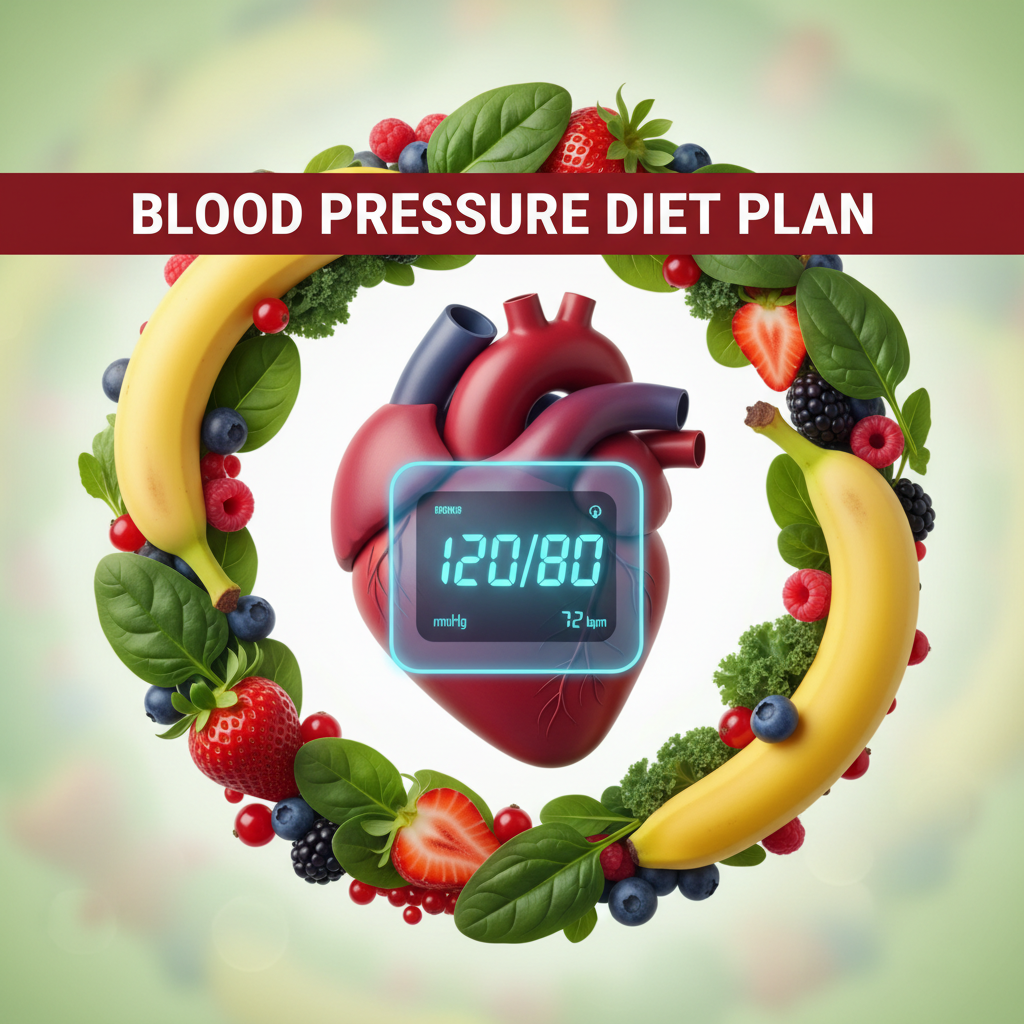
High blood pressure often sneaks up without a single symptom. Millions of people walk around every day unaware that their blood vessels are working overtime. Over time, this extra strain can lead to serious heart health issues. The good news is that you have a powerful tool right in your kitchen to fight back.
Changing the way you eat is one of the most effective strategies for managing your cardiovascular health. A well-structured blood pressure diet plan can help you lower your numbers naturally, sometimes as effectively as medication. You do not need to adopt restrictive or miserable eating habits. Instead, you can focus on adding delicious, nutrient-dense foods to your plate.
In this comprehensive guide, we will break down exactly how to create a sustainable blood pressure diet plan. You will learn about the renowned DASH diet, discover the best foods to eat, and find out which ingredients to leave on the grocery store shelf.
Key Takeaways:
- Understand the core principles of a heart-healthy blood pressure diet plan.
- Learn how the DASH diet specifically targets and lowers high blood pressure.
- Discover the top foods to include and the main culprits to avoid.
- Gain practical lifestyle tips to support your dietary changes.
Understanding Your Blood Pressure Diet Plan
Your blood pressure measures the force of blood pushing against your artery walls. When this force remains high consistently, it damages the arteries and forces your heart to work harder. Many factors influence this force, including genetics, age, and physical activity. However, your daily nutrition plays a massive role in regulating these numbers.
A targeted blood pressure diet plan focuses on balancing specific minerals in your body. It prioritizes foods that relax blood vessels and eliminate excess fluid. At the same time, it limits ingredients that cause your body to hold onto water and stiffen your arteries.
By making intentional food choices, you give your cardiovascular system the support it needs to function smoothly. You will also experience added benefits like increased energy, better digestion, and easier weight management.
The Science Behind the DASH Diet
If you want to lower your numbers, you need to know about the DASH diet. DASH stands for Dietary Approaches to Stop Hypertension. Medical professionals and dietitians consistently rank it as the best eating strategy for heart health.
What is the DASH Eating Plan?
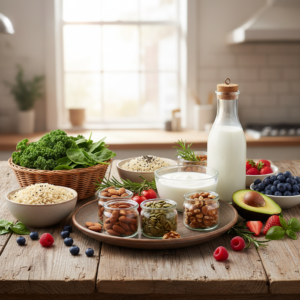
The DASH diet is not a strict, restrictive fad diet. Instead, it is a flexible and balanced eating pattern. It encourages you to eat generous amounts of vegetables, fruits, and whole grains. It also includes fat-free or low-fat dairy products, fish, poultry, beans, and nuts.
This approach works by naturally increasing your intake of key nutrients like potassium, calcium, and magnesium. These minerals are essential for relaxing blood vessels and maintaining a steady heartbeat.
Why the DASH Diet Works
The true power of the DASH diet lies in its ability to reduce sodium intake while boosting potassium. Most modern diets are packed with salt and severely lacking in fresh produce. This imbalance causes the body to retain water, driving up blood pressure.
When you adopt the DASH approach as your blood pressure diet plan, you reverse this trend. The high potassium content in fruits and vegetables helps your kidneys flush out excess sodium through your urine. Furthermore, the emphasis on fiber helps lower cholesterol, providing complete protection for your heart.
Foods to Include in Your Blood Pressure Diet Plan
Building a successful blood pressure diet plan means focusing on what you get to eat, rather than just what you have to cut out. Nature provides an incredible variety of foods that actively lower your numbers.
Potassium-Rich Fruits and Vegetables
Potassium is your secret weapon against high blood pressure. Aim to fill half your plate with colorful fruits and vegetables at every meal.
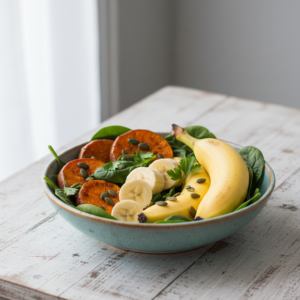
- Leafy Greens: Spinach, kale, Swiss chard, and collard greens are packed with potassium and magnesium. They also contain nitrates, which help open up blood vessels and improve blood flow.
- Berries: Blueberries, strawberries, and raspberries offer a sweet treat loaded with antioxidants. These antioxidants protect your blood vessels from inflammation and damage.
- Bananas: This portable snack is famous for its high potassium content. Eat a banana with your morning oatmeal or blend it into a smoothie.
- Beets: Beetroot contains high levels of nitric oxide. Drinking beet juice or adding roasted beets to your salad can lead to a quick, measurable drop in blood pressure.
- Sweet Potatoes: Leave the skin on your potatoes for a massive dose of fiber, potassium, and magnesium.
Heart-Healthy Whole Grains
Refined carbohydrates cause rapid spikes in blood sugar, but whole grains provide slow, steady energy. They are a critical component of any blood pressure diet plan because they are rich in fiber.
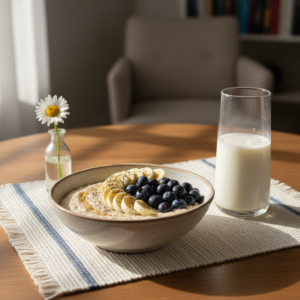
- Oats: Start your day with a warm bowl of oatmeal. Oats contain a specific type of fiber called beta-glucan, which actively lowers cholesterol and blood pressure.
- Quinoa: This ancient grain is a complete protein and a fantastic source of magnesium. Swap out white rice for quinoa to instantly upgrade your meal.
- Brown Rice: Whole grain brown rice retains the nutrient-rich bran and germ layers. It digests slowly and keeps you feeling full longer.
Lean Proteins and Low-Fat Dairy
Your body needs protein to repair tissues and build muscle. However, fatty meats can introduce harmful saturated fats into your diet. Choose lean sources to keep your heart safe.
- Fish: Fatty fish like salmon, mackerel, and sardines are rich in omega-3 fatty acids. Omega-3s reduce inflammation and slow the buildup of plaque in your arteries.
- Poultry: Skinless chicken and turkey provide high-quality protein without excess saturated fat. Bake, grill, or poach your poultry instead of frying it.
- Greek Yogurt: Unsweetened Greek yogurt delivers a powerful combination of calcium and potassium. Calcium helps your blood vessels tighten and relax properly.
Nuts, Seeds, and Healthy Fats
Do not fear fats. The right kinds of dietary fats actually protect your cardiovascular system.
- Seeds: Pumpkin seeds, chia seeds, and flaxseeds act as tiny nutritional powerhouses. They are overflowing with magnesium, potassium, and fiber.
- Nuts: Unsalted almonds, walnuts, and pistachios make excellent snacks. They provide healthy unsaturated fats that support healthy blood flow.
- Olive Oil: Swap butter for extra virgin olive oil when cooking or dressing salads. Olive oil is a staple of heart-healthy eating patterns worldwide.
Foods to Avoid on a Blood Pressure Diet Plan
To get the best results from your blood pressure diet plan, you must limit certain foods. Some ingredients actively sabotage your cardiovascular health and undo all your hard work.
High-Sodium and Processed Foods
Sodium is the biggest enemy of healthy blood pressure. When you consume too much salt, your body holds onto extra water to wash the salt from your system. This added fluid increases the volume of blood pushing against your blood vessels.
Avoid highly processed foods, which hide massive amounts of sodium. Canned soups, frozen dinners, and packaged snacks are common culprits. Deli meats and cured sausages are also loaded with salt and preservatives. Always read food labels and look for low-sodium or no-salt-added options.
Saturated and Trans Fats
Fats that are solid at room temperature generally spell trouble for your heart. Saturated fats raise your bad cholesterol, which can clog your arteries and force your heart to pump harder.
Limit your intake of red meat, full-fat dairy, and butter. You should completely avoid trans fats, which are often labeled as “partially hydrogenated oils.” These artificial fats are frequently found in commercial baked goods, fried foods, and certain margarines.
Added Sugars and Sugary Drinks
Sugar does more than just cause weight gain. High sugar intake directly impacts your blood pressure by increasing inflammation and blood vessel stiffness.
Cut back on sodas, sweetened teas, and energy drinks. Be mindful of hidden sugars in condiments like ketchup, barbecue sauce, and salad dressings. Satisfy your sweet tooth with fresh fruit instead of candy or pastries.
Alcohol and Caffeine Moderation
Drinking too much alcohol can raise your blood pressure significantly. If you choose to drink, do so in moderation. This generally means up to one drink a day for women and up to two drinks a day for men.
Caffeine can cause a short, temporary spike in blood pressure. If you are sensitive to caffeine or already have high numbers, consider switching to decaf coffee or herbal tea.
Key Nutrients to Focus On
A successful blood pressure diet plan works because it optimizes your intake of specific vitamins and minerals. Understanding what these nutrients do can help you make better food choices.
Potassium, Magnesium, and Calcium
This mineral trio forms the foundation of a healthy cardiovascular system. Potassium helps your kidneys flush out sodium and eases tension in your blood vessel walls. Magnesium acts as a natural relaxant, helping your arteries widen and improving blood flow. Calcium helps your blood vessels contract and expand smoothly as blood pumps through them.
You can easily get all three of these minerals by eating a varied diet of leafy greens, nuts, dairy, and beans. It is always better to get these nutrients from real food rather than supplements.
The Role of Omega-3 Fatty Acids
Omega-3 fatty acids are essential fats that your body cannot produce on its own. They are famous for their ability to lower triglyceride levels and reduce arterial inflammation. Incorporating omega-3s into your blood pressure diet plan keeps your blood vessels flexible and healthy. You can find them abundantly in fatty fish, walnuts, and flaxseeds.
Building Your Daily Blood Pressure Diet Plan
Transitioning to a new way of eating can feel overwhelming at first. The trick is to start with simple, sustainable changes. Here is how you can structure a heart-healthy day.
Sample Meal Ideas
Breakfast: Start your morning with a bowl of rolled oats cooked in low-fat milk. Top it with a sliced banana, a handful of blueberries, and a sprinkle of chia seeds. This meal delivers a massive dose of fiber, potassium, and calcium right away.
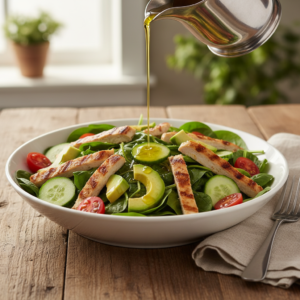
Lunch: Prepare a large salad using spinach and mixed greens. Add grilled chicken breast, cherry tomatoes, cucumbers, and a quarter of an avocado. Dress the salad with a simple mix of olive oil, lemon juice, and black pepper instead of a salty bottled dressing.
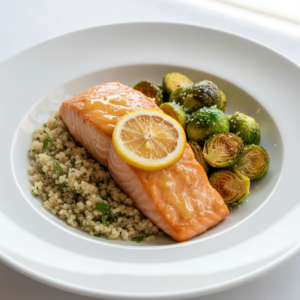
Dinner: Bake a fillet of salmon seasoned with dill and garlic powder. Serve it alongside a generous portion of roasted Brussels sprouts and a half-cup of cooked quinoa.
Smart Snacking Strategies
Snacking can easily derail your blood pressure diet plan if you reach for chips or pretzels. Keep healthy options readily available. Grab a handful of unsalted almonds and an apple for a satisfying crunch. Dip carrot sticks and bell pepper strips into hummus. Enjoy a small bowl of plain Greek yogurt topped with a few walnuts.
Essential Lifestyle Tips for Managing Blood Pressure
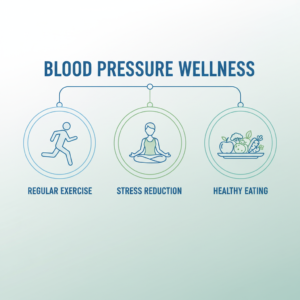
Your blood pressure diet plan will be most effective when paired with healthy lifestyle habits. Diet is only one piece of the puzzle.
Exercise and Weight Management
Physical activity strengthens your heart, allowing it to pump blood with less effort. Aim for at least 150 minutes of moderate aerobic exercise every week. Brisk walking, swimming, cycling, and dancing are all excellent choices.
Pairing exercise with your blood pressure diet plan can also help you shed extra pounds. Losing even a small amount of weight can cause a significant drop in your blood pressure readings.
Stress Reduction Techniques
Chronic stress keeps your body in a constant state of fight-or-flight, elevating your heart rate and blood pressure. Find healthy ways to manage your daily stress. Practice deep breathing exercises, try meditation, or spend time walking in nature. Ensure you are getting seven to eight hours of quality sleep each night, as poor sleep severely impacts your cardiovascular health.
Reading Food Labels Like a Pro
To truly master your blood pressure diet plan, you must become an expert at reading nutrition labels. Always check the serving size first. Look at the sodium content and aim for foods that have less than 140 milligrams of sodium per serving. Avoid products that list sugar, corn syrup, or hydrogenated oils in the first few ingredients.
Use herbs and spices to flavor your meals instead of the salt shaker. Garlic, turmeric, cumin, basil, and black pepper add incredible depth to your food without harming your heart.
Conclusion and Next Steps
Taking control of your heart health begins with the food on your plate. By adopting a dedicated blood pressure diet plan, you empower your body to heal and function optimally. Focus on the core principles of the DASH diet by loading up on colorful vegetables, fresh fruits, whole grains, and lean proteins.
Remember to limit your intake of hidden sodium, saturated fats, and processed sugars. Small, consistent changes will add up to massive improvements over time. Combine your new eating habits with regular exercise and stress management for the best possible results.
Are you ready to lower your numbers and protect your heart? Start today by auditing your pantry, tossing out high-sodium snacks, and writing a heart-healthy grocery list. Your future self will thank you for making this commitment to your health.



Leave a Reply