


Introduction
Have you ever experienced a “gut feeling” about a big decision? Or perhaps you have noticed that your stomach ties itself in knots when you feel nervous. These common experiences highlight a powerful truth: your gut is intricately connected to almost every aspect of your physical and mental well-being.
Your digestive system does much more than simply process the meals you eat. It houses trillions of microscopic organisms that dictate how you digest food, fight off infections, and even regulate your mood. When this delicate ecosystem falls out of balance, you can experience a wide range of uncomfortable symptoms. Fortunately, you hold the power to shape this internal environment through the choices you make every single day.
This comprehensive guide will walk you through exactly what gut health means and how you can optimize it. We will explore the telltale signs of an unhealthy digestive system, the incredible benefits of keeping your microbiome in peak condition, and the specific foods and drinks that nourish your beneficial bacteria. You will also learn which harmful ingredients to avoid and discover simple, natural habits that promote lifelong digestive harmony.
What Is Gut Health?
When health professionals talk about “gut health,” they are referring to the function and balance of your entire gastrointestinal tract. This complex system stretches from your mouth all the way to your colon. A healthy gut effectively breaks down food, absorbs essential nutrients, and eliminates waste without discomfort.
However, true gut health involves much more than just avoiding a stomach ache. It hinges on the delicate balance of the microscopic life living inside your intestines, collectively known as the gut microbiome. To understand how to improve your gut health, you first need to understand the two main pillars of the digestive system.
Role of digestive system
Your digestive system is a sophisticated processing plant. Every time you take a bite of food, your body initiates a highly coordinated sequence of events. Your mouth begins the physical breakdown of food while enzymes in your saliva start the chemical breakdown. As food travels down your esophagus and into your stomach, powerful acids and digestive juices take over.
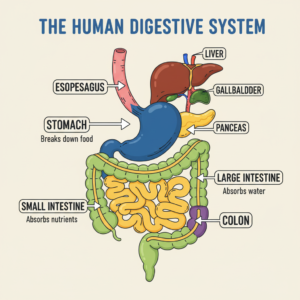
The real magic happens in your small intestine. Here, your body extracts the vitamins, minerals, proteins, carbohydrates, and fats it needs to survive. The walls of your small intestine feature tiny, finger-like projections called villi, which absorb these nutrients directly into your bloodstream.
Finally, the remaining undigested material moves into your large intestine, or colon. Your colon absorbs excess water and prepares the waste for elimination. A healthy digestive system performs this entire process smoothly, efficiently, and painlessly. It acts as a selective barrier, allowing life-sustaining nutrients to enter your body while keeping harmful toxins and pathogens safely contained within the digestive tract until they are expelled.
Importance of gut bacteria
You are not alone in your digestive journey. Your gastrointestinal tract serves as a home to an estimated 38 trillion microorganisms, including bacteria, viruses, and fungi. This bustling community is your gut microbiome. While the idea of housing trillions of bacteria might sound alarming, these microscopic tenants are absolutely essential for your survival.
The majority of these microbes reside in your large intestine. They feast on the indigestible parts of your diet, particularly complex carbohydrates and dietary fibers. In return for this steady food supply, your beneficial bacteria perform incredible tasks for your body. They manufacture essential vitamins, such as vitamin K and certain B vitamins. They also produce short-chain fatty acids (SCFAs), like butyrate, which provide energy for the cells lining your colon and help keep your intestinal barrier strong.
Think of your gut microbiome as a diverse garden. A healthy garden contains a wide variety of colorful plants, flowers, and beneficial insects that work together to keep pests at bay. Similarly, a healthy gut microbiome boasts a high diversity of bacterial species. When beneficial bacteria thrive, they crowd out harmful pathogens and prevent them from taking root. When this balance tips in favor of harmful bacteria—a state known as dysbiosis—your health can suffer in numerous ways.
Signs of an Unhealthy Gut
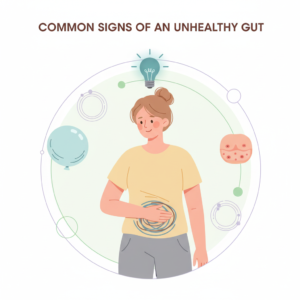
Because your gut influences so many different bodily systems, the warning signs of an imbalance can manifest in surprising ways. Many people suffer from poor gut health for years without ever making the connection between their mysterious symptoms and their digestive tract. Here are the most common signs that your gut microbiome needs some attention.
Bloating
Occasional bloating after eating a heavy meal is normal. However, chronic, painful bloating that leaves your stomach feeling tight and swollen is a clear indicator of an unhappy gut. This severe bloating often results from an overgrowth of certain bacteria in your digestive tract.
When you eat carbohydrates, your gut bacteria ferment them to extract energy. This fermentation process naturally produces gas. In a balanced gut, this gas passes through your system unnoticed. But if you have too many gas-producing bacteria, or if bacteria have migrated up into your small intestine (a condition known as SIBO), the fermentation process goes into overdrive.
This rapid fermentation traps excessive amounts of gas in your intestines, causing painful stretching and distension. If you frequently need to unbutton your pants by the end of the day or wake up with a flat stomach that swells like a balloon after your first meal, your gut bacteria are likely out of balance.
Poor digestion
Frequent digestive distress is the most obvious red flag of a compromised gut. A healthy digestive system processes food quietly and efficiently. If you regularly experience heartburn, acid reflux, constipation, diarrhea, or excessive flatulence, your gastrointestinal tract is struggling to do its job.
Constipation often points to a lack of beneficial bacteria that help regulate bowel movements and a deficiency in dietary fiber. When waste moves too slowly through your colon, bad bacteria have more time to ferment it, leading to toxicity and discomfort. On the other hand, chronic diarrhea can indicate that your gut lining is inflamed or that your system is desperately trying to flush out harmful pathogens.
Food intolerances also fall under the umbrella of poor digestion. If you suddenly find yourself unable to tolerate foods you used to eat without issue, your gut microbiome may lack the specific bacterial strains required to break down those foods.
Fatigue
If you constantly feel exhausted even after a full night of sleep, your gut might be to blame. The connection between your gut and your energy levels is profound. First, an unhealthy gut struggles to absorb the nutrients your body needs to generate cellular energy. If you cannot absorb iron, B vitamins, or magnesium efficiently, you will feel sluggish.
Furthermore, a disrupted microbiome can severely impact your sleep quality. Your gut bacteria produce and regulate many of the neurotransmitters that control your sleep-wake cycle. In fact, your gut produces a significant portion of the body’s serotonin, a chemical precursor to melatonin, the sleep hormone. When your gut bacteria are imbalanced, your serotonin levels drop, leading to restless nights and daytime fatigue.
Chronic inflammation driven by an unhealthy gut also drains your energy. When harmful bacteria damage your intestinal lining, toxins can leak into your bloodstream. Your immune system treats these toxins as invaders, launching a systemic inflammatory response. Fighting this constant, low-grade inflammation requires massive amounts of energy, leaving you feeling chronically drained.
Skin problems
Your skin is your body’s largest organ, and it often acts as a mirror reflecting your internal health. The connection between your digestive tract and your skin is so strong that researchers have coined the term “gut-skin axis.”
When you have a leaky, inflamed gut, the inflammation rarely stays confined to your digestive system. It circulates throughout your body and often manifests on your skin. Conditions like acne, eczema, rosacea, and psoriasis are frequently linked to gut dysbiosis.
For instance, an overgrowth of harmful bacteria can trigger the release of pro-inflammatory cytokines. These inflammatory messengers travel to your skin, increasing oil production and clogging your pores, which ultimately leads to acne breakouts. If you struggle with stubborn skin issues that do not respond to topical treatments, healing your gut from the inside out is often the missing piece of the puzzle.
Benefits of Maintaining a Healthy Gut
Investing time and effort into healing your digestive system yields massive dividends. When you cultivate a thriving, diverse microbiome, you unlock a new level of vitality. Here are the primary benefits you can expect when you maintain a healthy gut.

Better digestion
The most immediate benefit of a healthy gut is effortless digestion. When your microbiome is balanced, you break down foods efficiently. You extract maximum nutritional value from your meals without suffering from gas, bloating, or abdominal pain.
Beneficial bacteria physically help digest certain foods that your human enzymes cannot process. They also condition your intestinal walls, ensuring that food moves through your digestive tract at the optimal speed—neither too fast nor too slow. You will experience regular, comfortable bowel movements and say goodbye to the anxiety of unpredictable digestive upset. A healthy gut allows you to enjoy your food and get on with your life without a second thought.
Strong immune system
Your immune system and your gut microbiome are intimately intertwined. Surprisingly, roughly 70 to 80 percent of your immune cells reside right inside your gut. The lining of your intestines acts as the ultimate border control, constantly deciding what is allowed to enter your bloodstream and what must be destroyed.
Your beneficial bacteria act as trainers for your immune cells. They communicate with your immune system, teaching it to distinguish between harmless food particles and dangerous pathogens. When your microbiome is robust, it actively secretes antimicrobial substances that kill off harmful invaders before they can make you sick.
By maintaining a healthy gut, you arm your immune system with the tools it needs to fight off colds, viruses, and infections quickly. A balanced gut also prevents your immune system from overreacting, which significantly lowers your risk of developing autoimmune conditions and severe allergies.
Improved mood
The connection between your gut and your brain is one of the most fascinating discoveries in modern medicine. This two-way communication network is known as the gut-brain axis. The vagus nerve, a major neural highway, physically connects your gut directly to your brain.
Your gut microbes send constant chemical messages up the vagus nerve to your brain, influencing how you feel, think, and react. As mentioned earlier, your gut manufactures about 90 percent of your body’s serotonin, the “feel-good” neurotransmitter that regulates mood, happiness, and anxiety.
When your microbiome flourishes, it produces an abundance of these positive neurotransmitters. People with healthy, diverse gut microbiomes consistently report lower levels of stress, anxiety, and depression. They experience greater mental clarity, sharper focus, and an overall brighter outlook on life. Healing your gut is one of the most effective, natural ways to boost your mental health.
Best Foods for Gut Health
You have incredible control over the composition of your gut microbiome because your bacteria eat what you eat. The food you put on your plate determines which microbial populations thrive and which ones starve. To cultivate a vibrant internal ecosystem, you need to prioritize foods that nourish beneficial bacteria and strengthen your intestinal barrier.
Fiber foods
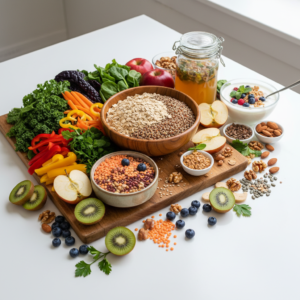
Dietary fiber is the ultimate superfood for your gut microbiome. While human cells cannot digest fiber, your gut bacteria absolutely love it. Specific types of fiber, known as prebiotics or microbiota-accessible carbohydrates (MACs), serve as the primary food source for your good bacteria.
When your bacteria ferment these fibers, they produce short-chain fatty acids (SCFAs) like acetate, propionate, and butyrate. These SCFAs act as powerful anti-inflammatory agents. They lower the pH of your colon, creating a hostile environment for harmful pathogens, and provide the main source of energy for the cells lining your colon.
To maximize these benefits, you must eat a wide variety of high-fiber foods. Oats, barley, and quinoa are excellent sources of beta-glucan, a highly fermentable fiber. Legumes, including lentils, chickpeas, and black beans, pack massive amounts of complex carbohydrates that fuel microbial growth. Nuts and seeds, particularly chia seeds, flaxseeds, and walnuts, provide both fiber and healthy fats that soothe the digestive tract. Aim for at least 30 grams of fiber per day, but increase your intake slowly to give your digestive system time to adjust.
Fermented foods
While high-fiber foods feed the good bacteria you already have, fermented foods introduce entirely new troops of beneficial bacteria into your system. Fermentation is an ancient food preservation technique that utilizes bacteria and yeast to break down sugars. Consuming these live, active cultures directly populates your gut with health-promoting microbes known as probiotics.
Yogurt is the most famous fermented food. When choosing yogurt, always look for labels that specify “live and active cultures” and avoid varieties loaded with added sugars. Kefir, a fermented milk drink, is even more potent than yogurt, boasting up to three times the number of probiotic strains.
If you prefer plant-based options, sauerkraut and kimchi are phenomenal choices. These fermented cabbage dishes provide a massive dose of Lactobacillus bacteria along with digestive enzymes. Kombucha, a fizzy fermented tea, and miso, a traditional Japanese soybean paste, are also excellent additions to your diet. Try to include a small serving of fermented food with at least one meal every day to keep a steady stream of probiotics flowing into your gut.
Fruits and vegetables
Your mother was right when she told you to eat your vegetables. Fruits and vegetables are fundamental to gut health for two main reasons: they are rich in diverse types of fiber, and they are packed with polyphenols.
Polyphenols are naturally occurring plant compounds that boast powerful antioxidant properties. Like fiber, many polyphenols cannot be absorbed in the small intestine. They travel intact to the colon, where they are eagerly devoured by your gut bacteria. As your microbes break down these polyphenols, they produce metabolites that drastically reduce inflammation and promote the growth of specific beneficial strains like Bifidobacteria.
Berries, particularly blueberries, raspberries, and blackberries, are polyphenol powerhouses. Apples, pears, and bananas provide pectin, a soluble fiber that specifically supports gut barrier function. Cruciferous vegetables like broccoli, cauliflower, and Brussels sprouts contain unique sulfur-based compounds that help your gut bacteria combat harmful pathogens. To maximize your gut diversity, challenge yourself to “eat the rainbow” by consuming fruits and vegetables of every color throughout the week.
Best Drinks for Gut Health
While much of the focus on gut health centers on solid foods, the beverages you consume play an equally critical role. Liquid nutrition can deliver powerful healing compounds directly to your digestive lining while ensuring that food moves smoothly through your system.

Water is, without a doubt, the most important beverage for your digestive tract. Your body needs adequate water to break down food, absorb nutrients, and soften stool. Without enough water, dietary fiber cannot do its job properly, leading to severe constipation.
Beyond water, certain functional beverages provide targeted support for your microbiome. Bone broth has surged in popularity for good reason. It is incredibly rich in collagen, gelatin, and amino acids like glutamine. Glutamine is the preferred fuel source for your intestinal cells. Drinking bone broth regularly helps repair microscopic damage to the gut lining, making it a fantastic remedy for leaky gut syndrome.
Herbal teas also offer soothing benefits. Peppermint tea relaxes the muscles of your gastrointestinal tract, alleviating spasms and bloating. Ginger tea stimulates digestion and helps move food along, while chamomile reduces inflammation.
One of the most efficient ways to deliver a concentrated dose of vitamins, minerals, and enzymes to your digestive system is through juicing. Freshly pressed juices made from gut-healing ingredients like celery, cucumber, ginger, and aloe vera can dramatically reduce intestinal inflammation and support stomach acid production.
To learn more about exactly which ingredients to blend for optimal digestive function, be sure to check out our comprehensive guide on the 8 Benefits of Drinking Gut Health Juice Daily. Incorporating a targeted gut health juice into your morning routine can set a positive tone for your digestion for the entire day.
Daily Habits That Improve Gut Health
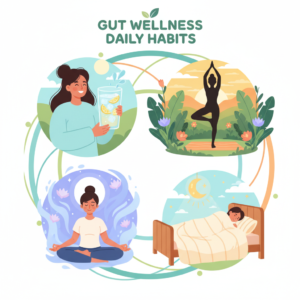
Diet is only one piece of the gut health puzzle. Your lifestyle habits exert massive influence over the trillions of microbes living in your belly. You can eat all the sauerkraut and broccoli in the world, but if your daily habits are working against you, your gut will struggle to heal. Implement these four essential habits to support a thriving microbiome.
Hydration
We touched on water earlier, but it deserves its own spotlight as a daily habit. Proper hydration is non-negotiable for a healthy gut. The mucosal lining of your intestines—the vital barrier that houses your good bacteria and protects your bloodstream from toxins—is made primarily of water.
When you become dehydrated, this mucosal layer thins out and becomes brittle, leaving your intestinal walls vulnerable to damage and inflammation. Dehydration also slows down your gastrointestinal motility. Waste sits in your colon for too long, leading to constipation and the reabsorption of toxins back into your body. Make it a habit to drink half your body weight in ounces of water every day. Start your morning with a large glass of room-temperature water to wake up your digestive system before you eat.
Exercise
Moving your body benefits much more than just your cardiovascular system and your waistline. Emerging research shows that regular cardiovascular exercise actively changes the composition of your gut microbiome for the better.
Exercise independently increases the number of butyrate-producing bacteria in your gut, regardless of your diet. These bacteria produce the short-chain fatty acids that keep your colon healthy and suppress inflammation. Furthermore, physical activity increases blood flow to your digestive organs, which stimulates the natural contractions of your intestines and prevents constipation.
You do not need to run marathons to reap these benefits. Moderate activities like brisk walking, cycling, swimming, or yoga for just 30 to 45 minutes a day are highly effective at promoting microbial diversity.
Sleep
Your gut bacteria operate on a circadian rhythm, just like you do. They have specific times for feeding, reproducing, and resting. When you disrupt your sleep schedule, you completely throw off the natural rhythm of your microbiome.
Studies show that even just a few nights of fragmented or inadequate sleep can drastically alter your gut flora, reducing the populations of beneficial bacteria and allowing opportunistic strains to multiply. This dysbiosis contributes to the insulin resistance and weight gain often seen in people who are sleep-deprived.
To protect your gut, prioritize seven to eight hours of high-quality sleep each night. Maintain a consistent sleep schedule by going to bed and waking up at the same time every day, even on weekends. Keep your bedroom cool and dark, and avoid heavy meals within three hours of bedtime so your digestive system can rest while you sleep.
Stress management
Psychological stress is one of the most destructive forces for your gut health. Thanks to the gut-brain axis, every time you feel stressed, your brain sends warning signals directly to your gut.
When you experience acute or chronic stress, your body releases cortisol and triggers a “fight or flight” response. This evolutionary mechanism diverts blood flow away from your digestive organs and redirects it to your muscles. Digestion shuts down, leading to cramping, nausea, and diarrhea.
Over time, chronic stress alters the actual composition of your gut bacteria and weakens the tight junctions of your intestinal walls, causing a leaky gut. Managing stress is therefore a vital component of digestive health. Incorporate deep breathing exercises, meditation, mindfulness, or simply spending time in nature into your daily routine. By calming your mind, you actively soothe your gut.
Foods That Harm Gut Health
Just as certain foods help your microbiome flourish, others act like weed killer, destroying beneficial bacteria and promoting inflammation. To truly heal your gut, you must minimize your exposure to dietary saboteurs. Here are the worst offenders you need to avoid.
Processed foods
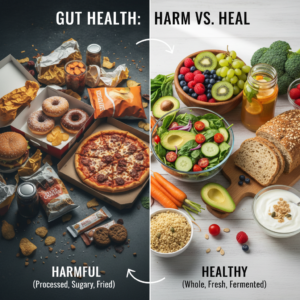
The modern supermarket is filled with highly processed, ultra-refined foods that are devastating to gut health. These foods are entirely stripped of the dietary fiber that your good bacteria need to survive. When you eat a diet heavy in refined carbohydrates, fast food, and packaged snacks, you essentially starve your beneficial microbes.
Worse still, processed foods are packed with artificial additives, preservatives, and emulsifiers. Emulsifiers, which are used to improve the texture and shelf-life of foods like ice cream, mayonnaise, and baked goods, are particularly harmful. Research indicates that emulsifiers literally wash away the protective mucus layer lining your intestines. Without this protective barrier, bacteria come into direct contact with your intestinal cells, triggering chronic, low-grade inflammation that drives metabolic diseases and digestive disorders.
Too much sugar
A high-sugar diet is a recipe for digestive disaster. While complex carbohydrates from plants feed your good bacteria, simple sugars feed the bad guys. Pathogenic bacteria and opportunistic yeasts, such as Candida, thrive on refined sugars.
When you consume excessive amounts of candy, soda, baked goods, and added sugars, you provide an all-you-can-eat buffet for these harmful organisms. As they rapidly multiply, they crowd out the beneficial, health-promoting bacteria. This overgrowth leads to intense sugar cravings, severe bloating, brain fog, and a weakened immune system.
Artificial sweeteners are not a safe alternative, either. Studies show that zero-calorie sweeteners like sucralose, aspartame, and saccharin can alter the gut microbiome and induce glucose intolerance. For a healthy gut, stick to the natural sugars found in whole fruits.
Excess antibiotics
While antibiotics are life-saving medications when fighting a severe bacterial infection, they are often overused. Antibiotics are completely indiscriminate; they act like a nuclear bomb in your digestive tract, wiping out both the pathogenic bacteria causing your infection and the beneficial bacteria keeping you healthy.
A single course of antibiotics can significantly reduce the diversity of your gut microbiome, and it can take months—or sometimes even years—for your bacterial populations to fully recover. Frequent antibiotic use in childhood has been linked to a higher risk of developing obesity, asthma, and inflammatory bowel diseases later in life.
Furthermore, you may be unknowingly consuming antibiotics through your diet. Many conventionally raised livestock are routinely fed antibiotics to promote growth and prevent disease in crowded feedlots. These antibiotic residues can remain in the meat and dairy products you consume. To protect your gut flora, only take prescription antibiotics when absolutely medically necessary, and choose organic, antibiotic-free meat and poultry whenever possible.
FAQs About Gut Health
Navigating the world of gut health can feel overwhelming. To help clarify some common confusion, here are answers to the most frequently asked questions regarding digestion and the microbiome.
How long does it take to improve gut health?
Your gut microbiome is highly responsive to dietary changes. In fact, research shows that bacterial populations begin to shift within just 24 to 48 hours of altering your diet. However, completely healing a damaged gut lining and establishing long-term, stable microbial diversity takes time. Depending on the severity of your dysbiosis, it generally takes anywhere from three to six months of consistent dietary and lifestyle changes to experience deep, lasting healing.
Should I take a probiotic supplement?
Probiotic supplements can be helpful, especially after a course of antibiotics or during an acute bout of digestive distress. However, they are not a magic cure-all. A supplement cannot out-compete a poor diet. It is generally better to get your probiotics from fermented foods like kefir, yogurt, and kimchi, which provide a wider diversity of bacterial strains along with supportive nutrients. If you do choose a supplement, look for one with multiple strains and a high colony-forming unit (CFU) count, and consult with a healthcare professional first.
What exactly is “leaky gut”?
Leaky gut, medically known as increased intestinal permeability, occurs when the tight junctions holding your intestinal cells together become loose. This allows partially digested food particles, toxins, and bacteria to “leak” through the intestinal wall and into your bloodstream. Your immune system reacts to these foreign invaders by launching an inflammatory response, which can trigger food sensitivities, joint pain, fatigue, and autoimmune conditions.
Is a gluten-free or dairy-free diet better for my gut?
Not necessarily. Unless you have Celiac disease, a diagnosed gluten sensitivity, or a true dairy allergy, eliminating these foods is not strictly required for a healthy gut. In fact, whole grains containing gluten are excellent sources of prebiotic fiber. However, many people find that highly processed wheat and commercial dairy products trigger bloating and inflammation. It is often helpful to eliminate them for a few weeks and slowly reintroduce them to see how your individual digestive system reacts.
How do I know if my gut is healing?
You will know your gut is healing when your digestive symptoms begin to fade. You will experience less bloating, fewer instances of heartburn, and regular, easy bowel movements. Beyond digestion, you will likely notice a significant boost in your daily energy levels, clearer skin, improved focus, and a more stable, positive mood.
Taking control of your gut health is one of the most powerful steps you can take toward a vibrant, energetic life. By understanding the critical role your microbiome plays, filling your plate with fiber-rich and fermented foods, staying hydrated, managing your stress, and avoiding processed sugars, you create the perfect environment for your beneficial bacteria to thrive. Start implementing these small, consistent habits today, and your gut will thank you for years to come.



Leave a Reply