



Introduction
Think of your gut as the control center for your entire body. When it works well, you feel energetic, your digestion is smooth, and your immune system stays strong. When it falls out of balance, you might experience bloating, fatigue, or mood swings. You have the power to change this balance through what you put on your plate every day.
Eating the right ingredients can transform your microbiome. Your microbiome is the bustling community of trillions of bacteria living in your digestive tract. Feeding these bacteria correctly helps them thrive, which in turn helps you thrive.
In this guide, we will explore the best foods to improve gut health. You will learn about the power of fermented foods, discover the top fiber-rich options for digestion, and get actionable tips to build a gut-friendly diet. Let us dive into the foods that will keep your digestive system happy and healthy.
Understanding the Best Foods to Improve Gut Health
To find the best foods to improve gut health, you need to look for variety. Your gut bacteria love a diverse diet. Different strains of bacteria prefer different types of nutrients. By eating a wide range of plant-based foods, healthy fats, and lean proteins, you create a rich environment where good bacteria can flourish.
Prebiotic Powerhouses
Prebiotics act as food for your good gut bacteria. They are types of dietary fiber that the human body cannot digest. Instead, they travel to your lower digestive tract, where they become a feast for your healthy microbes.
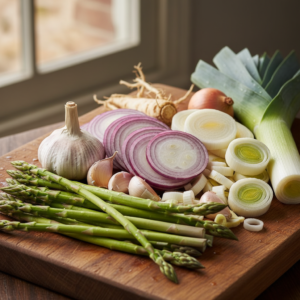
Garlic, onions, and leeks are fantastic sources of prebiotics. They contain inulin, a type of fiber that promotes the growth of beneficial bacteria. You can easily add these flavor-boosters to soups, stir-fries, and roasted vegetables. Asparagus is another excellent prebiotic food. Lightly steaming asparagus helps preserve its prebiotic benefits while making it delicious and easy to eat.
Polyphenol-Rich Foods
Polyphenols are plant compounds that offer incredible health benefits. Your body struggles to digest them efficiently, so they make their way to your colon. There, your gut bacteria break them down and use them for energy.

Berries, such as blueberries, raspberries, and strawberries, are packed with polyphenols. Adding a handful of berries to your morning oatmeal gives your gut an instant boost. Dark chocolate and cocoa powder also contain high levels of these beneficial compounds. Just make sure to choose dark chocolate with at least 70% cocoa to keep sugar intake low. Green tea is another great addition to your routine, providing a soothing, polyphenol-rich beverage to sip throughout the day.
Omega-3 Fatty Acids
While we often associate omega-3s with brain and heart health, they also play a vital role in the digestive tract. These healthy fats help reduce inflammation in the gut lining. A calm, inflammation-free environment allows beneficial bacteria to multiply.
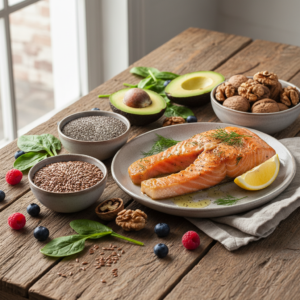
Wild-caught salmon, mackerel, and sardines are rich in omega-3 fatty acids. If you prefer plant-based options, turn to chia seeds, flaxseeds, and walnuts. You can blend chia seeds into a smoothie or sprinkle crushed walnuts over a fresh salad to easily increase your omega-3 intake.
Fermented Foods for Gut Health
When discussing the best foods to improve gut health, fermented foods always take center stage. Fermentation is an ancient technique used to preserve food. During this process, natural bacteria feed on the sugar and starch in the food, creating lactic acid. This process preserves the food and creates beneficial enzymes, B vitamins, and various strains of probiotics.
Yogurt and Kefir
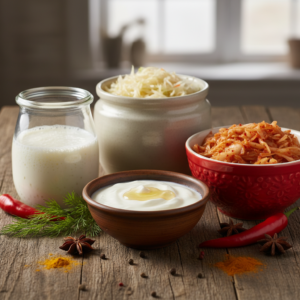
Yogurt is one of the most accessible fermented foods for gut health. It contains live cultures that introduce good bacteria directly into your system. When shopping for yogurt, always look for the phrase “live and active cultures” on the label. Choose plain, unsweetened yogurt to avoid feeding bad bacteria with excess sugar.
Kefir is a fermented milk drink that tastes like a tangy, drinkable yogurt. It actually contains more diverse strains of bacteria and yeast than regular yogurt. This makes kefir an incredibly potent food for your microbiome. You can drink kefir straight, pour it over cereal, or blend it into a fruit smoothie.
Kimchi and Sauerkraut
Fermented vegetables offer a fantastic combination of probiotics and fiber. Sauerkraut is made from just two ingredients: cabbage and salt. The natural fermentation process creates a tangy, crunchy side dish packed with beneficial microbes.
Kimchi, a staple in Korean cuisine, takes cabbage a step further by adding radishes, garlic, ginger, and chili peppers. This spicy, flavorful dish provides probiotics and delivers a heavy dose of antioxidants. Make sure to buy unpasteurized kimchi and sauerkraut from the refrigerated section. The pasteurization process kills the beneficial bacteria you want to consume.
Kombucha, Miso, and Tempeh
Kombucha is a fermented tea drink that has gained massive popularity in recent years. It offers a fizzy, refreshing way to consume probiotics. Miso is a traditional Japanese paste made from fermented soybeans. You can use it to make a comforting soup or mix it into salad dressings for a savory, umami flavor.
Tempeh is another soy-based fermented food. It has a firm texture and a nutty flavor, making it a popular meat substitute. Tempeh provides a great source of protein while delivering the probiotic benefits your gut craves.
Fiber-Rich Foods for Digestion
You cannot discuss the best foods to improve gut health without highlighting fiber. Fiber acts like a broom for your digestive tract. It sweeps waste through your system, prevents constipation, and keeps your bowel movements regular. Most adults do not get enough fiber, but adding the right foods can quickly change that.
Whole Grains for Steady Energy
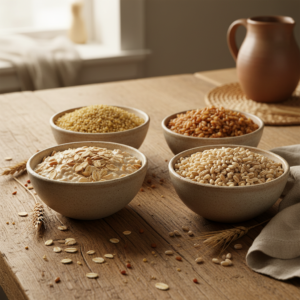
Whole grains retain all parts of the grain, including the bran, germ, and endosperm. This means they keep all their natural fiber intact. Oats are a superb choice for digestion. They contain a specific type of soluble fiber called beta-glucan, which feeds healthy gut bacteria and helps regulate blood sugar.
Quinoa, brown rice, and barley are other excellent whole grains. Swap out refined white pasta and white bread for these whole-grain alternatives. This simple switch dramatically increases your daily fiber intake and supports a healthy digestive rhythm.
Legumes, Beans, and Lentils
Beans and lentils are some of the most fiber-dense foods on the planet. They are incredibly versatile and budget-friendly. A single cup of cooked lentils provides almost 16 grams of fiber. Black beans, chickpeas, and kidney beans are also fantastic choices.
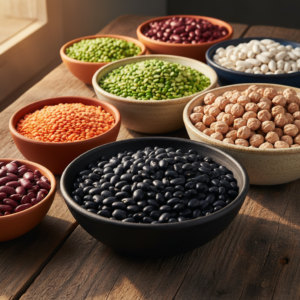
If you are not used to eating beans, introduce them to your diet slowly. Your gut bacteria need time to adjust to breaking down this new fiber. Start by adding a small handful of chickpeas to your salad or swapping out half the meat in a chili recipe for kidney beans. Drink plenty of water to help the fiber move smoothly through your system.
Fruits and Vegetables
Fresh produce forms the foundation of any gut-friendly diet. Apples, particularly when eaten with the skin on, offer pectin. Pectin is a soluble fiber that improves digestion and feeds good bacteria. Bananas are another great option, especially when they are slightly green. Unripe bananas contain resistant starch, which acts as a powerful prebiotic.
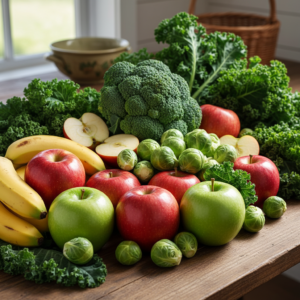
Cruciferous vegetables like broccoli, Brussels sprouts, and cauliflower are packed with fiber and unique plant compounds. Leafy greens like spinach and kale provide essential nutrients and bulk to your stool, making digestion smoother. Aim to fill half your plate with colorful fruits and vegetables at every meal.
Actionable Tips for a Happier Gut
Eating the best foods to improve gut health is only part of the equation. Your lifestyle habits also heavily influence your digestive system. Combine a gut-friendly diet with these simple practices for maximum results.
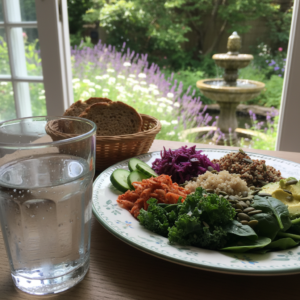
- Stay Hydrated: Fiber needs water to do its job. If you increase your fiber intake without drinking enough water, you may experience constipation. Aim for at least eight glasses of water a day to keep things moving.
- Eat Mindfully: Digestion begins in the mouth. Chew your food thoroughly to break it down before it even reaches your stomach. Eat slowly and avoid heavy meals right before bedtime.
- Manage Stress: Your gut and brain are deeply connected. High stress levels can alter your gut bacteria and cause digestive distress. Practice deep breathing, meditation, or light yoga to keep stress in check.
- Prioritize Sleep: Poor sleep negatively impacts your microbiome. Aim for seven to eight hours of quality sleep each night to give your body and digestive system time to repair and rest.
Start Nourishing Your Gut Today
Improving your gut health does not happen overnight, but you can start making positive changes right now. By prioritizing the best foods to improve gut health, you give your body the tools it needs to thrive. Focus on filling your meals with colorful fruits, whole grains, and omega-3 rich fats.
Introduce fermented foods for gut health, like a scoop of sauerkraut with lunch or a glass of kefir with breakfast. Gradually increase your intake of fiber-rich foods for digestion by snacking on apples, tossing beans into your soups, and choosing whole grains over refined carbohydrates.
Your digestive system works hard for you every single day. Give it the support it deserves. Start by adding just one new gut-friendly food to your grocery list this week. Small, consistent changes will lead to a happier gut, better digestion, and a healthier you.



Leave a Reply