


Introduction
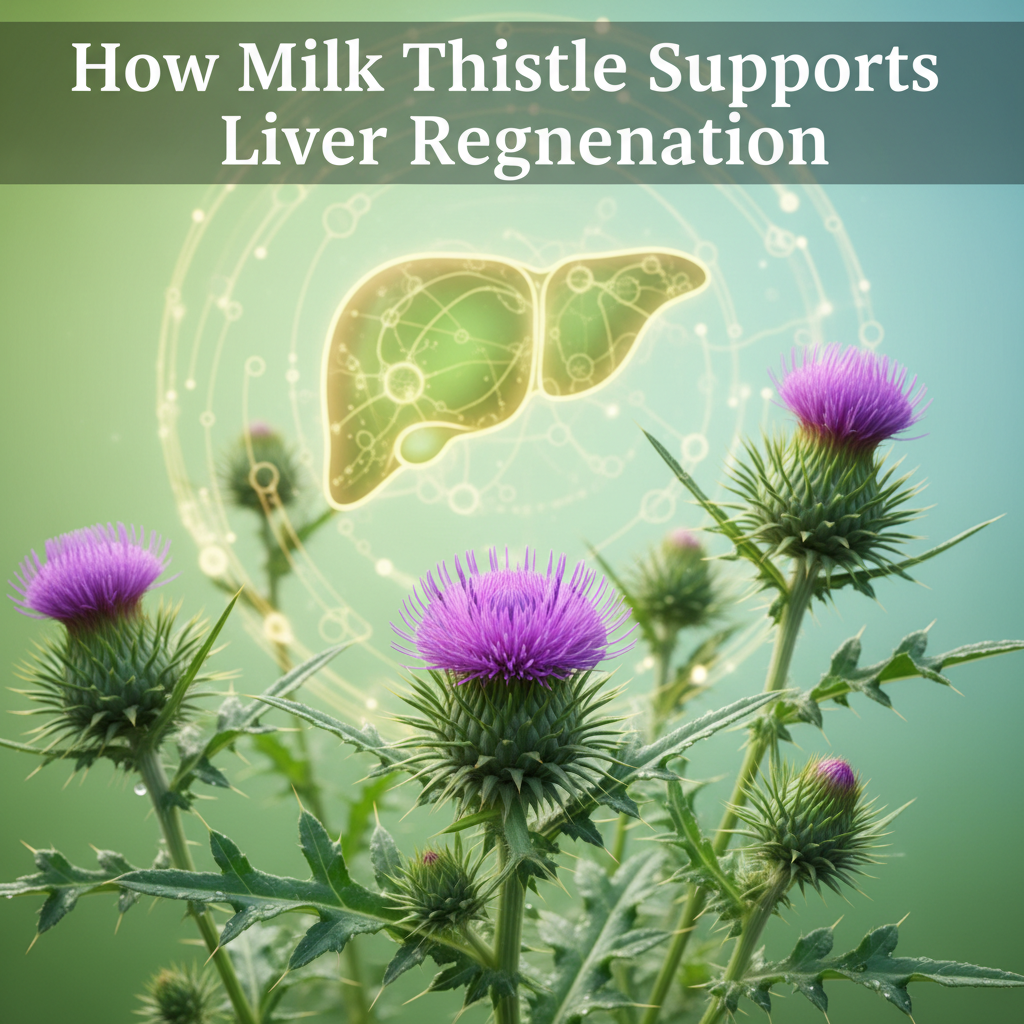
Your liver is a remarkable organ. It filters toxins, helps digest food, and builds proteins that keep your body functioning smoothly. It also possesses an incredible ability to heal and regenerate itself after injury. But when faced with constant stress from poor diet, alcohol, environmental toxins, or medications, your liver needs extra support.
Enter milk thistle. Herbalists and traditional healers have used this prickly plant for centuries to treat liver and gallbladder issues. Today, modern science is taking a closer look at how this natural remedy promotes liver health.
In this comprehensive guide, we will explore exactly how milk thistle supports liver regeneration. You will learn about its active compound, silymarin, and how it protects your liver cells from damage. We will also dive into the scientific evidence, look at its benefits for specific liver conditions, and provide practical advice on how to use it safely.
What Is Milk Thistle and Silymarin?
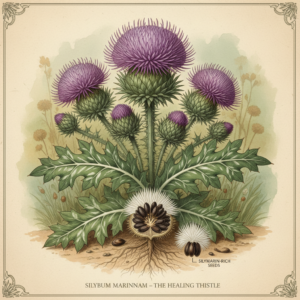
Milk thistle gets its name from the milky white sap that oozes from its leaves when crushed. Native to the Mediterranean region, this striking plant features a long, thin stem, spiny green leaves with distinctive white veins, and a bright purplish-pink flower.
For hundreds of years, people have relied on milk thistle to soothe liver problems. Ancient physicians understood its value as a natural detoxifier. Today, it remains one of the most popular herbal supplements for liver health worldwide.
The secret to milk thistle’s healing power lies in its seeds. These seeds contain a group of potent plant compounds known collectively as silymarin. When you buy a milk thistle supplement, you are primarily looking for its silymarin content.
Silymarin acts as a powerful antioxidant and anti-inflammatory agent. It works on a cellular level to protect the liver from incoming threats while actively encouraging the repair of existing damage. To understand how this works, we need to look closer at the specific mechanisms driving liver regeneration.
How Milk Thistle Supports Liver Regeneration
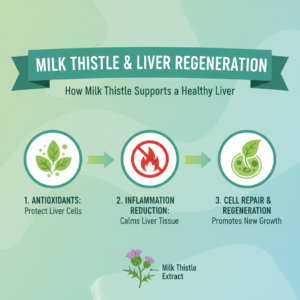
The liver constantly processes everything we eat, drink, and absorb through our skin. This heavy workload makes it vulnerable to oxidative stress and cellular damage. Milk thistle steps in to defend the liver through several fascinating biological mechanisms.
Antioxidant Defense
Your body naturally produces unstable molecules called free radicals as a byproduct of metabolism. Environmental toxins, alcohol, and certain medications can also introduce free radicals into your system. When these unstable molecules outnumber your body’s natural antioxidants, they cause oxidative stress. Oxidative stress damages healthy liver cells and accelerates aging.
Silymarin acts as a shield against this damage. It actively neutralizes free radicals, stopping them from harming your liver tissue. By boosting your liver’s antioxidant capacity, milk thistle preserves the structural integrity of your cells and keeps your liver functioning at its best.
Easing Inflammation
Chronic inflammation is a leading driver of severe liver conditions. When your liver is under constant stress, your immune system triggers an inflammatory response. While acute inflammation helps fight off immediate threats, chronic inflammation slowly destroys healthy liver tissue and can lead to scarring.
Milk thistle contains powerful anti-inflammatory properties. It helps modulate the inflammatory pathways within the liver, cooling down the immune response. By reducing inflammation, silymarin prevents further damage and creates a stable environment where your liver can focus on healing and regenerating.
Promoting Cell Repair and Protein Synthesis
One of the most impressive benefits of milk thistle is its ability to stimulate protein synthesis. Proteins are the building blocks of your body. To regenerate damaged tissue, your liver needs to produce new proteins rapidly.
Silymarin directly encourages this process. It accelerates the cell cycle, prompting liver cells to divide and multiply more efficiently. By speeding up cell repair, milk thistle helps your liver replace damaged tissue with fresh, healthy cells. This accelerated regeneration is crucial for recovering from acute liver injuries or managing chronic liver stress.
Toxin Blockade
Toxins need to enter your liver cells to cause damage. Silymarin acts like a bouncer at the door of your cells. It alters the outer membrane of hepatocyte (liver) cells, making it much harder for harmful substances to get inside.
This toxin blockade protects your liver from heavy metals, pollutants, alcohol metabolites, and harmful medications. By keeping the bad elements out, milk thistle reduces the overall workload on your liver and minimizes daily wear and tear.
Scientific Evidence: Does It Really Work?
Traditional use is great, but modern consumers want scientific proof. Researchers have extensively studied milk thistle to understand its exact impact on human health.
Impact on Liver Enzymes
When your liver is inflamed or damaged, it leaks specific enzymes into your bloodstream. Doctors measure these enzymes—such as ALT and AST—through standard blood tests to gauge your liver health. Elevated enzyme levels generally indicate liver stress.
Numerous clinical studies have observed that patients taking milk thistle supplements experience a noticeable drop in their ALT and AST levels. This reduction suggests that silymarin successfully calms liver inflammation and restores normal function. While individual results vary depending on the severity of the condition, improved enzyme markers provide strong evidence of milk thistle’s protective qualities.
Studies on Cell Cycle and Regeneration
Scientists have also looked at how silymarin affects the liver’s physical ability to regrow. In laboratory settings, researchers often study liver regeneration by observing tissue repair after surgical removal of a liver portion.
Studies show that silymarin significantly accelerates this tissue restoration. It promotes the expression of specific proteins and growth factors that push liver cells through the replication cycle faster. This means that a liver supported by milk thistle can bounce back from injury much quicker than an unsupported liver.
Benefits for Specific Liver Conditions
Because milk thistle protects and repairs liver cells, it offers potential benefits for a variety of specific liver ailments.
Fatty Liver Disease
Fatty liver disease occurs when excess fat builds up inside liver cells. This can happen due to heavy alcohol use (alcoholic fatty liver disease) or metabolic issues like obesity and poor diet (non-alcoholic fatty liver disease, or NAFLD). Over time, this fat accumulation causes severe inflammation and tissue damage.
Milk thistle helps combat fatty liver disease on multiple fronts. Its anti-inflammatory action cools the liver down, while its antioxidant properties protect the cells from fat-induced oxidative stress. When combined with critical lifestyle changes—like losing weight, exercising, and improving your diet—milk thistle can support the liver as it sheds excess fat and heals.
Cirrhosis and Chronic Liver Disease
Cirrhosis is a late-stage liver disease characterized by heavy scarring. As healthy liver tissue is replaced by scar tissue, the liver loses its ability to function.
While milk thistle cannot magically cure or reverse severe cirrhosis, research suggests it can improve survival rates and quality of life for certain patients. By protecting the remaining healthy cells from further damage and reducing ongoing inflammation, silymarin helps slow the progression of the disease. It provides a vital layer of defense for a heavily compromised organ.
Toxin-Induced Liver Damage and Mushroom Poisoning
Perhaps the most dramatic proof of milk thistle’s power lies in its ability to treat severe poisoning. The Death Cap mushroom is highly toxic and causes rapid, fatal liver failure if ingested.
For decades, medical professionals have used intravenous silymarin to treat Death Cap mushroom poisoning. The silymarin blocks the mushroom toxins from binding to liver cells, preventing catastrophic tissue death. While you hopefully will never need it for mushroom poisoning, this dramatic application proves just how effectively milk thistle shields the liver from toxic threats.
The Limitations: What the Science Says
While milk thistle is a powerful natural supplement, it is not a miracle cure. It is important to view the scientific evidence objectively and understand the supplement’s limitations.
First, study results are sometimes mixed. Some trials show massive improvements in liver function, while others show only mild benefits compared to a placebo. This discrepancy often stems from differences in how studies are designed. Variations in silymarin dosage, the quality of the extract, and the specific stage of liver disease all impact the final results.
Furthermore, milk thistle does not seem to work against all liver conditions. For example, large-scale studies evaluating milk thistle for Hepatitis C—a severe viral infection of the liver—found that it did not significantly lower virus levels. Patients with Hepatitis C did not see meaningful changes in disease progression even when taking high doses of silymarin.
Therefore, you should never use milk thistle as a replacement for conventional medical treatment. It works best as a supportive therapy, used in conjunction with a healthy lifestyle and proper medical supervision.
Practical Advice: Usage, Dosage, and Precautions
If you want to add milk thistle to your wellness routine, you need to know how to use it safely and effectively.
How to Take Milk Thistle
Milk thistle is highly accessible. You can find it in several forms, including:
- Capsules and Tablets: This is the most common and convenient way to take milk thistle. Look for standardized extracts to ensure you get a consistent amount of silymarin.
- Liquid Extracts: You can drop liquid tinctures directly into a glass of water or your morning tea.
- Powders: Milk thistle powder blends easily into smoothies or oatmeal.
- Teas: You can steep crushed milk thistle seeds in hot water. However, silymarin does not dissolve perfectly in water, making tea a slightly less potent option than standardized capsules.
For the best absorption, try to take your milk thistle supplement with a meal that contains healthy fats.
Recommended Dosage
Because milk thistle is a dietary supplement, there is no single universal dosage. The ideal amount depends on your specific health goals and the formulation of the product.
For general liver maintenance and detox support, a common recommendation is between 140 and 210 milligrams of standardized silymarin, taken two to three times a day. If you are managing a specific liver condition, your healthcare provider might suggest a different dosing protocol. Always read the label on your specific supplement and follow the manufacturer’s guidelines.
Consistency is key. You might notice slight improvements in your energy or digestion within a few weeks, but it typically takes two to three months of daily use to see measurable changes in liver enzyme tests.
Potential Side Effects and Interactions
Most people tolerate milk thistle exceptionally well. It is considered safe for daily use. However, some individuals might experience mild side effects, such as:
- Nausea or an upset stomach
- Bloating or excess gas
- Mild diarrhea
- Headaches
If you experience persistent digestive discomfort, try lowering your dose or taking the supplement with a larger meal.
You should also be aware of potential allergic reactions. Because milk thistle belongs to the same plant family as ragweed, marigolds, daisies, and chrysanthemums, it can trigger allergies in people sensitive to those plants. If you develop an itchy rash or hives, stop taking the supplement immediately.
Finally, milk thistle can interact with certain medications. Because it alters how the liver processes chemicals, it might change how your body absorbs prescription drugs. Speak to your doctor before starting milk thistle if you take:
- Diabetes medications (milk thistle may lower blood sugar levels)
- Blood thinners
- Statins for cholesterol
- Immunosuppressants
Pregnant women, nursing mothers, and individuals with hormone-sensitive conditions should also avoid milk thistle unless explicitly approved by their physician.
Conclusion
Your liver works tirelessly to keep your body clean, energized, and healthy. Supporting this vital organ should be a top priority for anyone interested in long-term wellness.
Milk thistle offers a natural, time-tested way to boost your liver’s regenerative powers. Through its active compound, silymarin, this humble plant neutralizes harmful free radicals, cools damaging inflammation, and blocks dangerous toxins from entering your cells. Most importantly, it actively accelerates protein synthesis, helping your liver rebuild and repair itself faster.
Whether you want to protect your liver from the occasional glass of wine, support your recovery from fatty liver disease, or simply enhance your daily detox pathways, milk thistle is a valuable tool.
Remember that supplements work best when paired with healthy habits. Drink plenty of water, eat a diet rich in whole foods, exercise regularly, and limit your alcohol intake. By combining a healthy lifestyle with the regenerative power of milk thistle, you give your liver the exact support it needs to thrive.



Comments (1)
Best Teas for Natural Body Detoxification & Tips!says:
April 6, 2026 at 9:13 pm[…] Milk Thistle Tea: The Liver […]