



Introduction: The Detox Tea Promise vs. Reality
Walk into any pharmacy, scroll through Instagram, or browse your favorite wellness store online, and you’ll be met with an overwhelming number of detox teas promising to flush toxins, melt fat, flatten your belly, and reset your body — all in just 14 to 28 days. The marketing is magnetic. The packaging is gorgeous. The celebrity endorsements are compelling.
But here’s the question millions of people are asking right now: do detox teas actually work?
This is not a question you should leave to influencers or flashy product labels. You deserve a real, research-backed answer. In this blog, we are going to look closely at what detox teas are, what the science actually says about their effectiveness, which ingredients you need to watch out for, the real risks involved, and what genuinely helps your body detoxify. By the end, you’ll have everything you need to make an informed decision about whether detox teas deserve a spot in your wellness routine — or whether they’re simply clever marketing wrapped in a teabag.
What Are Detox Teas, Really?
Detox teas are herbal blends specifically marketed to help your body eliminate toxins, promote weight loss, improve digestion, and support overall health. They are typically sold in two forms — a “morning energy” blend and an “evening cleanse” blend — and are usually consumed over a 14 to 28-day cycle.

Their ingredient lists often read like a botanical garden: dandelion root, senna leaf, green tea, ginger, peppermint, burdock root, milk thistle, licorice root, and various fruit flavors added for taste. The sheer number of “natural” ingredients creates the impression of a comprehensive, science-driven health product. But do those ingredients actually do what the labels claim?
The honest answer is: it’s complicated, and in many cases, far more limited than you’ve been led to believe.
Do Detox Teas Actually Work? What the Research Says
Let’s get to the heart of the matter. The phrase “do detox teas actually work” generates millions of searches every year — and for good reason. People want to trust these products. They want a shortcut to feeling lighter, healthier, and more energised. But the research paints a very different picture from the one on the packaging.

The Scientific Evidence Is Thin — Very Thin
A comprehensive peer-reviewed mini-review published in a leading biomedical database, which analyzed studies from January 2002 to December 2024, reached a clear conclusion: diet and detox teas marketed for weight loss offer minimal demonstrated benefit and may pose meaningful health risks. The review also found that analytical studies identified undeclared pharmaceutical ingredients, high levels of stimulants, and inconsistencies between labelled and actual product contents in teas marketed as “natural.” That alone should give you pause.
A 2024 investigation found that 62% of detox teas violated advertising standards, highlighting the enormous gap between what these products claim and what they can actually deliver. The marketing language used — “cleanse,” “flush,” “reset,” “detoxify” — lacks any grounded scientific definition. In the world of clinical medicine, a “detox” is a serious medical procedure used for people recovering from substance abuse. It is not something a cup of herbal tea can replicate.
What “Working” Actually Means for Detox Teas
When people say a detox tea “worked” for them, they are usually responding to short-term changes that feel meaningful but have limited physiological significance. Here is what is actually happening when you drink most commercial detox teas:
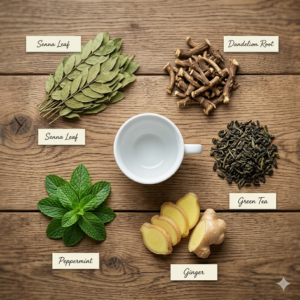
1. Laxative Effects: Many detox teas contain senna leaf, a stimulant laxative derived from the Cassia plant family. Senna triggers bowel movements, which can rapidly reduce bloating and create the appearance of weight loss. However, this is not fat loss. It is waste elimination and water loss — two very different things. Studies show no scientific evidence that senna tea helps with detoxification, cleansing, or true weight loss.
2. Diuretic Effects: Ingredients such as dandelion leaf, green tea, and parsley increase urine production. This temporarily reduces water retention, which some users interpret as “feeling lighter.” However, diuretic effects typically last only a few hours to a day. Once you rehydrate, the water weight returns completely.
3. Digestive Support: Certain herbs found in detox teas — like ginger, peppermint, and fennel — genuinely do support digestion by soothing the gut, reducing gas, and stimulating digestive enzymes. These are real, if modest, benefits. But they don’t constitute “detoxification” in any clinical sense.
4. Caffeine Stimulation: Green tea and other caffeinated botanicals can provide a temporary boost in alertness and mildly increase metabolism. However, these effects are modest and disappear once caffeine consumption stops.
The bottom line? When most people say a detox tea “worked,” they are usually describing a temporary feeling — flatter stomach, more frequent bowel movements, or a mild energy boost — none of which constitute true toxin elimination.
Your Body Already Has a World-Class Detox System
One of the most important things you need to understand when asking “do detox teas actually work” is that your body already contains a sophisticated, highly efficient detoxification system that operates 24 hours a day, 7 days a week — without any tea required.
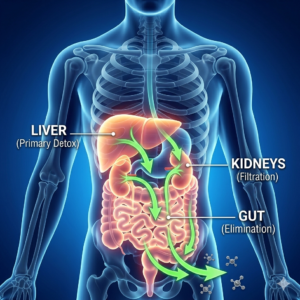
The Liver: The Body’s Primary Detox Powerhouse
The liver is arguably the most important organ for detoxification. Through a remarkable two-phase enzymatic process, the liver converts toxins into less harmful substances, makes them water-soluble so they can be excreted through urine or bile, filters blood coming directly from the digestive tract, and metabolizes medications and alcohol to prepare them for safe elimination.
No detox tea can replicate or meaningfully enhance this sophisticated biological process in a healthy individual.
The Kidneys: Your Built-In Filtration System
The kidneys filter approximately 120 to 150 quarts of blood every single day to produce 1 to 2 quarts of urine. This remarkable efficiency allows them to continuously remove waste products from the blood, regulate electrolyte balance, control blood pressure, and excrete toxins from food, medications, and normal cell activity.
The Lungs, Skin, and Gut
Beyond the liver and kidneys, the lungs continuously remove carbon dioxide and various gaseous toxins with every breath you take. The skin excretes waste through sweat. The intestines, supported by a healthy microbiome, facilitate the elimination of dietary waste and prevent harmful substances from being reabsorbed. This integrated detox system works continuously and needs no commercial shortcut.
The Real Risks of Detox Teas You Need to Know
Before you add any detox tea to your routine, you need to understand that “natural” does not automatically mean “safe.” Research consistently highlights the following risks associated with commercial detox teas:
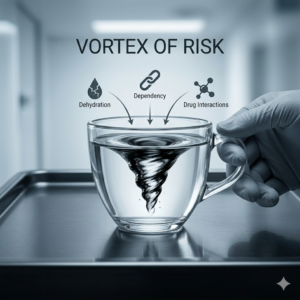
1. Dehydration and Electrolyte Imbalances
Detox teas that contain diuretics — such as dandelion and senna — can lead to excessive fluid loss if consumed frequently. This creates the risk of dehydration and electrolyte imbalances, which can cause muscle cramps, dizziness, and in severe cases, irregular heartbeats. These are not minor inconveniences; they are real physiological dangers.
2. Laxative Dependency
Senna, one of the most common ingredients in commercial detox teas, is a stimulant laxative. Long-term or frequent use of senna can alter normal bowel tissue function and lead to laxative dependency, meaning your gut stops functioning properly without chemical stimulation. Research involving over 10,000 female participants found that those who depended on laxatives for weight loss were six times more likely to develop eating disorders. That statistic alone should be deeply sobering.
3. Drug Interactions
Certain herbs in detox teas can interfere with the metabolism of prescription medications. For example, milk thistle can affect how the liver processes drugs. If you are on any regular medication, consuming detox teas without medical supervision could seriously alter their effectiveness or safety profile.
4. Undeclared Pharmaceutical Ingredients
Perhaps most alarming is the finding that some commercially sold detox teas have been found to contain undeclared pharmaceutical ingredients, pharmaceutical stimulants, and inconsistencies between what the label says and what the product actually contains. Without proper regulatory oversight — the FDA does not regulate most detox tea products the same way it does drugs — consumers are essentially taking a gamble on what they are putting into their bodies.
5. Gastrointestinal Distress
Stomach cramps, nausea, bloating, diarrhoea, and constipation are all commonly reported side effects of detox teas, particularly those containing senna or high levels of caffeine. Over time, frequent use can disrupt the gut’s natural rhythm and microbiome balance.
Breaking Down the Most Common Detox Tea Ingredients
Understanding individual ingredients helps you make smarter choices, regardless of what the front of the package says:
Green Tea: Contains catechins and caffeine. Research does show that green tea is associated with genuine health benefits, including antioxidant protection and a modest association with reduced abdominal obesity in women. Plain green tea, consumed in moderation, is genuinely healthy — but these benefits come from regular tea, not from marketing it as a “detox” product.
Senna Leaf: A stimulant laxative with no scientific evidence supporting its use for detoxification or weight loss. Not recommended for frequent or long-term use due to risks of laxative dependency.
Dandelion Root: Acts as a natural diuretic, temporarily reducing water retention. The effects are short-lived and do not constitute actual fat loss or toxin elimination.
Ginger: Has genuine evidence for soothing digestive discomfort, reducing nausea, and stimulating digestive enzymes. A legitimately useful herb — but it doesn’t “detox” the body.
Milk Thistle: Traditionally associated with liver support. Some preliminary research is promising, but it can interact with medications metabolized by the liver.
Peppermint: Carminative herb that reduces gas and bloating. Safe and mildly effective for digestive comfort with no significant detox properties.
Burdock Root: Traditionally used as a blood purifier. Limited clinical evidence exists for meaningful detox effects in humans.
So What Actually Supports Your Body’s Detoxification?
If you’re serious about supporting your body’s natural detox processes — and you should be — the evidence points clearly toward lifestyle habits rather than commercial products. Here is what the science actually supports:

1. Stay Well-Hydrated
Water is arguably the most powerful and accessible “detox tool” available. Adequate hydration supports kidney filtration, helps flush waste products through urine, and keeps every cell in your body functioning efficiently. Aim for 8 or more glasses of water per day.
2. Eat a Fiber-Rich, Whole-Food Diet
A diet rich in vegetables, fruits, whole grains, legumes, and lean proteins provides the nutrients your liver and kidneys need to function at their best. Cruciferous vegetables like broccoli, kale, and Brussels sprouts are especially supportive of liver detox enzymes.
3. Exercise Regularly
Regular physical activity promotes healthy circulation, stimulates the lymphatic system, and supports the elimination of toxins through sweat. You don’t need a cleanse — you need consistent movement.
4. Prioritize Quality Sleep
During deep sleep, the brain’s glymphatic system — a waste-clearance network — becomes especially active, flushing out metabolic waste products accumulated during the day. Poor sleep impairs your body’s natural detoxification at the cellular level.
5. Limit Alcohol and Ultra-Processed Foods
The liver works hardest when breaking down alcohol and artificial additives. Reducing these dramatically decreases the toxic burden on your liver, allowing it to function more effectively without any supplemental “detox” product.
6. Support a Healthy Gut Microbiome
A diverse, healthy gut microbiome plays a crucial role in preventing harmful substances from being reabsorbed into the bloodstream. Probiotic-rich foods like yoghurt, kefir, and fermented vegetables help maintain gut health and enhance natural toxin elimination.
When Detox Teas Might Have a Place
To be balanced and fair, it is worth acknowledging that some herbal teas — not necessarily branded as “detox” products — can be genuinely beneficial when consumed as part of a healthy lifestyle:
- A cup of ginger tea can soothe an upset stomach and reduce nausea.
- Chamomile tea before bed promotes relaxation and better sleep.
- Plain green tea provides antioxidants and may support metabolic health over time.
- Peppermint tea can relieve gas and bloating after meals.
The key distinction is this: enjoying herbal tea as a healthy ritual is very different from expecting a branded “detox tea” to transform your body, flush toxins, or replace meaningful lifestyle changes. The moment a tea makes dramatic medical claims on its label, be skeptical.
The Verdict: Do Detox Teas Actually Work?
After reviewing the research — the clinical studies, the peer-reviewed analyses, the regulatory findings, and the ingredient-level evidence — the answer is clear: detox teas do not work in the way they are marketed.

They do not flush toxins from your body in any medically meaningful way. They do not produce lasting fat loss. They do not cleanse your liver or kidneys beyond what these organs already do remarkably well on their own. Any short-term changes you experience — a flatter stomach, a lighter feeling, temporary weight reduction — are almost entirely the result of water loss, more frequent bowel movements, and the placebo effect of feeling like you are doing something positive for your health.
What is concerning is not just the lack of benefit, but the genuine risks: laxative dependency, dehydration, electrolyte imbalances, drug interactions, and the presence of undeclared pharmaceutical ingredients in some commercial products.
If you want to truly support your body’s detoxification, invest in the things that science consistently shows work: clean whole-food nutrition, regular hydration, consistent exercise, restorative sleep, and the reduction of alcohol and ultra-processed foods. Your liver, kidneys, and gut are extraordinarily capable — they just need the right environment to thrive.
The best detox is not in a teabag. It is in how you choose to live every single day.
Frequently Asked Questions (FAQs)
Q1: Do detox teas actually remove toxins from the body? No. Detox teas do not remove toxins from the body in any clinical or scientifically proven sense. The liver, kidneys, lungs, and gut perform continuous, highly efficient detoxification without the need for any commercial product. Most detox teas produce temporary effects like increased urination or bowel movements, which are often mistaken for “toxin removal.”
Q2: Can detox teas help you lose weight? Any weight loss experienced from detox teas is almost exclusively water weight — caused by increased urination due to diuretic ingredients or more frequent bowel movements due to laxatives like senna. This weight returns as soon as you rehydrate. Detox teas do not produce lasting fat loss, and no credible clinical evidence supports them as a weight management tool.
Q3: Are detox teas safe to drink every day? Many commercial detox teas are not safe for daily, long-term consumption, especially those containing senna or other stimulant laxatives. Frequent use can lead to dehydration, electrolyte imbalances, laxative dependency, and gastrointestinal distress. Always read ingredient labels carefully and consult a healthcare professional before using any detox product regularly.
Q4: What ingredients in detox teas are potentially dangerous? The most concerning ingredients include senna leaf (a stimulant laxative linked to dependency and eating disorder risk), high-dose caffeine, ephedra (now banned in many countries), and undeclared pharmaceutical substances found in some unregulated commercial products. Milk thistle can also interact with medications processed by the liver.
Q5: Is green tea a good alternative to commercial detox teas? Yes, plain green tea consumed in moderation is a genuinely healthy beverage with research-backed antioxidant benefits. Unlike commercially branded “detox” teas, plain green tea does not contain undisclosed laxatives or stimulants. However, it should not be expected to “detox” the body — that work is already being done by your liver and kidneys.
Q6: What is the most effective way to support the body’s natural detoxification? The most effective and evidence-backed approach includes drinking adequate water daily, eating a fiber-rich whole-food diet, exercising regularly, getting quality sleep, limiting alcohol and ultra-processed foods, and maintaining a healthy gut microbiome through probiotic-rich foods. These lifestyle habits consistently outperform any commercial detox product in supporting the body’s natural detox systems.
Q7: Do detox teas interact with medications? Yes, certain herbal ingredients in detox teas can interact with prescription medications. Milk thistle, for instance, affects how the liver metabolizes certain drugs. If you are taking any regular medication, speak to your doctor or pharmacist before using a detox tea product.
Q8: How long do the effects of detox teas last? The effects of detox teas are generally very short-lived. Diuretic effects — such as reduced water retention — typically last only a few hours to a day. Laxative-driven effects are equally temporary. There are no documented long-term benefits from using detox teas that would not be better achieved through consistent healthy lifestyle habits.
Q9: Why do people feel better after drinking detox teas if they don’t work? Several factors explain this. First, people who start a “detox” often simultaneously improve their diet and increase their water intake, which produces real benefits independent of the tea. Second, the placebo effect is powerful — believing you are doing something positive for your health can genuinely influence how you feel. Third, the initial flush of water weight and waste elimination feels like meaningful progress, even if it is temporary.
Q10: Are there any detox teas that are backed by science? No commercial “detox tea” as a complete product has robust clinical evidence supporting its specific detoxification claims. However, individual herbal ingredients — such as ginger for digestion, green tea for antioxidants, and chamomile for relaxation — do have evidence-backed benefits when used appropriately. The safest approach is to choose simple, single-ingredient herbal teas rather than heavily marketed commercial “detox” blends with complex formulas and bold health claims.
Disclaimer: This blog is written for informational and educational purposes only and does not constitute medical advice. Always consult a qualified healthcare professional before making changes to your diet, supplementation, or wellness routine.


Leave a Reply