


Introduction
High cholesterol affects millions of people worldwide and is a significant risk factor for heart disease and stroke. While lifestyle changes like diet and exercise are important, cholesterol medicines play a crucial role in managing this condition effectively. This comprehensive guide covers everything you need to know about cholesterol medicines—from types and how they work to side effects and choosing the right one for you.
Understanding Cholesterol and Why Medicines Matter
What is Cholesterol?
Cholesterol is a waxy, fat-like substance found in your blood. Your body needs cholesterol to build healthy cells, but too much cholesterol can build up in your arteries, leading to serious health problems. Cholesterol travels through your bloodstream in two main forms:
- LDL Cholesterol (Low-Density Lipoprotein): Often called “bad” cholesterol because it can build up in arteries
- HDL Cholesterol (High-Density Lipoprotein): Known as “good” cholesterol because it helps remove LDL from arteries
Triglycerides are another type of fat in your blood that can also contribute to cardiovascular disease when elevated.
Why High Cholesterol is Dangerous
High cholesterol typically has no symptoms, making it particularly dangerous. When cholesterol levels remain elevated, it can lead to:
- Plaque buildup in arteries (atherosclerosis)
- Increased risk of heart attack
- Increased risk of stroke
- Coronary artery disease
- Heart failure
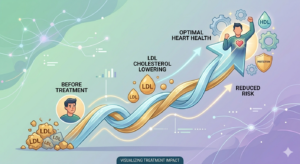
This is why cholesterol medicines are often prescribed—they help prevent these serious complications by lowering cholesterol levels and reducing cardiovascular disease risk.
Types of Cholesterol Medicines
Understanding the different classes of cholesterol medicines helps you and your doctor choose the most effective treatment for your specific situation.
Statins: The Most Prescribed Cholesterol Medication
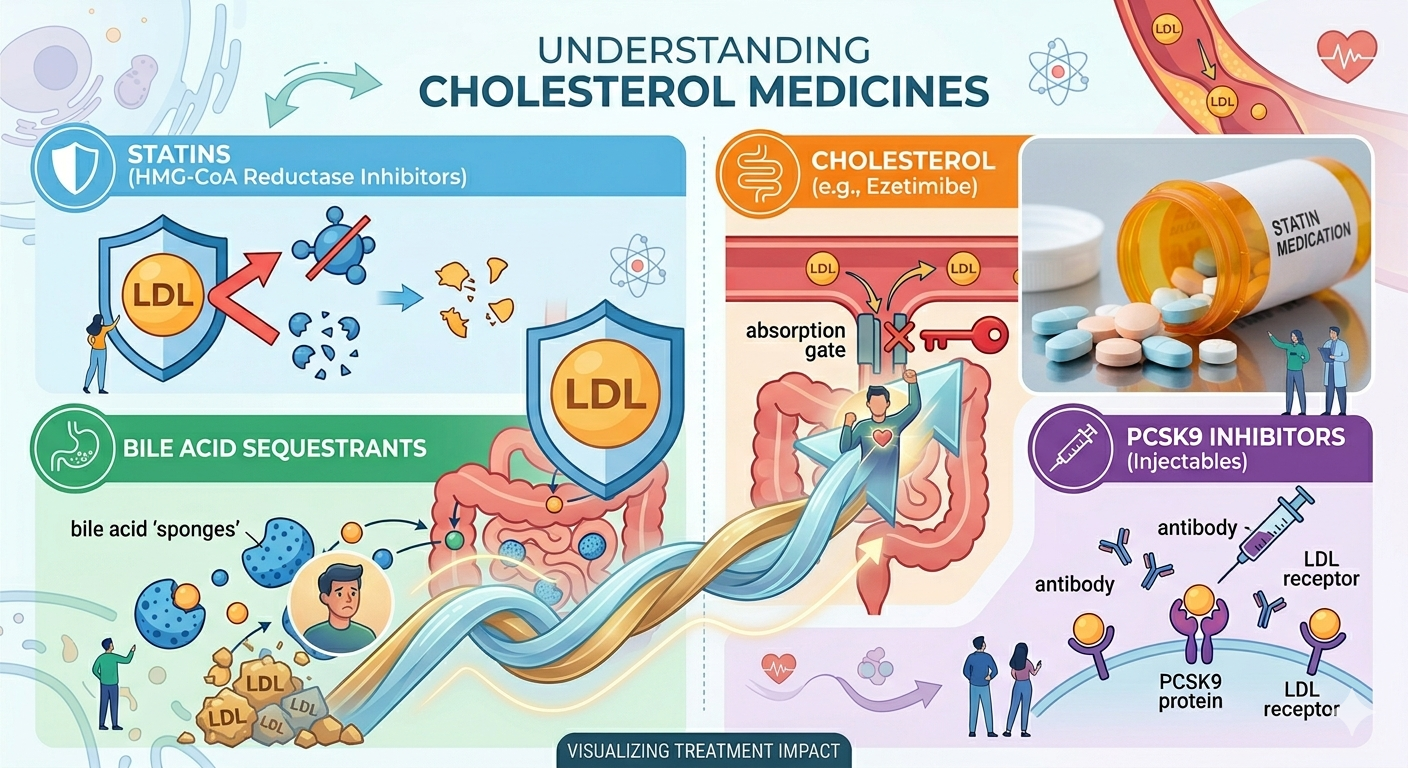
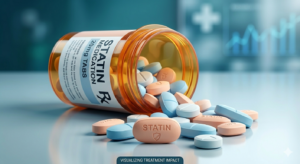
Statins are the first-line cholesterol medicines and are the most widely prescribed class. They work by blocking an enzyme in your liver that produces cholesterol.
Common Statins Include:
- Atorvastatin (Lipitor)
- Rosuvastatin (Crestor)
- Simvastatin (Zocor)
- Pravastatin (Pravachol)
- Lovastatin (Mevacor)
Benefits:
- Reduce LDL cholesterol by 20-60%
- Lower triglycerides
- May increase HDL cholesterol slightly
- Extensive research showing cardiovascular benefits
- Generally well-tolerated
- Available in generic forms (cost-effective)
When Prescribed:
- Primary treatment for high LDL cholesterol
- Prevention of heart disease in high-risk patients
- Post-heart attack or stroke management
PCSK9 Inhibitors
PCSK9 inhibitors are newer, more powerful cholesterol medicines that work through a different mechanism than statins.
Common PCSK9 Inhibitors:
- Evolocumab (Repatha)
- Alirocumab (Praluent)
How They Work:
- Block PCSK9 protein that destroys LDL receptors
- Increase the liver’s ability to remove LDL from blood
- Can reduce LDL by 50-70%
Best For:
- Patients who don’t respond well to statins
- Those with familial hypercholesterolemia
- High-risk cardiovascular patients
- Statin-intolerant patients
Bile Acid Sequestrants
These cholesterol medicines work in the digestive system rather than in the liver.
Examples:
- Cholestyramine (Questran)
- Colesevelam (Welchol)
- Colestipol (Colestid)
Benefits:
- Bind bile acids in the intestines
- Reduce LDL cholesterol by 15-30%
- Can be combined with other medications
- Minimal systemic side effects
Considerations:
- Can interact with other medications
- May increase triglycerides in some patients
- Require multiple daily doses
Fibrates and Niacin
These cholesterol medicines are primarily used to lower triglycerides and manage specific lipid profiles.
Fibrates:
- Fenofibrate (Tricor)
- Gemfibrozil (Lopid)
Niacin (Vitamin B3):
- Extended-release niacin formulations
- Can increase HDL cholesterol significantly
- Reduce LDL cholesterol and triglycerides
Use Cases:
- High triglycerides
- Low HDL cholesterol
- Combined dyslipidemia
Ezetimibe
Ezetimibe (Zetia) is a selective cholesterol absorption inhibitor.
Mechanism:
- Blocks cholesterol absorption in the small intestine
- Reduces LDL cholesterol by 15-20%
- Often combined with statins for enhanced effect
Advantages:
- Different mechanism allows combination therapy
- Good tolerability
- Available as combination pill with statins
How Cholesterol Medicines Work
Mechanism of Action
Different cholesterol medicines target different aspects of cholesterol metabolism:
Statins block HMG-CoA reductase, an enzyme essential for cholesterol production in the liver. By inhibiting this enzyme, they reduce the amount of cholesterol produced and increase the liver’s ability to remove LDL from the blood.
PCSK9 Inhibitors prevent the destruction of LDL receptors on liver cells, allowing more LDL particles to be removed from circulation.
Bile Acid Sequestrants bind to bile acids in the intestines, preventing their reabsorption and forcing the body to use more cholesterol to make new bile acids.
Ezetimibe prevents the absorption of dietary and biliary cholesterol in the small intestine, reducing the amount available for transport to the liver.
Effectiveness and Results Timeline
Most patients see results within 4-12 weeks, though the timeline varies:
- Weeks 1-2: Initial dose adjustment period
- Weeks 4-6: Initial cholesterol reduction typically becomes evident
- Weeks 8-12: Maximum effect usually achieved (for most statins)
- Weeks 12+: Final cholesterol levels stabilize for dose optimization
The degree of cholesterol reduction depends on:
- Type and dosage of medication
- Genetic factors (how your body processes the drug)
- Diet and lifestyle adherence
- Other medications you’re taking
- Overall metabolic health
Side Effects and Safety Concerns
Common Side Effects
Most cholesterol medicines are well-tolerated, but some people experience:
Statins:
- Muscle pain or weakness (myalgia)
- Mild headaches
- Digestive issues (nausea, constipation, diarrhea)
- Sleep disturbances
- Elevated liver enzymes
PCSK9 Inhibitors:
- Injection site reactions (for injectable forms)
- Flu-like symptoms
- Back pain
- Elevated uric acid levels
Other Cholesterol Medicines:
- Bile acid sequestrants: constipation, bloating, elevated triglycerides
- Fibrates: muscle pain, liver enzyme changes
- Niacin: flushing, itching, upset stomach
Serious Adverse Effects
While rare, serious side effects require immediate medical attention:
Statin-Related:
- Rhabdomyolysis (severe muscle breakdown)
- Severe liver damage
- Cognitive problems (very rare)
- Diabetes risk (slight increase in some populations)
PCSK9 Inhibitors:
- Allergic reactions
- Severe injection site reactions
Drug-Specific:
- Fibrates: increased triglycerides in some patients
- Niacin: gout, liver problems with extended-release forms
Drug Interactions
Cholesterol medicines can interact with:
- Other cardiovascular medications
- Anticoagulants (blood thinners)
- Antibiotics (certain types)
- Antifungal medications
- Certain psychiatric medications
- Grapefruit juice (affects statin metabolism)
- Herbal supplements
Always inform your doctor about all medications and supplements you’re taking.
Choosing the Right Cholesterol Medicine
Factors to Consider
Your Cholesterol Levels:
- LDL, HDL, and triglyceride values
- Ratio of total cholesterol to HDL
Your Cardiovascular Risk:
- Personal history of heart disease or stroke
- Family history of cardiovascular disease
- Age and other risk factors
Your Medical History:
- Liver or kidney disease
- Muscle disorders
- Diabetes
- Other chronic conditions
Medication Tolerance:
- Previous reactions to cholesterol medicines
- Muscle pain or other side effects
- Liver enzyme abnormalities
Lifestyle Factors:
- Diet adherence potential
- Exercise capacity
- Alcohol consumption
- Other lifestyle changes
Cost and Insurance:
- Generic vs. brand-name options
- Insurance coverage
- Out-of-pocket costs
When to Switch Medications
You might need to switch cholesterol medicines if:
- Current medication doesn’t achieve target cholesterol levels
- You experience bothersome side effects
- Liver or kidney function changes
- New drug interactions develop
- A more effective option becomes available
- Cost becomes prohibitive
- Your cardiovascular risk changes
Natural Alternatives and Lifestyle Changes
While cholesterol medicines are often necessary, lifestyle modifications can enhance their effectiveness:
Dietary Changes:
- Reduce saturated fat intake
- Increase fiber (soluble fiber especially)
- Limit trans fats
- Add plant sterols and stanols
- Consume omega-3 fatty acids
- Limit refined carbohydrates and sugar
Physical Activity:
- 150 minutes moderate-intensity aerobic activity weekly
- Strength training 2 times per week
- Reduce sedentary time
Weight Management:
- Achieve healthy BMI
- Lose excess weight if overweight
Other Lifestyle Factors:
- Quit smoking
- Limit alcohol consumption
- Manage stress
- Ensure adequate sleep
Natural Supplements (discuss with doctor):
- Psyllium husk
- Plant sterols
- Red yeast rice
- Garlic supplements
- Omega-3 supplements
FAQs About Cholesterol Medicines
Q: Can I stop taking cholesterol medicine if my levels improve? A: Usually not without doctor approval. Cholesterol medicines work while you’re taking them, and levels typically rise again when stopped. Your doctor may adjust doses but rarely discontinue treatment entirely.
Q: Are generic cholesterol medicines as effective as brand-name versions? A: Yes, generic cholesterol medicines contain the same active ingredients and are bioequivalent to brand-name versions.
Q: How often should I have my cholesterol checked while on medication? A: Typically every 4-12 weeks initially, then every 6-12 months once stable.
Q: Can cholesterol medicines cause weight gain? A: Weight gain isn’t a direct side effect, but some patients report it. Weight changes may be related to other factors or underlying conditions.
Q: Is muscle pain always a reason to stop statins? A: Not necessarily. Sometimes switching to a different statin helps. Your doctor might try a lower dose or different medication class.
Q: Can I take cholesterol medicine with food? A: Most statins can be taken with or without food. Some are better taken at night. Follow your specific medication instructions.
Q: How long does it take for cholesterol medicine to work? A: Most show effects within 4-6 weeks, with maximum benefit at 8-12 weeks.
Q: Are cholesterol medicines safe for long-term use? A: Yes, when monitored by a healthcare provider. Millions of people take them long-term with good safety records.



Comments (1)
Complete Guide to Cholesterol: Stop Heart Disease Todaysays:
June 6, 2026 at 4:09 pm[…] Cholesterol Medications: When Lifestyle Changes Aren’t Enough […]