


Introduction
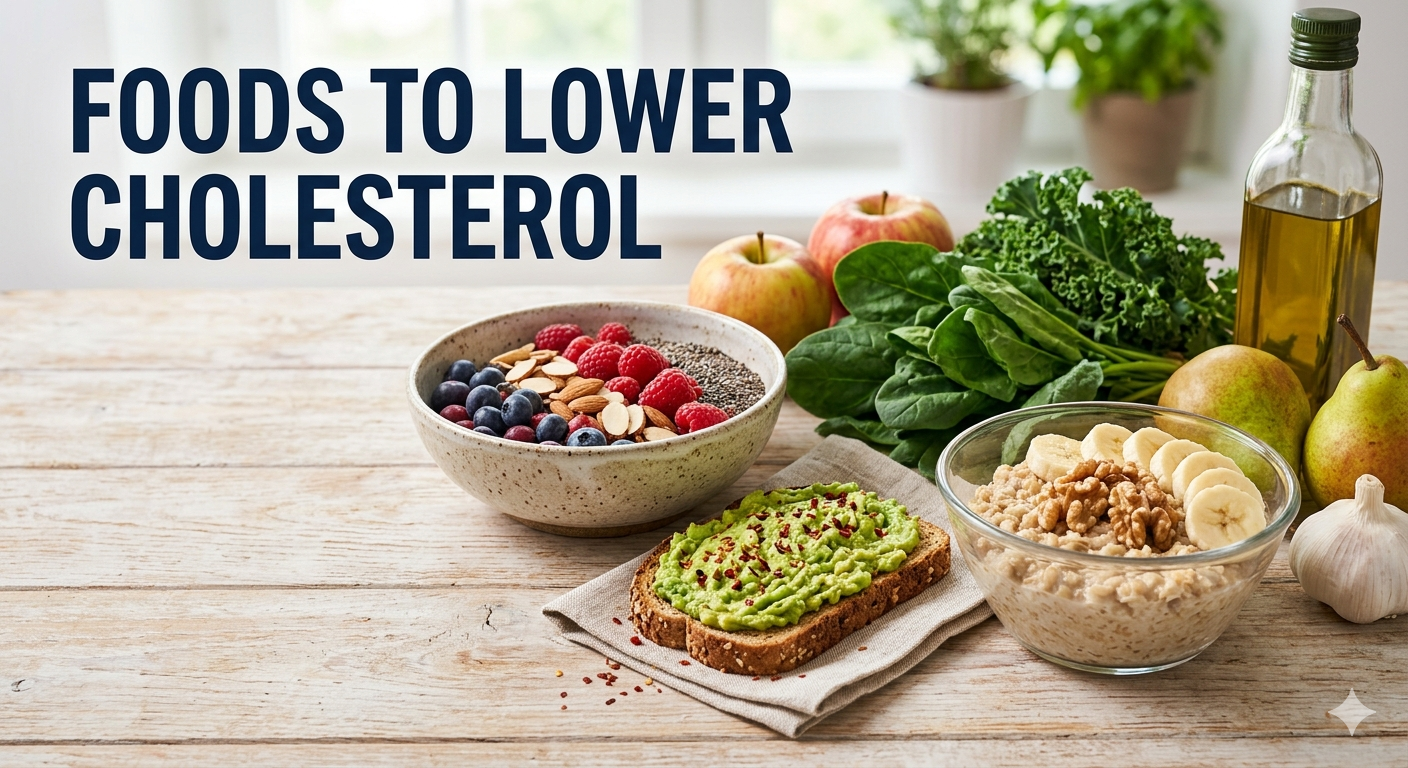
High cholesterol is a major risk factor for heart disease and stroke, affecting millions of people worldwide. While medications play an important role in cholesterol management, diet is equally—if not more—important. What you eat directly impacts your cholesterol levels, and making strategic food choices can significantly reduce LDL (“bad”) cholesterol and increase HDL (“good”) cholesterol. This comprehensive guide explores the best foods to lower cholesterol and provides practical strategies for incorporating them into your daily diet.
Understanding Cholesterol and Diet Connection
How Diet Affects Cholesterol Levels
Your body produces cholesterol naturally, but dietary choices significantly influence your blood cholesterol levels. When you consume foods high in saturated fat and trans fat, your liver produces more LDL cholesterol. Conversely, eating foods rich in fiber, healthy fats, and plant compounds actively helps lower cholesterol levels.
The relationship between diet and cholesterol is powerful:
- Foods high in soluble fiber can reduce LDL cholesterol by 5-15%
- Healthy fats can increase beneficial HDL cholesterol
- Plant sterols and stanols block cholesterol absorption
- Antioxidants protect cholesterol from oxidation
- Reducing processed foods lowers overall cholesterol levels
The Best Foods for Cholesterol Management
Effective cholesterol management through diet focuses on three key strategies:
- Adding foods that lower cholesterol (soluble fiber, plant compounds)
- Replacing unhealthy fats with heart-healthy options
- Reducing inflammatory foods that worsen cholesterol ratios
Foods to lower cholesterol work through different mechanisms—some reduce LDL directly, others increase HDL, and some reduce triglycerides. The most effective approach combines multiple cholesterol-lowering foods in a heart-healthy diet pattern.
Top Cholesterol-Lowering Foods
Oats and Whole Grains
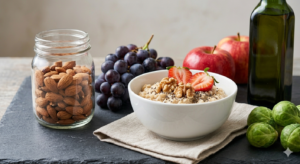
Oats are one of the most researched foods for cholesterol reduction. They contain beta-glucan, a type of soluble fiber that binds to LDL cholesterol particles and helps eliminate them from your body.
Cholesterol-Lowering Benefits:
- Beta-glucan reduces LDL cholesterol by 5-10%
- Lowers triglycerides
- Improves overall cholesterol ratios
- Provides sustained energy and satiety
Best Options:
- Steel-cut oats
- Rolled oats
- Oat bran
- Oatmeal with toppings (berries, nuts, ground flax)
How to Use:
- Start your day with oatmeal
- Add oat bran to smoothies
- Use oats in homemade granola
- Try overnight oats for convenience
- Aim for 3-5 grams of soluble fiber daily from oats
Other Beneficial Whole Grains:
- Barley (high in beta-glucan)
- Brown rice
- Quinoa
- Whole wheat bread
- Whole grain pasta
Fatty Fish and Omega-3 Rich Foods
Fatty fish is one of the most powerful foods to lower cholesterol and improve heart health. The omega-3 fatty acids in fish reduce triglycerides and inflammation while increasing protective HDL cholesterol.
Best Fish Options:
- Salmon (wild-caught preferred)
- Mackerel
- Herring
- Sardines
- Trout
- Halibut
Cholesterol Benefits:
- Reduces triglycerides by 20-50%
- Increases HDL cholesterol
- Reduces inflammation
- Decreases blood pressure
- Protects heart health
Recommended Intake:
- 2-3 servings per week (3-4 ounces each)
- Focus on wild-caught when possible
- Aim for 250-500 mg omega-3 daily
Preparation Tips:
- Bake or grill (avoid fried preparations)
- Season with herbs and lemon
- Include in Mediterranean dishes
- Add to salads and grain bowls
Other Omega-3 Rich Foods:
- Flaxseeds (ground)
- Chia seeds
- Walnuts
- Hemp seeds
- Plant-based alternatives to fish oil
Nuts and Seeds
Nuts and seeds are excellent foods to lower cholesterol thanks to their healthy fat content, fiber, and beneficial plant compounds. Despite their calorie density, studies show that regular nut consumption is associated with lower cholesterol and reduced heart disease risk.
Best Nuts and Seeds:
- Almonds (highest in fiber)
- Walnuts (rich in omega-3s)
- Pistachios
- Hazelnuts
- Ground flaxseeds
- Chia seeds
- Pumpkin seeds
- Sunflower seeds
Cholesterol-Lowering Benefits:
- Lower LDL cholesterol
- Increase HDL cholesterol
- Reduce triglycerides
- Provide fiber and antioxidants
- Support overall heart health
Optimal Consumption:
- 1 ounce (about 1/4 cup) per day
- Unsalted varieties preferred
- Raw or dry roasted (avoid oil-roasted)
- Include in trail mixes, oatmeal, or salads
Important Note: While nuts are nutritious, they’re calorie-dense. Portion control helps with weight management while maximizing cholesterol benefits.
Olive Oil and Healthy Fats
Olive oil is a cornerstone of the Mediterranean diet and one of the most researched foods to lower cholesterol. Extra virgin olive oil contains polyphenols and oleic acid that protect LDL cholesterol from oxidation and reduce inflammation.
Benefits of Olive Oil:
- Contains heart-protective antioxidants
- Maintains HDL cholesterol levels
- Reduces LDL oxidation
- Anti-inflammatory properties
- May lower blood pressure
How to Use:
- Use extra virgin olive oil for salad dressings
- Drizzle over cooked vegetables
- Use for low-heat cooking (avoid high-heat frying)
- Add to soups and pasta
- Use in marinades
Other Healthy Fats:
- Avocado oil
- Coconut oil (use sparingly)
- Nuts and seeds
- Avocados
- Fatty fish
Daily Intake:
- 2-3 tablespoons per day
- Replace butter and saturated fats
- Choose extra virgin for maximum benefits
Fruits and Vegetables
Colorful fruits and vegetables are essential foods to lower cholesterol. They’re rich in fiber, antioxidants, and plant compounds that protect against heart disease and improve cholesterol profiles.
Best Cholesterol-Lowering Fruits:
- Apples (soluble fiber pectin)
- Berries (blueberries, strawberries, raspberries)
- Citrus fruits (oranges, lemons, grapefruits)
- Pears (high in fiber)
- Avocados (healthy fats)
- Pomegranates (antioxidants)
- Grapes (resveratrol)
Best Cholesterol-Lowering Vegetables:
- Leafy greens (spinach, kale, lettuce)
- Broccoli and cauliflower
- Bell peppers (vitamin C)
- Carrots (beta-carotene)
- Tomatoes (lycopene)
- Sweet potatoes
- Asparagus
- Eggplant
How Much to Eat:
- At least 5 servings daily (9 is ideal)
- Include variety of colors
- Eat whole fruits (more fiber than juice)
- Include raw and cooked options
- Aim for at least half your plate at meals
Specific Benefits:
- Soluble fiber binds cholesterol
- Antioxidants protect against oxidation
- Vitamins support heart health
- Potassium helps regulate blood pressure
Legumes and Plant-Based Proteins
Legumes are among the most underrated foods to lower cholesterol. Beans, lentils, and peas are high in soluble fiber and plant protein, making them excellent cholesterol-reducing foods that also support weight management.
Best Legume Options:
- Black beans
- Kidney beans
- Chickpeas (garbanzo beans)
- Lentils (red, green, brown)
- Pinto beans
- Split peas
- Navy beans
- Peanuts (technically legumes)
Cholesterol-Lowering Benefits:
- High in soluble fiber
- Reduce LDL cholesterol by 5-10%
- Provide plant-based protein
- Help maintain healthy weight
- Support healthy gut bacteria
- Reduce inflammation
How to Use:
- Add to soups and stews
- Make bean-based salads
- Use as meat substitute in tacos
- Include in grain bowls
- Blend into hummus
- Roast chickpeas for snacks
Recommended Intake:
- 3-4 cups per week
- Mix varieties for different nutrients
- Pair with whole grains for complete protein
- Introduce gradually to avoid digestive upset
Garlic, Onions, and Spices
Garlic and onions contain compounds that help lower cholesterol and provide numerous cardiovascular benefits. These flavorful foods to lower cholesterol add taste without adding calories or unhealthy fats.
Beneficial Compounds:
- Allicin (antimicrobial, anti-inflammatory)
- Quercetin (antioxidant)
- Organosulfur compounds
- Selenium and vitamin C
Cholesterol Benefits:
- Modest LDL reduction (10-15% with high intake)
- May increase HDL cholesterol
- Reduce blood pressure
- Anti-inflammatory properties
- Support immune function
How to Use:
- Add fresh garlic to cooking
- Use garlic powder as seasoning
- Include raw garlic in salad dressings
- Cook with onions for base flavors
- Use herbs like turmeric, ginger, cinnamon
Other Beneficial Spices:
- Turmeric (curcumin for inflammation)
- Ginger (cardiovascular benefits)
- Cinnamon (may lower cholesterol)
- Cayenne pepper (capsaicin benefits)
- Oregano (antioxidants)
The Best Cholesterol-Lowering Diet Plans
Mediterranean Diet
The Mediterranean diet is consistently ranked as one of the healthiest and most effective foods to lower cholesterol diet patterns. Originating from countries bordering the Mediterranean Sea, this diet emphasizes plant-based foods, healthy fats, and lean proteins.
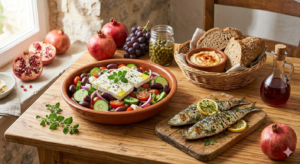
Key Components:
- Extra virgin olive oil as primary fat
- Fish and seafood 2-3 times weekly
- Legumes and whole grains daily
- Abundant fruits and vegetables
- Moderate dairy (mainly cheese and yogurt)
- Herbs and spices for flavoring
- Limited red meat consumption
- Moderate wine consumption with meals
Cholesterol Benefits:
- Reduces LDL cholesterol by 5-15%
- Increases protective HDL cholesterol
- Reduces inflammation and oxidative stress
- Improves arterial function
- Lowers triglycerides
- Reduces cardiovascular disease risk by up to 30%
How to Start:
- Stock kitchen with olive oil, nuts, legumes
- Plan meals around vegetables and whole grains
- Include fish twice weekly
- Limit processed foods
- Prepare meals at home
- Enjoy meals slowly and socially
DASH Diet
The DASH (Dietary Approaches to Stop Hypertension) diet is specifically designed to lower blood pressure and cholesterol. It emphasizes whole grains, lean proteins, fruits, vegetables, and low-fat dairy.
Key Food Groups:
- Whole grains (6-8 servings daily)
- Vegetables (4-5 servings daily)
- Fruits (4-5 servings daily)
- Lean proteins (6 ounces daily)
- Low-fat dairy (2-3 servings daily)
- Healthy fats and oils (2-3 servings daily)
- Limited sodium and sugar
Cholesterol & Blood Pressure Benefits:
- Reduces LDL cholesterol by 10-15%
- Lowers systolic blood pressure by 8-14 mmHg
- Reduces cardiovascular disease risk
- Helps with weight management
- Improves overall blood lipid profile
Portfolio Diet
The Portfolio Diet is specifically designed as a foods to lower cholesterol approach. Research shows it can be as effective as some statin medications for reducing LDL cholesterol.
Key Cholesterol-Lowering Foods:
- Plant sterols (from plant-based sources)
- Soy protein
- Nuts (almonds especially)
- Oats and barley (soluble fiber)
Potential Results:
- Can reduce LDL cholesterol by 30%
- Comparable to some statin medications
- Improvement visible in 4-6 weeks
- Especially effective for those unable to tolerate statins
Foods to Avoid or Limit
Understanding foods to limit is as important as knowing foods to lower cholesterol. Certain foods significantly increase cholesterol and should be minimized or avoided.
High Saturated Fat Foods
Saturated fat raises LDL cholesterol more effectively than any other dietary component. Limiting these foods is crucial for cholesterol management.
Foods High in Saturated Fat:
- Fatty cuts of beef and pork
- Butter and cream
- Cheese (full-fat varieties)
- Coconut oil (use sparingly)
- Palm oil
- Whole milk and full-fat dairy
- Processed meats (bacon, sausage, deli meats)
- High-fat baked goods
- Fried foods
Healthier Alternatives:
- Lean cuts of meat (5% fat or less)
- Olive oil instead of butter
- Low-fat dairy products
- Plant-based alternatives
- Baked instead of fried
Processed and Trans Fat Foods
Trans fats are the worst type of dietary fat for cholesterol. They raise LDL cholesterol and lower HDL cholesterol simultaneously—a dangerous combination.
Foods Containing Trans Fats:
- Margarine
- Shortening
- Packaged baked goods
- Fried fast foods
- Some commercial pastries
- Certain crackers and snacks
How to Identify:
- Read ingredient labels for “partially hydrogenated oils”
- Check nutrition facts for trans fats (avoid if any)
- Limit ultra-processed foods
- Choose whole foods
Foods High in Dietary Cholesterol
While dietary cholesterol impact varies individually, some people are “cholesterol responders” who should limit these foods.
High Cholesterol Foods:
- Egg yolks (limit to 1-2 daily if high cholesterol)
- Organ meats (liver, kidney)
- Shellfish (shrimp, crab)
- Full-fat dairy
- Fatty meats
Important Note: For most people, dietary cholesterol has minimal impact compared to saturated and trans fats. Focus on fat quality first.
Easy Cholesterol-Lowering Recipes
Breakfast Ideas
Oatmeal with Berries and Almonds
- Steel-cut oats with water or low-fat milk
- Top with fresh blueberries
- Add sliced almonds
- Drizzle with honey
- Soluble fiber from oats + antioxidants from berries
Veggie-Packed Egg White Scramble
- 3 egg whites with 1 whole egg
- Spinach, mushrooms, tomatoes
- Whole grain toast with avocado
- Olive oil for cooking
- High protein, fiber, and healthy fats
Smoothie Bowl
- Unsweetened almond milk
- Frozen berries
- Ground flaxseed
- Plain low-fat yogurt
- Top with granola and coconut
- Portable and nutrient-dense
Lunch and Dinner Recipes
Mediterranean Salmon
- Baked salmon with herbs
- Side of roasted vegetables
- Quinoa or brown rice
- Drizzle of olive oil and lemon
- Omega-3 rich and cholesterol-lowering
Chickpea and Vegetable Curry
- Canned chickpeas in tomato sauce
- Mixed vegetables (spinach, bell peppers, carrots)
- Brown rice or whole wheat naan
- Turmeric and ginger for flavor
- High-fiber plant protein
Lentil Soup
- Brown or green lentils
- Vegetable broth
- Carrots, celery, onions
- Garlic and herbs
- Whole grain bread on the side
- Warming and cholesterol-reducing
Healthy Snacks
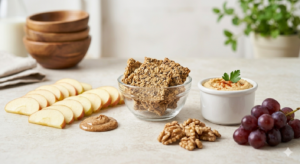
Trail Mix
- Raw almonds
- Walnuts
- Sunflower seeds
- Dried berries (unsweetened)
- Dark chocolate chips (small amount)
- Portable cholesterol-lowering snack
Hummus and Vegetables
- Chickpea hummus
- Carrots, celery, bell peppers
- Whole grain crackers
- Combines fiber and plant compounds
Apple with Almond Butter
- Medium apple
- 1 tablespoon almond butter
- Soluble fiber + healthy fats
- Satisfying and portable
Shopping List and Meal Planning
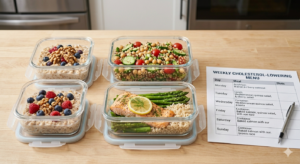
Cholesterol-Lowering Shopping List
Grains & Breads:
- Steel-cut oats
- Brown rice
- Whole wheat bread
- Quinoa
- Barley
- Whole grain pasta
Proteins:
- Salmon or other fatty fish
- Skinless chicken breast
- Turkey breast
- Legumes (canned or dry)
- Eggs
- Plant-based proteins
Dairy:
- Low-fat yogurt
- Low-fat milk
- Low-fat cheese
- Unsweetened almond milk
Healthy Fats:
- Extra virgin olive oil
- Almonds
- Walnuts
- Avocados
- Sunflower seeds
- Ground flaxseed
Vegetables:
- Leafy greens (spinach, kale)
- Broccoli
- Carrots
- Bell peppers
- Tomatoes
- Asparagus
- Mushrooms
Fruits:
- Apples
- Berries
- Oranges
- Bananas
- Pears
Seasonings & Condiments:
- Garlic and onions
- Herbs and spices
- Low-sodium vegetable broth
- Olive oil-based dressings
Weekly Meal Plan Ideas
Monday:
- Breakfast: Oatmeal with berries
- Lunch: Lentil soup with whole grain bread
- Dinner: Baked salmon with roasted vegetables
Tuesday:
- Breakfast: Smoothie with flaxseed
- Lunch: Hummus and vegetable wrap
- Dinner: Chickpea curry with brown rice
Wednesday:
- Breakfast: Egg white scramble with whole grain toast
- Lunch: Mediterranean salad with olive oil
- Dinner: Grilled fish with quinoa
Thursday:
- Breakfast: Overnight oats
- Lunch: Bean salad with vegetables
- Dinner: Vegetable stir-fry with tofu
Friday:
- Breakfast: Smoothie bowl
- Lunch: Whole grain sandwich with lean turkey
- Dinner: Herbed baked salmon with roasted root vegetables
Saturday:
- Breakfast: Oatmeal with nuts and fruit
- Lunch: Vegetable soup with whole grain crackers
- Dinner: Grilled chicken breast with steamed broccoli
Sunday:
- Breakfast: Veggie frittata
- Lunch: Mediterranean grain bowl
- Dinner: Lentil and vegetable stew
Tips for Success and Lifestyle Changes
Dietary Strategies:
- Eat smaller portions of meat (3-4 ounces)
- Fill half your plate with vegetables
- Choose whole grains over refined
- Cook at home more often
- Use herbs instead of salt
- Limit liquid calories and sugary drinks
- Plan meals ahead for better choices
Lifestyle Factors:
- Exercise 150 minutes weekly (helps cholesterol management)
- Maintain healthy weight
- Quit smoking (increases HDL)
- Manage stress
- Sleep 7-9 hours nightly
- Limit alcohol consumption
- Stay hydrated
Implementation Tips:
- Start with one dietary change at a time
- Gradual changes are more sustainable
- Find foods you genuinely enjoy
- Experiment with new recipes
- Meal prep on weekends
- Don’t aim for perfection
- Combine diet with medication if needed
Timeline for Results:
- Week 1-2: Initial adjustment period
- Week 4-6: May notice improved energy
- Week 8-12: Significant cholesterol improvements possible
- Ongoing: Cholesterol checks every 3-6 months
FAQs About Cholesterol-Lowering Foods
Q: Can diet alone lower cholesterol? A: For many people with mild to moderate elevation, yes. However, some may need medication alongside dietary changes. Work with your healthcare provider for personalized recommendations.
Q: How long does it take to lower cholesterol with food? A: Most people see improvements within 4-6 weeks of consistent dietary changes. Some see results within 2-3 weeks.
Q: Are eggs bad for cholesterol? A: Not necessarily. While egg yolks contain cholesterol, for most people they don’t significantly raise blood cholesterol. Up to 1 egg daily is generally safe for those managing cholesterol.
Q: Can I still eat cheese if I’m lowering cholesterol? A: Yes, but choose low-fat varieties and limit portions. Hard cheeses have more fat, while low-fat options are better for cholesterol management.
Q: Is all fat bad for cholesterol? A: No. Healthy unsaturated fats (olive oil, nuts, fish) actually help lower cholesterol. Saturated and trans fats are the concern.
Q: Can supplements lower cholesterol like food does? A: Some supplements (plant sterols, red yeast rice) can help, but whole foods provide additional nutrients and fiber. Foods should be the foundation.
Q: What’s the best diet for cholesterol—Mediterranean or DASH? A: Both are excellent. Mediterranean is slightly better for HDL cholesterol, while DASH is excellent for blood pressure and overall heart health. Choose based on personal preference.
Q: Should I avoid all red meat? A: Not necessarily. Choose lean cuts (sirloin, loin), keep portions small (3 ounces), and limit to 2-3 times weekly.
Q: Do I need to follow a special diet if I’m on cholesterol medication? A: Yes, diet remains important even with medication. Healthy eating enhances medication effectiveness and supports overall health.
Q: Can I lose weight while lowering cholesterol with food? A: Absolutely. Many cholesterol-lowering foods (whole grains, legumes, vegetables) also support healthy weight loss.



Leave a Reply