


Introduction
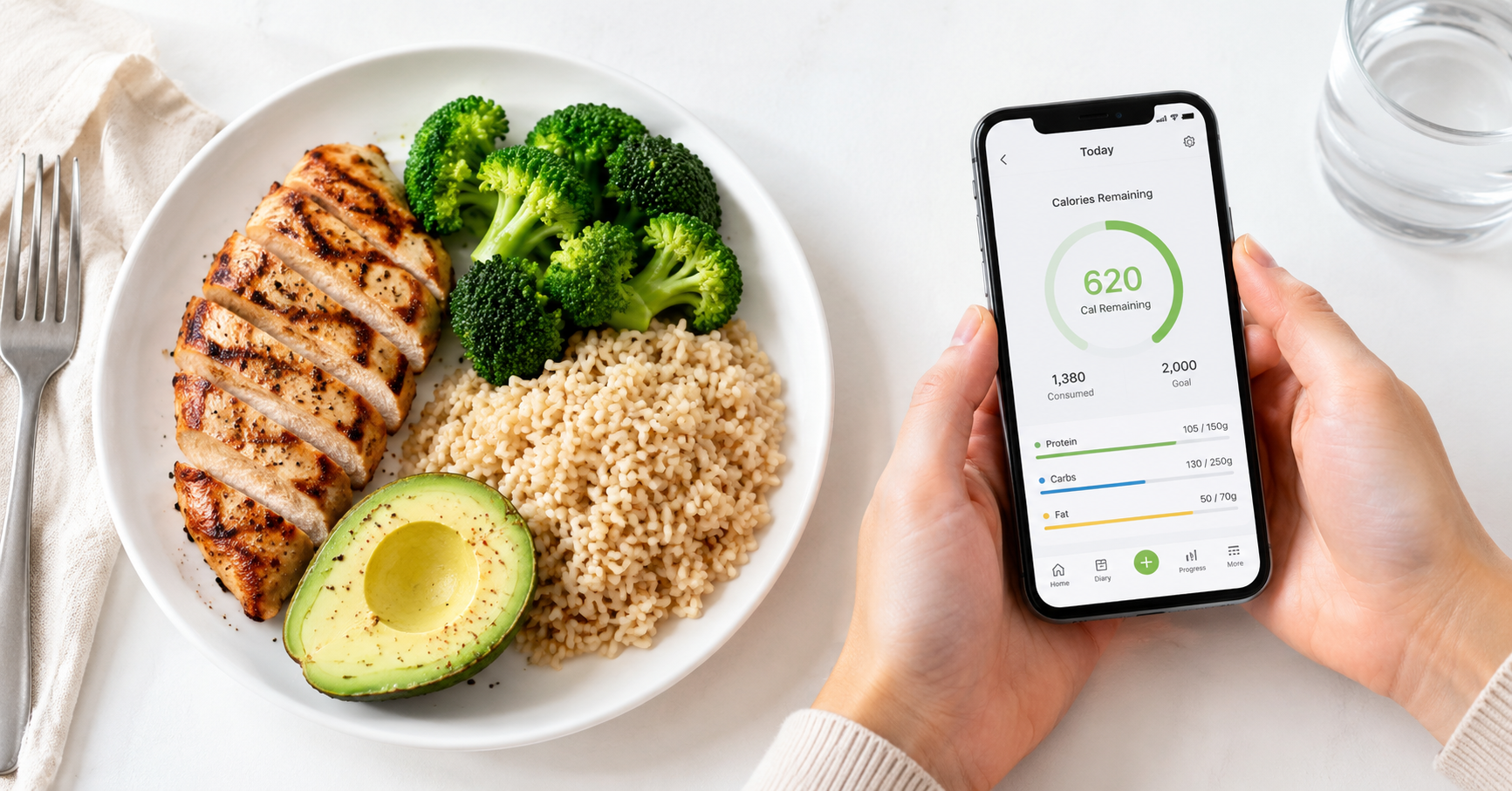
Every successful weight loss plan — whether it’s keto, intermittent fasting, or a Mediterranean diet — has exactly one thing in common: a calorie deficit. But most people misunderstand what a calorie deficit actually is, why it works at a biological level, and how to use it without burning out your energy, destroying muscle, or stalling your metabolism.
This guide breaks down exactly how calorie deficits work, the real science behind fat loss, how to calculate your personal deficit, and the most common mistakes that stop results before they ever begin.
What Is a Calorie Deficit?
A calorie deficit occurs when you consume fewer calories than your body burns in a given day. When this energy gap exists consistently over time, your body turns to its stored fat for fuel, producing gradual and sustainable weight loss. For most people, a daily deficit of 300–500 calories is the safe, effective target for losing 0.5 to 1 pound of fat per week without sacrificing energy or muscle.
This single principle is the foundation behind every diet that has ever produced real results.
The Science: What Happens Inside Your Body During a Calorie Deficit

Understanding how calorie deficits work at a biological level makes it far easier to manage expectations and stay consistent. When your calorie intake drops below what your body needs, a precise sequence of events unfolds.
Fat cells release stored energy. Adipose (fat) tissue breaks down stored triglycerides into free fatty acids, which enter the bloodstream and travel to working muscles and organs to be burned as fuel. This is the actual mechanism of fat loss — it is gradual, regulated, and entirely normal.
Glycogen stores deplete first. In the first 3–5 days of a calorie deficit, your body burns through glycogen — stored carbohydrates in the liver and muscles — before shifting to fat. Each gram of glycogen holds approximately 3–4 grams of water, so the rapid early weight loss most people experience is largely water weight, not fat. Real fat loss begins after the first one to two weeks.
Hormones regulate the entire process. When you eat less, insulin levels drop, which signals fat cells to release stored fatty acids. Simultaneously, glucagon and cortisol rise to maintain blood sugar and support energy availability. This is a healthy physiological response, not a dangerous “starvation mode” — a term that is widely misunderstood.
Adaptive thermogenesis develops over time. After 8–12 weeks of sustained calorie restriction, the body gradually becomes more energy efficient — a process called adaptive thermogenesis. Research published in the American Journal of Clinical Nutrition confirms that resting metabolic rate can decrease by 10–15% following significant weight loss. This is why progress slows over time and why recalculating your deficit as you lose weight is essential.
Understanding TDEE and BMR: The Two Numbers That Drive How Calorie Deficits Work

Before you can create a calorie deficit, you need to know your personal energy requirements. Two terms define this:
Basal Metabolic Rate (BMR) is the number of calories your body burns at complete rest — the energy needed just to keep your heart beating, lungs breathing, and organs functioning. For most adults, BMR accounts for 60–75% of total daily calorie burn.
Total Daily Energy Expenditure (TDEE) is your BMR plus calories burned through exercise, digestion (called the thermic effect of food), and non-exercise movement such as walking, standing, and daily tasks. TDEE is the number that actually matters for calculating your deficit.
The most reliable way to estimate your TDEE is the Mifflin-St Jeor equation, which is recommended by the NIH Body Weight Planner (nih.gov) and factors in your age, sex, height, weight, and activity level.
Worked example:
- Your TDEE: 2,200 calories/day
- Deficit target: 500 calories
- Daily calorie goal: 1,700 calories
- Projected weekly fat loss: approximately 1 pound
How Many Calories Should You Cut? Finding the Right Deficit Size
This is where most people go wrong — they cut too aggressively, too quickly.
A deficit of 300–500 calories per day is the widely agreed optimal range for healthy, sustainable fat loss. According to registered dietitian Julia Zumpano, RD, at the Cleveland Clinic, a 500-calorie daily deficit is a reliable starting point, producing roughly 1 pound of weekly fat loss without compromising energy levels or muscle tissue.
Here is what different deficit sizes typically produce:
| Daily Calorie Deficit | Weekly Fat Loss | Risk Level |
|---|---|---|
| 100–200 calories | 0.2–0.4 lbs | Minimal — very slow but sustainable |
| 300–500 calories | 0.6–1 lb | Low — the recommended range |
| 500–750 calories | 1–1.5 lbs | Moderate — manageable for most healthy adults |
| 750–1,000 calories | 1.5–2 lbs | Higher — fatigue and muscle loss increase |
| Over 1,000 calories | 2+ lbs | High — significant risk of metabolic slowdown and nutrient deficiencies |
The CDC recommends a maximum of 1–2 pounds of fat loss per week for safe, sustainable results. Most nutrition experts also set a hard floor on calorie intake: no fewer than 1,200 calories per day for women and 1,500 calories per day for men, regardless of your deficit target.
Two Ways How Calorie Deficits Work in Practice

There are exactly two levers you can pull to create a calorie deficit, and understanding both is the key to using them effectively.
1. Eat Less (Reduce Calorie Intake)
Reduce your daily calorie intake by choosing lower-calorie, higher-nutrient foods, managing portion sizes, eliminating liquid calories from sugary drinks and alcohol, and cutting ultra-processed snacks. Research consistently shows that dietary changes alone create a larger and more predictable calorie deficit than exercise alone — because it is far easier to not eat 500 calories than it is to burn 500 calories through exercise.
2. Move More (Increase Calorie Burn)
Increase the calories your body burns through both structured exercise and non-exercise activity thermogenesis (NEAT) — the calories burned through walking, standing, fidgeting, and daily movement. While 30–60 minutes of moderate exercise is valuable, NEAT is often underestimated: simply standing more, walking to work, or taking stairs can add 200–400 calories of additional burn per day without a gym session.
The Best Approach: Combine Both
The American College of Sports Medicine and most registered dietitians recommend a combination strategy — a modest calorie reduction from food (200–300 calories) paired with increased physical activity (200–300 additional calories burned). This split approach preserves muscle, keeps hunger manageable, and is significantly easier to sustain long term than aggressive dietary restriction alone.
What to Eat in a Calorie Deficit

Calorie quantity drives fat loss, but calorie quality determines whether you keep your energy, muscle, and health intact while the weight comes off.
Prioritise protein above everything else. Protein is the most important macronutrient in a calorie deficit. It preserves lean muscle mass, keeps you fuller for longer, and has the highest thermic effect of any food group — meaning your body burns more calories just digesting it. The American Journal of Clinical Nutrition recommends 1.2–1.6 grams of protein per kilogram of body weight during active fat loss. Practical high-protein options include chicken breast, eggs, Greek yogurt, legumes, tofu, and fish.
Fill your plate with high-volume, low-calorie vegetables. Broccoli, spinach, kale, cucumbers, and leafy greens are extremely filling but very low in calories. A large salad with lean protein can total just 400 calories and keep you satisfied for hours — a major advantage when managing a deficit.
Choose complex carbohydrates over refined ones. Oats, brown rice, sweet potatoes, and whole grain bread digest slowly, maintaining stable blood sugar and steady energy throughout the day. This prevents the hunger spikes that lead to overeating.
Include healthy fats in moderation. Olive oil, avocado, and nuts are calorie-dense but digest slowly and contribute significantly to satiety. The key is portion control, not elimination.
Limit these: Ultra-processed snacks, sugary beverages, refined white carbohydrates, and alcohol. These are calorie-dense, nutrient-poor, and uniquely easy to overconsume without generating meaningful fullness.
Why Your Calorie Deficit Might Not Be Working

If you are in a calorie deficit but the scale is not moving, one of these evidence-based explanations almost certainly applies.
You are underestimating your intake. Studies show people underestimate their calorie intake by 30–50% on average. Cooking oils, sauces, dressings, drinks, and “just a taste” moments add up far more than most people realise. Tracking food intake precisely with an app like MyFitnessPal or Cronometer — even for two focused weeks — reveals hidden calories that explain stalled progress.
Your TDEE estimate is too high. Online TDEE calculators use population averages, not personal measurements. They can overestimate your real calorie burn by 10–20%, particularly if you are more sedentary than you think or have lower-than-average muscle mass.
Metabolic adaptation has reduced your burn. After 8–12 weeks of consistent dieting, adaptive thermogenesis means your body burns fewer calories at rest than it did at the start. The same deficit that produced results initially will become less effective over time. The solution: recalculate your TDEE based on your new, lower body weight and adjust your calorie target accordingly.
Water retention is masking fat loss. High sodium intake, hormonal fluctuations, new exercise routines, and inflammation from muscle soreness can all cause temporary water retention that masks actual fat loss on the scale. Progress photos and body measurements taken every two weeks are more reliable indicators than daily weigh-ins.
An underlying medical condition is interfering. Hypothyroidism, polycystic ovary syndrome (PCOS), and insulin resistance can each significantly impair weight loss even when a genuine calorie deficit exists. If you have been consistently tracking and eating in a deficit for 6 or more weeks with no results, consult your doctor to rule out a medical cause.
Signs Your Calorie Deficit Is Too Aggressive
A well-designed calorie deficit should feel manageable, not miserable. If you experience any of the following, your deficit is likely too large and should be reduced:
- Persistent fatigue and difficulty concentrating
- Hair thinning or unusual hair loss
- Loss of menstrual cycle in women
- Severe hunger disrupting sleep
- Significant drop in strength or workout performance
- Persistent mood swings and irritability
These are clear signals to increase your calorie intake by 100–200 calories, prioritise protein, and dial the deficit back to the safer 300–500 calorie range.
6 Practical Tips to Stay in a Calorie Deficit Without Feeling Miserable
- Track everything for at least two weeks. You cannot manage what you do not measure. Two weeks of honest food logging builds an intuitive sense of portion sizes that carries forward for months.
- Eat 25–35 grams of protein per meal. Hitting this target at each meal is the single most effective way to control hunger throughout a deficit.
- Do not drink your calories. Eliminating one daily soda, juice, or sweetened coffee can create a 150–250 calorie deficit instantly, with zero hunger cost.
- Eat high-volume, low-calorie meals. Large portions of vegetables with lean protein and a moderate carbohydrate source can be 400–500 calories and deeply satisfying.
- Plan meals 3–4 days ahead. Unplanned eating is where deficits collapse. Meal prepping eliminates the “what should I eat?” problem that consistently leads to high-calorie convenience choices.
- Recalculate every 5–10 pounds lost. As your body weight decreases, so does your TDEE. Staying on the same calorie target without adjusting will progressively slow your results.
Conclusion
Now that you understand exactly how calorie deficits work — from the biology of fat cell breakdown to the hormonal responses and adaptive mechanisms — weight loss stops being a mystery and becomes a manageable, predictable process. The science is consistent: sustainably consume fewer calories than you burn, protect your protein intake, stay active, and recalibrate as your body changes.
You do not need a perfect diet. You need a deficit of 300–500 calories, adequate protein, honest tracking, and patience. Those four elements, applied consistently, will produce results that no fad diet can match or sustain.
Frequently Asked Questions About How Calorie Deficits Work
H3: How does a calorie deficit work for weight loss? A calorie deficit forces your body to draw on stored fat for energy because it is not receiving enough from food intake alone. Consistently consuming 300–500 fewer calories than your Total Daily Energy Expenditure produces approximately 0.5–1 pound of fat loss per week, without severe restriction or significant muscle loss.
H3: How many calories should I cut to create a calorie deficit? The safe and effective range is 300–500 calories below your Total Daily Energy Expenditure (TDEE). A 500-calorie daily deficit produces roughly 1 pound of weight loss per week. Never drop below 1,200 calories per day for women or 1,500 calories per day for men without direct medical supervision.
H3: Why am I in a calorie deficit but not losing weight? The most common reasons are underestimating calorie intake by 30–50% (studies confirm this is widespread), overestimating exercise calorie burn, metabolic adaptation after weeks of dieting, or temporary water retention masking real fat loss. Recalculate your TDEE based on your current weight and track food intake more carefully for two weeks.
H3: Does a calorie deficit cause muscle loss? A moderate deficit of 300–500 calories per day, combined with adequate protein intake (1.2–1.6 grams per kilogram of body weight) and regular strength training, minimises muscle loss to a negligible level. Very large deficits exceeding 1,000 calories per day with low protein intake significantly increase the risk of losing lean muscle alongside fat.
H3: How long should I stay in a calorie deficit? You can remain in a moderate calorie deficit safely until you reach your goal weight, provided you feel well and are meeting minimum calorie intake guidelines. If you experience persistent fatigue, hormonal disruption, or a multi-week plateau, a structured maintenance phase of 2–4 weeks (eating at TDEE) can reset adaptive thermogenesis before resuming the deficit.
H3: What is the minimum calorie intake during a calorie deficit? Nutritionists and registered dietitians generally recommend no fewer than 1,200 calories per day for women and 1,500 calories per day for men as a hard lower limit during any calorie deficit. Going below these thresholds increases the risk of nutrient deficiencies, significant muscle loss, hormonal disruption, and metabolic slowdown.
Disclaimer: The content in this article is provided for educational and informational purposes only and is not intended as medical advice. Always consult a qualified healthcare provider or registered dietitian before beginning any calorie restriction programme, particularly if you have an existing health condition.
References:
- National Institutes of Health Body Weight Planner — nih.gov/health/educational/weigh-control
- Cleveland Clinic: Getting Into a Calorie Deficit for Weight Loss (December 2025) — health.clevelandclinic.org
- Medical News Today: Calorie Deficit for Weight Loss: Safety, Benefits, and More (Updated September 2025) — medicalnewstoday.com
- Centers for Disease Control and Prevention: Physical Activity for a Healthy Weight — cdc.gov
- American Journal of Clinical Nutrition: Dietary Protein, Weight Management and Adaptive Thermogenesis — academic.oup.com/ajcn
How does a calorie deficit work for weight loss?
A calorie deficit forces your body to draw on stored fat for energy because food intake alone isn’t meeting its needs. Consistently consuming 300–500 fewer calories than your Total Daily Energy Expenditure produces approximately 0.5–1 pound of fat loss per week, without severe restriction or significant muscle loss.
How many calories should I cut to create a calorie deficit?
The safe and effective range is 300–500 calories below your Total Daily Energy Expenditure (TDEE). A 500-calorie daily deficit produces roughly 1 pound of weight loss per week. Never drop below 1,200 calories per day for women or 1,500 calories per day for men without direct medical supervision.
Why am I in a calorie deficit but not losing weight?
The most common reasons are underestimating calorie intake by 30–50% (studies confirm this is widespread), overestimating exercise calorie burn, metabolic adaptation after weeks of dieting, or temporary water retention masking real fat loss on the scale. Recalculate your TDEE based on your current weight and track food intake precisely for two focused weeks.
Does a calorie deficit cause muscle loss?
A moderate deficit of 300–500 calories per day, combined with adequate protein intake (1.2–1.6 grams per kilogram of body weight) and regular strength training, minimises muscle loss significantly. Very large deficits exceeding 1,000 calories per day with low protein intake substantially increase the risk of losing lean muscle alongside fat.
How long should I stay in a calorie deficit?
You can remain in a moderate calorie deficit safely until you reach your goal weight, provided you feel well and are meeting minimum calorie intake guidelines. If you experience persistent fatigue, hormonal changes, or a multi-week plateau, a maintenance phase of 2–4 weeks eating at your TDEE can reset adaptive thermogenesis before resuming.
What is the minimum calorie intake during a calorie deficit?
Nutritionists and registered dietitians recommend no fewer than 1,200 calories per day for women and 1,500 calories per day for men as a hard lower limit. Going below these thresholds increases the risk of nutrient deficiencies, significant muscle loss, hormonal disruption, and metabolic slowdown.



Comments (1)
Weight Loss Diets: Complete Guide to Popular Diet Planssays:
July 1, 2026 at 2:30 pm[…] cancers, and shortened life expectancy. The encouraging news? Even a modest loss of 3–5% of body weight can meaningfully improve health outcomes for those with a BMI of 30 or higher. Weight loss diets […]