


Introduction
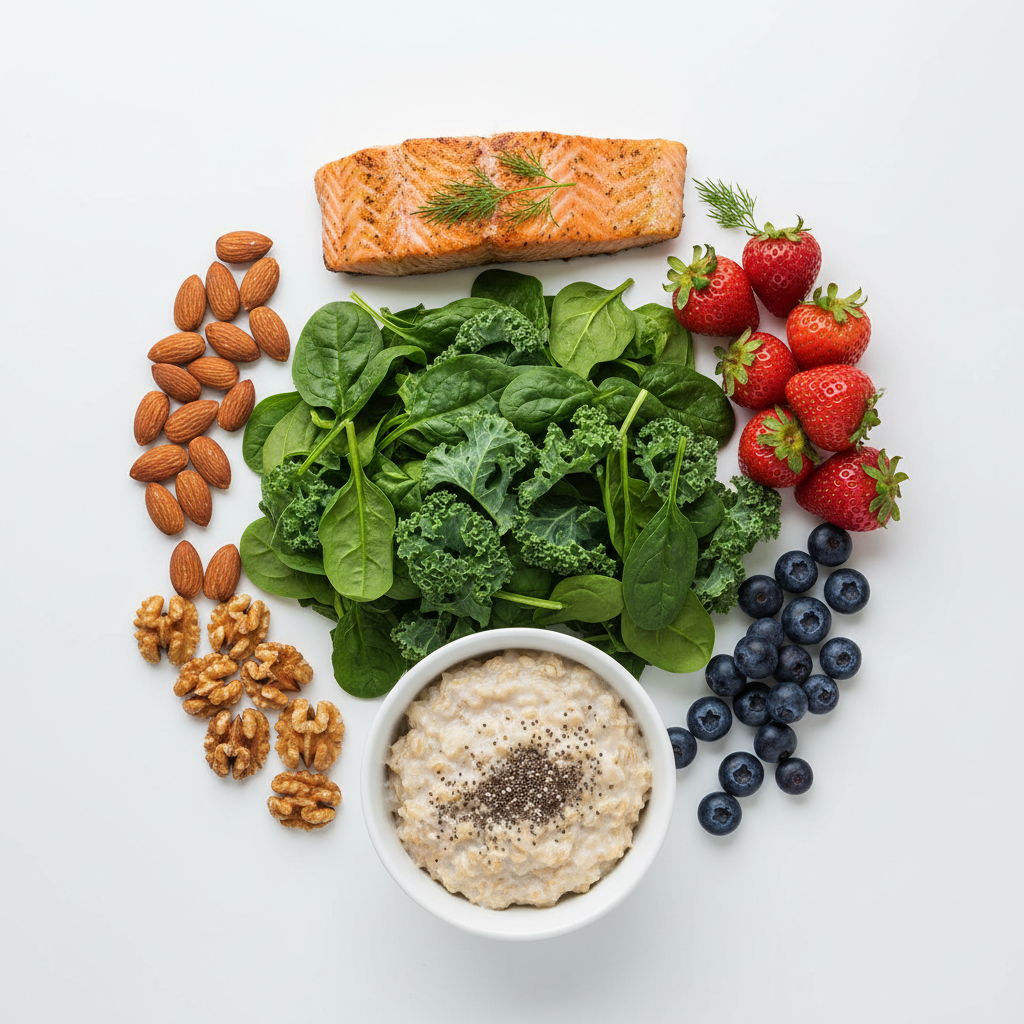
High blood pressure, often called the “silent killer,” affects millions of people globally. It creeps up without symptoms, yet it drastically increases the risk of heart disease and stroke. While medication is a common route for management, it isn’t the only tool in your arsenal. What you put on your plate plays a pivotal role in your cardiovascular health.
If you are looking for a way to manage hypertension without relying solely on prescriptions, or if you simply want to boost your heart health, you are in the right place. Research consistently shows that diet can be as effective as first-line medications for some people. This guide dives deep into the Best Foods to Lower Blood Pressure Naturally, helping you build a lifestyle that supports healthy arteries and a strong heart.
Why Diet Matters: The Science of Blood Pressure
Before we look at specific foods, it is helpful to understand why certain foods work. Your blood pressure isn’t just a random number; it’s influenced by the delicate balance of fluids and salts in your body, the flexibility of your arteries, and the hormones your kidneys produce.
The Best Foods to Lower Blood Pressure Naturally typically share a few specific nutritional characteristics:
- Potassium Power: Potassium acts as a counterbalance to sodium. While sodium increases fluid retention and raises pressure, potassium helps your kidneys flush sodium out. It also helps relax blood vessel walls.
- Magnesium: This mineral is essential for blood vessel relaxation. A deficiency in magnesium can lead to tighter, more constricted vessels, which raises pressure.
- Calcium: Vital for the contraction and relaxation of blood vessel muscle walls.
- Nitric Oxide Boosters: Some foods contain nitrates that the body converts into nitric oxide, a molecule that signals blood vessels to widen (dilate), improving flow and dropping pressure.
By focusing on these nutrients, you can transform your meals into medicine.
The DASH Diet: The Gold Standard
You cannot discuss the Best Foods to Lower Blood Pressure Naturally without mentioning the DASH diet. DASH stands for “Dietary Approaches to Stop Hypertension.” Developed through research funded by the National Institutes of Health, this eating plan is specifically designed to lower blood pressure without medication.
The DASH diet focuses on:
- Fruits and vegetables
- Whole grains
- Lean proteins (poultry, fish)
- Low-fat dairy
- Nuts and seeds
Crucially, it restricts red meat, sweets, and sugary beverages. Studies have shown that people who follow the DASH diet can drop their systolic blood pressure (the top number) by several points in just two weeks. The foods listed below are all DASH-friendly staples.
1. Leafy Greens: The Potassium Heavyweights
When searching for the Best Foods to Lower Blood Pressure Naturally, leafy greens should be at the top of your grocery list. They are incredibly rich in potassium, which helps your kidneys get rid of more sodium through your urine.
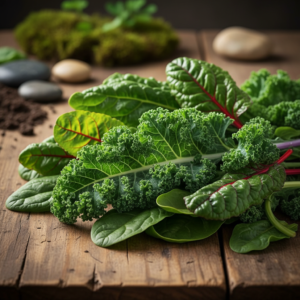
Top Greens to Choose:
- Spinach: A versatile superstar. You can eat it raw in salads or cooked in soups.
- Kale: Dense and fibrous, perfect for baking into chips or massaging into salads.
- Swiss Chard: Contains high levels of potassium and magnesium.
- Collard Greens: A southern staple that is excellent for heart health.
- Beet Greens: Don’t throw away the tops of your beets! They are packed with nutrients.
How to eat them: Avoid buying canned vegetables if possible, as they often have added sodium. Stick to fresh or frozen greens. If you must use canned, rinse them thoroughly to wash away excess salt. Aim for at least one large serving of greens every day. A green smoothie in the morning is an easy way to get your daily dose without much effort.
2. Berries: Nature’s Sweet Medicine
Berries, particularly blueberries and strawberries, are loaded with antioxidant compounds called anthocyanins. These flavonoids are what give berries their vibrant red and blue colors.
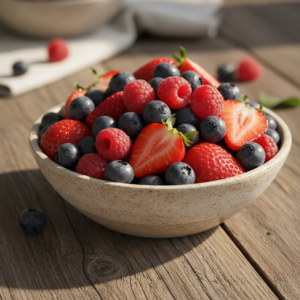
Research has linked high anthocyanin intake to a reduction in blood pressure. In one study involving more than 34,000 people with hypertension, those with the highest intake of anthocyanins (mainly from blueberries and strawberries) had an 8 percent reduction in the risk of high blood pressure compared to those with low intake.
Why They Work:
Anthocyanins help improve the flexibility of arteries and reduce inflammation, allowing blood to flow more smoothly.
Serving Ideas:
- Add them to your morning oatmeal.
- Freeze them for a refreshing dessert.
- Blend them into smoothies with yogurt.
- Eat them by the handful as a snack.
Because they are low in sugar compared to other fruits, berries are an excellent choice for anyone managing weight, which is another crucial factor in controlling hypertension.
3. Beets: The Nitric Oxide Booster
Beets have a distinct, earthy flavor that some people love and others avoid, but there is no denying their power as one of the Best Foods to Lower Blood Pressure Naturally.
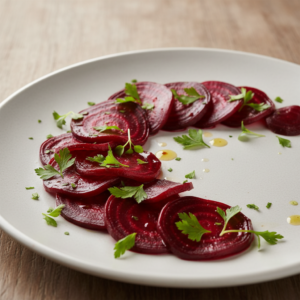
Beets are high in inorganic nitrate. When you eat them, your digestive system converts this nitrate into nitric oxide. As mentioned earlier, nitric oxide is a vasodilator—it relaxes and widens your blood vessels. This effect can be rapid; drinking beetroot juice can lower blood pressure within just a few hours.
Cooked vs. Juice:
While roasted beets are healthy and full of fiber, juicing them concentrates the nitrates, providing a more potent punch for your blood pressure.
How to Incorporate Beets:
- Juice It: Mix beet juice with apple or carrot juice to soften the earthy taste.
- Roast Them: Cube them, toss with a little olive oil, and roast until tender.
- Salad Topper: Use pre-cooked beets (check for no added salt) on top of your leafy greens with goat cheese.
4. Oats: The Breakfast of Champions
Oats are synonymous with heart health for a reason. They are high in a type of soluble fiber called beta-glucan. While beta-glucan is famous for lowering cholesterol, it also plays a significant role in blood pressure management.
Eating whole grains like oats helps you feel full longer, which assists in weight management—a key component of blood pressure control. Furthermore, the fiber helps maintain stable blood sugar levels, preventing the insulin spikes that can damage blood vessels over time.
Choosing the Right Oats:
Avoid the pre-packaged instant oatmeal packets that are loaded with sugar and salt. Instead, opt for:
- Steel-cut oats: The least processed, with a chewy texture.
- Rolled oats (Old Fashioned): Great for cooking or baking.
Pro Tip: Make “overnight oats” by soaking rolled oats in low-fat milk or almond milk with chia seeds and berries. It’s a grab-and-go breakfast that targets blood pressure from multiple angles.
5. Fatty Fish: Omega-3 Protection
Fish are a fantastic source of lean protein, but fatty fish specifically are among the Best Foods to Lower Blood Pressure Naturally.
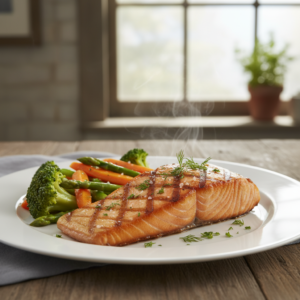
Fatty fish are rich in Omega-3 fatty acids. These essential fats offer significant heart benefits by reducing inflammation and lowering levels of oxylipins, which are blood-vessel-constricting compounds.
The Best Fish for BP:
- Salmon: The most popular choice, readily available and easy to cook.
- Mackerel: Very high in Omega-3s.
- Sardines: An inexpensive, nutrient-dense option.
- Trout: A mild freshwater fish.
- Tuna: Look for Albacore, but be mindful of mercury levels if eating it daily.
Aim for two servings of fatty fish per week. If you do not eat fish, consider algae-based supplements or flaxseeds, though the absorption rate differs slightly.
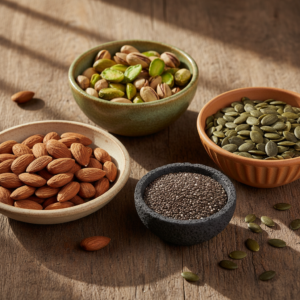
6. Nuts and Seeds: Magnesium Minis
They may be small, but nuts and seeds pack a massive nutritional punch. They are concentrated sources of magnesium and potassium.
Top Picks:
- Pistachios: Studies suggest pistachios are particularly effective at reducing peripheral vascular resistance (tightness in blood vessels) and heart rate.
- Pumpkin Seeds (Pepitas): One of the best plant sources of magnesium available. Also rich in arginine, an amino acid needed to produce nitric oxide.
- Flaxseeds: High in fiber and alpha-linolenic acid (a type of Omega-3). Ground flaxseed is easier for your body to absorb than whole seeds.
- Chia Seeds: Packed with fiber, potassium, and magnesium.
Crucial Warning: Nuts and seeds are often sold salted. Eating salted nuts will defeat the purpose entirely, as the sodium will spike your blood pressure. Always choose raw, unsalted, or dry-roasted varieties without added salt.
7. Legumes: Beans, Lentils, and Peas
Legumes are the unsung heroes of the vegetable world. They are rich in fiber, plant-based protein, magnesium, and potassium. Many studies verify that regular consumption of lentils and beans can lower blood pressure levels in people with and without hypertension.
Because they are digested slowly, they provide a steady supply of energy and prevent blood sugar spikes. They are also incredibly cheap, making them an accessible health food for everyone.
Varieties to Try:
- Lentils: They cook quickly and don’t require soaking. Great for soups.
- Black Beans: High in antioxidants and fiber.
- Kidney Beans: Robust texture, great for chili (use low-sodium recipes!).
- Chickpeas (Garbanzo beans): Delicious in hummus or roasted as a crunchy snack.
8. Bananas: The Convenience Food
When people think of potassium, they think of bananas. A medium-sized banana contains about 420 milligrams of potassium. While other foods (like white beans and avocados) actually have more potassium, bananas are unbeatable for convenience and price.
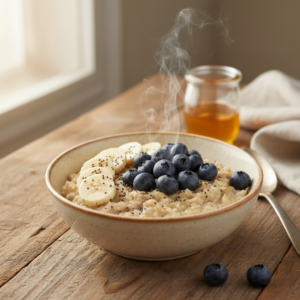
Eating a banana is perhaps the easiest dietary change you can make. They come in their own natural packaging and require no preparation. Slice them onto your oats, blend them into smoothies, or eat them as a mid-afternoon snack to keep your potassium levels topped up.
9. Garlic: Ancient Medicine
Garlic has been used for centuries to treat various ailments, and modern science backs up its reputation as one of the Best Foods to Lower Blood Pressure Naturally.
The magic ingredient in garlic is allicin. Allicin is released when garlic is crushed or chopped. This compound prevents the production of angiotensin II, a substance in the body responsible for increasing blood pressure by causing blood vessels to tighten. By blocking this, garlic helps vessels relax.
Cooking Tip: To maximize the health benefits, chop or crush your fresh garlic and let it sit for a few minutes before throwing it into the heat. This activates the beneficial enzymes. While garlic supplements exist, using fresh garlic in your cooking also helps flavor food without needing to add salt.
10. Dark Chocolate: A Guilt-Free Treat
Yes, you read that correctly. Dark chocolate can be good for your heart.
Dark chocolate and cocoa powder are rich in flavonoids, specifically flavanols. Like the compounds in berries, flavanols promote the formation of nitric oxide, widening blood vessels and easing blood flow.
However, moderation is key. Chocolate is calorie-dense and often high in sugar.
The Rules for Chocolate:
- Go Dark: It must be at least 70% cocoa solids. Milk chocolate does not have enough flavonoids to make a difference and has too much sugar.
- Portion Control: Stick to one small square (about 1 ounce) per day.
- Check Labels: Ensure the first ingredient is cocoa mass or cocoa butter, not sugar.
11. Olive Oil: Healthy Fats
Olive oil is the cornerstone of the Mediterranean diet, another eating pattern famous for heart health. It contains polyphenols, which are inflammation-fighting compounds that can help reduce blood pressure.
Replacing saturated fats (like butter or lard) and trans fats with Extra Virgin Olive Oil helps keep your blood vessels soft and pliable. Use it for salad dressings or drizzle it over cooked vegetables.
Foods to Limit or Avoid
Knowing the Best Foods to Lower Blood Pressure Naturally is only half the battle. You also need to know what to remove from your diet to see results.
- Sodium (Salt): This is public enemy number one. Excess sodium causes your body to hold onto water, increasing blood volume and pressure. The American Heart Association recommends no more than 2,300 mg a day, with an ideal limit of no more than 1,500 mg for most adults.
- Processed Meats: Deli meats, bacon, sausage, and hot dogs are sodium bombs. They are often cured, smoked, or salted.
- Canned Soups: A single can of soup often contains more than your entire daily allowance of sodium.
- Sugary Drinks: High sugar intake is linked to high blood pressure. Soda, sweetened iced teas, and sports drinks should be limited.
- Alcohol: Drinking too much alcohol can raise blood pressure to unhealthy levels. If you drink, do so in moderation (one drink a day for women, two for men).
Integrating These Foods: A Sample Day
It can be overwhelming to change your diet all at once. Here is what a day of eating might look like when you focus on the Best Foods to Lower Blood Pressure Naturally.
Breakfast:
- Bowl of oatmeal (Oats) made with low-fat milk or water.
- Topped with a handful of blueberries (Berries) and a tablespoon of pumpkin seeds (Seeds).
- Sprinkle of cinnamon (can also help regulate blood sugar).
Lunch:
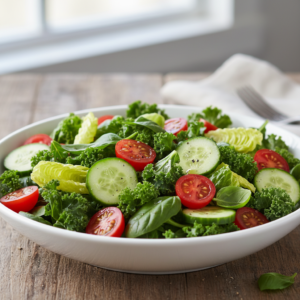
- Large salad with a base of spinach and kale (Leafy Greens).
- Top with grilled salmon (Fatty Fish) or half a cup of chickpeas (Legumes).
- Dressing made from olive oil and lemon juice (Healthy Fats).
Snack:
- A medium banana (Potassium) or a small Greek yogurt.
- Or, carrot sticks dipped in hummus.
Dinner:
- Roasted chicken breast seasoned with garlic and herbs (Garlic).
- Side of roasted beets (Nitric Oxide).
- Steamed broccoli or swiss chard (Leafy Greens/Magnesium).
- Serving of brown rice or quinoa.
Dessert:
- One square of 70% dark chocolate.
Lifestyle Tips to Boost Your Results
Diet is powerful, but it works best when paired with a healthy lifestyle. To get the most out of these foods, consider these additional steps:
Move Your Body
Exercise is a natural beta-blocker. It makes your heart stronger so it can pump more blood with less effort. If your heart works less to pump, the force on your arteries decreases. Aim for 150 minutes of moderate activity, like brisk walking, per week.
Manage Stress
Chronic stress puts your body in “fight or flight” mode, causing a constant flood of hormones that constrict blood vessels. Yoga, meditation, deep breathing, or simply reading a book can help lower your stress levels and your blood pressure.
Get Enough Sleep
Sleep is when your body repairs itself. Chronic sleep deprivation is linked to hypertension. Aim for 7-9 hours of quality sleep per night.
Lose Extra Weight
Blood pressure often increases as weight increases. Losing even a small amount of weight if you’re overweight can have a significant impact on your blood pressure.
Conclusion
Managing high blood pressure is a marathon, not a sprint. It requires consistent choices and a commitment to your long-term health. The good news is that the Best Foods to Lower Blood Pressure Naturally are not only healthy but also delicious.
By filling your plate with leafy greens, colorful berries, hearty oats, fatty fish, and crunchy nuts, you aren’t just lowering a number on a monitor—you are energizing your body, protecting your brain, and strengthening your heart.
Start small. Add a serving of berries to breakfast this week. Swap your side of fries for a side salad next week. Replace your afternoon chips with unsalted pistachios. These small, cumulative changes create a powerful shield against hypertension.
Note: While diet is a powerful tool, always consult with your doctor before making significant changes, especially if you are currently taking medication for hypertension. Food works in synergy with medicine, but it should be a partnership overseen by a healthcare professional.
Take control of your health today, one bite at a time.


Comments (1)
Manage Blood Pressure Naturally | Expert Tipssays:
February 21, 2026 at 12:50 pm[…] you eat has a direct and profound impact on your blood pressure. A heart-healthy diet is not about restriction but about abundance—filling your plate with nutritious foods that […]