


Introduction
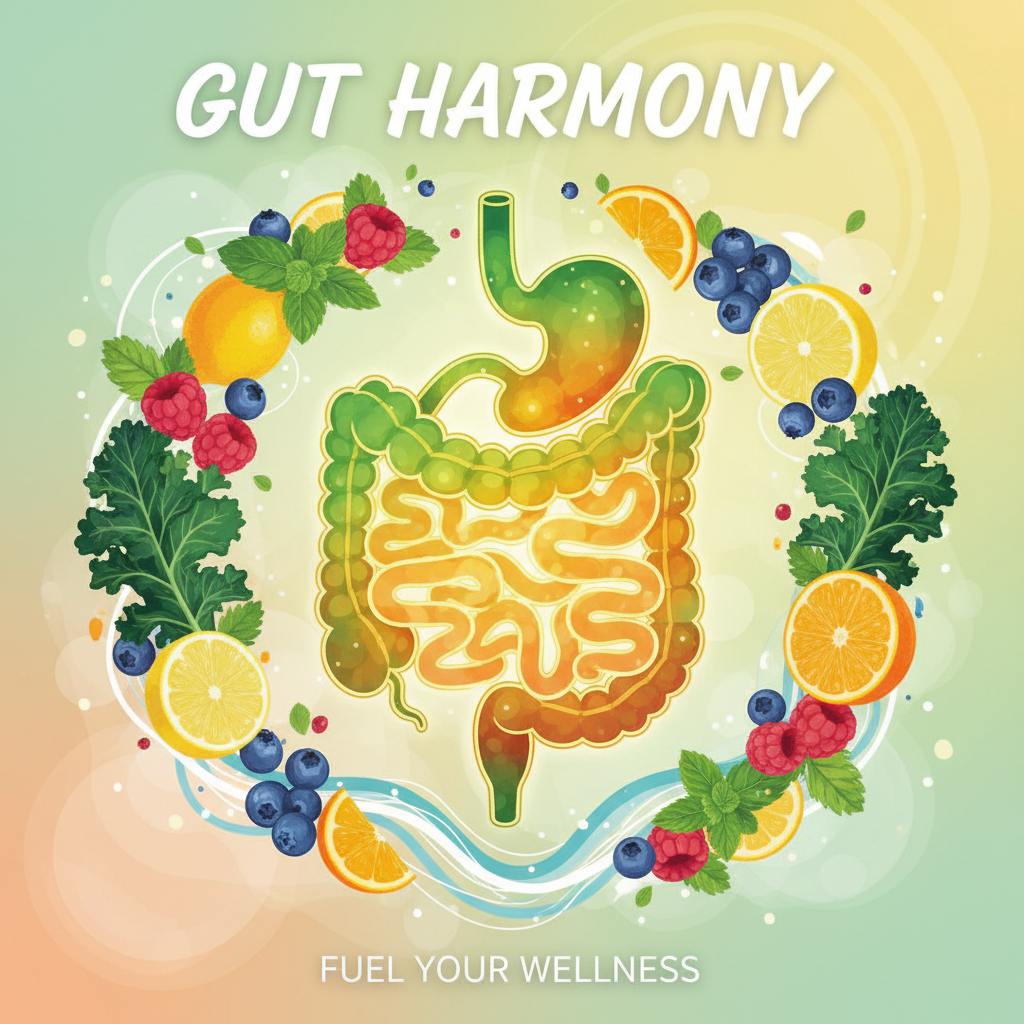
Stomach discomfort can completely derail your day. If you frequently experience gas, sluggishness, or a heavy stomach after meals, you are not alone. Millions of people struggle with digestive issues (bloating), often without realizing that the root cause lies within their microbiome.
Your gut acts as a central control center for your overall well-being. When it functions poorly, your whole body feels the impact. The good news is that you can take control of your digestive health with a few targeted lifestyle and dietary adjustments.
In this comprehensive guide, we will explore the clear signs your gut bacteria are unhealthy, break down the common foods that cause bloating, and show you exactly how to fix poor digestion naturally.
Signs Your Gut Bacteria Are Unhealthy
Your digestive tract contains trillions of bacteria, fungi, and other microbes. Together, they form your gut microbiome. A healthy microbiome helps digest food, supports your immune system, and even regulates your mood. However, when the balance of good and bad bacteria shifts, you can experience a range of physical and mental symptoms. Here are the top signs your gut bacteria are unhealthy.
Constant Stomach Discomfort
An upset stomach is the most obvious indicator of an imbalanced gut. If you frequently experience gas, bloating, constipation, diarrhea, or heartburn, your microbiome is struggling to process food and eliminate waste (bloating). A healthy digestive system should process meals smoothly and quietly.
Unintentional Weight Changes
Gaining or losing weight without making changes to your diet or exercise routine can signal an unhealthy gut. An imbalanced microbiome impairs your body’s ability to absorb nutrients, regulate blood sugar, and store fat. Weight loss may result from small intestinal bacterial overgrowth (SIBO), while weight gain can stem from insulin resistance driven by poor gut health.
Sleep Disturbances and Fatigue
Do you feel constantly tired, even after a full night of rest? The majority of your body’s serotonin—a hormone that affects mood and sleep—is produced in the gut. When your gut bacteria are unhealthy, serotonin production drops, leading to fragmented sleep, insomnia, and chronic fatigue.
Skin Irritation and Breakouts
Gut health directly influences skin health. Inflammation in the gut caused by a poor diet or food allergies can cause “leaking” of certain proteins into the body. This condition can irritate the skin and trigger conditions like eczema, rosacea, and severe acne.
Intense Sugar Cravings
A diet high in processed foods and added sugars feeds harmful bacteria in the gastrointestinal tract. As these bad bacteria multiply, they secrete proteins that make you crave even more sugar. This vicious cycle not only damages your microbiome further but also increases inflammation throughout your body.
Foods That Cause Bloating
Bloating occurs when your gastrointestinal tract fills with air or gas. It makes your stomach feel tight, full, and sometimes painful. While individual triggers vary, certain foods are notorious for causing excess gas. If you want to reduce stomach distension, watch out for these common foods that cause bloating.
Beans and Lentils
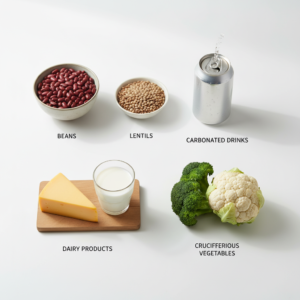
Beans and lentils are incredibly healthy, packing high amounts of protein and fiber. However, they also contain complex sugars called alpha-galactosides. These sugars belong to a group of carbs known as FODMAPs. Your body lacks the enzymes needed to break them down in the small intestine, so they travel to the large intestine where gut bacteria ferment them. This fermentation process produces significant amounts of gas.
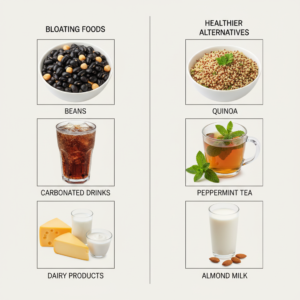
What to eat instead: Soak beans overnight before cooking to reduce FODMAPs, or swap them for easier-to-digest options like quinoa or lean meats.
Carbonated Drinks
Soda, sparkling water, and energy drinks are major culprits behind bloating. These beverages contain high amounts of carbon dioxide gas. When you drink them, you swallow large amounts of this gas, which becomes trapped in your digestive system.
What to drink instead: Opt for plain water flavored with a slice of lemon, cucumber, or peppermint tea, which actively helps soothe the stomach.
Wheat and Gluten
Wheat contains a protein called gluten, which can cause severe bloating, gas, and stomach pain for people with celiac disease or gluten sensitivity. Even for those without a diagnosed condition, the high levels of fructans (another type of FODMAP) in wheat can trigger digestive distress.
What to eat instead: Choose gluten-free alternatives like oats, brown rice, buckwheat, or almond flour.
Dairy Products
Milk, cheese, and ice cream cause severe bloating for individuals who lack lactase, the enzyme required to break down lactose (milk sugar). When lactose passes undigested into the colon, bacteria ferment it, creating trapped gas and stomach cramps.
What to eat instead: Try lactose-free milk or plant-based alternatives like almond, coconut, or oat milk. Hard cheeses like cheddar and Swiss also contain much less lactose than soft cheeses.
Cruciferous Vegetables
Broccoli, cauliflower, cabbage, and Brussels sprouts are packed with essential nutrients, but they also contain raffinose—a sugar that remains undigested until bacteria in your gut ferment it. This fermentation causes a buildup of gas that leads to bloating.
What to eat instead: Spinach, zucchini, sweet potatoes, and green beans are much easier on the digestive tract. If you do eat cruciferous veggies, always cook them thoroughly, as the cooking process softens the fiber and makes it easier to digest.
How to Fix Poor Digestion Naturally
If you are dealing with sluggish digestion or an unhappy microbiome, you do not always need to rely on over-the-counter medications. You can make simple, highly effective lifestyle adjustments to get your gut back on track. Here is how to fix poor digestion naturally.
Eat More Whole-Food Fiber
Fiber is the ultimate broom for your digestive tract. It adds bulk to your stool and helps food move efficiently through your system. Soluble fiber (found in oats, apples, and beans) absorbs water to form a gel, while insoluble fiber (found in whole grains and vegetable skins) sweeps material through the intestines. Aim for 25 to 30 grams of fiber per day, but increase your intake gradually to avoid temporary gas.
Chew Your Food Thoroughly
Digestion begins in your mouth, not your stomach. When you chew your food thoroughly, you break it down into smaller pieces, reducing the workload on your stomach and intestines. Chewing also stimulates the production of saliva, which contains vital digestive enzymes like amylase. Take the time to chew each bite 20 to 30 times before swallowing.
Stay Consistently Hydrated
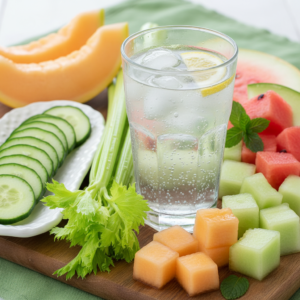
Fiber needs water to work properly. If you consume a high-fiber diet without drinking enough fluids, you will likely experience constipation and severe bloating. Water helps break down food so your body can absorb the nutrients, and it keeps your stool soft. Drink plenty of water throughout the day, and incorporate hydrating foods like cucumbers, celery, and melons into your meals.

Manage Your Stress Levels
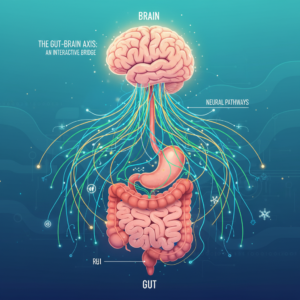
Your brain and your gut are connected by an extensive network of neurons known as the gut-brain axis. When you feel stressed, your body shifts into “fight or flight” mode, which redirects blood flow away from your digestive system. This slows down digestion and can cause cramping, bloating, or diarrhea. Incorporate daily stress-reduction techniques like deep breathing, meditation, or a simple 15-minute walk.
Move Your Body Daily
Regular physical activity helps food travel through your digestive system faster. Exercise stimulates the muscles in your gastrointestinal tract, promoting regular bowel movements and reducing the amount of time gas spends trapped in your intestines. Even a gentle 30-minute walk after dinner can significantly speed up digestion and prevent a heavy, bloated feeling.

Incorporate Probiotics and Prebiotics
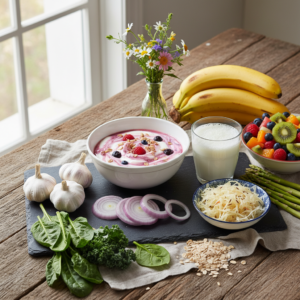
To heal unhealthy gut bacteria, you need to introduce beneficial microbes back into your system. Probiotics are live, healthy bacteria found in fermented foods like yogurt, kefir, sauerkraut, kimchi, and kombucha. Prebiotics, on the other hand, are the specific types of dietary fiber that feed these good bacteria. You can find prebiotics in garlic, onions, asparagus, and bananas. Eating a combination of both will help rebuild a robust, healthy microbiome.
Take Charge of Your Gut Health Today
Living with chronic bloating, fatigue, and stomach discomfort is not something you just have to accept. By learning to identify the signs your gut bacteria are unhealthy, you can take immediate action.
Start by removing the primary foods that cause bloating from your diet and replacing them with easy-to-digest alternatives. Then, focus on the fundamentals: chew your food completely, drink plenty of water, manage your stress, and eat a balanced mix of fiber and probiotics.
Your digestive system is remarkably resilient. If you treat it well, it will heal. Try implementing just one or two of these natural digestion strategies today—like drinking an extra glass of water or swapping a soda for peppermint tea—and notice how much lighter and more energized you feel. If you continue to experience severe digestive issues despite making lifestyle changes, reach out to a gastroenterologist or healthcare professional to rule out underlying conditions. Optimize your gut, and you optimize your life.


Leave a Reply