


Introduction
Stomach discomfort, bloating, and irregular digestion can easily ruin a good day. When your digestive system feels completely out of balance, finding a natural, effective solution becomes your top priority. You might have tried various diets, supplements, or quick fixes, only to find yourself right back where you started.
Enter two incredible root spices that have stood the test of time. Using ginger and turmeric for gut inflammation is not just a passing wellness trend. This powerful combination rests on centuries of traditional use and a growing mountain of scientific evidence.
This post explores exactly why these spices work so well together to heal your digestive tract. You will learn about the specific compounds that make them effective, how they tackle chronic digestive issues, and the best ways to incorporate them into your daily meals.
Understanding the Root of Gut Inflammation
Before we explore how to fix the problem, we need to understand what causes it. Your gastrointestinal tract is a complex, sensitive system. When it functions perfectly, you barely notice it. When it becomes inflamed, it demands your full attention.

Gut inflammation happens when your immune system reacts to triggers in your digestive tract. This response rushes blood and immune cells to the area, causing swelling, heat, and discomfort. While acute inflammation helps heal temporary infections, chronic inflammation leads to long-term digestive distress.
Common signs of an inflamed gut include:
- Persistent bloating and gas after meals
- Abdominal cramping or generalized pain
- Unpredictable bowel habits
- Fatigue and brain fog after eating
- Sensitivities to foods you previously enjoyed
Addressing this chronic state is crucial. When you use ginger and turmeric for gut inflammation, you target the underlying immune response rather than just masking the symptoms.
The Science Behind Ginger and Turmeric for Gut Inflammation
Why do these two specific spices get so much attention? The answer lies in their unique chemical structures. Both ginger and turmeric belong to the Zingiberaceae plant family. They share a similar growth pattern, characterized by thick underground stems called rhizomes.
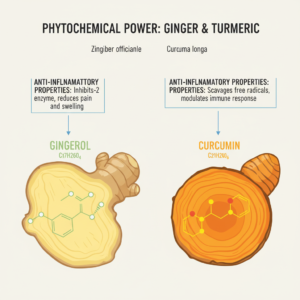
Researchers have spent decades analyzing these rhizomes. They found that both spices contain potent bioactive compounds that directly interact with your body’s inflammatory pathways. Rather than acting like a harsh switch that forcefully shuts down inflammation, they act like a thermostat, gently regulating your immune response back to a normal baseline.
When you leverage ginger and turmeric for gut inflammation, you give your body natural tools to repair damaged tissues. Let’s break down how each spice works on its own before we look at their synergistic magic.
Ginger: The Digestive Powerhouse
Ginger is famous for its sharp, spicy flavor and its ability to settle an upset stomach. But its benefits extend far beyond curing a bout of nausea. The secret behind ginger’s effectiveness is a primary bioactive compound called gingerol.
Enhancing Gastric Motility
A sluggish digestive system often leads to fermentation in the gut, causing severe bloating and gas. Ginger acts as a prokinetic agent. This means it helps speed up the emptying of your stomach. By encouraging food to move smoothly through your digestive tract, ginger prevents the stagnation that breeds discomfort.
Relaxing Intestinal Muscles
If you suffer from painful cramps, ginger can offer immediate relief. It acts as an antispasmodic, meaning it relaxes the smooth muscles in your intestines. This relaxation reduces the harsh contractions that cause abdominal pain.
Fighting Free Radicals
Gingerol also serves as a potent antioxidant. As your digestive system breaks down food, it sometimes produces unstable molecules called free radicals. These molecules can damage your intestinal lining and trigger further immune responses. Ginger neutralizes these free radicals, protecting your delicate gut lining from oxidative stress.
Turmeric: The Master of Inflammation Relief
While ginger excels at keeping things moving, turmeric is the ultimate soothing agent. Turmeric gives curry its vibrant yellow color and earthy flavor. Its therapeutic power comes from an active compound known as curcumin.
Blocking Inflammatory Enzymes
Curcumin is a master at turning down the heat in your body. It actively blocks several enzymes and pathways that trigger inflammation, most notably one called COX-2. By inhibiting these pathways, turmeric reduces the swelling and irritation within the walls of your intestines.
Supporting the Gut Microbiome
Your digestive tract hosts trillions of bacteria, collectively known as the gut microbiome. A healthy microbiome requires a diverse balance of good bacteria. Curcumin promotes the growth of beneficial bacterial strains while keeping harmful strains in check. A balanced microbiome is essential for maintaining a strong, resilient gut barrier.
Strengthening the Intestinal Barrier
Sometimes, the tight junctions in your intestinal wall become loose, a condition often referred to as “leaky gut.” This allows undigested food particles and toxins to slip into your bloodstream, triggering systemic inflammation. Turmeric helps reinforce these tight junctions, keeping your intestinal barrier secure and functioning properly.
Why Combining Them Creates a Synergistic Effect
Using ginger or turmeric alone offers wonderful health benefits. However, combining ginger and turmeric for gut inflammation creates a synergistic effect that amplifies their healing properties.
Ginger enhances blood circulation, which helps deliver turmeric’s active compounds more efficiently throughout your digestive system. Furthermore, ginger works quickly to relieve immediate symptoms like bloating and nausea. Turmeric, on the other hand, works systemically over time to repair tissues and modulate the immune system.
Together, they provide both rapid symptom relief and long-term structural repair. It is a comprehensive approach to digestive wellness that tackles the problem from multiple angles.
Proven Benefits of Ginger and Turmeric for Gut Inflammation
When you commit to adding these spices to your routine, you can expect a wide range of tangible benefits. Here is what the regular use of ginger and turmeric for gut inflammation can do for you:
- Soothes Irritable Bowel Symptoms: The antispasmodic nature of ginger paired with the anti-inflammatory action of turmeric can significantly reduce the frequency and severity of IBS flare-ups.
- Reduces Post-Meal Discomfort: Taking this combination before or after a heavy meal prevents the extreme fullness, gas, and bloating that often follow.
- Accelerates Tissue Healing: If your gut lining has been damaged by stress, poor diet, or medications, the antioxidant properties of both roots provide the ideal environment for cellular repair.
- Enhances Nutrient Absorption: A calm, well-functioning digestive tract absorbs vitamins and minerals much more effectively than an inflamed one.
Practical Ways to Add Ginger and Turmeric to Your Routine
Knowing the benefits of ginger and turmeric for gut inflammation is only half the battle. You need practical, delicious ways to incorporate them into your daily life.
The Golden Rule: Always Add Black Pepper
Before you start consuming large amounts of turmeric, you need to know one crucial fact. Curcumin has very poor bioavailability. This means your body struggles to absorb it on its own. However, piperine, the active compound in black pepper, increases the absorption of curcumin by up to 2,000%. Always add a pinch of black pepper when using turmeric. Consuming it with a healthy fat like coconut oil or olive oil also dramatically improves absorption.
Morning Healing Tea
Start your day by waking up your digestive system gently.

- Grate one inch of fresh ginger and one inch of fresh turmeric root into a mug.
- Pour boiling water over the grated roots and steep for ten minutes.
- Strain the liquid.
- Add a slice of lemon, a pinch of black pepper, and a teaspoon of raw honey.
Anti-Inflammatory Smoothies
Smoothies offer an excellent way to hide the strong flavors of these roots if you prefer a milder taste. Blend a thumb-sized piece of fresh ginger, a teaspoon of ground turmeric, a pinch of black pepper, half a banana, a cup of pineapple (which contains bromelain, another digestive aid), and a cup of coconut milk.
Golden Milk Before Bed
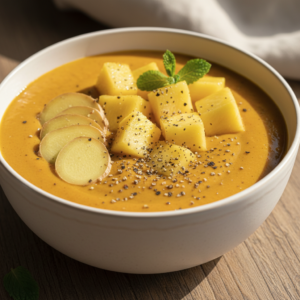
Golden milk is a traditional Ayurvedic remedy perfect for soothing your stomach before sleep. Warm a cup of almond or oat milk on the stove. Whisk in one teaspoon of ground turmeric, half a teaspoon of ground ginger, a pinch of black pepper, and half a teaspoon of coconut oil. Gently simmer for five minutes and sweeten to taste.

Soups and Curries
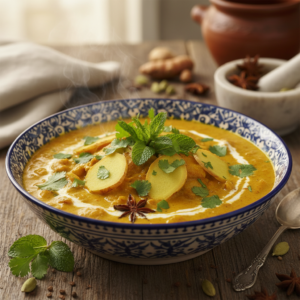
The most traditional way to consume these spices is in savory dishes. Sauté freshly minced ginger and turmeric with onions and garlic as the base for your next lentil soup, chicken curry, or vegetable stir-fry.
Potential Side Effects and Precautions
While ginger and turmeric for gut inflammation are natural and generally safe, they are also highly potent. You should be mindful of how your body reacts when introducing any new compound in high doses.
Ginger can act as a mild blood thinner. If you take anticoagulant medications, you should consult your healthcare provider before consuming large amounts of ginger daily. Similarly, high doses of ginger on an empty stomach might cause mild heartburn in sensitive individuals.
Turmeric is very safe in culinary amounts. However, high-dose curcumin supplements can sometimes trigger stomach upset if taken without food. Additionally, people with a history of kidney stones or gallbladder disease should speak with a doctor before starting a heavy turmeric regimen.
Start slowly. Introduce a single cup of tea or a well-spiced meal into your day. Monitor how your digestion feels, and gradually increase your intake as your body adjusts.

Conclusion
Healing your digestive system takes time, patience, and consistency. By utilizing ginger and turmeric for gut inflammation, you tap into nature’s most effective tools for restoring balance. These powerful roots work harmoniously to soothe irritation, speed up digestion, and rebuild your intestinal health from the inside out. Start small today by brewing a warm cup of ginger and turmeric tea, and take your first step toward a calmer, happier gut.


Leave a Reply