



Introduction
Major sports events are more than just games; they are global spectacles that captivate billions, shape cultures, and drive economies. From the historic tradition of the Olympics to the modern-day frenzy of professional leagues, these events represent the pinnacle of human athletic achievement. They are complex operations that involve years of planning, massive financial investment, and a deep understanding of what moves an audience. This analysis will explore the multifaceted world of major sports events, offering insights into their evolution, impact, and future.
We will look ahead to the LA28 Olympics and its promise of innovation. We will trace the remarkable journey of the FIFA World Cup from its humble beginnings to its current status as a global phenomenon. We will also examine the powerful influence of leagues like the IPL, EPL, and NBA on their respective sports and beyond. Finally, we will delve into the significant economic consequences these major sports events have on their host cities and nations.
Olympics 2028: A New Era for the Games
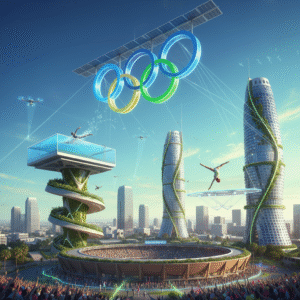
The Olympic Games have long been a symbol of global unity and athletic excellence. As the world looks toward Los Angeles for the 2028 Summer Olympics (LA28), anticipation is building for what promises to be a transformative event. The city, which has hosted the Games twice before in 1932 and 1984, is poised to deliver an experience that is both innovative and deeply rooted in the Olympic spirit. The focus for LA28 is on creating a model for future Games that is financially responsible, environmentally sustainable, and community-focused.
A Focus on Sustainability and Existing Venues
One of the most significant aspects of the LA28 plan is its radical approach to infrastructure. Unlike many previous host cities that undertook massive construction projects, Los Angeles will leverage its wealth of existing world-class venues. The LA28 Games will use facilities like the Rose Bowl, SoFi Stadium, and the LA Memorial Coliseum, which will become the first stadium in history to host events for three separate Olympic Games. This “no-build” philosophy drastically reduces the carbon footprint and financial burden typically associated with hosting.
This strategy aligns with the International Olympic Committee’s (IOC) Olympic Agenda 2020, which encourages hosts to prioritize sustainability and long-term legacy. By repurposing and utilizing pre-existing structures, LA28 is setting a new standard for responsible event management. This approach not only saves billions of dollars but also ensures that the city is not left with underused “white elephant” stadiums after the closing ceremony. The plan highlights a shift in thinking, where the Games adapt to the city, not the other way around.
Anticipated Highlights and New Sports
LA28 is set to be a vibrant celebration of sport and culture. The official sports program will include classics like athletics, swimming, and gymnastics, but it will also feature newer, youth-focused sports. Skateboarding, sport climbing, and surfing, which made their successful debuts in Tokyo 2020, are confirmed to return, reflecting the evolving tastes of a global audience.
Furthermore, LA28 will introduce several new sports to the Olympic program. Flag football, cricket (T20 format), baseball/softball, lacrosse (sixes format), and squash will make their appearance. This expansion is a strategic move to engage new fan bases and reflect the sporting landscape of both the United States and the world. The inclusion of cricket, for instance, is expected to attract a massive audience from South Asia, while flag football taps into America’s most popular sport. These additions are part of a broader effort to make the Olympics more relevant and exciting for a younger, more diverse generation of fans and athletes.
A Radically Fiscally Responsible Games
The financial model for LA28 is another area of innovation. The Games are privately funded, relying on corporate sponsorships, ticket sales, and broadcast rights rather than taxpayer dollars. The estimated budget is nearly $7 billion, but the organizing committee is confident it can deliver the Games with a balanced budget or even a surplus, much like the successful 1984 Los Angeles Olympics.
This fiscal discipline is crucial for the long-term viability of the Olympic movement. In recent decades, many host cities have struggled with massive cost overruns, leading to public skepticism about the value of hosting. LA28 aims to prove that a major sports event can be a financial success without placing a strain on public finances. The focus is on a streamlined, efficient operation that maximizes revenue while controlling costs, providing a blueprint for future hosts to follow. The economic analysis of LA28 shows a commitment to creating a positive financial legacy for Southern California.
The Evolution of the FIFA World Cup
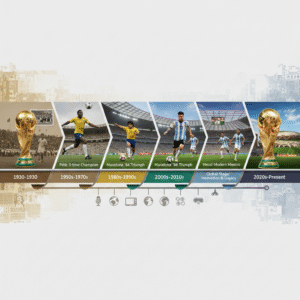
From its inception in 1930 to the global spectacle it is today, the FIFA World Cup has undergone a remarkable transformation. It has grown from a modest 13-team tournament into the most-watched single-sport event on the planet, a testament to the universal appeal of football. This evolution is a story of expansion, commercialization, and technological advancement, reflecting broader changes in global media and society.
From Humble Beginnings to Global Phenomenon
The first FIFA World Cup, hosted and won by Uruguay in 1930, was an invitational event. Only four European teams made the long sea journey to participate alongside nine teams from the Americas. The final match was played in front of over 90,000 spectators, but the event had a limited global reach. Fast forward to the modern era, and the tournament is a different beast entirely.
The expansion of the tournament has been a key driver of its growth. The number of participating teams increased from 16 to 24 in 1982, and then to 32 in 1998. The upcoming 2026 World Cup, co-hosted by the United States, Canada, and Mexico, will feature an expanded format with 48 teams. This growth has made the tournament more inclusive, allowing more nations to dream of participating on the world’s biggest stage. It has also significantly increased the number of matches, creating more content for broadcasters and more opportunities for fan engagement. The qualification process itself has become a major sports event, with hundreds of nations competing over two years to secure a coveted spot.
The Impact of Television and Commercialization
The turning point for the World Cup’s global reach was the advent of television. The 1954 tournament in Switzerland was the first to be televised, and by the 1970 tournament in Mexico, color broadcasts brought the vibrant skills of players like Pelé into living rooms around the world. This exposure turned football stars into global icons and elevated the tournament’s cultural significance.
This increased visibility paved the way for massive commercialization. In the 1970s, FIFA began to embrace corporate sponsorship, and today, the World Cup is a commercial juggernaut. Companies like Coca-Cola, Adidas, and Visa pay hundreds of millions of dollars to be associated with the event. Broadcast rights are sold for billions, making the World Cup FIFA’s primary source of revenue. This commercial success has fueled the growth of football globally, funding development programs and infrastructure projects in member nations.
Technological Advancements on and off the Pitch
Technology has played a crucial role in the evolution of the World Cup, enhancing the experience for players, officials, and fans. On the pitch, innovations like goal-line technology and the Video Assistant Referee (VAR) have been introduced to improve the accuracy of officiating. While VAR has been a source of controversy, it represents a significant effort to reduce human error in critical moments.
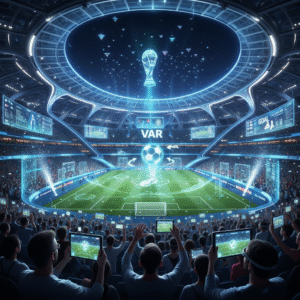
For fans, technology has revolutionized how they consume the tournament. High-definition broadcasts, multi-camera angles, and expert analysis provide an immersive viewing experience. The rise of social media has created a global conversation around the event, with fans sharing moments, debating results, and engaging with content in real-time. Mobile apps provide live scores, stats, and news, ensuring that fans can stay connected to the action no matter where they are. This continuous analysis of major sports events through digital platforms has become an integral part of the fan experience.
The Power of Professional Leagues: IPL, EPL, and NBA
While international tournaments like the Olympics and World Cup happen every few years, professional sports leagues provide a consistent diet of high-level competition that captivates fans for months on end. Leagues like the Indian Premier League (IPL) in cricket, the English Premier League (EPL) in football, and the National Basketball Association (NBA) in the U.S. have become global entertainment powerhouses. They exert a profound influence not just on their respective sports, but on culture, business, and media.

The Indian Premier League (IPL): A Sporting Revolution
Launched in 2008, the IPL transformed the sport of cricket. By combining the fast-paced Twenty20 format with a city-based franchise model, celebrity owners, and massive player auctions, it created a product that was as much about entertainment as it was about sport. The league quickly became one of the most valuable and watched sports leagues in the world.
The IPL’s impact has been immense. It has provided Indian cricketers with unprecedented financial opportunities and exposure. It has also become a global platform, attracting the best players from around the world to compete alongside Indian talent. This has raised the overall standard of T20 cricket and created a new generation of stars. Economically, the IPL is a behemoth, generating billions in revenue from broadcast rights, sponsorships, and merchandise. Its success has inspired the creation of similar T20 leagues globally, fundamentally changing the economics and calendar of international cricket.
The English Premier League (EPL): A Global Football Brand
The EPL was formed in 1992 when England’s top football clubs broke away from the Football League to take advantage of a lucrative television rights deal. This move revolutionized English football, turning it into a slick, marketable product with a global audience. Today, the EPL is the most-watched sports league in the world, broadcast in over 200 countries to a potential audience of billions.
The league’s success is built on a combination of high-quality football, historic rivalries, and star players from every corner of the globe. Clubs like Manchester United, Liverpool, and Arsenal have become global brands with massive international fan bases. This global appeal drives enormous commercial revenue, allowing clubs to pay astronomical transfer fees and wages to attract the world’s best talent. The EPL’s influence extends beyond the pitch, impacting fashion, music, and popular culture. It serves as a powerful example of how a national league can achieve unparalleled global reach and cultural resonance.
The National Basketball Association (NBA): Culture and Commerce
The NBA has masterfully blended sport, entertainment, and culture to become a global force. Under the leadership of former commissioner David Stern, the league focused on marketing its star players, such as Michael Jordan, Magic Johnson, and Larry Bird. This player-centric approach turned athletes into cultural icons and helped the NBA expand its footprint internationally.
Today, the NBA is one of the most progressive and socially conscious sports leagues. Its players are encouraged to use their platforms to speak out on social issues, making the league a prominent voice in cultural conversations. The NBA has also been a pioneer in digital media and fan engagement, using platforms like social media and its League Pass streaming service to connect with a younger, more global audience. The league’s influence is visible in fashion, with sneaker culture being a multi-billion dollar industry driven by NBA stars. The NBA’s success provides a powerful case study in how to build a major sports event brand that resonates deeply with fans on a cultural level.
The Economic Impact of Major Sports Events
Hosting a major sports event is a massive undertaking with significant economic consequences. Proponents argue that these events are a catalyst for economic growth, boosting tourism, creating jobs, and spurring infrastructure development. Critics, however, point to the high costs, potential for financial loss, and the displacement of local communities. A comprehensive analysis reveals a complex picture with both substantial benefits and considerable risks.

The Tourism and Hospitality Boom
One of the most immediate and visible economic impacts of hosting a major sports event is the surge in tourism. Hundreds of thousands of fans, athletes, officials, and media personnel descend on the host city, creating a massive demand for accommodation, food, transportation, and entertainment. This influx of visitors provides a significant revenue boost for the local hospitality industry. Hotels operate at full capacity, restaurants and bars are packed, and local attractions see a spike in visitor numbers.
For example, the 2012 London Olympics saw an estimated 590,000 “Olympic tourists” visit the city, contributing to a significant increase in visitor spending. Similarly, the Super Bowl in the United States generates hundreds of millions of dollars for the host city’s economy in a single week. This short-term economic stimulus can be a major boon for local businesses, providing them with a once-in-a-generation revenue opportunity.
Infrastructure Development and Urban Regeneration
Major sports events often act as a deadline and a catalyst for much-needed infrastructure projects. Host cities frequently invest in upgrading transportation networks, such as airports, public transit systems, and roads, to accommodate the influx of visitors. They also build new sporting venues and accommodation facilities. While these projects are initially intended for the event, they can leave a lasting legacy of improved infrastructure for residents.
The 1992 Barcelona Olympics is often cited as a prime example of successful urban regeneration. The city used the Games as an opportunity to redevelop its waterfront, build new roads, and improve its public spaces, transforming itself into one of Europe’s most popular tourist destinations. However, the legacy is not always positive. In some cases, cities are left with expensive, specialized venues that are difficult to maintain and have limited use after the event, as seen in Athens after the 2004 Olympics. A successful legacy depends on careful planning and a focus on projects that will serve the community long after the athletes have gone home.
Job Creation and Economic Risks
The organization and execution of a major sports event create a significant number of jobs. These range from construction jobs for building new venues to temporary roles in security, hospitality, and event management. This can provide a welcome, albeit often short-term, boost to local employment.

However, the economic analysis of major sports events must also consider the substantial financial risks. The cost of hosting can run into the tens of billions of dollars, and cost overruns are common. These expenses are often borne by taxpayers. If revenue from ticket sales, sponsorships, and tourism does not meet expectations, the host city can be left with a significant financial deficit. The 1976 Montreal Olympics, for example, left the city with a debt that took three decades to pay off. Therefore, while the potential economic rewards are high, the financial stakes are even higher, requiring meticulous budgeting and risk management. The overall economic impact is a complex calculation of short-term gains versus long-term financial sustainability and legacy.


Leave a Reply