



Introduction
High blood pressure, or hypertension, is a common health concern affecting millions worldwide. It’s often called a “silent killer” because it can exist for years without symptoms while quietly damaging your cardiovascular system. If you’ve been diagnosed with high blood pressure or are looking for ways to prevent it, you’ve likely heard a common piece of advice: get more exercise. This leads to a crucial question many people ask: can exercise lower blood pressure?
The answer is a resounding yes. Regular physical activity is one of the most effective non-pharmacological strategies for managing and lowering blood pressure. It’s a cornerstone of a heart-healthy lifestyle, recommended by health organizations across the globe. But how exactly does it work? What types of exercise are best, and how much do you need to do to see a real difference?
This comprehensive guide will explore the powerful connection between physical activity and your blood pressure. We will delve into the science behind how movement benefits your arteries, explore different types of effective exercises, and provide actionable advice to help you integrate physical activity into your daily life. Whether you’re a seasoned athlete or just starting your fitness journey, you’ll find the information you need to take control of your cardiovascular health.
Understanding Blood Pressure and Why It Matters
Before we explore the solutions, it’s important to understand the problem. Blood pressure is the force of your blood pushing against the walls of your arteries as your heart pumps it around your body. It’s measured with two numbers:
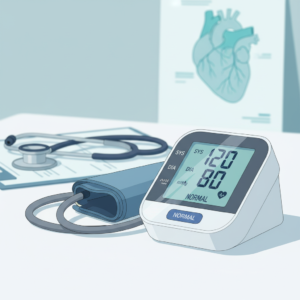
- Systolic pressure (the top number): This measures the pressure in your arteries when your heart beats.
- Diastolic pressure (the bottom number): This measures the pressure in your arteries when your heart rests between beats.
A normal blood pressure reading is typically below 120/80 mm Hg. High blood pressure is diagnosed when your readings are consistently 130/80 mm Hg or higher.
Over time, elevated blood pressure forces your heart to work harder than it should. This extra strain can damage your arteries, leading to serious health complications like heart attack, stroke, kidney disease, and vision loss. The goal of managing blood pressure is to reduce this strain and protect your vital organs. While medication is a powerful tool, lifestyle changes—especially exercise—play a fundamental and empowering role in achieving and maintaining healthy blood pressure levels.
The Science: How Can Exercise Lower Blood Pressure?
The positive effects of exercise on blood pressure are not just a coincidence; they are rooted in powerful physiological changes within your body. When you engage in regular physical activity, you are essentially training your entire cardiovascular system to operate more efficiently. Let’s break down the primary mechanisms at play.
Reducing Blood Vessel Stiffness
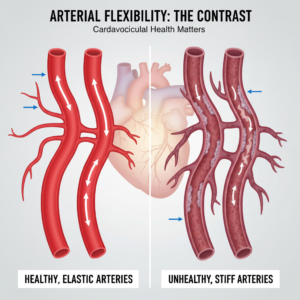
One of the most significant ways exercise helps is by improving the flexibility of your blood vessels. Think of your arteries as flexible hoses. When they are young and healthy, they expand and contract easily to accommodate the flow of blood. As we age or due to factors like a sedentary lifestyle, these arteries can become stiff and less pliable. This condition is known as arterial stiffness.
When arteries are stiff, your heart has to pump with more force to push blood through them, which directly increases your blood pressure. Regular exercise combats this process. Physical activity stimulates the production of nitric oxide, a molecule that acts as a potent vasodilator. A vasodilator is a substance that relaxes the inner muscles of your blood vessels, causing them to widen.
This widening effect has two major benefits. First, it immediately lowers the resistance to blood flow, which can lead to a temporary drop in blood pressure right after a workout (a phenomenon known as post-exercise hypotension). Second, and more importantly, consistent exercise leads to long-term improvements in nitric oxide production and endothelial function (the health of the inner lining of your blood vessels). This makes your arteries more elastic and less stiff over time, resulting in a sustained reduction in your resting blood pressure. Essentially, exercise helps your arteries regain their youthful flexibility, allowing blood to flow more freely and with less force.
Strengthening Your Heart
Your heart is a muscle, and just like any other muscle, it gets stronger with exercise. A stronger heart can pump more blood with less effort. If your heart doesn’t have to work as hard to circulate blood, the force on your arteries decreases, which in turn lowers your blood pressure.
A sedentary person’s heart might be less efficient, needing to beat more frequently to supply the body with oxygenated blood. An athlete’s heart, by contrast, is a powerful pump that can move a larger volume of blood with each beat. This is why well-conditioned individuals often have a lower resting heart rate. By making your heart a more efficient pump, exercise directly reduces the day-to-day strain on your entire cardiovascular system.
Aiding in Weight Management
Excess body weight is a major risk factor for high blood pressure. Carrying extra weight, particularly around your midsection, increases the volume of blood needed to supply oxygen and nutrients to your tissues. This increased blood volume translates to more pressure on your artery walls. Additionally, obesity is often linked to other conditions like sleep apnea, which can also raise blood pressure.
Exercise is a critical component of any weight management plan. It burns calories, helps build lean muscle mass (which boosts metabolism), and can help you achieve and maintain a healthy weight. Studies have shown that even a modest weight loss of 5 to 10 pounds can produce a significant reduction in blood pressure. By combining regular physical activity with a balanced diet, you can create a powerful synergy that not only lowers your blood pressure but also improves your overall health.
What Types of Exercise Lower Blood Pressure?
When it comes to lowering blood pressure, consistency is more important than intensity. The good news is that a variety of activities can be effective. The best exercise program is one that you enjoy and can stick with for the long term. Let’s explore the three main categories of exercise that have been proven to help manage hypertension.

1. Aerobic (Cardiovascular) Exercise
Aerobic exercise, also known as cardio, is any activity that raises your heart rate and makes you breathe harder. For a long time, it has been considered the gold standard for lowering blood pressure. Activities like brisk walking, jogging, cycling, swimming, and dancing are all excellent forms of aerobic exercise.
How it helps: Cardio is particularly effective at strengthening the heart and improving the elasticity of blood vessels. It trains your heart to pump blood more efficiently and promotes the release of nitric oxide. The American Heart Association recommends at least 150 minutes of moderate-intensity aerobic activity or 75 minutes of vigorous-intensity aerobic activity per week.
- Moderate Intensity: You can talk, but not sing, during the activity. Examples include brisk walking (around 3 miles per hour), water aerobics, dancing, or cycling on level ground.
- Vigorous Intensity: You will only be able to speak a few words at a time. Examples include jogging or running, swimming laps, hiking uphill, or cycling at a fast pace.
For optimal results, aim for at least 30 minutes of moderate-intensity activity on most, if not all, days of the week. If you’re short on time, you can even break this up into shorter sessions, such as three 10-minute walks throughout the day.
2. Strength (Resistance) Training
For many years, individuals with high blood pressure were cautioned against strength training due to the temporary spike in blood pressure that can occur while lifting heavy weights. However, modern research has turned this advice on its head. Regular strength training is now recognized as a highly beneficial component of a blood pressure management plan.

How it helps: While a single session can cause a temporary rise, the long-term effect of consistent resistance training is a lower resting blood pressure. Building muscle mass increases your resting metabolism, which aids in weight management. Furthermore, some studies suggest that the act of muscle contraction and relaxation during lifting may also have a positive effect on blood vessel flexibility over time. A well-rounded strength training program can lead to blood pressure reductions comparable to those seen with aerobic exercise.
Best practices for strength training:
- Focus on proper form: Always prioritize correct technique over lifting heavy weight to prevent injury.
- Breathe continuously: Never hold your breath during a lift. Holding your breath (the Valsalva maneuver) can cause a sharp, dangerous increase in blood pressure. Exhale during the exertion phase (the lift) and inhale during the easier phase (the release).
- Start light: Begin with lighter weights or resistance bands and gradually increase the challenge as you get stronger.
- Aim for a full-body workout: Target all major muscle groups (legs, hips, back, abdomen, chest, shoulders, and arms) two to three times per week.
Examples of strength training include lifting free weights, using weight machines, working with resistance bands, or performing bodyweight exercises like push-ups, squats, and lunges.
3. Isometric (Static) Exercises
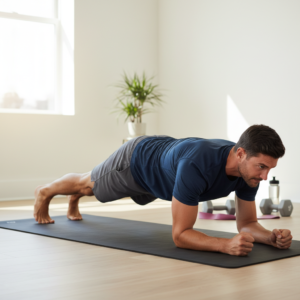
Perhaps the most surprising and recent discovery in exercise and blood pressure research is the effectiveness of isometric exercises. These are static exercises where you contract a muscle or group of muscles without moving the surrounding joints. Think of holding a plank, a wall sit, or using a handgrip dynamometer.
How it helps: Recent meta-analyses, which review data from numerous studies, have found that isometric exercises may be even more effective at lowering blood pressure than traditional aerobic or strength training. The exact mechanism is still being studied, but one leading theory relates to the blood flow dynamics during the exercise.
When you hold an isometric contraction, you temporarily restrict blood flow to the working muscle. When you release the contraction, there is a sudden surge of blood back into the area. This repeated process is thought to trigger a significant release of vasodilating substances like nitric oxide, leading to greater improvements in blood vessel function and a more pronounced reduction in resting blood pressure.
How to incorporate isometric exercises:
- Wall Sits: Stand with your back against a wall and slide down until your knees are at a 90-degree angle, as if sitting in an invisible chair. Hold this position.
- Planks: Hold a push-up position, resting on your forearms or hands, keeping your body in a straight line from head to heels.
- Handgrip Exercises: Squeeze a handgrip dynamometer or a stress ball for a set amount of time.
A common protocol used in studies involves holding a contraction for about two minutes, resting for one to three minutes, and repeating this three to four times. Performing these exercises just a few times a week can yield impressive results.
Creating Your Exercise Plan: Practical Steps for Success
Knowing that exercise can lower blood pressure is the first step. The next, more important step is putting that knowledge into action. Creating a sustainable exercise plan is key to achieving long-term cardiovascular health.

Starting Safely: Consult Your Doctor
Before beginning any new exercise program, it is crucial to speak with your doctor. This is especially important if you have a diagnosis of hypertension, are over the age of 45, or have other chronic health conditions like diabetes or heart disease. Your doctor can confirm that you are healthy enough for physical activity and may provide specific recommendations or limitations based on your personal health profile. They can also advise on how to monitor your blood pressure and what signs to watch out for.
Setting Realistic Goals
One of the biggest mistakes people make is trying to do too much, too soon. If you’ve been sedentary for a long time, starting with an intense, five-day-a-week gym routine is a recipe for burnout and injury. Instead, start small and build gradually.
- Begin with 10-15 minutes: Your initial goal could be as simple as a 10-minute walk each day. That’s achievable and helps build the habit.
- Increase duration slowly: Once you’re comfortable, add 5 minutes to your sessions each week. Work your way up to the recommended 30 minutes per day.
- Incorporate variety: To prevent boredom and work different muscle groups, mix up your activities. Maybe you walk three days a week, do a strength training session twice a week, and try a new activity like swimming or dancing on the weekend.
Making Exercise a Habit
The key to long-term success is integrating physical activity into the fabric of your daily life. It shouldn’t feel like a chore; it should be a non-negotiable part of your routine, just like brushing your teeth.
- Schedule your workouts: Block out time in your calendar for exercise. Treat these appointments with the same importance as a meeting with your boss.
- Find an activity you love: You are far more likely to stick with an activity that you genuinely enjoy. If you hate running, don’t force yourself to run. Explore other options like hiking, cycling, team sports, yoga, or martial arts.
- Exercise with a partner: A workout buddy can provide motivation, accountability, and social support. It’s much harder to skip a session when you know someone is waiting for you.
- Listen to your body: It’s normal to feel some muscle soreness when you start a new routine. However, you should not feel sharp or persistent pain. Rest days are just as important as workout days for recovery and muscle repair.
Lifestyle Integration: Moving More Throughout the Day
Formal exercise is fantastic, but your overall daily activity level also matters. Look for opportunities to move more outside of your scheduled workouts. This concept, known as Non-Exercise Activity Thermogenesis (NEAT), can have a significant impact on your health and calorie expenditure.

- Take the stairs instead of the elevator.
- Park farther away from the entrance at the grocery store or office.
- Get up and stretch or walk around for a few minutes every hour if you have a desk job.
- Do chores with more vigor: Gardening, raking leaves, and vacuuming can all count as light physical activity.
- Go for a walk during your lunch break or while you’re on a phone call.
Every little bit of movement adds up and contributes to better cardiovascular health and a lower blood pressure reading.
How Quickly Can Exercise Lower Blood Pressure?
The timeline for seeing results can vary from person to person, depending on factors like your starting blood pressure, the consistency and type of your exercise routine, and other lifestyle factors like diet and stress levels.
However, many people can see measurable improvements relatively quickly. The acute effect of post-exercise hypotension can lower your blood pressure for several hours immediately following a workout. For long-term, sustained changes to your resting blood pressure, you generally need to be consistent for about one to three months.
Regular physical activity can lower systolic blood pressure by an average of 5 to 8 mm Hg. For some individuals, this reduction can be enough to avoid, delay, or reduce the need for medication. It’s a powerful demonstration of how much control you can have over your own health. The key is to view exercise not as a temporary fix, but as a lifelong commitment to your well-being.
The Verdict: Exercise Is Essential Medicine
So, can exercise lower blood pressure? The evidence is clear and overwhelming: yes, it can, and it does so powerfully and effectively. From strengthening your heart muscle to making your blood vessels more flexible and aiding in weight control, regular physical activity addresses the root causes of hypertension in multiple ways.
Whether you choose brisk walking, cycling, strength training, or wall sits, the most important thing is to get moving. By incorporating a mix of aerobic, strength, and even isometric exercises into your routine, you are giving your body one of the best tools available to fight high blood pressure.
Start slowly, choose activities you enjoy, and make movement a non-negotiable part of your day. By embracing an active lifestyle, you are not just working to lower a number on a cuff; you are investing in a longer, healthier, and more vibrant life. Take that first step today—your heart will thank you for it.


Leave a Reply