


Introduction
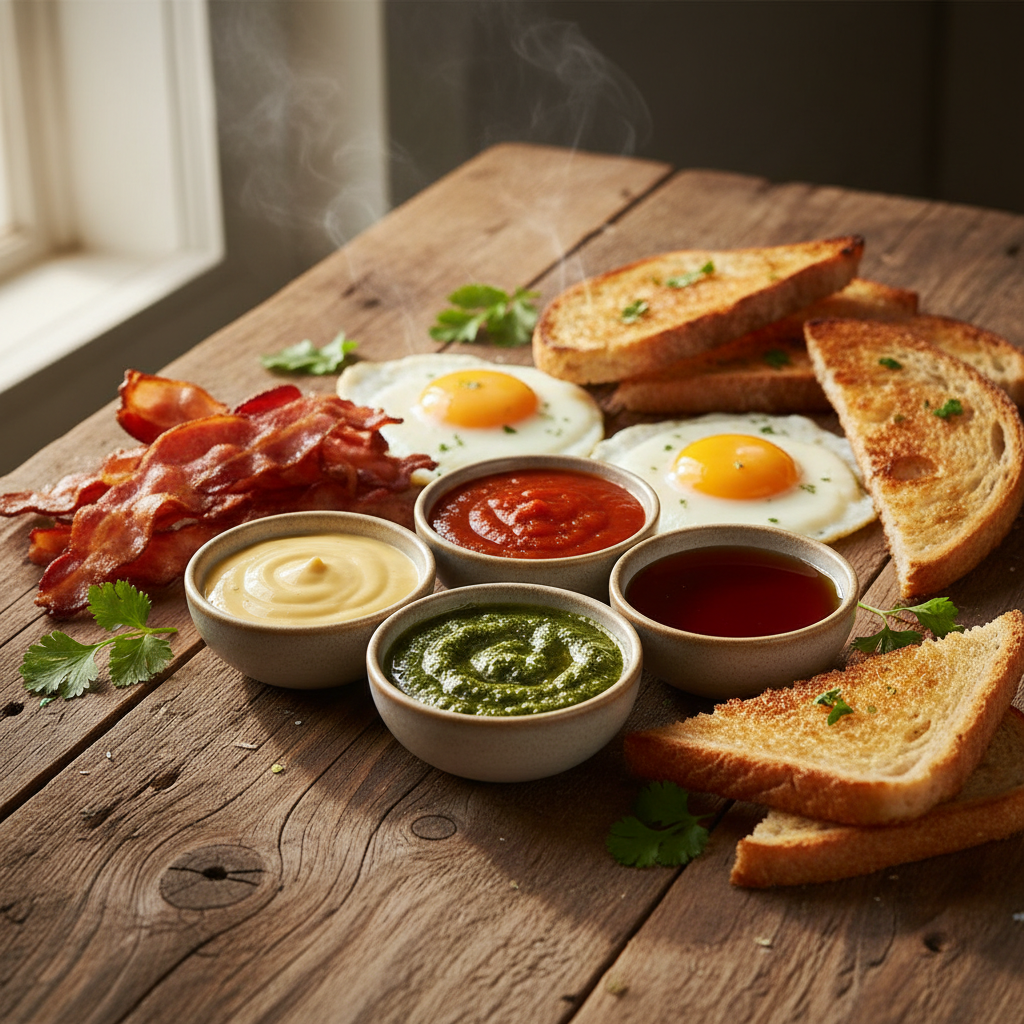
Breakfast is often hailed as the most important meal of the day, but let’s be honest—it can also be the driest. We spend ages perfecting the fluffy scramble or getting that bacon crispy, yet we frequently overlook the liquid gold that ties it all together. Whether you are a culinary novice or a seasoned brunch host, understanding the vast world of morning toppings is essential. Welcome to The Ultimate Guide to Breakfast Sauces & Condiments, your roadmap to transforming ordinary mornings into extraordinary culinary experiences.
In this guide, we aren’t just talking about ketchup or maple syrup. We are diving deep into global traditions, modern trends, and the specific chemistry that makes certain sauces sing when paired with eggs, carbs, and meats. By the end of this read, you’ll never look at a plain fried egg the same way again.
Why Breakfast Sauces Matter
Think about your favorite brunch spot. What makes their breakfast sandwich superior to the one you make at home? It isn’t usually the egg or the bread; it’s the sauce. A well-crafted condiment provides three essential elements to a dish: moisture, acidity, and fat. These components cut through the richness of yolks and breakfast meats, balancing the palate and enhancing flavor perception.
The Ultimate Guide to Breakfast Sauces & Condiments isn’t just a list; it is a philosophy. It is about understanding that breakfast deserves the same culinary respect as dinner. From the bright, herbaceous kick of a chimichurri to the creamy, comforting blanket of a classic hollandaise, sauces are the unseen heroes of the morning table.
The Classics: Mastering the Essentials
Before we explore the avant-garde, we must pay homage to the pillars of breakfast condiments. These are the sauces that have stood the test of time, appearing on menus from Paris to New York.
The Holy Grail: Hollandaise
No discussion of breakfast sauces is complete without Hollandaise. As one of the five French mother sauces, it is the backbone of the Eggs Benedict. It is an emulsion of egg yolk, liquid butter, and lemon juice, seasoned with salt and cayenne.
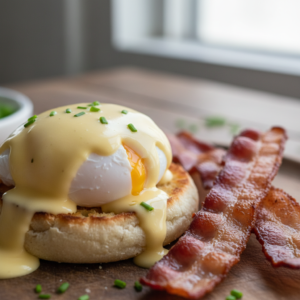
Making it can be intimidating, but the payoff is immense. The texture should be silk-like, coating the spoon but not running off it. It brings a rich, buttery mouthfeel that pairs perfectly with poached eggs and salty ham.
Ketchup: The Divisive Giant
Ketchup on eggs is a battleground topic. For some, the sweetness and vinegar tang are the perfect foil for salty bacon and savory eggs. For others, it masks the delicate flavor of a soft scramble. Regardless of where you stand, high-quality, perhaps even homemade, ketchup with notes of clove and cinnamon can elevate a breakfast hash significantly.
Hot Sauce: Waking Up the Palate
From Tabasco to Sriracha, hot sauce is the caffeine of the condiment world. It wakes up your taste buds. Vinegar-based hot sauces cut through the fat of sausage and cheese, while fermented chili pastes add depth to vegetable-heavy omelets.
Global Inspirations: Breakfast Beyond Borders
If you want to truly embrace The Ultimate Guide to Breakfast Sauces & Condiments, you have to look at how the rest of the world wakes up.
The Mediterranean Touch: Pesto and Aioli
In many Mediterranean regions, breakfast leans savory and fresh.
- Pesto: While traditionally associated with pasta, a dollop of basil pesto on a fried egg is a revelation. The garlic, pine nuts, and Parmesan add a savory punch that standard salt and pepper cannot achieve.
- Aioli: Garlic mayonnaise, or aioli, is superb on breakfast sandwiches. A lemon-garlic aioli bridges the gap between a brioche bun and a sausage patty, adding creaminess and a zesty kick.
Latin American Heat: Chimichurri and Salsa
- Chimichurri: This uncooked sauce from Argentina is typically used for grilled meat, but it is incredible on steak and eggs. Made with chopped fresh parsley, oregano, garlic, olive oil, vinegar, and red pepper flakes, it provides an acidic, herbal contrast to heavy morning proteins.
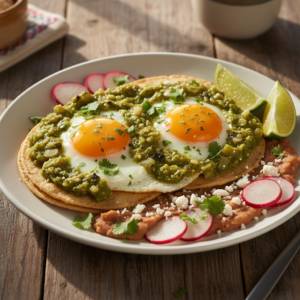
- Salsa Verde: A staple in Mexican breakfasts, specifically Huevos Rancheros or Chilaquiles. The tomatillo base offers a tartness that cuts right through fried tortillas and crema.
Asian Influences: Soy and Chili Crisp
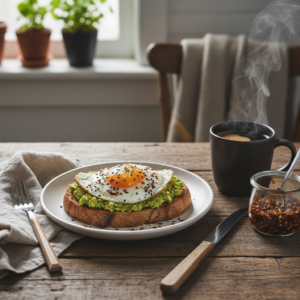
The breakfast landscape is changing. Chili crisp—a condiment made of fried chili peppers, Sichuan peppercorns, spices, and oil—has taken the breakfast world by storm. Spooning this over a soft-boiled egg on avocado toast adds texture, heat, and an addictive umami quality.
Pairing Science: What Goes with What?
The Ultimate Guide to Breakfast Sauces & Condiments would fail you if it didn’t tell you how to use these flavors. Pairing is an art. You don’t want a heavy sauce drowning a delicate dish, nor do you want a weak sauce lost in a hearty one.
The Best Sauces for Eggs
Eggs are a blank canvas.
- Fried Eggs: Need something with texture. Chili crisp or Chimichurri works best here. The oil in the sauce fries the egg slightly more upon contact, adding flavor to the whites.
- Scrambled Eggs: These are soft and creamy. Pesto or a Truffle Aioli folds in beautifully without ruining the texture. Avoid watery sauces like thin salsa, which can make scrambled eggs weep liquid.
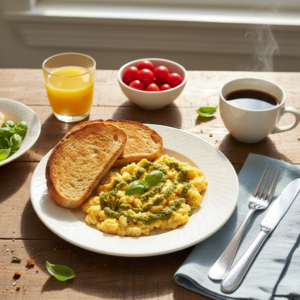
- Poached Eggs: These require coating sauces. Hollandaise is king, but a Cheese Mornay sauce (a Béchamel with cheese) is a decadent runner-up.
The Best Sauces for Breakfast Sandwiches
A sandwich needs a binder. You need a sauce that sticks to the bread and prevents the ingredients from sliding out.
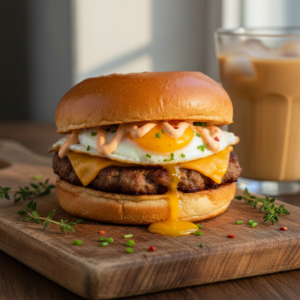
- Spicy Mayo/Sriracha Mayo: The heat cuts the fat of bacon or sausage, while the mayo protects the bun from getting soggy.
- Maple-Mustard: For sandwiches using breakfast sausage, this sweet and savory combo mimics the flavor profile of pancakes and sausage without the fork.
- Tomato Jam: A more sophisticated alternative to ketchup. It’s thicker, sweeter, and has chunks of fruit that add a great mouthfeel against a crisp English muffin.
The Best Sauces for Baked Eggs (Shakshuka Style)
Baked eggs are cooked in the sauce, so the sauce is the main event.
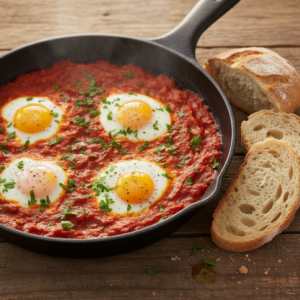
- Spicy Tomato Sauce: The classic Shakshuka base with cumin, paprika, and onions.
- Creamed Spinach/Green Shakshuka: Using a base of heavy cream, spinach, feta, and herbs creates a rich, verdant dish.
Emerging Trends: What 2026 Holds for Breakfast
As we look toward the future in The Ultimate Guide to Breakfast Sauces & Condiments, we see specific trends bubbling up for 2026. The culinary world is moving toward “Swalty” (Sweet and Salty) and hyper-regional specificity.
The Rise of “Swalty” Infusions
We are moving beyond simple maple syrup. Expect to see glazes that combine sugar with savory or spicy elements.
- Miso-Maple Syrup: Miso adds a deep, fermented saltiness to maple syrup. This is poised to be huge on chicken and waffles or French toast.
- Hot Honey: While popular now, 2026 will see specific varietals, like Habanero-infused wildflower honey, becoming a staple for drizzling over breakfast pizzas and ricotta toast.
Cinnamon Roll Glaze Evolution
The standard powdered sugar and milk glaze is evolving. 2026 trends point toward flavored glazes for cinnamon rolls and pastries.
- Coffee-Cardamom Glaze: Infusing the morning brew directly into the pastry topping.
- Chai-Spiced Cream Cheese Frosting: Adding warmth and spice to the tangy cream cheese base.
Fermentation Fanatics
Gut health remains a priority. We will see more probiotic-rich condiments hitting the breakfast table.
- Kimchi Ketchup: A blend of fermented cabbage brine and tomato paste.
- Lacto-Fermented Hot Sauces: Sauces that have been aged to develop complex, sour notes rather than just vinegar heat.
DIY Recipes: Making Your Own Magic
To truly utilize The Ultimate Guide to Breakfast Sauces & Condiments, you should try making a few staples at home. Store-bought is fine, but homemade is transformative.
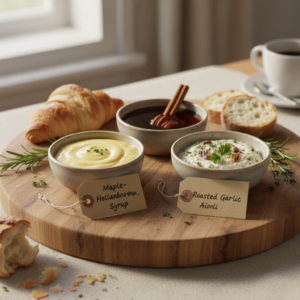
5-Minute Blender Hollandaise
If the traditional double-boiler method scares you, this is the hack you need.
Ingredients:
- 3 egg yolks
- 1 tbsp lemon juice
- 1 tsp Dijon mustard
- 1/2 cup hot melted butter
- Dash of cayenne
Method:
- Combine yolks, lemon juice, and mustard in a blender. Blend for 5 seconds.
- With the blender running on high, slowly stream in the hot butter. It will emulsify instantly.
- Season with salt and cayenne. Serve immediately.
Smoky Maple-Bourbon Syrup
This is perfect for adults looking to upgrade their pancakes.
Ingredients:
- 1 cup pure maple syrup
- 1 tbsp bourbon
- 1/2 tsp vanilla extract
- Pinch of smoked sea salt
Method:
- Simmer the syrup in a small pot for 5 minutes.
- Remove from heat and stir in the bourbon, vanilla, and salt. The alcohol cooks off slightly but leaves a warm, woody flavor.
Roasted Garlic & Herb Aioli
A versatile spread for every bagel and sandwich.
Ingredients:
- 1 head of garlic
- 1/2 cup mayonnaise
- 1 tbsp fresh dill, chopped
- 1 tsp lemon zest
Method:
- Roast the whole head of garlic in foil at 400°F (200°C) for 40 minutes until soft.
- Squeeze the cloves out and mash them into a paste.
- Mix with mayonnaise, dill, and lemon zest. Let it sit in the fridge for an hour to let flavors meld.
Regional Specialties Worth Traveling For
The Ultimate Guide to Breakfast Sauces & Condiments recognizes that geography dictates flavor. If you travel, look out for these regional stars.
The Southern United States: Sausage Gravy
Technically a sauce, practically a meal. This white gravy, made from sausage drippings, flour, milk, and plenty of black pepper, is the lifeblood of Southern breakfasts. It turns dry biscuits into a hearty, stick-to-your-ribs feast.
The UK: Brown Sauce
Often referred to by the brand HP Sauce, this is the British answer to ketchup. It is malt-vinegar based, blended with tomatoes, dates, apples, and spices. It has a tangy, savory flavor that pairs exceptionally well with a Full English Breakfast, cutting through the grease of the fried bread and sausages.
Australia: Vegemite
It’s a spread, but it functions like a concentrated sauce. A thin scrape of this yeast extract on buttered toast with a poached egg is an Aussie staple. It provides a massive hit of B vitamins and umami saltiness.
Health Considerations and Substitutions
In The Ultimate Guide to Breakfast Sauces & Condiments, we must acknowledge dietary needs. Sauces are often hidden sources of sugar and sodium.
Lower Sugar Options
For sweet breakfasts, try fruit coulis instead of syrup. By blending berries with a splash of water and heating them down, you get a natural sweetness without the spiked glycemic index of corn syrup.
Dairy-Free Alternatives
Hollandaise and creamy sauces usually rely on butter. You can substitute:
- Cashew Cream: Soaked and blended cashews make a rich base for savory sauces.
- Avocado Crema: Blended avocado with lime and cilantro mimics the texture of sour cream or mayo with healthy fats.
Sodium Watch
Condiments like soy sauce and ketchup are salt bombs. Look for “low sodium” versions or dilute strong sauces like soy with a bit of water or citrus juice to stretch the flavor without the salt spike.
Storage and Shelf Life
A key part of The Ultimate Guide to Breakfast Sauces & Condiments is safety. Homemade sauces lack the preservatives of commercial ones.
- Egg-based sauces (Hollandaise, Mayo): Use immediately or refrigerate for no more than 1-2 days. Hollandaise does not reheat well; it tends to separate.
- Fresh Herb Sauces (Chimichurri, Pesto): The oil can go rancid or the herbs can oxidize (turn brown). Keep them in an airtight container with a thin layer of oil on top to seal out air. Use within a week.
- Syrups and Jams: High sugar content acts as a preservative. These can last weeks in the fridge.
The Equipment You Need
You don’t need a professional kitchen, but a few tools make sauce-making easier.
- Immersion Blender: Essential for 10-second mayos and quick emulsions.
- Small Whisk: For breaking up clumps in gravies and glazes.
- Squeeze Bottles: If you want that restaurant-style presentation (and portion control), transfer your thinner sauces like balsamic glaze or hot sauce into plastic squeeze bottles.
Troubleshooting Common Sauce Disasters
Even with The Ultimate Guide to Breakfast Sauces & Condiments, things go wrong.
- Broken Hollandaise: If your sauce separates into oil and egg, don’t toss it. Take a fresh bowl, add a teaspoon of warm water, and slowly whisk the broken sauce into it drop by drop. It should come back together.
- Lumpy Gravy: If your sausage gravy has flour lumps, use an immersion blender to smooth it out, or strain it through a fine-mesh sieve.
- Too Spicy: If you went overboard on the hot sauce or chili crisp, add fat or sweet. A dollop of yogurt, a slice of avocado, or a drizzle of honey can neutralize the burn.
Conclusion: Elevate Your Morning
We have traversed the globe, dissected ingredients, and looked into the future. The Ultimate Guide to Breakfast Sauces & Condiments serves one purpose: to empower you to stop eating boring breakfasts.
The next time you scramble an egg, ask yourself: what is missing? Does it need the crunch of chili crisp? The herbaceous lift of chimichurri? Or the comforting hug of a cheese sauce? By keeping a stocked arsenal of condiments—both store-bought staples and homemade experiments—you ensure that every morning starts with a culinary victory.
Breakfast is the first decision you make in the day. Make it a delicious one.
Frequently Asked Questions (FAQ)
1. Can I make Hollandaise sauce ahead of time?
Generally, no. Hollandaise is best served fresh. However, you can keep it warm in a thermal flask for about an hour. If you refrigerate it, reheat it very gently over a warm water bath, whisking constantly to prevent the butter from separating.
2. What is the healthiest breakfast condiment?
Salsa or hot sauce are typically the healthiest options. They are low in calories and sugar but high in flavor and vitamins from the peppers and tomatoes.
3. How long does homemade ketchup last?
Since it lacks industrial preservatives, homemade ketchup typically lasts about 2 to 3 weeks in the refrigerator. Always check for signs of spoilage like mold or off smells.
4. What is the difference between salsa and pico de gallo?
Pico de gallo is a type of salsa, specifically a fresh, uncooked mixture of chopped tomato, onion, cilantro, and peppers (also known as Salsa Fresca). “Salsa” is a broader term that often refers to the cooked, blended red sauces found in jars.
5. Is Sriracha gluten-free?
Most brands of Sriracha are gluten-free, but you should always check the label. Some brands might use additives or be processed in facilities that handle wheat.
2026 Trend Deep Dive: The Savory Yogurt Movement
While we touched on trends, one micro-trend deserves its own spotlight in The Ultimate Guide to Breakfast Sauces & Condiments. By 2026, savory yogurt bowls are predicted to rival oatmeal. This shifts the focus of breakfast sauces entirely.
Instead of honey and granola, people are using Greek yogurt as a base for:
- Harissa Oil: A spicy North African chili paste mixed with olive oil.
- Za’atar Blends: A Middle Eastern spice mix of thyme, sumac, and sesame seeds, often mixed with olive oil to create a dipping sauce.
- Curry Leaf Infused Oil: Popular in South Indian cuisine, this aromatic oil adds a nutty, complex flavor to cool yogurt.
This movement represents a shift away from the “sugar bomb” American breakfast toward high-protein, probiotic-rich savory starts. Having a jar of high-quality Harissa or a bottle of infused olive oil in your pantry will put you ahead of the curve.
The Art of the Drizzle
Presentation matters. We eat with our eyes first. The Ultimate Guide to Breakfast Sauces & Condiments encourages you to think about visual appeal.
- Contrast: Dark balsamic glaze looks stunning on white mozzarella or poached eggs. Bright green pesto pops against red tomatoes.
- Texture: Don’t just pour; drizzle. Use a spoon to create zig-zags or dots. This isn’t just for looks—it ensures you get a little bit of sauce in every bite without overwhelming the dish.
Final Thoughts on Ingredients
The quality of your sauce is limited by the quality of your ingredients.
- Oil: Use Extra Virgin Olive Oil for uncooked sauces like Chimichurri or Pesto where the flavor of the oil shines. Use neutral oils like Grapeseed or Canola for mayonnaise or cooking, so the oil flavor doesn’t compete.
- Acids: Fresh lemon juice is always superior to bottled. The volatile oils in the zest add a perfume that bottled juice lacks. For vinegar, invest in a good Apple Cider Vinegar (with the “mother”) and a decent Balsamic.
- Herbs: Fresh herbs are non-negotiable for things like Pesto and Salsa Verde. Dried herbs work in cooked sauces or rubs, but for finishing sauces, fresh is best.
By respecting your ingredients, you respect the meal.
The Ultimate Guide to Breakfast Sauces & Condiments is your companion for the kitchen. Bookmark it, print the recipes, and start experimenting. Whether you are whipping up a quick weekday toast or hosting a lavish Sunday brunch, the right sauce is the secret weapon that will have everyone asking for your recipe. Start your sauce journey today.


Leave a Reply