


Introduction
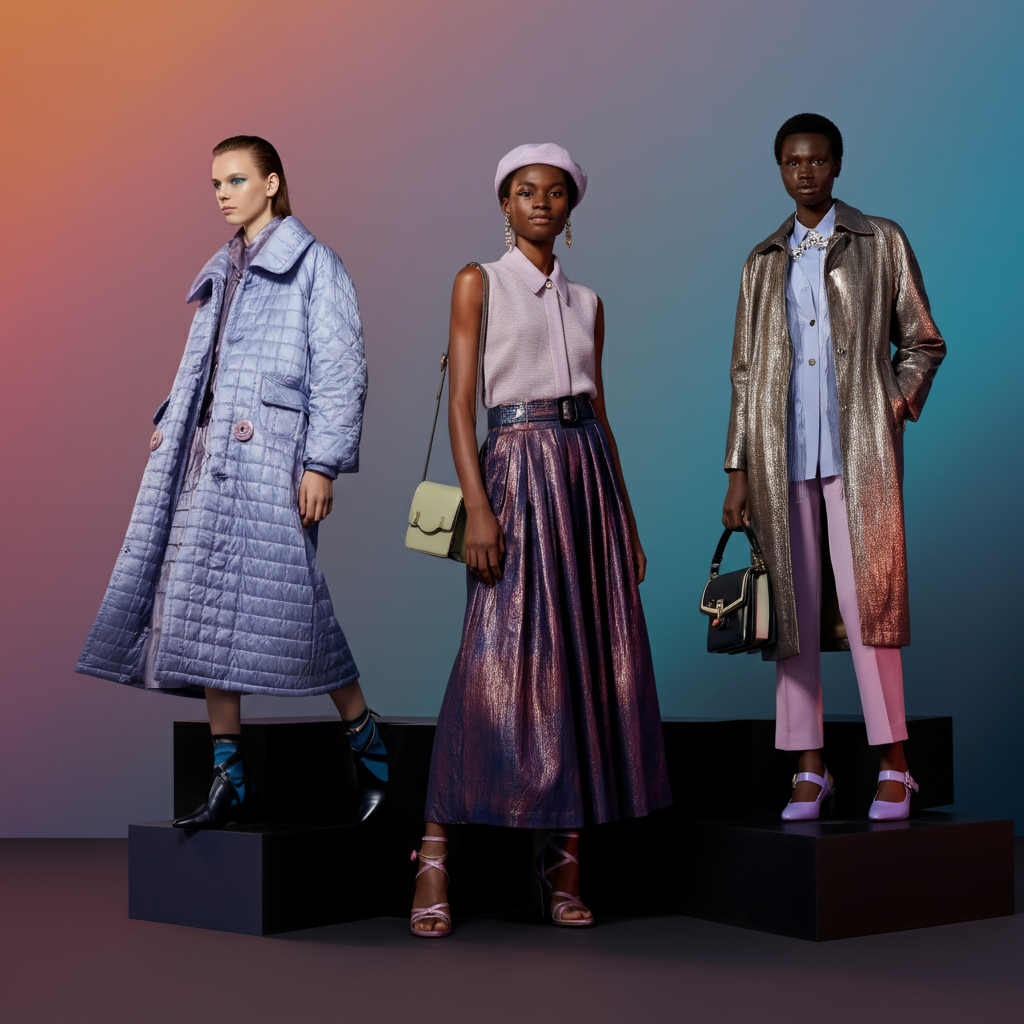
Fashion has always been a mirror, reflecting our collective mood, aspirations, and even our anxieties. As we look ahead, the fashion forecast for 2025-2026 reveals a fascinating dialogue between the past and the future. It’s a landscape where the comfort of familiar memories coexists with the sleek promise of tomorrow. The modern wardrobe is no longer about following a single, monolithic trend. Instead, it’s being built on three distinct yet interconnected pillars: using the past for emotional comfort, prioritizing quality and simplicity, and injecting personality with bold accents.
This comprehensive fashion forecast for 2025-2026 unpacks this dynamic shift. We’ll explore the emotional core of the retro and nostalgia revival, examining how Gen Z and Millennials are finding solace in bygone eras. Then, we will ground ourselves in the structural foundation of elevated minimalism, a movement toward timeless quality and relaxed sophistication. Finally, we’ll look to the future with a deep dive into the color and print trends that will define the coming seasons, offering a toolkit for personal expression. This isn’t just about what to wear; it’s about understanding the ‘why’ behind the what, and how to build a wardrobe that is both current and deeply personal.
The Emotional Core: The Retro & Nostalgia Revival
One of the most powerful undercurrents shaping the fashion forecast for 2025-2026 is the profound pull of nostalgia. More than just a fleeting trend, this revival is a deeply emotional response to a complex world. It represents a collective desire for the perceived simplicity and comfort of the past. From silhouettes and textures to marketing campaigns, the charm of bygone eras is influencing every corner of the fashion industry, creating a style movement rooted in emotional connection.
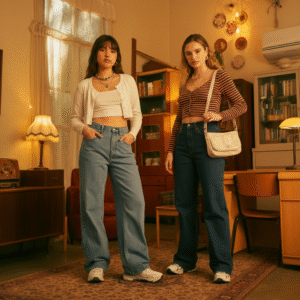
This isn’t just about replicating vintage looks. It’s about reinterpreting them through a modern lens, a concept often called “retrofuturism.” Retrofuturism merges old-fashioned “retro” styles with futuristic aesthetics, creating something new and exciting. It’s the art of looking back to move forward, reimagining the future as it was envisioned in the past. This blend of nostalgia and forward-thinking design is winning over a new generation of consumers who crave both meaning and novelty in their clothing.
Generational Drivers: Why We’re Looking Back
The primary drivers of this nostalgia wave are Gen Z and Millennials. While both generations are looking to the past, their motivations and reference points differ, creating a rich and varied aesthetic landscape.
Gen Z and “Historical Nostalgia”
For Gen Z, nostalgia often takes the form of a longing for eras they never personally experienced. This “historical nostalgia” is particularly focused on the late 1990s and early 2000s (Y2K). Fueled by social media platforms like TikTok and Reddit, where aesthetics are discovered, dissected, and disseminated at lightning speed, these styles feel fresh, playful, and refreshingly unpolished. Unlike the curated perfection of modern digital life, Y2K aesthetics—with their chunky pixels, metallic gradients, and optimistic weirdness—offer a form of authentic rebellion.
This phenomenon, dubbed “Nostalgia Core,” is more than a visual trend; it’s a design movement. It bridges the gap between a past discovered through digital archives and a future defined by self-expression. For Gen Z, the appeal lies in the curiosity and playfulness of these aesthetics. It’s a way to express identity by reimagining a history they learned about online. This is why searches for “Gen Z nostalgia marketing” and “Y2K aesthetics” are surging, as brands race to connect with this powerful consumer group on an emotional level.
Millennials and the Comfort of Bygone Eras
Millennials, on the other hand, are drawn to the eras of their own youth and the decades just before. Their nostalgia is more direct, tied to personal memories of the ’80s and ’90s. For this generation, the retro revival is about reconnecting with a sense of comfort and stability. The clothing, music, and media of these times evoke a feeling of a simpler world, providing an emotional anchor in turbulent times.
The focus for Millennials is on the “emotional connection” and “charm of bygone eras.” They seek pieces that feel both familiar and timeless. This translates into a demand for classic silhouettes with a modern twist, quality fabrics, and styles that are versatile enough for a busy, multifaceted life. They are not just buying clothes; they are investing in pieces that tell a story and offer a sense of enduring style.
Weaving Nostalgia into the Modern Wardrobe
The retro and nostalgia revival is not about dressing in costume. The fashion forecast for 2025-2026 emphasizes a “modern twist” on classic items. It’s about extracting the essence of a past era—a silhouette, a print, a feeling—and integrating it into a contemporary look.
Key Silhouettes and Items:
Consumers are actively searching for specific pieces that capture this trend. Searches for “retro nostalgia revival clothing,” “retro revival dresses,” and “vintage inspired outfits” are climbing. This translates into a demand for items like:
- The Y2K Influence: Low-rise pants, cropped cardigans, sheer fabrics, and playful accessories like bucket hats and tiny shoulder bags are making a comeback. However, they are now styled with more refined pieces to avoid looking dated.
- ’90s Grunge and Prep: Oversized flannel shirts, slip dresses, and preppy staples like argyle sweaters are being reinterpreted. The key is to pair them with minimalist pieces for a balanced look.
- ’70s and ’80s Glam: Flared jeans, wide-collared shirts, and bold-shouldered blazers are returning, but in updated fabrics and more subtle color palettes.
The Role of Marketing and E-commerce:
Brands that succeed in this landscape are masters of “nostalgia marketing.” They use campaigns that evoke the feeling of a specific era without being overly literal. E-commerce platforms and social media are crucial in this process. They act as a hub for discovery, allowing consumers to see how “vintage inspired” looks can be styled for today. The virality of Nostalgia Core on social media turns these trends from niche interests into mainstream movements, driving sales and shaping the fashion forecast.
The Structural Foundation: Elevated Minimalism
As a perfect counterpoint to the vibrant, sometimes chaotic energy of the nostalgia revival, elevated minimalism provides the grounding force in the fashion forecast for 2025-2026. This movement is a response to the overconsumption and fleeting trends of the past. It champions quality over quantity, longevity over disposability, and quiet sophistication over loud statements. Elevated minimalism is not about scarcity or boredom; it’s about building a versatile, high-quality wardrobe that is both effortlessly stylish and deeply personal.
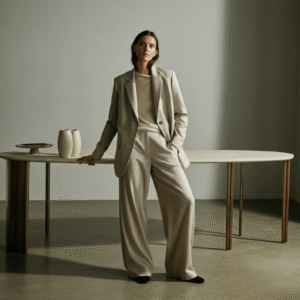
This trend is a broad lifestyle movement that extends beyond clothing to interior design and personal philosophy. It’s about creating a sense of order and calm in a world that often feels overwhelming. For the wardrobe, it means focusing on clean lines, luxurious fabrics, and a neutral color palette that allows for endless mixing and matching. The “elevated” aspect comes from the focus on impeccable tailoring, interesting textures, and subtle details that make each piece feel special.
The Minimalist Aesthete: In Search of Timeless Style
The consumer drawn to elevated minimalism is thoughtful and intentional. They are not chasing every new trend but are instead focused on building a collection of pieces that they will love and wear for years to come. Their search behavior reflects a desire for guidance on creating a durable and sophisticated wardrobe.
The Look and the Motivation:
The aesthetic is defined by “clean lines” and a timeless approach. Consumers are searching for “Minimalist Chic Style Men” and “Minimalist Outfit Dress to Impress,” indicating a desire for looks that are both simple and impactful. They are moving away from restrictive, uncomfortable clothing and toward silhouettes that offer both comfort and style.
The motivation behind this trend is a desire to simplify. People are asking, “How can I improve my fashion sense regarding daily wears?” and “How can I be effortlessly stylish with a minimalist wardrobe?” They are looking for a formula for dressing that removes the daily stress of deciding what to wear, while still allowing them to feel put-together and confident. Elevated minimalism provides this formula by focusing on versatile staples that can be dressed up or down.
The Key Silhouettes of Elevated Minimalism
The fashion forecast for 2025-2026 sees a clear shift in silhouettes, driven by the principles of elevated minimalism. Comfort and sophisticated volume are replacing tight, restrictive fits. Pinterest has become a major visual hub for this trend, with searches like “Modern minimalist chic style” yielding thousands of images that define the look.
Relaxed Tailoring:
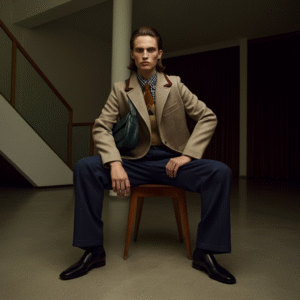
The cornerstone of elevated minimalism is relaxed tailoring. This includes oversized blazers, unstructured coats, and fluid trousers that drape beautifully on the body. The tailoring is still sharp and intentional, but the fit is looser and more comfortable, allowing for ease of movement. These pieces are designed to be layered, creating looks that are both practical and chic. A well-made, relaxed-fit blazer can be thrown over a simple t-shirt and jeans for a casual look or paired with matching trousers for a modern take on the suit.
The Wide-Leg Silhouette:
Perhaps the most dominant silhouette in this trend is the wide-leg pant. From tailored trousers to casual denim, the wide-leg cut is everywhere. This move away from skinny jeans and toward a more voluminous leg is a direct reflection of the desire for comfort. Wide-leg pants create a powerful, elegant line and can be surprisingly versatile. The highly specific search term “elevated minimalism relaxed tailoring pants” shows that consumers are not just looking for any wide-leg pant; they are seeking a specific, high-quality garment that embodies this trend.
Luxurious Fabrics and a Neutral Palette:
What truly “elevates” this minimalist trend is the focus on materials. Fabrics like cashmere, silk, high-quality wool, and organic cotton are central to the look. These materials not only feel luxurious against the skin but also wear beautifully over time. The color palette is typically rooted in neutrals: black, white, beige, camel, gray, and navy. This allows for maximum versatility and longevity, as these colors never go out of style. Pops of seasonal color can be added through accessories, but the core wardrobe remains neutral and timeless.
By building a wardrobe on the foundation of elevated minimalism, you create a canvas that is both stylish on its own and perfect for personalization. These high-quality, timeless pieces are the building blocks of a truly modern style, providing the structure and sophistication needed to navigate the fashion forecast for 2025-2026.
The Future Statement: Color & Print Trends
While elevated minimalism provides the structure and nostalgia revival adds emotional depth, the third pillar of the fashion forecast for 2025-2026 is where true individuality comes to life. Color and print are the tools we use to update our wardrobes, express our personalities, and signal our connection to the current moment. Looking ahead, the trends in color and print are all about bold, curated accents that punctuate the simplicity of a minimalist base and refresh nostalgic pieces for the future.
The fashion industry is already looking far ahead, with major forecasting agencies and publications setting the tone for the coming seasons. The key takeaway is a move toward joyful, expressive hues and patterns that feel both optimistic and sophisticated. It’s not about an explosion of random color, but rather the intentional use of specific shades and prints to create a powerful statement.
The Color Forecast for 2025-2026: Optimism and Sophistication
The consumer’s desire for forward-looking guidance is clear, with searches for “Spring/Summer 2026 color trends” and “What fashion trends do we need to know in 2026?” dominating search engines. Based on insights from major sources like Vogue and Pantone, as well as trend forecasting agencies, a few key color stories are emerging.
Creamy, Buttery Yellows:
Moving on from the stark whites of previous seasons, creamy yellows are emerging as the new go-to neutral. Shades like “Vanilla Yellow” and “Popcorn Yellow” are rising fast. These colors are soft, warm, and incredibly versatile. They strike the perfect balance between being a subtle neutral and a gentle statement. A vanilla yellow dress or a butter-colored knit offers a fresh, optimistic feel that works for everything from office wear to special occasions. Forecasts predict strong growth for these shades, particularly in dresses and lightweight sweaters.
Rich Purple Hues:
Purple is set to have a major moment in 2026. The trend encompasses a wide range of shades, from deep, rich tones like “Plum” and “Eggplant” to softer, more ethereal lilacs. This color family is associated with creativity, individuality, and even a hint of spirituality. A muted berry trench coat or a vivid purple accessory can add a touch of unexpected elegance to a neutral outfit. For menswear, these purple tones are emerging as a sophisticated alternative to traditional navy and gray.
Nature-Inspired Greens:
Reflecting a broader cultural shift toward sustainability and a connection to the natural world, a palette of nuanced greens is becoming increasingly important. These are not bright, electric greens, but more subtle, earthy tones. Shades like “Pea Green,” “Pickled Green,” and “Dusty Green” are gaining traction. These colors are calming and grounding, and they work beautifully in both ready-to-wear and activewear. An opaque, rainproof windbreaker in a dusty green, for example, feels both practical and stylish.
Unexpected Color Combinations:
One of the most exciting aspects of the color forecast is the focus on curious and unexpected color combinations. It’s less about a single “it” color and more about the confident attitude required to mix hues in a personal way. Think of combinations like crimson red with electric blue, or blush pink layered with a utility green. This trend encourages reinterpretation and creativity, inviting you to remix your wardrobe in new and joyful ways.
Print & Pattern Trends: From Classic to Bold
Alongside color, prints and patterns are a key way to inject personality into your look. The fashion forecast for 2025-2026 shows a movement toward both playful classics and bold, alternative patterns.
Dots, Dots, Dots:
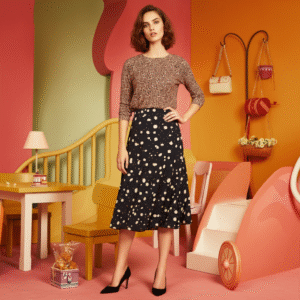
Polka dots are making a major comeback, but with a modern twist. The trend includes everything from small, delicate dots to large, graphic ones. This print has a unique ability to feel both retro and whimsical, or modern and minimalist, depending on the scale and color. A midi-length dotted skirt, for example, feels lady-like and playful, while a black-and-white big-dot blouse can be quite graphic and bold. Designers are featuring dots in a wide range of colors and forms, confirming that this is a key print for the coming seasons.
Alternative Animal Prints:
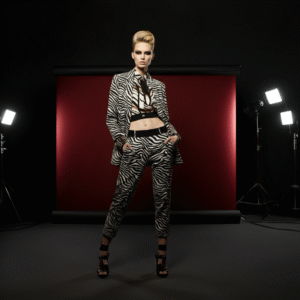
While leopard print had its moment, 2026 is welcoming a new wave of animal-inspired patterns. Zebra stripes are poised to be a major trend, offering a graphic black-and-white statement that feels both edgy and chic. Snake and crocodile prints are also projected to grow, providing a touch of luxe texture to accessories and footwear. For those feeling particularly bold, cow print is emerging as an “it” print, especially in the US market, offering a playful and unexpected twist.
The New Raw: Brut Denim:
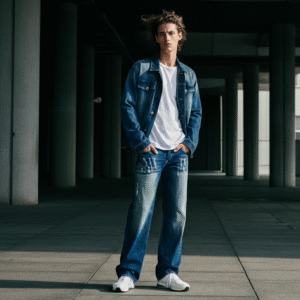
In a move away from distressed and faded finishes, “brut denim” is taking center stage. This unwashed, untreated denim is all about raw authenticity. The stiff, pure cotton in a deep indigo hue offers a clean, architectural look. This trend is visible in baggy jeans, structured jackets, and even head-to-toe denim looks. The beauty of brut denim is in its potential to age and mold to the wearer over time, creating a truly personal garment.
Synthesizing the Trends: Your 2025-2026 Fashion Strategy
The fashion forecast for 2025-2026 is not about a rigid set of rules, but a flexible framework for building a personal and resonant wardrobe. The three pillars—emotional nostalgia, elevated minimalism, and bold accents—work together to create a style that is balanced, modern, and uniquely you. Here is a simple strategy for integrating these trends into your everyday life:
- Start with the Structure: Build on Elevated Minimalism.
Begin by investing in the foundational pieces of elevated minimalism. Focus on high-quality, versatile items in neutral colors. Look for relaxed tailoring and comfortable silhouettes like the wide-leg pant and the unstructured blazer. These pieces will form the durable, sophisticated core of your wardrobe. - Add Emotional Depth: Layer in Nostalgia.
Once you have your minimalist base, layer in pieces that evoke the retro revival. This could be a vintage-inspired graphic tee, a pair of Y2K-style sunglasses, or a slip dress reminiscent of the ’90s. The key is to use these nostalgic items as accents, allowing them to add personality and a sense of history to your look without overwhelming it. - Finish with a Future Statement: Use Color and Print.
Finally, use the color and print forecast to make your outfit feel current and personal. Punctuate your look with a bold accessory, like a plum-colored bag or a pair of zebra-print shoes. Try an unexpected color combination, like a creamy yellow sweater under a dusty green jacket. These small but impactful choices are what will set your style apart and demonstrate your confidence and creativity.
By blending the comfort of the past with the clean lines of modern minimalism and the optimistic energy of future trends, you can create a wardrobe that is not only fashionable but also a true reflection of who you are. The fashion forecast for 2025-2026 is an invitation to play, to experiment, and to build a style that feels like home.


Leave a Reply