


Introduction
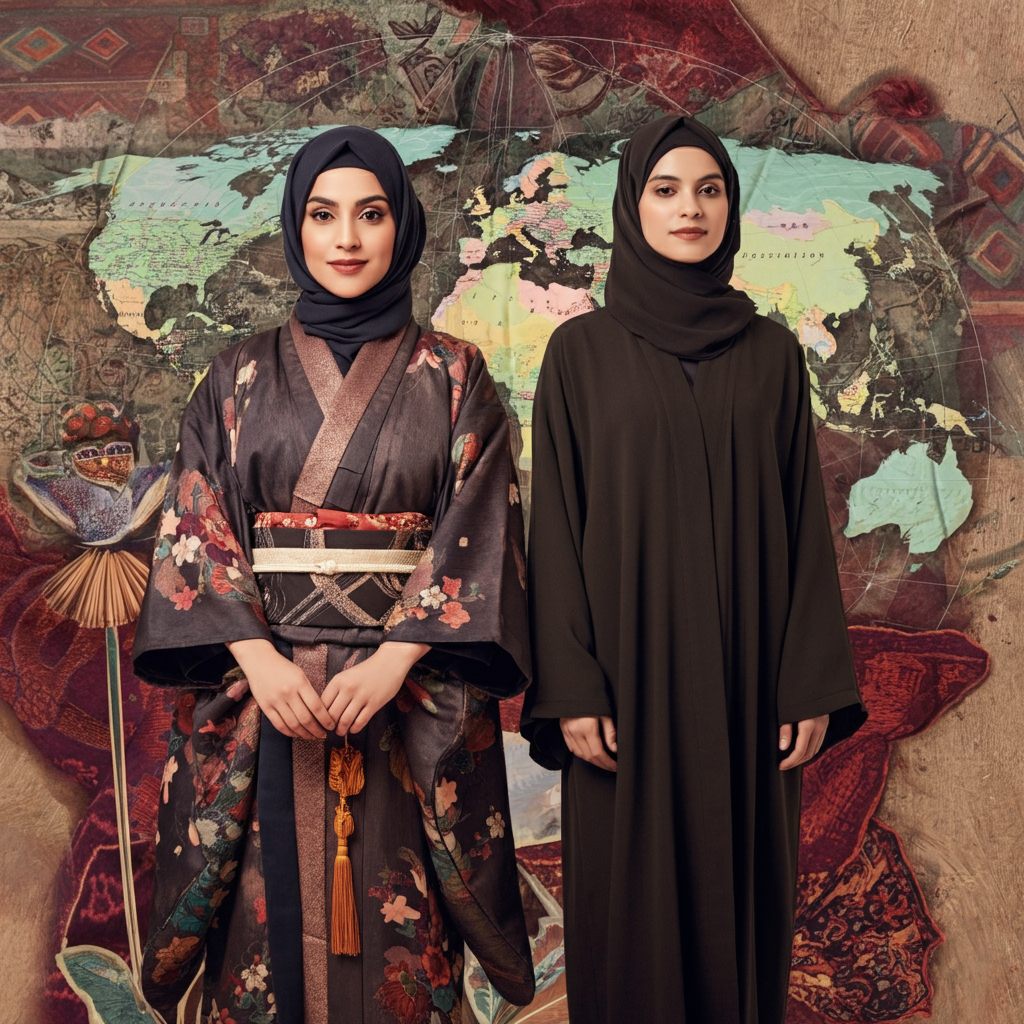
Fashion has always been a mirror of society, reflecting our values, identities, and the times we live in. In recent years, one of the most powerful reflections has been the meteoric rise of modest and fusion fashion. No longer a niche market confined to specific religious or cultural groups, modest fashion has exploded into a multi-billion dollar global industry. It’s a movement that transcends borders, blending faith with flair, tradition with modernity, and ethics with aesthetics.
For many, modest fashion is simply about coverage—long sleeves, high necklines, and loose silhouettes. But digging deeper reveals a complex tapestry of self-expression. It is about women reclaiming agency over their bodies, choosing to reveal less to say more. Simultaneously, the “fusion” aspect of this movement is breaking down barriers, merging the elegance of Eastern garments like abayas and kimonos with Western streetwear and high fashion.
This comprehensive guide explores the global evolution of this dynamic sector. We will dive into the modern aesthetic of modesty, the cross-cultural fusion taking over runways, the critical role of sustainability, and how technology is personalizing the experience for millions. Whether you are a long-time adherent to modest dressing or a fashion enthusiast curious about the trend, this is your roadmap to understanding the future of style.
1. Style & Trends: The Modern Modesty Aesthetic
The days of modest fashion being synonymous with “frumpy” or “outdated” are long gone. Today, the modern modesty aesthetic is a masterclass in sophistication, proving that coverage does not equate to a lack of creativity. As we move through 2024 and look toward 2025, the industry is seeing a shift away from extreme minimalism toward something far more expressive and structured.
Maximalist Modesty: A Riot of Color and Texture
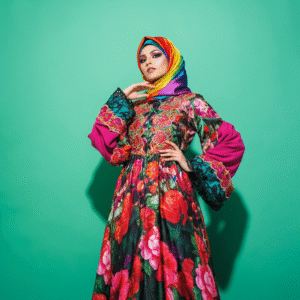
For years, the “clean girl” aesthetic dominated social media feeds—beige, cream, and monochrome were kings. However, a vibrant shift is occurring. Maximalist modesty is taking center stage, embracing bold patterns, rich textures, and vibrant color mixing. We are seeing modest fashion enthusiasts trade safe neutrals for floral prints, intricate embroidery, and sequined details that catch the light.
This trend allows for immense creativity. Think of a floor-length dress featuring bold, oversized botanical prints paired with a contrasting, bright hijab or scarf. It’s about celebrating visibility. Women who dress modestly are no longer trying to blend into the background; they are using pattern and color to announce their presence joyfully.
The Return of Tailoring and Structure
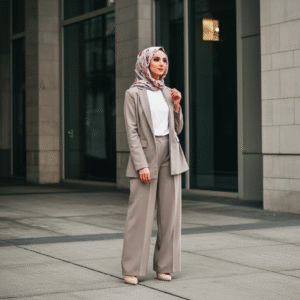
While flowy fabrics have always been a staple of modest wear, current trends show a strong return to classic tailoring. The “relaxed fit” is still popular, but it’s being elevated with structure.
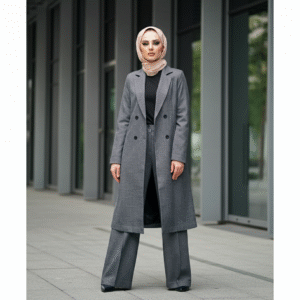
- Structured Coats & Blazers: Longline blazers and structured coats are essential. They offer the necessary coverage for the hips and backside while providing a sharp, professional silhouette.
- Wide-Leg Trousers: Tailored wide-leg trousers are replacing skinny jeans entirely in the modest wardrobe. They offer comfort and modesty without sacrificing the sleek lines of high fashion.
- The Power Suit: Coordinated modest sets (co-ords) are massive. A matching tunic and wide-leg pant set creates a seamless, elongated look that is incredibly chic and easy to style.
Layering as an Art Form
Layering is the secret weapon of the modest dresser. It turns “immodest” mainstream pieces into viable options. However, modern layering is less about covering up out of necessity and more about creating dimension.
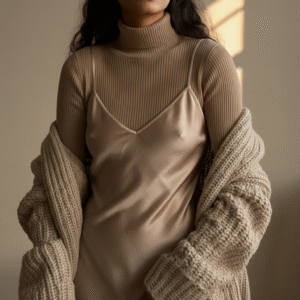
- Texture Play: Combining different fabrics adds depth. Imagine a sleek silk slip dress worn over a ribbed turtleneck, topped with a chunky knit cardigan or a leather gilet.
- Length Variation: Playing with lengths is key. A cropped denim jacket over a maxi dress defines the waist without compromising modesty. Conversely, a longline vest over a tunic creates vertical lines that are flattering and modest.
Key Design Details: Sleeves and Embellishment
Designers are paying attention to the details that matter most to this demographic.
- Statement Sleeves: Puffed, bishop, and balloon sleeves are everywhere. They add drama and volume, turning a simple top into a fashion statement while ensuring arms are covered loosely.
- High Necks: Mock necks and Victorian-inspired high collars are trending, eliminating the need for extra layers underneath low-cut tops.
- Embellishment: From subtle beading on cuffs to full-on sequined gowns for evening wear, embellishments are adding a touch of glamour that rivals any mainstream couture.
2. The Fusion Movement: Blending Cultures & Styles
Perhaps the most exciting development in this space is the Fusion Movement. This is where East meets West, and tradition meets trend. It is a dialogue between cultures, resulting in garments that are unique, versatile, and globally appealing.
The Abaya-Kimono Hybrid
A prime example of this fusion is the blending of the Middle Eastern abaya with the Japanese kimono. Both garments share similarities—they are loose, robe-like, and modest. Designers have begun merging these silhouettes to create open-front garments that can be worn over jeans and a tee or a formal dress.
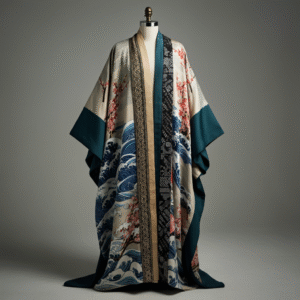
- Cultural Exchange: This isn’t just about aesthetics; it’s a form of cultural diplomacy. It allows a woman in London or New York to wear a garment rooted in Arab and Japanese tradition but styled in a way that fits a Western urban lifestyle.
- Versatility: These hybrid pieces often feature the wide sleeves of a kimono with the flowing length of an abaya, often made in versatile fabrics like linen for daywear or silk for evening.
High-Low Styling: Streetwear Meets Tradition
The “High-Low” trend in modest fashion refers to mixing formal, traditional garments with casual, modern pieces. It is the epitome of cool, effortless style.
- Sneakers with Everything: It is now commonplace to see an elegant abaya or a traditional South Asian kurta paired with chunky “dad sneakers” or high-top basketball shoes. This juxtaposition grounds the traditional garment, making it practical for the fast-paced life of a modern woman.
- Denim Influence: Denim jackets thrown over floral maxi dresses or traditional shalwar kameez bring a gritty, urban edge to soft, feminine silhouettes.
- Modest Streetwear: Brands are launching oversized hoodies, longline bomber jackets, and joggers that fit within modest guidelines. This appeals to Gen Z consumers who want to participate in hypebeast culture while maintaining their values.
Modest Athleisure: Faith and Fitness
For a long time, Muslim women and others who dress modestly struggled to find activewear that covered them appropriately. The industry has finally caught up. Modest athleisure is a booming sector.
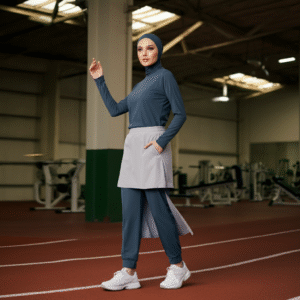
- Performance Hijabs: Brands like Nike and smaller boutique labels have engineered moisture-wicking, slip-on hijabs that stay in place during rigorous exercise.
- Loose-Fit Tech Wear: We are seeing jogging bottoms with skirt overlays, long-sleeve performance tops with loose torsos, and burkinis (modest swimwear) that are stylish enough to be worn as regular beachwear. This intersection of sportswear and modesty promotes an active lifestyle without compromise.
Global Brand Adoption
The fusion movement has forced mainstream retailers to wake up. Major global brands like H&M, Zara, Uniqlo, and luxury houses like Dior and Gucci are releasing “Ramadan Collections” or specific modest edits. While some critics argue this is purely commercial, the visibility it provides is undeniable. It normalizes modest dressing, moving it from the fringes to the high street, and makes these styles accessible to women everywhere, regardless of their background.
3. Sustainability & Ethics: Conscious Modesty
The intersection of modest fashion and sustainability is a natural one. Many of the principles driving the modest movement—mindfulness, ethics, and values—align perfectly with the slow fashion movement. This sub-pillar, “Conscious Modesty,” is reshaping how consumers shop and how brands produce.
The Shift to Eco-Friendly Fabrics
The modern modest consumer is educated. She reads labels. She knows that polyester takes hundreds of years to decompose. Consequently, there is a massive shift toward natural and sustainable fibers.
- Breathable Naturals: Organic cotton, linen, and hemp are prized not just for their lower environmental impact, but for their breathability—a crucial factor when wearing clothes that cover most of the body, especially in warmer climates.
- Innovative Synthetics: For garments that require drape, like chiffons for hijabs or dresses, brands are turning to recycled polyester (rPET) made from plastic bottles, or semi-synthetics like Tencel and Modal which are derived from sustainable wood pulp and use less water than conventional cotton.
Circular Fashion and the Capsule Wardrobe
Modest fashion inherently leans away from the “wear once and throw away” culture of fast fashion. Because modest dressing often relies on layering staples (a good turtleneck, a solid maxi skirt, a quality coat), it promotes the concept of a Capsule Wardrobe.
- Cost Per Wear: Consumers are encouraged to invest in fewer, higher-quality pieces that can be styled in multiple ways. A high-quality slip dress can be worn under a blazer for work, over a tee for the weekend, or with heels for a wedding.
- Resale and Upcycling: The resale market for high-end modest fashion is growing. Pre-loved luxury abayas and designer modest wear are finding second lives on platforms like Depop and Vinted. Furthermore, brands are launching upcycling initiatives, turning deadstock fabric into limited-edition scarves or accessories.
Ethical Production: The Human Cost
For many modest fashion consumers, particularly those motivated by religious values, the ethics of production are just as important as the aesthetics. It feels contradictory to wear a headscarf as a symbol of devotion if the person who made it was exploited.
- Fair Wages and Safety: Brands like SHUKR and others are transparent about their supply chains, ensuring fair wages and safe working conditions for garment workers.
- Transparency: Shoppers are demanding to know “Who made my clothes?” Brands that can provide this transparency—showing behind-the-scenes footage of their factories or sharing stories of their artisans—are building deeper trust and loyalty.
- Supporting Artisans: Fusion fashion often involves traditional embroidery or weaving techniques. Ethical brands ensure that the artisans (often women in developing nations) are paid fairly for their skilled labor, helping to preserve these traditional crafts.
4. Technology & People: Personalization and Influence
The final pillar of this evolution is the digital landscape. Technology is solving practical problems for modest dressers, while influencers are reshaping the narrative of what beauty looks like.
AI-Driven Personalization
One of the biggest challenges in modest fashion is finding the right fit. “Modest” means different things to different people—for some, it means covering the collarbone; for others, the elbows are fine. Shopping online can be a nightmare of guessing necklines and hem lengths.
- Smart Recommendations: New AI platforms (like Glance AI) are emerging to solve this. By analyzing user preferences (e.g., “I need a maxi dress, long sleeves, no slit, opaque fabric”), AI can sift through thousands of items across the web to curate a personalized shop.
- Emotional Styling: AI is even moving into emotional territory, suggesting outfits based on how a user wants to feel. If a user inputs that they want to feel “confident and calm,” the AI might suggest structured silhouettes in soft, earthy neutrals.
Virtual Try-Ons and AR
Augmented Reality (AR) is revolutionizing the “fitting room” experience.
- Modesty Filters: Imagine holding your phone up to a mirror and digitally “trying on” a dress. AR technology is advancing to show how a garment moves and fits. For modest dressers, this is crucial for checking transparency (is the fabric see-through?) and fit (is it too tight in the hips?).
- Digital Avatars: Shoppers can create digital twins of themselves with their exact measurements to see how layers will look together before buying. Will that blazer look bulky over that knit dress? AR can give the answer instantly, reducing return rates and carbon footprints.
The Power of Influencers
We cannot talk about the global evolution of modest fashion without crediting the influencers who pioneered it. Before mainstream brands cared, bloggers and YouTubers were creating “OOTD” (Outfit of the Day) content, showing how to style Western clothes modestly.
- Representation Matters: Figures like Mariah Idrissi (the first hijab-wearing model in an H&M campaign) and Halima Aden (who graced the cover of Vogue) shattered glass ceilings. They proved that modesty sells and that it is high fashion.
- Regional Powerhouses: Influencers across the Middle East, South Asia (like those in Pakistan and India), and Europe are dictating trends. They are the bridge between the brands and the consumers.
- Community Building: Social media has created a global sisterhood. A woman in France can get styling tips from a woman in Indonesia. They share hacks on how to pin a hijab, where to find the best wide-leg trousers, and which brands are truly sustainable. This peer-to-peer influence is more powerful than any traditional advertising campaign.
The Global Impact: Beyond the Fabric
The rise of modest and fusion fashion is about more than just clothes; it is a movement of validation. For decades, women who chose to dress modestly often felt excluded from the fashion conversation. They were told that to be modern was to show skin. This movement has flipped the script.
It has diversified the definition of beauty. It has challenged the male gaze, asserting that a woman’s value is not determined by her sexual availability or the exposure of her body. It has empowered women to define their own boundaries.
Furthermore, the economic impact is staggering. The “State of the Global Islamic Economy Report” consistently projects the modest fashion sector to grow year over year, reaching hundreds of billions in valuation. This is a market force that cannot be ignored.
Conclusion: The Future is Covered, Creative, and Conscious
As we look toward the future, the trajectory of modest and fusion fashion is clear. It is heading toward a world where “modest” is just another category of style, as standard as “bohemian” or “preppy.”
We will see a deepening commitment to sustainability, with modest brands potentially leading the charge in circular fashion because their consumers value longevity and ethics. We will see technology making the shopping experience seamless, erasing the frustration of finding the perfect hemline. And we will see the fusion of cultures continue to produce some of the most exciting, innovative designs in the industry.
The global evolution of modest and fusion fashion is a testament to the fact that style is universal. It adapts, it blends, and it endures. Whether through a high-tech sustainable abaya or a thrifted vintage blazer, the message remains the same: You can cover your body and still bare your soul.
Ready to update your wardrobe with these values in mind? Start by assessing your current closet, identifying the gaps in your “capsule” basics, and exploring ethical brands that align with your style. The world of modest fashion is vast—go explore it.


Leave a Reply