


Introduction
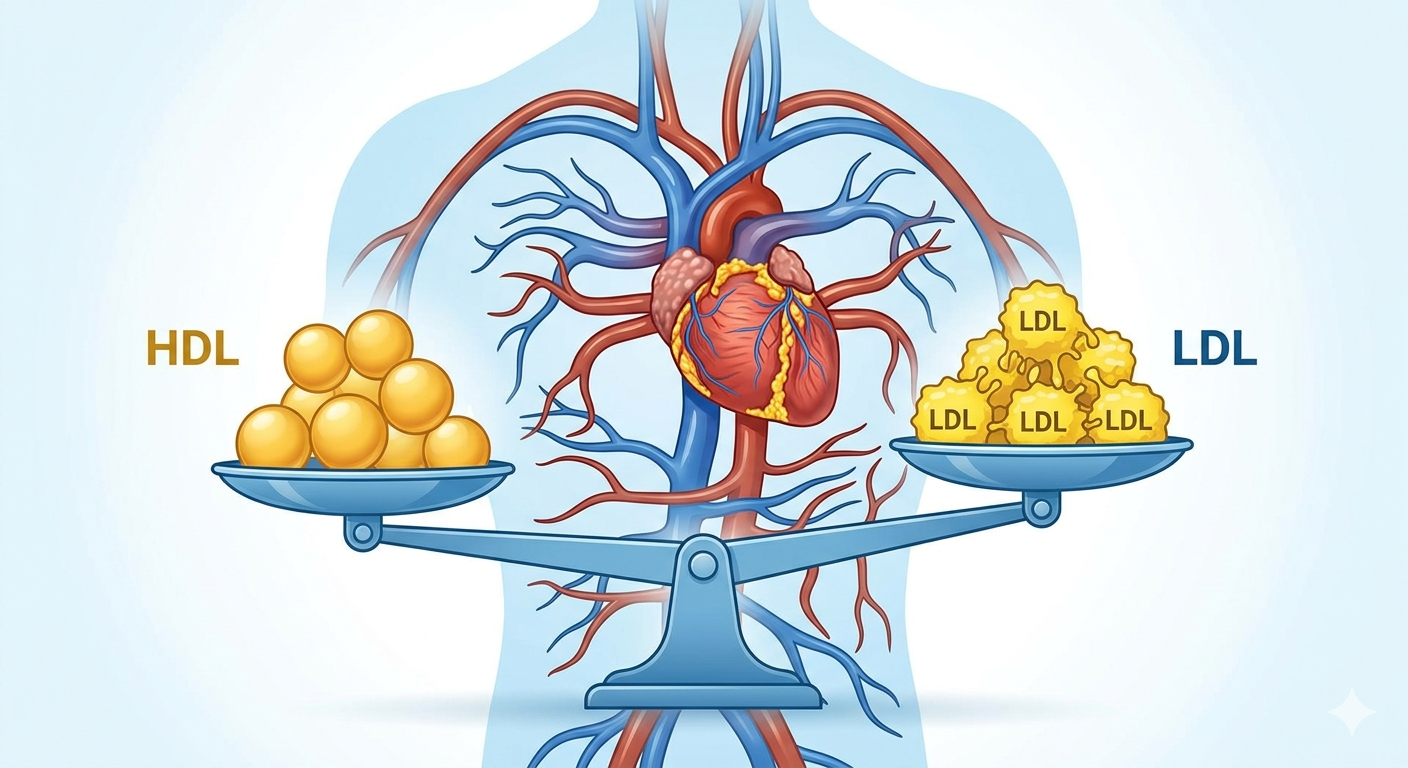
Cholesterol is one of the most misunderstood health topics today. While cholesterol often gets blamed as the villain in health discussions, understanding cholesterol properly is crucial for maintaining optimal cardiovascular health. This complete guide to cholesterol will help you navigate the complexities of cholesterol management, from identifying symptoms of high cholesterol to implementing effective prevention strategies.
According to recent medical guidelines, high cholesterol remains a significant risk factor for heart disease and stroke globally. However, with proper knowledge about cholesterol causes and appropriate treatment options, you can take control of your health and reduce your cardiovascular risk substantially. Whether you’re concerned about your cholesterol levels or simply want to understand cholesterol better, this comprehensive guide provides evidence-based information to empower your health decisions.
What is Cholesterol? Understanding the Basics
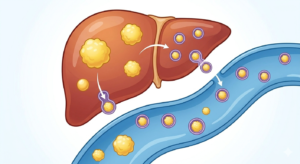
Cholesterol is a waxy, fat-like substance found in every cell of your body. Your liver produces most of the cholesterol your body needs, while the remaining cholesterol comes from dietary sources like meat, eggs, and dairy products. Despite its negative reputation, cholesterol is essential for survival and numerous vital functions.
Why Your Body Needs Cholesterol
Understanding cholesterol’s role is the first step toward proper cholesterol management. Your body uses cholesterol to:
- Build healthy cells: Cholesterol is a fundamental component of cell membranes, essential for cellular structure and function
- Produce hormones: Cholesterol is necessary for synthesizing hormones including estrogen, testosterone, and cortisol
- Synthesize vitamin D: When your skin is exposed to sunlight, cholesterol helps your body produce this vital nutrient
- Aid fat digestion: Cholesterol assists your liver in producing bile, which is necessary for breaking down fats
Types of Cholesterol: LDL vs. HDL
When discussing cholesterol treatment and prevention, medical professionals focus on two primary types:
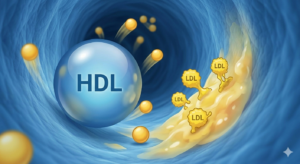
LDL Cholesterol (Low-Density Lipoprotein): Often called “bad cholesterol,” LDL carries cholesterol particles through your bloodstream. When you have excessive LDL cholesterol circulating in your blood, it can lodge in artery walls where it combines with other substances to form plaque. Over time, this buildup narrows your arteries and reduces flexibility—a condition known as atherosclerosis. This is why understanding and managing LDL cholesterol is critical for cholesterol prevention.
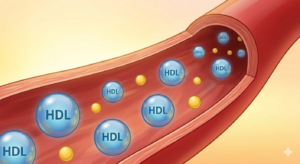
HDL Cholesterol (High-Density Lipoprotein): Known as “good cholesterol,” HDL helps remove LDL cholesterol from your bloodstream and artery walls, transporting it to your liver for disposal. Higher HDL cholesterol levels are protective against heart disease, making cholesterol health a balance between these two types.
Triglycerides: Another Important Lipid
While not technically cholesterol, triglycerides are another type of fat in your blood measured during cholesterol screening. High triglyceride levels indicate your body is struggling to process fats and sugars efficiently. This is often associated with metabolic problems and increases cardiovascular risk, making triglyceride management part of comprehensive cholesterol treatment.
Symptoms of High Cholesterol: What You Need to Know
One of the most important facts about high cholesterol is this: most people with high cholesterol experience no symptoms whatsoever. This makes cholesterol a “silent” risk factor that can damage your cardiovascular system without warning signs.

Why High Cholesterol Often Goes Undetected
High cholesterol doesn’t cause pain, discomfort, or noticeable physical changes for most people. You could have dangerously high cholesterol levels and feel completely fine. This is precisely why regular cholesterol screening is essential and why understanding cholesterol management is so critical.
When Symptoms Do Appear
While rare, some individuals—particularly those with familial hypercholesterolemia (an inherited genetic condition)—may develop visible signs of high cholesterol. These include:
- Xanthomas: Fatty deposits that appear as bumps on the skin, tendons, or eyelids
- Corneal arcus: A white ring around the cornea of the eye
- Xanthelasmas: Yellow or orange bumps around the eyelids
If you notice these physical signs, consult your healthcare provider immediately, as they indicate severely elevated cholesterol levels requiring urgent cholesterol treatment.
The Real Danger: Symptoms of Complications
While high cholesterol itself produces no symptoms, the complications it causes certainly do. If left untreated, high cholesterol can lead to:
- Chest pain (angina): Discomfort in the chest due to restricted blood flow
- Heart attack: Severe chest pain, shortness of breath, and potentially life-threatening cardiac events
- Stroke: Sudden weakness, difficulty speaking, or facial drooping
- Peripheral artery disease: Pain in legs during walking or exercise
This is why cholesterol prevention through lifestyle changes and medication is so important—you’re preventing future symptoms rather than treating current ones.
Causes of High Cholesterol: Controllable and Uncontrollable Factors
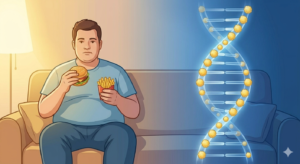
Understanding the causes of high cholesterol is essential for effective cholesterol management and prevention. These causes fall into two categories: factors you can control and those you cannot.
Uncontrollable Risk Factors for High Cholesterol
Age and Gender: Your risk for high cholesterol naturally increases with age. After age 20, cholesterol levels typically begin rising. In men, cholesterol generally levels off after age 50. Women typically have lower cholesterol than men until menopause, when declining estrogen levels cause cholesterol to rise significantly.
Family History and Genetics: High cholesterol often runs in families. If your parents or siblings have high cholesterol, your risk increases substantially. Some people inherit familial hypercholesterolemia, a genetic condition causing very high LDL cholesterol levels from a young age. About 1 million U.S. adults have confirmed or probable familial hypercholesterolemia, affecting approximately 1 in 311 people worldwide.
Underlying Medical Conditions: Certain diseases increase your cholesterol risk:
- Hypothyroidism (underactive thyroid)
- Chronic kidney disease
- Liver disease
- Type 2 diabetes
- Lupus and HIV
Medications: Certain prescription drugs can raise cholesterol levels, including some medications for acne, cancer, high blood pressure, HIV/AIDS, and medications used after organ transplants.
Controllable Risk Factors and Causes of High Cholesterol
Diet High in Saturated and Trans Fats: Your dietary choices significantly impact cholesterol levels. Foods rich in saturated fats like fatty meats, full-fat dairy products, butter, and coconut oil can raise LDL cholesterol. Trans fats, found in many processed foods and baked goods, are even more harmful.
Physical Inactivity: Lack of physical activity is linked to higher cholesterol levels and increased cardiovascular risk. Regular exercise raises HDL cholesterol and helps maintain healthy weight.
Smoking: Smoking lowers protective HDL cholesterol while raising harmful LDL cholesterol. This combination significantly increases heart disease and stroke risk. Quitting smoking is one of the most impactful cholesterol prevention strategies.
Excess Weight and Obesity: Carrying excess body weight, particularly abdominal fat, is associated with higher LDL cholesterol and lower HDL cholesterol. Weight loss through diet and exercise can substantially improve cholesterol levels.
Excessive Alcohol Consumption: Heavy drinking raises triglycerides and can elevate cholesterol levels, contributing to cardiovascular disease risk.
High Stress Levels: Chronic stress may contribute to elevated cholesterol and increase cardiovascular disease risk. Stress management is therefore part of comprehensive cholesterol prevention.
Poor Sleep Quality: Inadequate sleep is associated with unhealthy cholesterol levels and metabolic dysfunction. Quality sleep supports cardiovascular health and effective cholesterol management.
How Cholesterol is Measured: Understanding Your Numbers
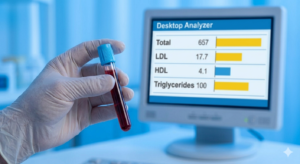
Cholesterol testing involves a blood test called a lipid profile or lipid panel. Understanding your cholesterol numbers is essential for effective cholesterol treatment planning.
The Cholesterol Test Components
A standard cholesterol test measures:
- Total Cholesterol: The combined amount of all cholesterol in your blood
- LDL Cholesterol: “Bad cholesterol” that increases heart disease risk
- HDL Cholesterol: “Good cholesterol” that protects against heart disease
- Triglycerides: Another type of fat in your blood
Understanding Cholesterol Numbers
Desirable Cholesterol Levels:
- Total cholesterol: Less than 200 mg/dL
- LDL cholesterol: Less than 100 mg/dL (less than 70 for high-risk individuals)
- HDL cholesterol: 60 mg/dL or higher
- Triglycerides: Less than 150 mg/dL
Borderline or High Levels:
- Total cholesterol: 200-239 mg/dL (borderline)
- LDL cholesterol: 130-159 mg/dL (high)
- HDL cholesterol: Less than 40 mg/dL for men, less than 50 for women (low)
High Cholesterol Levels:
- Total cholesterol: 240 mg/dL and above
- LDL cholesterol: 160 mg/dL and above
Individual targets vary based on your overall cardiovascular risk profile, age, and existing health conditions. Always discuss your specific cholesterol numbers with your healthcare provider.
Comprehensive Treatment Options for High Cholesterol
Effective cholesterol treatment typically combines lifestyle modifications with medical interventions when necessary. Your healthcare provider will recommend the best cholesterol treatment plan based on your individual risk factors and cholesterol levels.
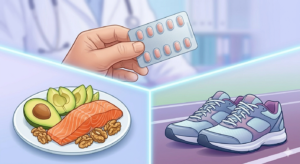
Lifestyle Modifications: The Foundation of Cholesterol Treatment
Dietary Changes for Cholesterol Management:
The most important dietary change involves reducing saturated fat intake. Aim to keep saturated fat below 7% of your daily calories. Replace saturated fats with healthier options:
- Eat fatty fish like salmon, mackerel, and sardines rich in omega-3 fatty acids
- Choose lean meats and poultry without skin
- Use olive oil instead of butter
- Select low-fat or fat-free dairy products
- Increase fiber intake through vegetables, fruits, whole grains, and legumes
- Adopt a Mediterranean-style diet or whole-food, plant-based approach
- Limit processed foods, baked goods, and fried foods containing trans fats
- Reduce sodium intake to support overall cardiovascular health
Regular Physical Activity:
Exercise is a powerful cholesterol treatment tool. Aim for at least 150 minutes of moderate-intensity aerobic activity weekly. Regular physical activity:
- Raises protective HDL cholesterol
- Lowers harmful LDL cholesterol and triglycerides
- Helps maintain healthy weight
- Reduces cardiovascular disease risk
- Improves overall metabolic health
Weight Management:
Even modest weight loss of 5-10% can improve cholesterol levels significantly. Weight loss improves both LDL and triglyceride levels while raising beneficial HDL cholesterol.
Smoking Cessation:
Quitting smoking provides immediate and long-term benefits for cholesterol levels and cardiovascular health. Within weeks of quitting, HDL cholesterol begins increasing.
Stress Management:
Implement stress reduction techniques including meditation, yoga, deep breathing exercises, or counseling to support cholesterol management and overall health.
Quality Sleep:
Aim for 7-9 hours of quality sleep nightly. Adequate sleep supports healthy cholesterol metabolism and cardiovascular function.
Cholesterol Medications: When Lifestyle Changes Aren’t Enough
When lifestyle modifications alone don’t achieve target cholesterol levels, medications become necessary. Several classes of cholesterol-lowering drugs are available:
Statins (HMG-CoA Reductase Inhibitors):
Statins are the most commonly prescribed cholesterol treatment medication. They work by reducing how much cholesterol your liver produces. Common statins include:
- Atorvastatin
- Rosuvastatin
- Simvastatin
- Pravastatin
Statins are often the first medication recommended because they effectively lower LDL cholesterol by 20-50% and reduce cardiovascular disease risk significantly. While generally well-tolerated, some people experience muscle pain or, rarely, memory issues.
Ezetimibe:
This non-statin medication prevents cholesterol absorption in your intestines. It’s often used alongside statins for additional LDL cholesterol reduction and can lower cholesterol by 15-20%.
PCSK9 Inhibitors:
These newer medications (evolocumab, alirocumab) are used for people who don’t achieve target cholesterol levels with statins or ezetimibe. They can lower LDL cholesterol by up to 50%.
Bempedoic Acid:
A newer cholesterol-lowering option that works differently from statins, effective for LDL cholesterol reduction and reducing cardiovascular events.
Inclisiran:
An innovative long-acting cholesterol treatment given as injections twice yearly, offering convenience for those with high cholesterol requiring intensive treatment.
Bile Acid Sequestrants:
These medications bind cholesterol in your digestive system. Though older, they remain useful for some patients and can be combined with other cholesterol treatments.
Fibrates and Niacin:
These medications primarily lower triglycerides and may raise HDL cholesterol but have more limited evidence for reducing overall cardiovascular risk compared to statins.
Cholesterol Prevention: Strategies for Long-Term Health
Prevention is always superior to treatment. Implementing cholesterol prevention strategies early in life significantly reduces your risk of developing high cholesterol and associated cardiovascular disease.

Lifestyle-Based Cholesterol Prevention
Start Young:
Screening for high cholesterol now begins as early as age 9 for children with family history or risk factors. Establishing healthy cholesterol-supporting habits in childhood sets the foundation for lifelong cardiovascular health.
Adopt a Heart-Healthy Diet:
The Mediterranean diet is particularly effective for cholesterol prevention. This eating pattern emphasizes:
- Vegetables and fruits
- Whole grains and legumes
- Fish and seafood
- Olive oil as primary fat source
- Moderate dairy consumption
- Limited red meat
Maintain Regular Physical Activity:
Consistent exercise is one of the most effective cholesterol prevention strategies. Both aerobic exercise and resistance training support healthy cholesterol levels.
Achieve and Maintain Healthy Weight:
Prevention includes maintaining a body mass index (BMI) between 18.5 and 24.9. Even small weight reductions dramatically improve cholesterol profiles.
Avoid Tobacco:
Not smoking is fundamental to cholesterol prevention. If you smoke, quitting provides immediate and lasting cardiovascular benefits.
Limit Alcohol:
Moderate alcohol consumption (up to one drink daily for women, two for men) may be acceptable, but excessive drinking negatively impacts cholesterol levels.
Manage Stress and Sleep:
Prioritize mental health and adequate sleep as essential cholesterol prevention components.
Medical Cholesterol Prevention
Regular Screening:
Adults should have cholesterol screening:
- At least once every 4-6 years starting at age 20
- More frequently if you have risk factors or family history
- Annually if you have diabetes or cardiovascular disease
Treat Underlying Conditions:
Managing conditions like diabetes, hypertension, and thyroid disease supports cholesterol prevention.
Medication as Prevention:
For high-risk individuals or those with family history of early heart disease, preventive cholesterol medication may be recommended before cholesterol becomes dangerously elevated.
Special Populations: Cholesterol Management Considerations
Cholesterol in Women
Women’s cholesterol patterns differ from men’s due to hormonal factors. Estrogen provides protective effects on cholesterol levels until menopause. After menopause, women’s total and LDL cholesterol typically increase while HDL cholesterol decreases, increasing cardiovascular risk.

Cholesterol in Older Adults
As we age, our bodies become less efficient at removing LDL cholesterol from the blood. Chronic conditions common in older age, including diabetes, kidney disease, and sleep apnea, can affect cholesterol levels. Individualized cholesterol treatment is especially important in older adults.
Cholesterol and Diabetes
Type 2 diabetes significantly affects cholesterol profiles. People with diabetes typically have lower HDL cholesterol and higher triglycerides. The combination of diabetes and high cholesterol substantially increases heart attack and stroke risk, making aggressive cholesterol treatment essential.
Cholesterol in Children
While cholesterol management usually focuses on adults, children can develop high cholesterol, especially those with family history of early heart disease or familial hypercholesterolemia. Early screening and intervention can prevent lifelong cardiovascular complications.
Frequently Asked Questions About Cholesterol
Q: Can diet alone lower cholesterol sufficiently?
A: Diet and lifestyle modifications can lower cholesterol by approximately 10-15% for most people. However, genetics determine about 75% of your cholesterol level. Many people, particularly those with familial hypercholesterolemia or significant genetic predisposition, need medication to achieve target cholesterol levels despite excellent lifestyle habits.
Q: Are statins safe for long-term use?
A: Statins have been extensively studied and are generally safe for long-term use. Serious side effects are rare. The most common side effect is muscle pain in a small percentage of users. Benefits of cholesterol treatment with statins significantly outweigh risks for most people with elevated cardiovascular disease risk.
Q: Should I take statins for prevention if my cholesterol is normal?
A: This depends on your overall cardiovascular risk profile. If you have diabetes, existing heart disease, or significant risk factors, your healthcare provider may recommend preventive cholesterol medication even with normal cholesterol levels.
Q: How often should I check my cholesterol?
A: Adults without risk factors should have cholesterol screening every 4-6 years. Those with elevated cholesterol, diabetes, or cardiovascular disease need more frequent monitoring—often annually or as recommended by their healthcare provider.
Q: Does dietary cholesterol significantly impact blood cholesterol?
A: Dietary cholesterol has a modest effect on blood cholesterol for most people. Saturated fat and trans fat have much greater impact. However, some people are “hyper-responders” to dietary cholesterol, and reducing dietary cholesterol can help manage their cholesterol levels.
Q: Can I stop taking cholesterol medication if my levels improve?
A: Cholesterol medication should not be stopped without consulting your healthcare provider. For most people requiring cholesterol medication, this is a long-term or lifelong treatment necessary to maintain healthy cholesterol levels and reduce cardiovascular disease risk.
Q: What’s the difference between total cholesterol and LDL cholesterol?
A: Total cholesterol includes all cholesterol types in your blood (LDL, HDL, and triglycerides). LDL cholesterol is the “bad cholesterol” that contributes to atherosclerosis. For cholesterol treatment purposes, healthcare providers focus on LDL cholesterol levels because it’s the most direct cause of cardiovascular disease.
Q: Is high cholesterol hereditary?
A: Yes, high cholesterol can run in families. If your parents have high cholesterol, your risk increases. Some people inherit familial hypercholesterolemia, a genetic condition causing very high cholesterol from birth.
Q: Can exercise alone lower cholesterol without diet changes?
A: Exercise is beneficial and can modestly lower cholesterol and improve HDL levels. However, for most people with high cholesterol, combining exercise with dietary modifications produces optimal results. Those with genetic predisposition may still require medication despite excellent lifestyle habits.
Q: What role do triglycerides play in cholesterol management?
A: Elevated triglycerides are an independent cardiovascular risk factor, particularly when combined with low HDL cholesterol. Triglyceride management involves similar lifestyle approaches as cholesterol management, including diet, exercise, weight loss, and sometimes medication.
Conclusion: Taking Control of Your Cholesterol Health
Understanding cholesterol—including its symptoms, causes, treatment options, and prevention strategies—empowers you to take control of your cardiovascular health. While cholesterol prevention through lifestyle modifications should always be your first approach, modern cholesterol treatment with medications provides powerful tools for those who need additional help.
Remember these key points about cholesterol:
- Cholesterol is essential: Your body needs cholesterol for vital functions, but excessive cholesterol increases disease risk.
- Symptoms are rare: Most people with dangerously high cholesterol experience no symptoms, making regular screening essential.
- Causes are multifactorial: Both controllable lifestyle factors and uncontrollable genetic factors influence your cholesterol levels.
- Treatment is effective: Whether through lifestyle changes or medications, cholesterol treatment significantly reduces heart attack and stroke risk.
- Prevention is powerful: Starting cholesterol prevention early through healthy habits protects your long-term cardiovascular health.
Don’t wait for symptoms to appear before addressing your cholesterol. Schedule a cholesterol screening, discuss your results with your healthcare provider, and implement a comprehensive cholesterol management plan. Whether you need only lifestyle modifications or benefit from medication, taking action now protects your heart and ensures a healthier future.
Your healthcare provider is your best resource for personalizing your cholesterol treatment and prevention plan based on your individual risk factors, medical history, and goals. Regular monitoring, consistent lifestyle efforts, and medication adherence when needed create a powerful combination for maintaining healthy cholesterol levels and preventing cardiovascular disease for years to come.



Leave a Reply