


Introduction
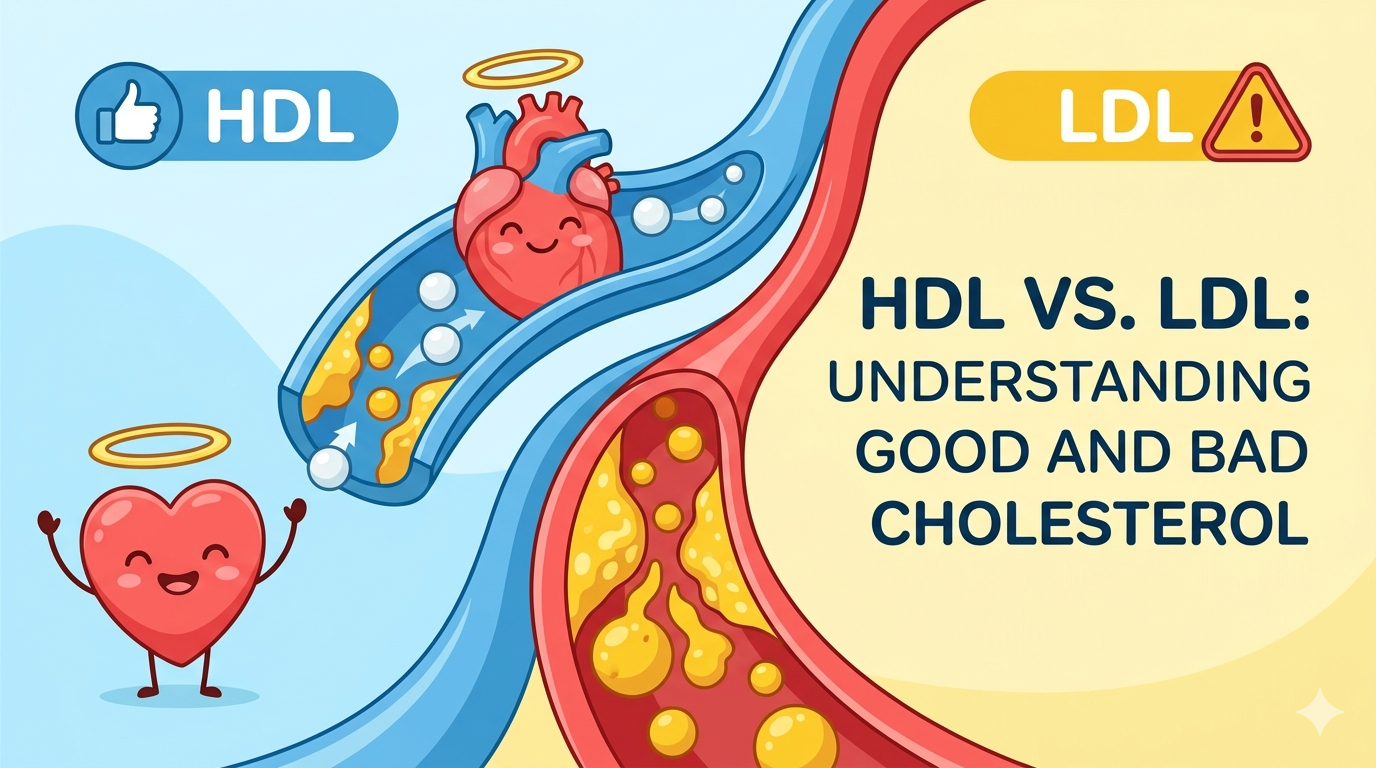
When it comes to managing your health, understanding the difference between HDL vs LDL is crucial for maintaining a healthy heart and reducing your risk of cardiovascular disease. Cholesterol is often portrayed as the villain in heart health, but the reality is far more nuanced. The key to optimal health lies not in eliminating cholesterol entirely, but in understanding the difference between HDL and LDL cholesterol and maintaining the right balance between these two types of lipoproteins.
Whether you’re preparing for a doctor’s visit or simply trying to understand your recent blood test results, knowing about HDL vs LDL will empower you to take control of your cardiovascular health. This comprehensive guide will break down everything you need to know about HDL cholesterol, LDL cholesterol, and how they impact your overall wellbeing.
What Is Cholesterol and Why Does It Matter?
Before diving into the specifics of HDL vs LDL, it’s important to understand what cholesterol actually is. Cholesterol is a waxy, fat-like substance produced by your liver and found naturally in your bloodstream. Contrary to popular belief, not all cholesterol is harmful. In fact, your body needs cholesterol to build cells, produce hormones, and synthesize vitamin D.
The problem arises when you have too much cholesterol in your bloodstream. Elevated cholesterol levels can lead to serious cardiovascular conditions including heart disease, stroke, and atherosclerosis. This is why understanding HDL vs LDL becomes essential for anyone concerned about their heart health.
Your body manufactures all the cholesterol it needs for normal function. However, you also obtain cholesterol through your diet. Foods rich in saturated fats and trans fats can increase your cholesterol levels, which is why managing your diet is one of the most effective ways to control your HDL and LDL cholesterol levels.
HDL vs LDL: The Core Difference
The fundamental difference between HDL and LDL lies in how these lipoproteins transport cholesterol through your body. Understanding this distinction is the cornerstone of comprehending HDL vs LDL cholesterol.
What Is LDL Cholesterol?
LDL stands for Low-Density Lipoprotein, and it’s commonly referred to as “bad cholesterol.” This designation isn’t arbitrary—LDL cholesterol has a well-documented negative impact on your cardiovascular system. When you have elevated LDL cholesterol levels, this “bad” cholesterol accumulates in the walls of your blood vessels, creating a waxy buildup known as arterial plaque.
This dangerous process, called atherosclerosis, causes your arteries to narrow and harden. When your arteries become restricted, blood flow to vital organs decreases, significantly increasing your risk of heart attack and stroke. The relationship between LDL cholesterol and heart disease risk is one of the most well-established facts in medical science.
High LDL cholesterol is particularly dangerous because it’s often asymptomatic—you may not realize you have elevated levels until damage has already occurred. This is why regular blood tests to measure your LDL cholesterol are so important for preventive health care.
What Is HDL Cholesterol?
HDL stands for High-Density Lipoprotein, and it’s known as “good cholesterol” for very good reasons. Unlike LDL cholesterol, which deposits cholesterol in your arteries, HDL cholesterol actually removes excess cholesterol from your bloodstream and arteries.
Here’s how HDL cholesterol works: This “good” cholesterol circulates through your blood, picking up LDL cholesterol and other lipids from your arterial walls and bloodstream. HDL cholesterol then transports these harmful substances to your liver, where they’re processed and eliminated from your body as waste. This cleaning function of HDL cholesterol is crucial for maintaining cardiovascular health.
The relationship between HDL and LDL cholesterol is almost like a cleanup crew and pollution. While LDL cholesterol creates the mess by building up in your arteries, HDL cholesterol comes along to clean it up and prevent disease.
HDL vs LDL: Understanding the Key Differences
To better understand HDL vs LDL, let’s examine how these two types of cholesterol differ in several important ways:
Transportation and Storage: LDL cholesterol transports cholesterol from your liver to cells throughout your body. While your cells need some cholesterol, excess LDL cholesterol accumulates in artery walls. In contrast, HDL cholesterol moves in the opposite direction—from your arteries and tissues back to your liver for removal.
Cardiovascular Impact: High levels of LDL cholesterol increase plaque formation in your arteries, narrowing blood vessels and restricting blood flow. Conversely, high levels of HDL cholesterol protect your arteries, reduce plaque buildup, and lower your risk of heart disease and stroke.
Health Goals: When comparing HDL vs LDL, remember this simple rule: you want your LDL cholesterol levels to be low, while you want your HDL cholesterol levels to be high. Lower LDL cholesterol means less “bad” cholesterol accumulating in your arteries, while higher HDL cholesterol means more “good” cholesterol protecting your cardiovascular system.
Density and Structure: HDL particles are denser and smaller than LDL particles, which affects how they move through your bloodstream and their ability to remove cholesterol.
Healthy Cholesterol Levels: What Numbers Should You Aim For?
Understanding your cholesterol numbers is essential when managing HDL vs LDL. Here are the recommended ranges for healthy cholesterol levels, as measured in milligrams per deciliter (mg/dL):
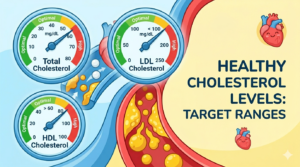
Total Cholesterol:
- Less than 200 mg/dL: Desirable
- 200-239 mg/dL: Borderline high
- 240 mg/dL and above: High (increased heart disease risk)
LDL Cholesterol (Bad Cholesterol):
- Less than 100 mg/dL: Optimal
- 100-129 mg/dL: Near optimal
- 130-159 mg/dL: Borderline high
- 160-189 mg/dL: High
- 190 mg/dL and above: Very high
HDL Cholesterol (Good Cholesterol):
- 60 mg/dL and above: Desirable (protective against heart disease)
- 40-59 mg/dL: Normal (for men), higher is better
- Less than 40 mg/dL: Low (increased heart disease risk for men)
- Less than 50 mg/dL: Low (increased heart disease risk for women)
It’s important to discuss your individual HDL vs LDL cholesterol targets with your healthcare provider, as your specific goals may vary based on your overall health profile and risk factors.
How to Lower LDL Cholesterol and Raise HDL Cholesterol Naturally
One of the most empowering aspects of managing your HDL vs LDL cholesterol is that you have significant control through lifestyle modifications. Here are proven strategies to improve your cholesterol profile:
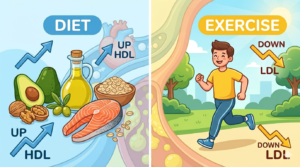
Dietary Changes
Choose Healthy Fats: Increase your intake of monounsaturated and polyunsaturated fats while limiting saturated fats. These healthy fats naturally lower LDL cholesterol while raising HDL cholesterol. Great sources include olive oil, avocados, nuts, seeds, and fatty fish like salmon and mackerel.
Incorporate Omega-3 Fatty Acids: Fatty fish rich in omega-3 fatty acids are excellent for improving your HDL vs LDL balance. Eat fatty fish at least twice weekly to benefit from their cholesterol-lowering properties.
Eliminate Trans Fats: Trans fats are the worst offenders when it comes to your HDL vs LDL ratio. These artificially created fats increase LDL cholesterol while decreasing HDL cholesterol. Avoid margarine, fried foods, and processed baked goods containing partially hydrogenated vegetable oils.
Increase Fiber Intake: Whole grains, legumes, fruits, and vegetables are rich in soluble fiber, which helps lower LDL cholesterol. Eating oats, barley, and beans regularly supports healthy HDL vs LDL cholesterol levels.
Choose Colorful Produce: Antioxidant-rich fruits and vegetables like berries, spinach, kale, and bell peppers contain beneficial compounds that protect against oxidative damage and support healthy HDL cholesterol levels.
Physical Activity
Regular exercise is one of the most effective ways to improve your HDL vs LDL cholesterol profile. Aim for at least 150 minutes of moderate-intensity aerobic exercise per week. Activities like brisk walking, jogging, cycling, and swimming can raise HDL cholesterol while lowering LDL cholesterol and triglycerides. Even as little as 60 minutes of moderate aerobic exercise weekly can produce significant improvements in your HDL vs LDL cholesterol levels.
Weight Management
Losing even a small percentage of your body weight can significantly improve your HDL vs LDL cholesterol levels. Carrying excess weight, particularly around your midsection, negatively impacts your HDL cholesterol. When you lose weight, your HDL cholesterol increases while your LDL cholesterol decreases.
Smoking Cessation
If you smoke, quitting is one of the most important things you can do for your HDL vs LDL cholesterol levels. Smoking lowers HDL cholesterol and damages blood vessels, making it harder for your body to remove LDL cholesterol effectively. Studies show that HDL cholesterol levels can begin to rise within weeks of quitting smoking.
Limit Alcohol
While moderate alcohol consumption has been linked to slightly higher HDL cholesterol levels, excessive drinking increases triglycerides and creates other health problems. If you choose to drink, stick to recommended guidelines: one drink per day for women and up to two drinks per day for men.
The Cholesterol Ratio: What You Need to Know
Beyond individual HDL and LDL cholesterol numbers, your healthcare provider may also discuss your total cholesterol to HDL cholesterol ratio. This ratio provides additional insight into your cardiovascular risk. The ideal total cholesterol to HDL cholesterol ratio is less than 5:1, with an optimal ratio being 3:1 or lower.
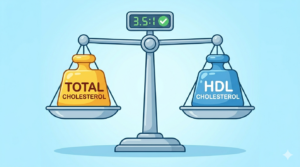
A lower ratio indicates better cardiovascular health and lower heart disease risk. Your doctor can help you understand your specific HDL vs LDL cholesterol ratio and what it means for your health.
When Medication Is Necessary
While lifestyle changes can significantly impact your HDL vs LDL cholesterol levels, some individuals may require medication to achieve healthy cholesterol levels. Statins are the most commonly prescribed medications for lowering LDL cholesterol. These medications work by blocking an enzyme in your liver that produces cholesterol.
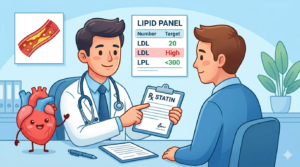
If you have persistently high LDL cholesterol despite lifestyle modifications, or if you have other risk factors for heart disease, your doctor may recommend medication to manage your HDL vs LDL cholesterol levels. This is not a failure—it’s a medical treatment that can save lives.
The Relationship Between Triglycerides, HDL, and LDL
It’s also important to understand how triglycerides fit into the HDL vs LDL equation. Triglycerides are another type of fat in your bloodstream that your body converts from excess calories. High triglyceride levels, especially when combined with high LDL cholesterol and low HDL cholesterol, significantly increase your heart disease risk.
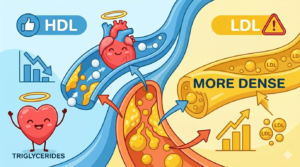
The good news is that the same lifestyle changes that improve your HDL vs LDL cholesterol balance also help lower triglycerides. Regular exercise, weight loss, and reducing refined carbohydrates and sugars all help keep triglyceride levels in check.
Common Questions About HDL vs LDL Cholesterol
Can cholesterol be completely eliminated? No, and you wouldn’t want it to be. Your body needs cholesterol for essential functions. The goal is to manage your HDL vs LDL cholesterol levels, not to eliminate cholesterol entirely.
How often should I check my cholesterol? Adults should have their cholesterol checked at least every 4-6 years. Those with high cholesterol or risk factors should be tested more frequently.
Are there any supplements that help with HDL vs LDL cholesterol? Some supplements like plant sterols, coenzyme Q10, and fish oil supplements may help, but always consult with your healthcare provider before starting new supplements.
Conclusion
Understanding the difference between HDL vs LDL cholesterol is fundamental to taking control of your heart health. Remember: LDL cholesterol is the “bad” cholesterol that builds up in your arteries, while HDL cholesterol is the “good” cholesterol that removes harmful buildup. By maintaining healthy levels of both through diet, exercise, weight management, and smoking cessation, you can dramatically reduce your risk of heart disease and stroke.
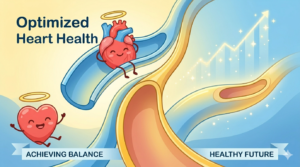
The power to manage your HDL vs LDL cholesterol largely rests in your hands. Start making positive lifestyle changes today, work with your healthcare provider to monitor your cholesterol levels, and commit to maintaining the healthy balance between HDL and LDL cholesterol that will support a long, healthy life. Your heart will thank you.
FAQ Schema – Frequently Asked Questions
Q1: What is the main difference between HDL and LDL cholesterol? A: The main difference between HDL vs LDL is their function. LDL cholesterol (bad) deposits cholesterol in your arteries, increasing heart disease risk, while HDL cholesterol (good) removes cholesterol from your bloodstream and transports it to your liver for removal, protecting your heart.
Q2: What are healthy HDL and LDL cholesterol levels? A: Healthy levels are: LDL cholesterol below 100 mg/dL (optimal), and HDL cholesterol above 60 mg/dL (desirable). Total cholesterol should be below 200 mg/dL. Your specific targets may vary based on your individual health profile.
Q3: Can you have high HDL and high LDL cholesterol? A: Yes, you can have both high HDL and high LDL cholesterol. While high HDL is protective, high LDL still increases heart disease risk. Your goal should be to lower LDL cholesterol while maintaining or raising HDL cholesterol.
Q4: How quickly can you raise HDL cholesterol? A: You can start raising HDL cholesterol within weeks through regular exercise (60+ minutes per week), diet changes, and weight loss. Some studies suggest HDL levels can improve within 2-4 weeks of lifestyle modifications.
Q5: What foods lower LDL cholesterol and raise HDL cholesterol? A: Foods that improve your HDL vs LDL cholesterol include fatty fish (salmon, mackerel), olive oil, avocados, nuts, seeds, whole grains, oats, berries, leafy greens, and colorful vegetables. Avoid trans fats, saturated fats, and processed foods.
Q6: Does exercise really help with HDL vs LDL cholesterol? A: Yes, exercise is highly effective for improving your HDL vs LDL cholesterol. As little as 60 minutes of moderate aerobic activity per week can raise HDL cholesterol while lowering LDL cholesterol and triglycerides.
Q7: Can you lower LDL cholesterol without medication? A: Many people successfully lower LDL cholesterol through lifestyle changes including diet, exercise, weight loss, and quitting smoking. However, some individuals may require medication (like statins) to achieve healthy LDL cholesterol levels.
Q8: Does smoking affect HDL vs LDL cholesterol? A: Yes, smoking significantly lowers HDL cholesterol and damages blood vessels, making it harder to remove LDL cholesterol. Quitting smoking is one of the best ways to improve your cholesterol profile.
Q9: What is the ideal cholesterol ratio? A: The ideal total cholesterol to HDL ratio is less than 5:1, with optimal being 3:1 or lower. A lower ratio indicates better cardiovascular health and reduced heart disease risk.
Q10: How does weight loss affect HDL vs LDL cholesterol? A: Weight loss positively impacts your HDL vs LDL cholesterol. Losing even a small percentage of body weight can raise HDL cholesterol levels while lowering LDL cholesterol and triglycerides.
Q11: Are there natural supplements for managing HDL vs LDL cholesterol? A: Some supplements like plant sterols, fish oil, niacin, and coenzyme Q10 may help manage cholesterol levels. Always consult your healthcare provider before taking supplements to ensure they don’t interact with medications.
Q12: How often should I test my cholesterol levels? A: Adults should have cholesterol tested at least every 4-6 years. Those with high cholesterol, family history of heart disease, or other risk factors should be tested more frequently, typically annually or as recommended by their doctor.



Comments (1)
Complete Guide to Cholesterol: Stop Heart Disease Todaysays:
May 17, 2026 at 2:58 pm[…] When discussing cholesterol treatment and prevention, medical professionals focus on two primary types: […]