


Introduction
High cholesterol is often called a “silent killer” because many people don’t experience obvious symptoms of high cholesterol until significant damage has already occurred to their heart and blood vessels. The symptoms of high cholesterol are frequently misunderstood, and many individuals unknowingly live with elevated cholesterol levels for years. Understanding the symptoms of high cholesterol is crucial for early detection and preventing serious health complications like heart disease and stroke.
In this comprehensive guide, we’ll explore the symptoms of high cholesterol, how to recognize warning signs, and why early detection of symptoms of high cholesterol matters. Whether you’re concerned about your own health or want to understand more about symptoms of high cholesterol in your family members, this article will provide you with evidence-based information and actionable insights.
What Is High Cholesterol?
Before diving into the symptoms of high cholesterol, it’s essential to understand what high cholesterol actually is. High cholesterol, medically known as hypercholesterolemia or hyperlipidemia, occurs when you have too many fats or lipids in your bloodstream. Your body produces cholesterol naturally in your liver because cholesterol is necessary for building healthy cells, producing hormones, and creating vitamin D.
However, when cholesterol levels become elevated, the condition is referred to as high cholesterol. The challenge with high cholesterol is that it’s invisible—you can’t feel high cholesterol or see it affecting your body, which is why many people don’t realize they have it until complications develop.
Cholesterol comes in two main forms:
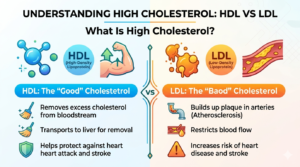
- LDL Cholesterol (Low-Density Lipoprotein): Often called “bad cholesterol,” LDL cholesterol carries cholesterol from your liver to cells throughout your body. When LDL cholesterol levels are too high, it accumulates in your artery walls, forming plaques that narrow blood vessels.
- HDL Cholesterol (High-Density Lipoprotein): Known as “good cholesterol,” HDL cholesterol helps remove excess cholesterol from your arteries and transport it to your liver for disposal.
Understanding these two types helps clarify why symptoms of high cholesterol develop and why monitoring your cholesterol is critical for long-term health.
The Silent Nature of High Cholesterol: Why Symptoms of High Cholesterol Are Often Missed
One of the most important facts about symptoms of high cholesterol is that most people with high cholesterol don’t have any obvious symptoms. This is why high cholesterol is considered a hidden health risk. You could have dangerously high cholesterol levels and feel completely fine, which makes regular screening essential.
The symptoms of high cholesterol typically only appear after years of buildup, when plaque has significantly narrowed your arteries. In fact, many people discover they have high cholesterol only when they undergo routine blood work or when they experience a heart attack or stroke—events that might have been preventable with earlier detection.
This is precisely why the medical community emphasizes that the only reliable way to know if you have high cholesterol is through a blood test. You cannot diagnose symptoms of high cholesterol based on how you feel alone, which is why annual or bi-annual cholesterol screenings are recommended for most adults.
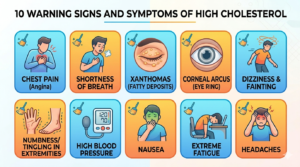
10 Warning Signs and Symptoms of High Cholesterol
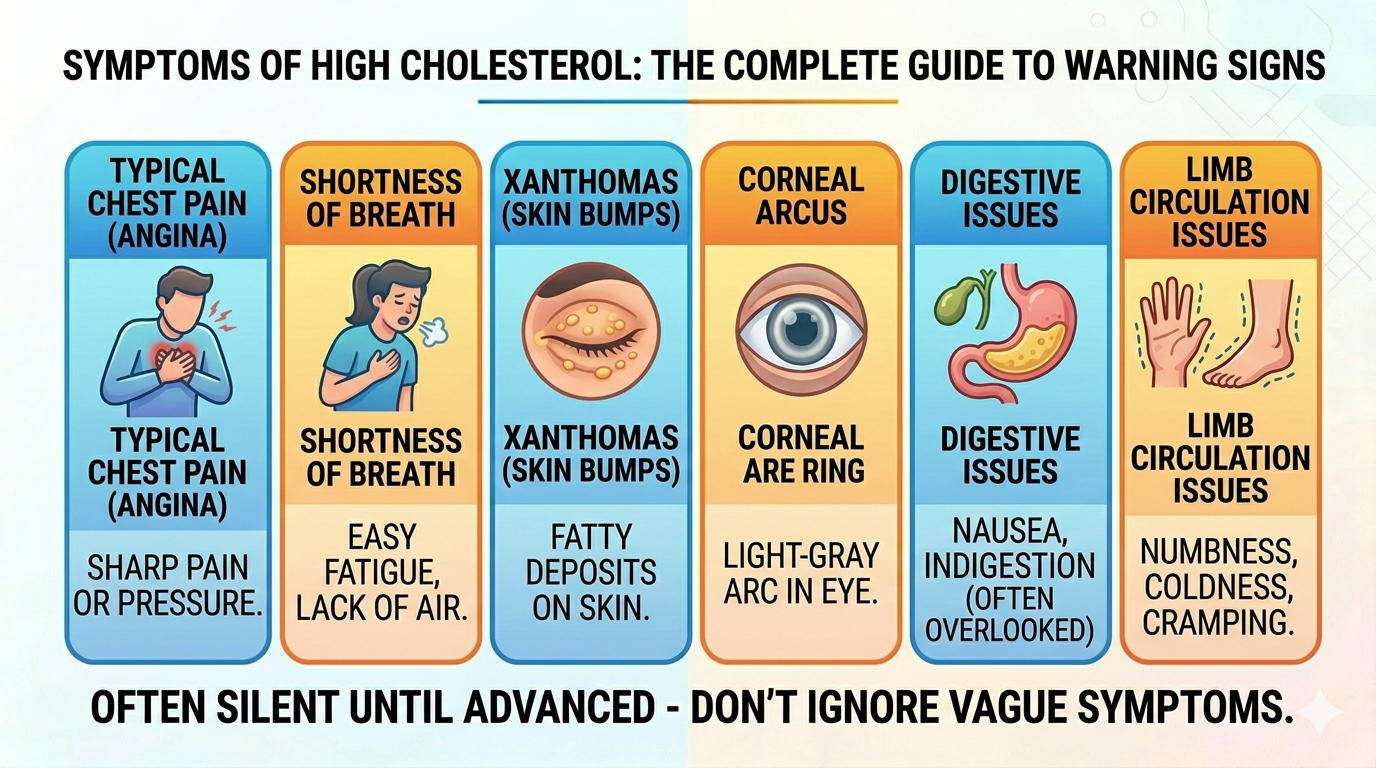
While many people don’t experience symptoms of high cholesterol, certain warning signs may develop, particularly when cholesterol levels have been elevated for an extended period. Here are the primary symptoms of high cholesterol to watch for:
1. Chest Pain and Angina
One of the most serious symptoms of high cholesterol is chest pain, medically known as angina. This symptom of high cholesterol occurs when plaque buildup in your coronary arteries restricts blood flow to your heart muscle. The chest pain associated with symptoms of high cholesterol typically occurs during physical exertion or stress and may feel like pressure, tightness, or discomfort in the center of your chest.
Chest pain is a critical symptom of high cholesterol that requires immediate medical attention. If you experience chest pain as a symptom of high cholesterol, call your doctor or seek emergency care immediately.
2. Shortness of Breath
Shortness of breath can be a symptom of high cholesterol, particularly when arteries are severely narrowed. This symptom of high cholesterol develops because your heart cannot pump oxygen-rich blood efficiently to your body. The shortness of breath associated with symptoms of high cholesterol may occur during physical activity or even at rest in severe cases.
Combined with other symptoms of high cholesterol, shortness of breath is a red flag that warrants immediate medical evaluation.
3. Jaw, Neck, and Throat Pain
An often-overlooked symptom of high cholesterol is pain in the jaw, neck, or throat region. This particular symptom of high cholesterol is especially common in women and can be confused with dental problems or stress-related tension. The symptom of high cholesterol in this area occurs because narrowed arteries reduce blood flow to these regions.
Women, in particular, may experience this symptom of high cholesterol rather than the classic chest pain associated with heart problems, which is one reason symptoms of high cholesterol are frequently missed in women.
4. Extreme Fatigue and Weakness
Chronic fatigue that doesn’t improve with rest can be a symptom of high cholesterol. When your arteries are narrowed due to cholesterol buildup, your heart and muscles don’t receive adequate oxygen-rich blood, leading to fatigue. This symptom of high cholesterol may be subtle but persistent, affecting your ability to perform daily activities.
If you notice unexplained fatigue as a potential symptom of high cholesterol, especially if it’s accompanied by other warning signs, consult your healthcare provider.
5. Dizziness and Lightheadedness
Symptoms of high cholesterol can include dizziness and lightheadedness, which occur when cholesterol plaques restrict blood flow to your brain. This symptom of high cholesterol may happen suddenly during activity or position changes and could indicate that your arteries are severely compromised.
6. Leg Pain and Numbness (Peripheral Artery Disease)
One of the symptoms of high cholesterol that affects the lower extremities is pain, numbness, or weakness in the legs and feet. This symptom of high cholesterol is associated with a condition called peripheral artery disease (PAD), where cholesterol plaques block blood flow to your limbs.
People experiencing this symptom of high cholesterol may notice their legs become cold, weak, or numb, and in severe cases, wounds in these areas may heal slowly. This particular symptom of high cholesterol requires medical attention to prevent serious complications.
7. Irregular Heartbeat (Arrhythmia)
Symptoms of high cholesterol can include heart palpitations or an irregular heartbeat. This symptom of high cholesterol develops because reduced blood flow affects your heart’s electrical system. If you notice this symptom of high cholesterol—such as a fluttering sensation in your chest or a racing heart—seek medical evaluation.
8. Headaches and Migraines
Restricted blood flow to the brain can trigger headaches or migraines as symptoms of high cholesterol. While headaches alone are not definitive symptoms of high cholesterol, they become concerning when paired with other warning signs mentioned in this guide.
9. Xanthomas (Fatty Skin Deposits)
One of the visible symptoms of high cholesterol is the appearance of xanthomas—soft, yellowish growths or deposits on the skin, particularly around the eyes, elbows, and hands. This symptom of high cholesterol typically indicates very high cholesterol levels and is more common in individuals with familial hypercholesterolemia (an inherited form of high cholesterol).
The presence of xanthomas as a symptom of high cholesterol should prompt immediate medical evaluation and treatment.
10. Corneal Arcus (Cholesterol Rings Around the Eyes)
Another visible symptom of high cholesterol is the development of grayish or whitish rings around the cornea of your eyes, a condition called corneal arcus or arcus senilis. This symptom of high cholesterol is more noticeable in younger individuals and may indicate dangerously high cholesterol levels, particularly when caused by genetic factors.
Symptoms of High Cholesterol in Women: Why They’re Often Different
Symptoms of high cholesterol in women differ significantly from symptoms of high cholesterol in men, which is a crucial distinction often missed by healthcare providers and patients alike. Understanding the specific symptoms of high cholesterol in women is essential for early detection and prevention.
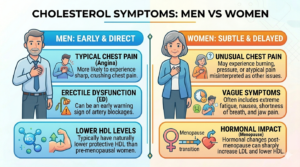
Research shows that women tend to develop symptoms of high cholesterol differently due to hormonal changes, particularly after menopause when estrogen levels decline. Symptoms of high cholesterol in women are often:
- Subtler: Women are more likely to experience atypical symptoms of high cholesterol, such as jaw or neck pain rather than dramatic chest pain.
- Misattributed: Symptoms of high cholesterol in women are frequently blamed on stress, anxiety, or aging, delaying proper diagnosis.
- Later Onset: While men often experience symptoms of high cholesterol in their 40s or 50s, women typically develop symptoms of high cholesterol after menopause, around age 55 or older.
Women with symptoms of high cholesterol should advocate for themselves and ensure regular cholesterol screenings, especially if they have a family history of heart disease or if they’ve reached menopause.
Symptoms of High Cholesterol vs. Heart Attack Symptoms
It’s crucial to understand the difference between symptoms of high cholesterol and acute heart attack symptoms. While symptoms of high cholesterol develop gradually over years, a heart attack presents with sudden, severe symptoms.
Symptoms of high cholesterol typically include:
- Mild to moderate chest discomfort with exertion
- Gradual onset of fatigue
- Progressive shortness of breath
Heart attack symptoms (requiring immediate emergency care) include:
- Severe, crushing chest pain or pressure
- Pain radiating to the arm, shoulder, jaw, or back
- Sudden shortness of breath
- Sweating, nausea, and dizziness
- Loss of consciousness
If you experience any acute symptoms, call emergency services immediately. Do not attempt to self-diagnose based on symptoms of high cholesterol.
Risk Factors That Increase Your Likelihood of Symptoms of High Cholesterol
Several factors increase your risk of developing high cholesterol and subsequently experiencing symptoms of high cholesterol. Understanding these risk factors helps you take preventive action:
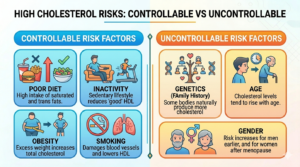
Controllable Risk Factors:
- Poor Diet: Consuming foods high in saturated fats and trans fats increases cholesterol levels, making symptoms of high cholesterol more likely.
- Sedentary Lifestyle: Lack of physical activity contributes to high cholesterol, increasing the chances of symptoms of high cholesterol developing.
- Smoking: Smoking lowers HDL (good) cholesterol, worsening cholesterol ratios and accelerating symptoms of high cholesterol.
- Excess Weight: Obesity and being overweight increase the risk of high cholesterol and symptoms of high cholesterol.
- Stress: Chronic stress can elevate cholesterol levels, contributing to symptoms of high cholesterol.
- Alcohol Consumption: Excessive alcohol intake can raise triglycerides and contribute to high cholesterol.
Uncontrollable Risk Factors:
- Age: Cholesterol tends to increase with age, making symptoms of high cholesterol more common as you get older.
- Gender: Men typically develop high cholesterol earlier, while women’s risk increases significantly after menopause.
- Family History: If your parents or siblings have high cholesterol, your genetic predisposition increases, making symptoms of high cholesterol more likely.
- Medical Conditions: Diabetes, kidney disease, and thyroid problems increase high cholesterol risk and symptoms of high cholesterol.
How High Cholesterol Develops into Symptoms of High Cholesterol
Understanding the progression from high cholesterol to symptoms of high cholesterol helps emphasize the importance of early intervention:
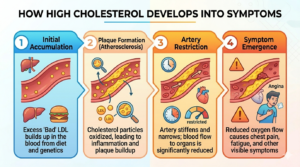
Stage 1 – Silent Elevation: Cholesterol levels rise without any symptoms of high cholesterol. You feel completely normal, unaware that your blood chemistry is changing.
Stage 2 – Plaque Accumulation: Over months and years, LDL cholesterol deposits accumulate in artery walls, narrowing vessels. Still, symptoms of high cholesterol are absent.
Stage 3 – Blood Flow Restriction: As arteries narrow, blood flow decreases significantly. This is when symptoms of high cholesterol begin to appear—chest pain, fatigue, shortness of breath.
Stage 4 – Critical Events: Without intervention, symptoms of high cholesterol can progress to heart attacks, strokes, or other cardiovascular emergencies.
The timeline for this progression varies among individuals but emphasizes why early detection through blood tests is so critical. By the time symptoms of high cholesterol appear, significant arterial damage may have already occurred.
Diagnosis and Testing for High Cholesterol
Since symptoms of high cholesterol are unreliable or nonexistent, diagnosis depends entirely on blood tests. A lipid panel blood test measures:
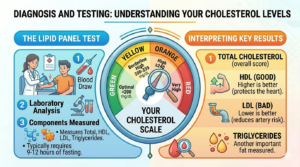
- Total Cholesterol: Your combined LDL and HDL cholesterol plus 20% of triglycerides
- LDL Cholesterol: The “bad” cholesterol that forms plaque
- HDL Cholesterol: The “good” cholesterol that removes excess cholesterol
- Triglycerides: Another fat in your blood that contributes to heart disease risk
Cholesterol Level Guidelines:
- Desirable: Less than 200 mg/dL
- Borderline High: 200-239 mg/dL
- High: 240 mg/dL and above
For accurate results, fast for 9-12 hours before your test, as food can temporarily elevate cholesterol readings. Regular testing—typically every 4-6 years for adults without risk factors, or annually for those with risk factors—is essential for identifying high cholesterol before symptoms of high cholesterol develop.
Management and Prevention of High Cholesterol Before Symptoms Develop
The best approach to high cholesterol is prevention before symptoms of high cholesterol appear. Here are evidence-based strategies:
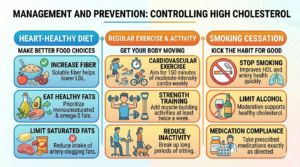
Lifestyle Modifications:
- Adopt a Heart-Healthy Diet: Reduce saturated fats, eliminate trans fats, increase fiber from fruits, vegetables, and whole grains. This is the most effective way to prevent high cholesterol before symptoms develop.
- Exercise Regularly: Aim for at least 150 minutes of moderate aerobic activity weekly to lower LDL and raise HDL cholesterol.
- Maintain a Healthy Weight: Losing just 10% of excess weight can significantly improve cholesterol levels and reduce high cholesterol risk.
- Quit Smoking: Smoking cessation immediately begins improving your cholesterol profile and reducing high cholesterol risk.
- Limit Alcohol: Moderate consumption (1 drink daily for women, 2 for men) helps maintain healthy cholesterol levels.
- Manage Stress: Practice stress-reduction techniques like meditation, yoga, or counseling to prevent stress-related cholesterol elevation.
Medical Treatment:
If lifestyle changes don’t sufficiently lower cholesterol, doctors may prescribe medications such as:
- Statins: The most commonly prescribed cholesterol-lowering medications that block an enzyme needed for cholesterol production
- PCSK9 Inhibitors: Newer medications for those who don’t respond well to statins
- Ezetimibe: Reduces dietary cholesterol absorption
- Bile Acid Sequestrants: Help eliminate cholesterol through digestion
Taking prescribed medications as directed is crucial for preventing symptoms of high cholesterol from developing.
When to See a Doctor About High Cholesterol Concerns
Schedule an appointment with your doctor if:
- You’re over 40 (or 20 if you have risk factors) and haven’t had your cholesterol checked
- You experience any symptoms suggestive of high cholesterol mentioned in this guide
- You have a family history of high cholesterol or heart disease
- You have other risk factors like diabetes, hypertension, or obesity
- Your cholesterol test results are elevated
- You’re experiencing chest pain, shortness of breath, or other cardiac symptoms
Remember, you cannot diagnose high cholesterol based on symptoms alone. Professional medical evaluation is essential.
Frequently Asked Questions About Symptoms of High Cholesterol
Q1: Can you feel high cholesterol in your body?
No, you generally cannot feel high cholesterol. High cholesterol doesn’t produce obvious sensations or symptoms in most cases. The only way to know if you have high cholesterol is through a blood test. This is why it’s called a “silent killer”—it develops without noticeable symptoms until serious complications occur.
Q2: What are the first symptoms of high cholesterol?
In the early stages, there typically are no symptoms of high cholesterol. When symptoms eventually appear, they’re usually related to arterial damage rather than high cholesterol itself. The first noticeable symptoms of high cholesterol might include chest pain, shortness of breath, or jaw pain during physical activity, but by this time, significant arterial narrowing has usually occurred.
Q3: How long does it take for high cholesterol to cause symptoms?
The timeline varies significantly among individuals, but it typically takes several years to decades of elevated cholesterol before noticeable symptoms develop. Some people may develop symptoms of high cholesterol in their 40s or 50s, while others may not experience symptoms until much later in life, particularly if they have genetic factors influencing their cholesterol levels.
Q4: Are there any warning signs of high cholesterol before major symptoms develop?
Besides actual symptoms of high cholesterol, the most important “warning sign” is an elevated cholesterol reading on a blood test. Visible signs like xanthomas or corneal arcus indicate very high cholesterol, but these are uncommon. Otherwise, the absence of symptoms doesn’t mean you’re safe—regular testing is your best warning system.
Q5: Can high cholesterol cause leg pain?
Yes, high cholesterol can cause leg pain through a condition called peripheral artery disease (PAD). When cholesterol plaques narrow arteries supplying blood to your legs, you may experience pain, cramping, numbness, or weakness in your legs and feet, particularly during walking. This is a specific symptom of high cholesterol affecting the lower extremities.
Q6: Is jaw pain a symptom of high cholesterol?
Jaw pain can be a symptom of high cholesterol, particularly in women. When arteries supplying blood to your jaw and neck region narrow, you might experience pain or discomfort in these areas. Women are more likely to experience this atypical symptom of high cholesterol rather than classic chest pain.
Q7: Can fatigue be a symptom of high cholesterol?
Yes, unexplained fatigue can be a symptom of high cholesterol. When your arteries are significantly narrowed, your heart works harder to pump blood, and your muscles don’t receive adequate oxygen-rich blood, leading to persistent tiredness and weakness even with rest.
Q8: What should I do if I think I have symptoms of high cholesterol?
First, schedule an appointment with your doctor for a cholesterol blood test. Don’t attempt to self-diagnose based on symptoms, as many symptoms of high cholesterol are nonspecific and could indicate other conditions. If you experience severe chest pain, shortness of breath, or signs of a heart attack, seek emergency medical care immediately.
Q9: How often should I get my cholesterol checked?
Guidelines recommend that adults get their cholesterol checked every 4-6 years if they have no risk factors. However, if you have risk factors like family history, diabetes, obesity, or are over 40, you should have your cholesterol checked annually or as recommended by your doctor.
Q10: Can high cholesterol be reversed before symptoms develop?
Yes! Through lifestyle changes like diet modification, regular exercise, weight management, and smoking cessation, you can significantly lower cholesterol levels before any symptoms of high cholesterol develop. Early intervention is highly effective at preventing symptoms of high cholesterol and serious complications like heart disease and stroke.
Q11: Are symptoms of high cholesterol the same for men and women?
No, symptoms of high cholesterol differ between men and women. Men typically experience classic chest pain, while women are more likely to experience atypical symptoms of high cholesterol like jaw pain, neck pain, fatigue, or shortness of breath. This difference is partly due to hormonal factors and partly due to how women’s heart disease typically develops in smaller vessels.
Q12: What’s the relationship between high cholesterol and heart attack symptoms?
High cholesterol itself doesn’t cause heart attack symptoms, but years of elevated cholesterol can lead to arterial damage that causes heart attacks. The symptoms of high cholesterol (like chest pain with exertion) are warning signs of this damage. A heart attack presents with sudden, severe symptoms and is a medical emergency requiring immediate treatment.
Conclusion
Understanding symptoms of high cholesterol is crucial for protecting your long-term health, even though high cholesterol typically causes no symptoms in its early stages. The key takeaway is that symptoms of high cholesterol are often absent until significant arterial damage has occurred, which is why regular blood testing is essential for early detection.
Don’t wait for symptoms of high cholesterol to appear before taking action. Schedule a cholesterol screening today, adopt a heart-healthy lifestyle, and work with your healthcare provider to maintain healthy cholesterol levels. Remember, the best approach to high cholesterol is prevention before symptoms develop. By understanding the risk factors, recognizing potential warning signs, and taking proactive steps to manage your cholesterol, you can significantly reduce your risk of heart disease and stroke while ensuring a healthier, longer life.
If you experience any of the symptoms of high cholesterol mentioned in this guide, contact your healthcare provider immediately. Your health is too important to ignore, and early intervention can be lifesaving.
Additional Resources and Recommendations
For more information about high cholesterol and heart disease prevention, consult with:
- Your primary care physician
- A cardiologist specializing in heart health
- A registered dietitian for personalized nutrition guidance
- Your local health department for community health resources
The information in this article is for educational purposes and should not replace professional medical advice. Always consult your healthcare provider for diagnosis and treatment of health conditions.



Comments (1)
Complete Guide to Cholesterol: Stop Heart Disease Todaysays:
May 20, 2026 at 8:34 pm[…] makes cholesterol a “silent” risk factor that can damage your cardiovascular system without warning […]