


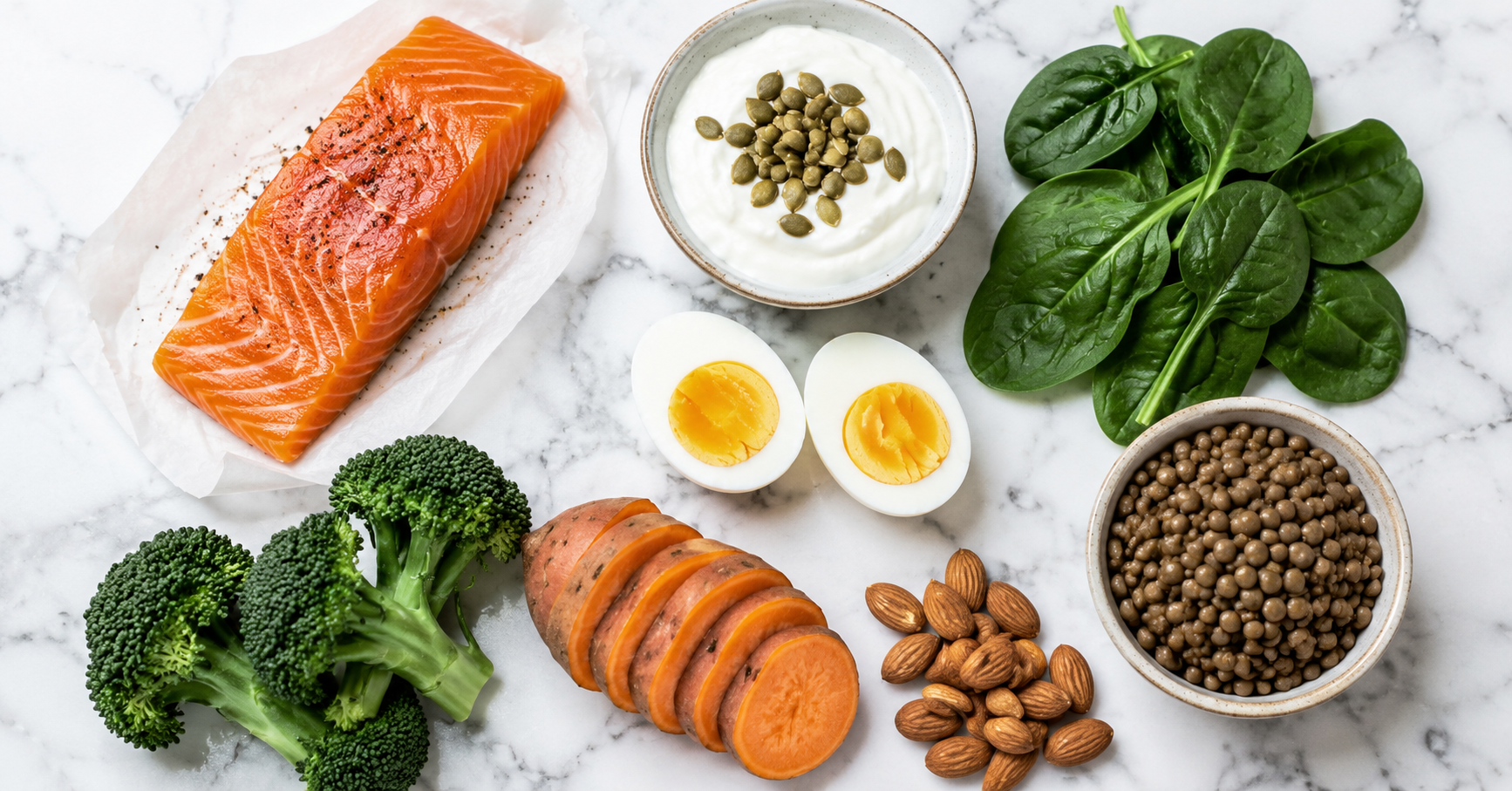
Introduction
Most people think dieting means eating less. That part is true. What nobody tells them is that eating less also means taking in fewer vitamins, fewer minerals, and fewer of the essential micronutrients their bodies rely on every single day.
This is the quiet problem sitting underneath most failed diets. You cut calories, lose weight for a few weeks, and then something starts slipping — energy, sleep, concentration, hair health, and mood. Not always because you are eating too little food in total, but because you stopped maintaining nutrition while cutting back on calories.
This guide covers exactly what maintaining nutrition means in a calorie deficit, which nutrients most dieters lose first, the best foods to prioritise, and the daily habits that keep your nutritional foundations solid while your weight moves in the right direction.
What Does Maintaining Nutrition Actually Mean?
Maintaining nutrition means consistently meeting your body’s requirements for essential vitamins, minerals, protein, fibre, and healthy fats — regardless of how many calories you are eating. In a calorie deficit, maintaining nutrition requires choosing foods that deliver the highest possible micronutrient value per calorie, since eating less food automatically reduces your total nutrient intake unless you plan deliberately.
Hitting your daily calorie target is only half the job. Maintaining nutrition is the other half — and for most dieters, the more neglected half.
Why Maintaining Nutrition Gets Harder in a Calorie Deficit
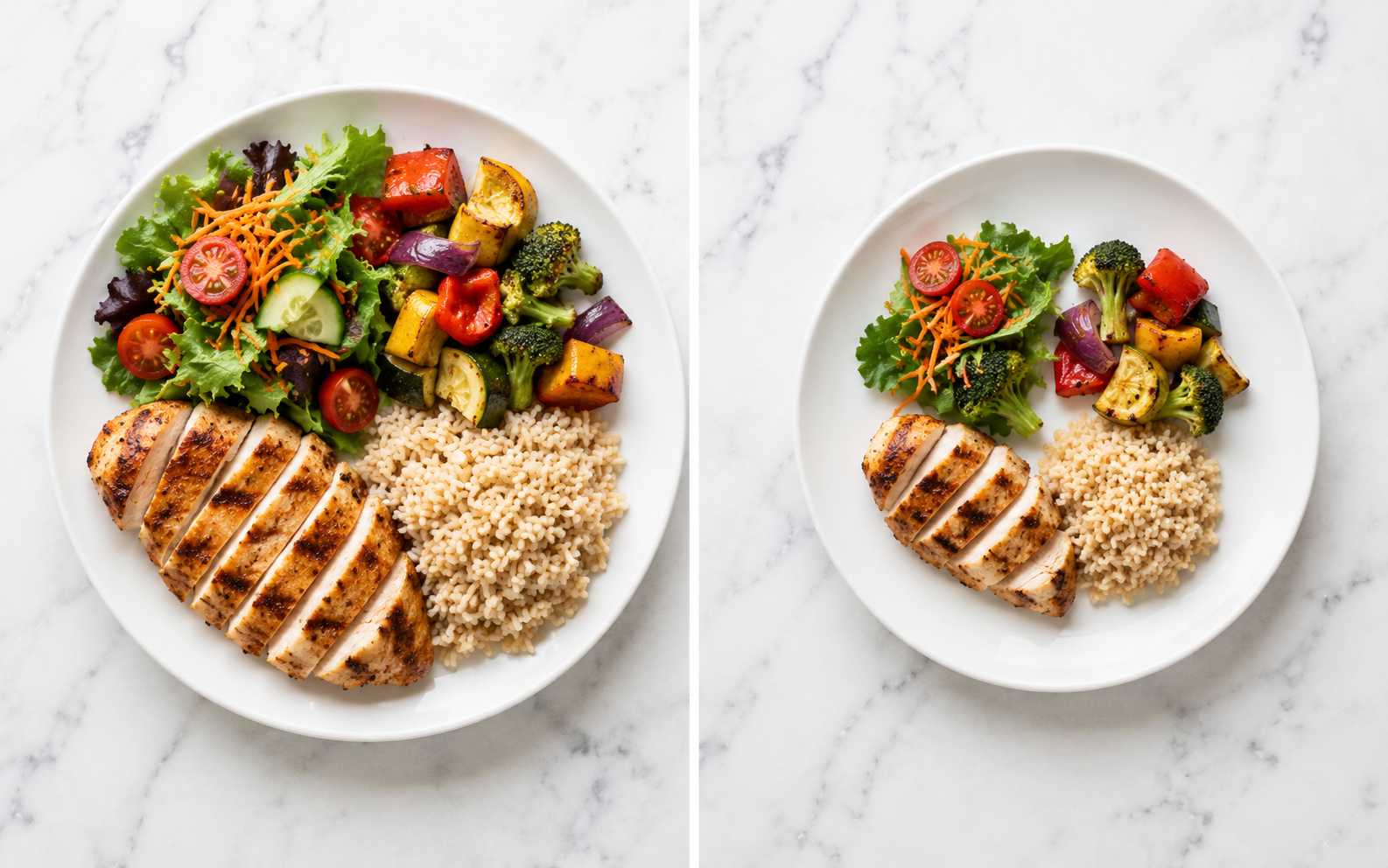
When you reduce your calorie intake from 2,200 to 1,700 calories per day, you are not just eating less — you are giving your body 23% less food to extract all of its essential nutrients from. Every vitamin, mineral, and trace element that previously came from food is now harder to reach.
A peer-reviewed study published in the journal Nutrients confirmed that commercial weight-loss diets consistently fail to meet recommended intakes for essential micronutrients, with more than 25% of women in diet interventions showing inadequate intake of at least 2–6 key vitamins and minerals. The nutrients most commonly falling short include vitamins C, D, E, B12, folate, thiamine, calcium, iron, magnesium, and zinc.
This is not a reason to avoid a calorie deficit — it is a reason to approach one strategically. Maintaining nutrition while losing weight is entirely achievable, but it requires deliberate food choices rather than simply eating less of whatever you ate before.
The 5 Nutrients Most at Risk When Dieting
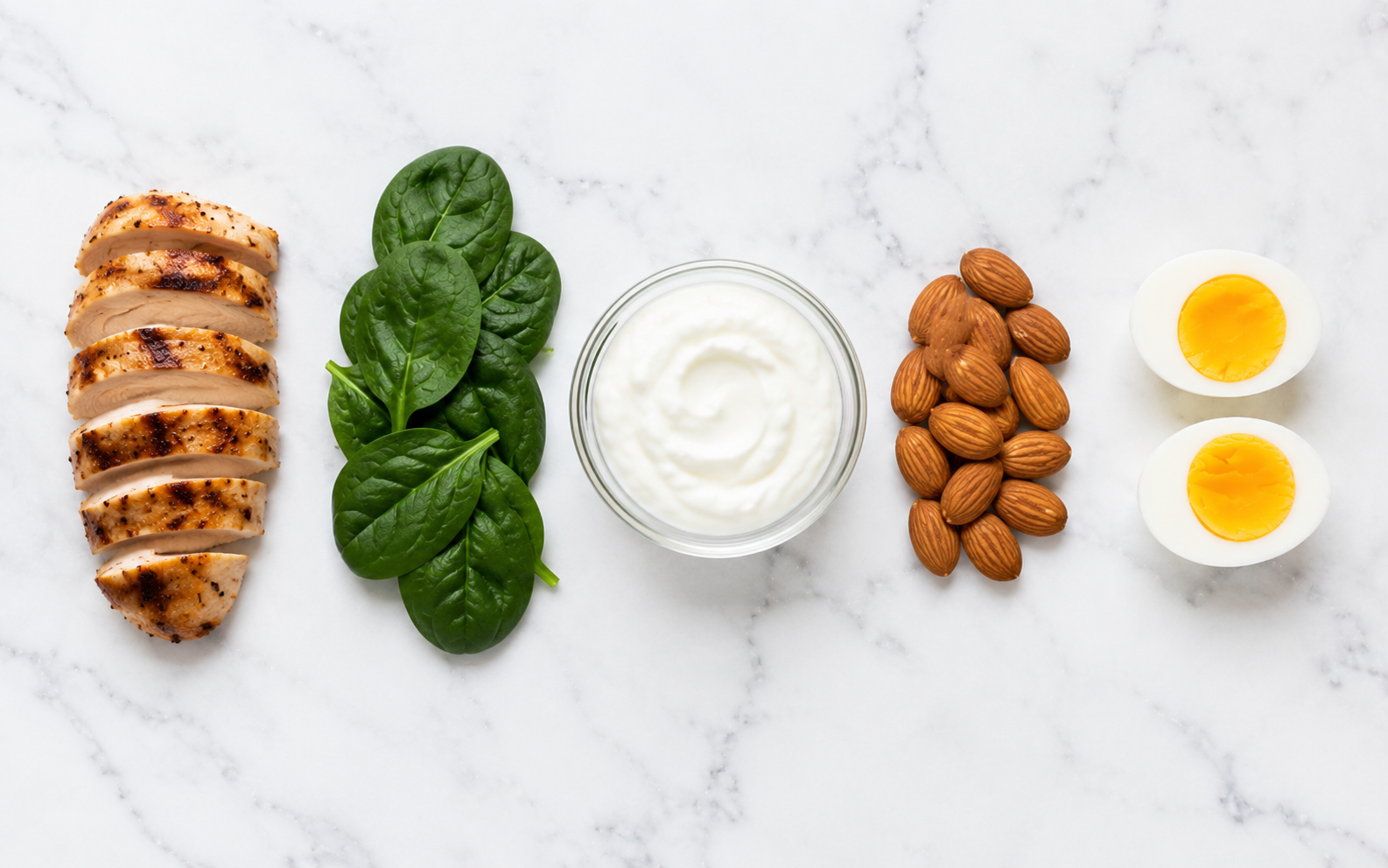
Research consistently identifies the same shortfall nutrients across multiple weight-loss diet interventions. These are the five that demand the most attention when maintaining nutrition in a calorie deficit.
1. Protein
Protein is the single most critical nutrient for maintaining nutrition during fat loss. A calorie deficit that is low in protein dramatically increases the risk of losing lean muscle tissue alongside fat — a process called lean mass catabolism that slows your metabolism and weakens your body over time.
The American Journal of Clinical Nutrition recommends 1.2–1.6 grams of protein per kilogram of body weight during active calorie restriction. At this intake, protein preserves muscle, supports satiety, and increases the thermic effect of food — meaning your body burns more calories just digesting it.
Best sources: chicken breast, eggs, Greek yogurt, cottage cheese, lentils, tofu, tinned tuna, and low-fat dairy. Aim for 25–35 grams of protein at each main meal.
2. Iron
Iron deficiency is the most widespread nutritional deficiency in the world, affecting an estimated 2 billion people globally according to the World Health Organization — and calorie restriction makes it significantly more likely. Iron is essential for producing haemoglobin, which carries oxygen to muscles and organs. A deficiency presents as persistent fatigue, weakness, difficulty concentrating, pale skin, and reduced exercise capacity.
Women of menstruating age are particularly vulnerable when maintaining nutrition in a calorie deficit, as they lose iron monthly and may be cutting the red meat and fortified foods that previously supplied it.
Best sources: red meat, oysters, dark leafy greens, lentils, fortified cereals, pumpkin seeds, and tofu. Always pair plant-based iron sources with vitamin C — citrus juice, bell peppers, or strawberries — to increase absorption by up to 60%, as confirmed by the NIH Office of Dietary Supplements.
3. Calcium and Vitamin D
These two nutrients work as a team, and both are commonly insufficient during weight-loss diets. Calcium is required for bone density, muscle contraction, and nerve signalling. Vitamin D — deficient in an estimated 40% of adults worldwide according to the Endocrine Society — is essential for calcium absorption, immune regulation, mood stability, and hormonal balance.
Most weight-loss diets reduce or eliminate dairy, fortified foods, and fatty fish, making calcium and vitamin D two of the first casualties of restricting intake. The NIH recommends 1,000–1,200 mg of calcium and 600–800 IU of vitamin D for most healthy adults. For many people in calorie restriction, dietary sources alone are insufficient for vitamin D, making a daily supplement of 1,000–2,000 IU widely recommended by endocrinologists.
Best sources: dairy products, fortified plant milks, canned salmon and sardines, eggs, broccoli, and 10–30 minutes of sensible daily sun exposure.
4. Magnesium
Magnesium participates in over 300 enzymatic reactions in the human body — including energy production, blood sugar regulation, protein synthesis, muscle function, and sleep regulation. Despite this, the 2015 US Dietary Guidelines Advisory Committee listed magnesium as one of the ten most widespread nutritional shortfall nutrients in the American diet, and dieting makes this deficiency worse.
Low magnesium during a calorie deficit is associated with poor sleep quality, muscle cramps, elevated cortisol, anxiety, increased inflammation, and impaired workout recovery — a cluster of symptoms that often gets blamed on “the diet” when the real cause is a specific nutrient gap.
Best sources: dark chocolate (70% +), pumpkin seeds, almonds, black beans, spinach, edamame, and whole grains. These foods are all moderate in calories and highly compatible with a well-planned deficit.
5. B Vitamins
The B vitamin family — particularly B1 (thiamine), B2 (riboflavin), B6 (pyridoxine), B9 (folate), and B12 (cobalamin) — are central to energy metabolism, nervous system function, mood regulation, and red blood cell production. Since these vitamins are water-soluble, the body does not store them, making daily intake from food essential.
During a calorie deficit, B vitamin intake drops proportionally with food volume. Vitamin B12 is of particular concern for those following plant-based, vegetarian, or low-meat diets, as it is found almost exclusively in animal products — meat, fish, eggs, and dairy. Deficiency in B12 develops slowly but causes fatigue, neurological symptoms, memory problems, and impaired mood.
Best sources for the B complex: eggs, meat, fish, dairy, fortified plant milks, leafy green vegetables, legumes, and whole grain bread.
The Best Foods for Maintaining Nutrition on Fewer Calories
The most effective strategy for maintaining nutrition in a calorie deficit is choosing nutrient-dense foods — those that deliver a high micronutrient load relative to their calorie cost.
| Food | Calories (per 100g) | Key Nutrients Provided |
|---|---|---|
| Spinach | 23 | Iron, folate, magnesium, vitamin K, vitamin C |
| Broccoli | 34 | Vitamin C, vitamin K, folate, calcium, iron |
| Eggs | 155 | Protein, B12, vitamin D, choline, selenium |
| Greek yogurt | 59 | Protein, calcium, B12, probiotics, iodine |
| Lentils | 116 | Iron, folate, protein, magnesium, fibre |
| Salmon | 208 | Protein, omega-3, vitamin D, B12, selenium |
| Sweet potato | 86 | Vitamin A, potassium, fibre, vitamin C |
| Pumpkin seeds | 559 | Magnesium, zinc, iron, healthy fats, protein |
Notice that the foods at the top of this list — spinach, broccoli, Greek yogurt, lentils — deliver extraordinary nutritional coverage at very low calorie costs. These should form the foundation of maintaining nutrition on a restricted intake.
Can You Get All Nutrients From Food Alone?
For most people eating 1,400–1,800 calories per day from a well-planned, varied diet, food alone can supply most essential nutrients. However, three are consistently difficult to obtain in adequate amounts during a calorie deficit regardless of diet quality:
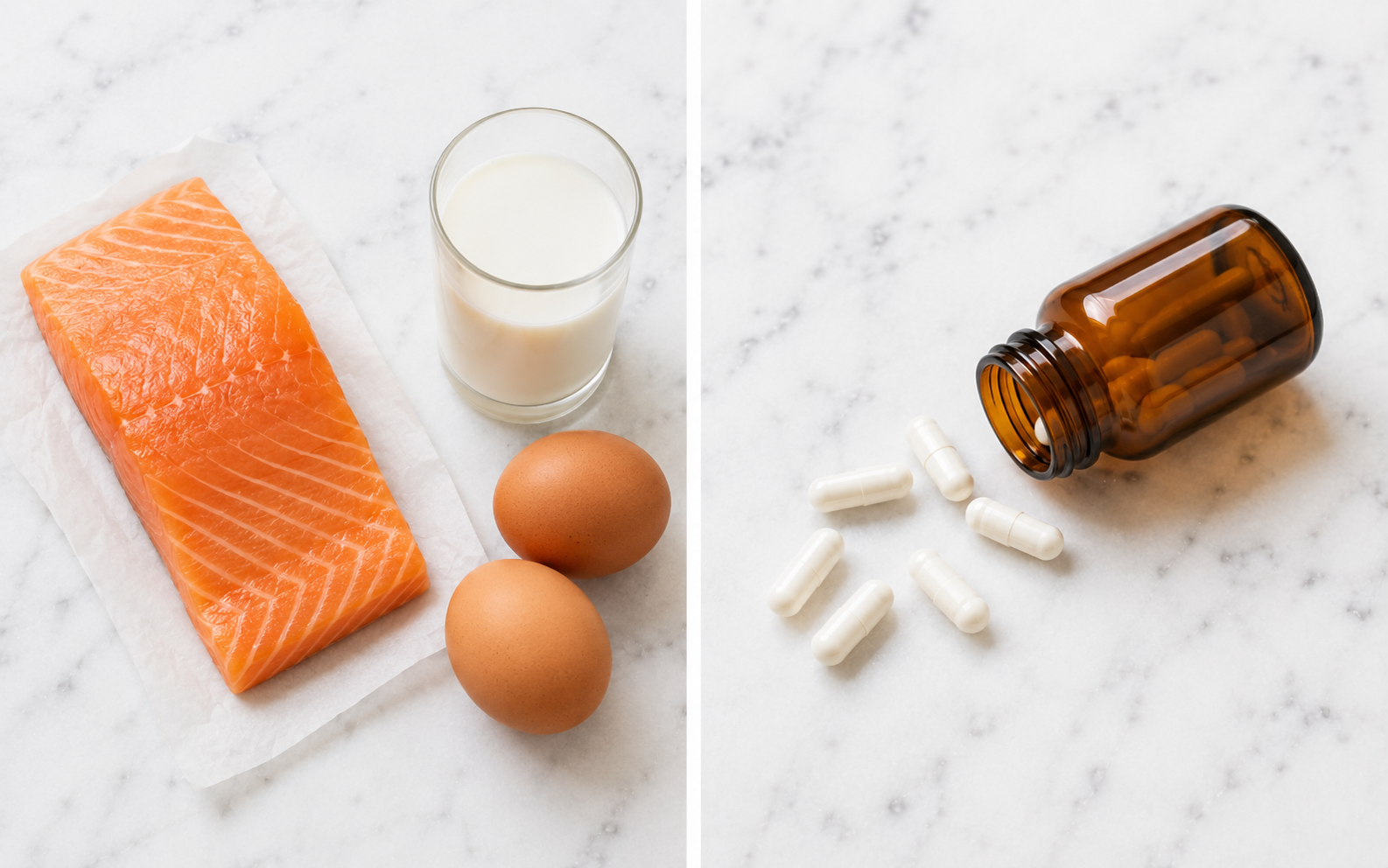
Vitamin D: Unless you live in a sunny climate and spend meaningful time outdoors daily, dietary sources alone are rarely sufficient. A baseline supplement of 1,000–2,000 IU daily is widely recommended by the Endocrine Society for most adults.
Vitamin B12: Anyone limiting or avoiding animal products should supplement, as plant foods contain virtually none. A standard B12 supplement of 250–500 mcg daily covers this gap effectively and inexpensively.
Omega-3 fatty acids (EPA and DHA): Found primarily in oily fish. For those who eat fatty fish fewer than twice a week, a fish oil or algae-based omega-3 supplement is a practical and evidence-backed option for maintaining the anti-inflammatory and cardiovascular benefits that dietary omega-3s provide.
A basic high-quality multivitamin will not replace a poor diet, but it can act as a useful nutritional safety net during periods of calorie restriction when maintaining nutrition from food alone becomes more challenging. Think of it as insurance, not a solution.
Warning Signs Your Nutrition Is Slipping While Dieting

Maintaining nutrition should feel manageable day to day. Your energy, mood, and physical wellbeing should remain broadly stable even as your weight decreases. If you experience any of the following consistently over two or more weeks, your micronutrient intake may be insufficient:
- Persistent tiredness that does not improve with sleep — possible iron, B12, or vitamin D deficiency
- Muscle cramps or twitching, particularly at night — possible magnesium or calcium deficiency
- Hair thinning or shedding more than usual — possible iron, biotin, or protein deficiency
- Brittle nails breaking or peeling — possible iron or zinc deficiency
- Frequent colds or infections, slow wound healing — possible vitamin C or zinc deficiency
- Low mood, brain fog, or difficulty concentrating — possible B12, folate, omega-3, or vitamin D deficiency
- Loss of menstrual cycle in women — a serious sign the calorie deficit is too aggressive or nutrition is severely compromised
Any of these symptoms lasting more than two weeks warrants a conversation with your doctor and a basic blood panel checking iron, ferritin, B12, vitamin D, and thyroid function.
7 Daily Habits for Maintaining Nutrition in a Calorie Deficit
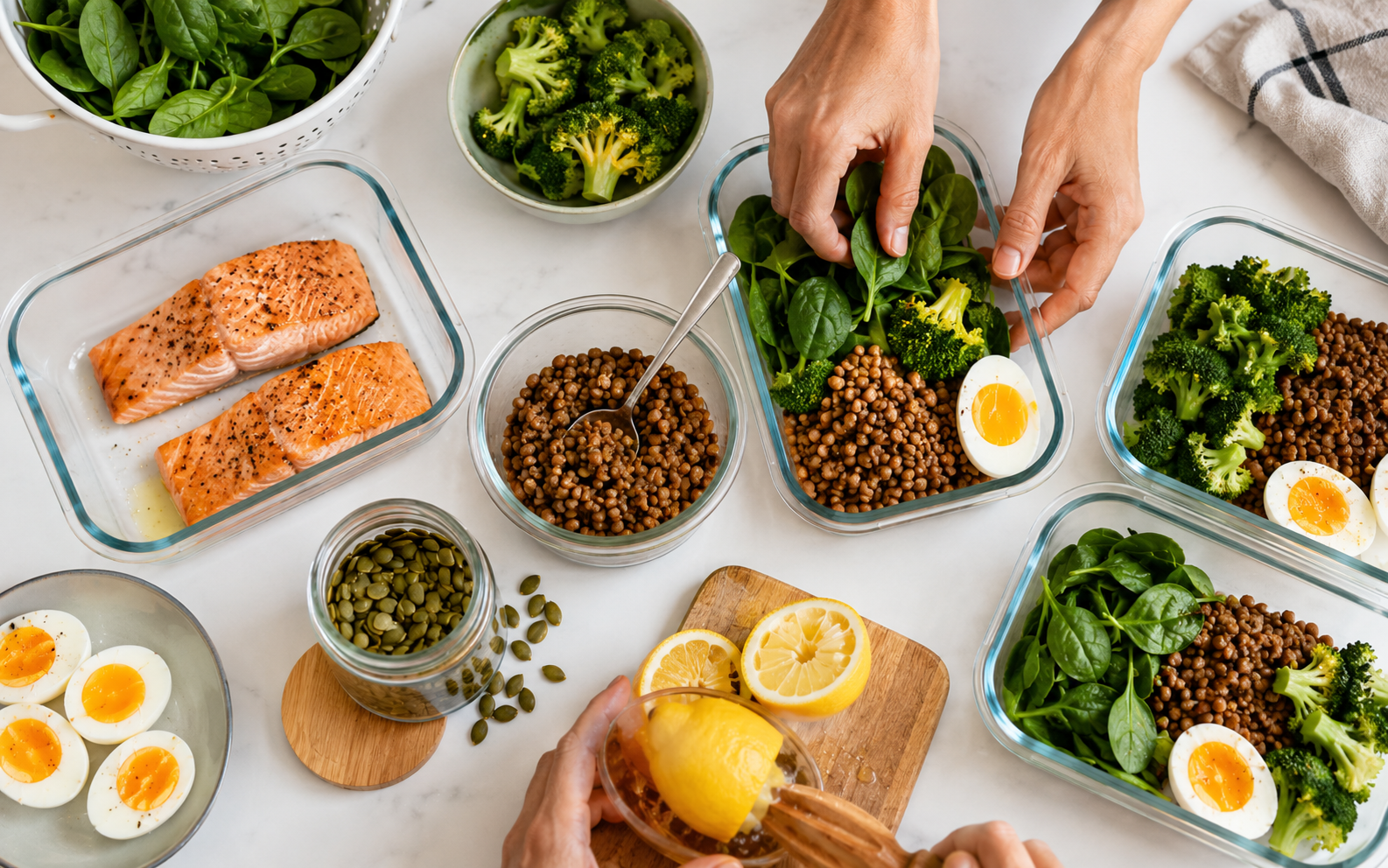
1. Eat dark leafy greens at two meals every day. Spinach, kale, rocket, and Swiss chard at both lunch and dinner covers a substantial portion of your daily iron, folate, magnesium, calcium, and vitamin K requirements at virtually no calorie cost.
2. Include a protein source at every single meal. Targeting 25–35 grams of protein per meal protects muscle mass, reduces hunger between meals, and helps hit your daily protein target without adding extra calories.
3. Always pair plant-based iron with vitamin C. Squeeze lemon juice over spinach, add bell pepper to lentil soup, or eat a small orange with fortified breakfast cereal. This simple pairing can increase iron absorption by up to 60%.
4. Eat fatty fish twice a week. Salmon, sardines, and mackerel twice weekly provides adequate omega-3 fatty acids, a meaningful dose of vitamin D, and a significant B12 contribution — all in one meal under 300 calories.
5. Use herbs and spices generously. Parsley, coriander, turmeric, ginger, and garlic add meaningful antioxidant and micronutrient value to every meal at essentially zero calorie cost. They are one of the most underused tools in maintaining nutrition while restricting intake.
6. Diversify your diet deliberately. Eating the same 8–10 foods repeatedly, even if healthy, creates nutritional blind spots. Rotating protein sources, varying vegetable colours, and trying new legumes ensures broader micronutrient coverage week to week.
7. Track your intake for at least two focused weeks. Using a nutrition tracking app like Cronometer (which shows micronutrient detail, not just calories) for a short period reveals exactly which vitamins and minerals you are consistently under on — far more reliably than guessing. Most people are surprised by what they find.
Conclusion
Maintaining nutrition during a calorie deficit is not complicated, but it is genuinely easy to overlook when the focus is entirely on eating less and watching the scale. The two goals are not in conflict — but one requires more deliberate attention than most diet advice acknowledges.
Prioritise protein at every meal. Build your plate around dark leafy greens and colourful vegetables. Eat fatty fish twice a week. Pair plant-based iron with vitamin C. Consider baseline supplements for vitamin D and B12 if your diet limits those sources. And track your full nutritional intake honestly, at least once, to see where the real gaps are.
Weight loss that maintains your nutritional foundations is weight loss that maintains your health, your energy, and your results for the long term. That is the only version truly worth pursuing.
What does maintaining nutrition mean while dieting?
Maintaining nutrition while dieting means consistently meeting your body’s requirements for protein, vitamins, minerals, fibre, and healthy fats — even while eating fewer calories overall. It requires choosing nutrient-dense foods that deliver maximum micronutrient value per calorie, since reducing food intake automatically reduces total nutrient intake unless you plan deliberately.
Which nutrients are most at risk during a calorie deficit?
Research published in the journal Nutrients confirms the most commonly deficient nutrients during calorie restriction are protein, iron, calcium, vitamin D, magnesium, and the B vitamin family — particularly B12 and folate. These shortfalls occur because dietary restriction reduces total food volume, and most people do not compensate by increasing the nutrient density of what they eat.
Can you maintain proper nutrition on 1,200 calories per day?
Maintaining full nutrition on 1,200 calories per day is genuinely difficult without extremely careful food selection and likely some supplementation. A 1,200-calorie diet built around nutrient-dense whole foods — leafy greens, lean protein, fatty fish, legumes, eggs — can cover most requirements, but vitamin D, B12, and omega-3 fatty acids are nearly impossible to meet from food alone at this intake. A baseline multivitamin and targeted supplements are strongly advisable.
Do you need supplements for maintaining nutrition in a calorie deficit?
Most people eating 1,400–1,800 calories from a varied, whole-food diet can meet the majority of their nutritional needs from food. However, three nutrients are consistently difficult to obtain in adequate amounts during calorie restriction: vitamin D, vitamin B12 (especially for those limiting animal products), and omega-3 fatty acids. Supplementing these three specifically is a practical and evidence-backed approach to maintaining nutrition during a deficit.
How do you know if your nutrition is slipping while dieting?
The most reliable signs of nutritional deficiency during a calorie deficit include persistent fatigue not resolved by sleep (iron, B12, vitamin D), muscle cramps at night (magnesium, calcium), unusual hair thinning (iron, protein, biotin), brittle nails (zinc, iron), frequent infections (vitamin C, zinc), and persistent low mood or brain fog (B12, folate, omega-3). Symptoms lasting more than two weeks warrant a blood panel from your doctor.
What are the best foods for maintaining nutrition on fewer calories?
The most nutrient-dense, calorie-efficient foods for maintaining nutrition in a deficit are spinach and dark leafy greens (iron, folate, magnesium at very few calories), eggs (protein, B12, vitamin D), Greek yogurt (protein, calcium, B12), lentils (iron, protein, folate, fibre), salmon (omega-3, vitamin D, B12, protein), and sweet potato (vitamin A, fibre, potassium). Building meals around these foods gives the highest nutritional return per calorie consumed.
Disclaimer: The information in this article is provided for educational purposes only and does not constitute medical or nutritional advice. If you are experiencing symptoms of nutritional deficiency, consult a qualified healthcare provider or registered dietitian before making changes to your diet or supplement routine.
References:
- Nutrients (MDPI): Micronutrient Gaps in Three Commercial Weight-Loss Diet Plans — pmc.ncbi.nlm.nih.gov/articles/PMC5793336/
- NIH Office of Dietary Supplements: Iron Fact Sheet for Health Professionals — ods.od.nih.gov
- Endocrine Society: Vitamin D Deficiency Clinical Practice Guideline — endocrine.org
- US Dietary Guidelines Advisory Committee 2015: Shortfall Nutrients Report — dietaryguidelines.gov
- American Journal of Clinical Nutrition: Dietary Protein and Lean Mass Preservation — academic.oup.com/ajcn
- PMC: Requirements for Essential Micronutrients During Caloric Restriction — pmc.ncbi.nlm.nih.gov/articles/PMC10936542/
- World Health Organization: Micronutrient Deficiencies — who.int



Comments (1)
Weight Loss Diets: Complete Guide to Popular Diet Planssays:
July 3, 2026 at 2:10 pm[…] Mediterranean diet is consistently ranked as one of the healthiest and most sustainable weight loss diets in the world. Inspired by the traditional eating habits of people in Greece, Italy, and Spain — […]