


Introduction
Millions of people search for weight loss diets every single day — and for good reason. With obesity rates climbing globally in 2026, finding the right diet plan has never been more critical. Yet the internet is overflowing with contradictory advice, fad diets, and miracle promises that lead nowhere. The truth? Science does not support a one-size-fits-all approach to losing weight. What it does support is this: the best weight loss diet is the one you can actually stick to.
Whether you are just starting your health journey or looking to break a plateau, this complete guide to popular diet plans will walk you through the most effective, research-backed weight loss diets available today — their benefits, their limitations, and who they work best for.
Why Weight Loss Diets Matter More Than Ever
Carrying excess body weight is no longer just an aesthetic concern. Research consistently links obesity to type 2 diabetes, cardiovascular disease, fatty liver disease, certain cancers, and shortened life expectancy. The encouraging news? Even a modest loss of 3–5% of body weight can meaningfully improve health outcomes for those with a BMI of 30 or higher. Weight loss diets provide a structured, intentional framework for achieving that calorie deficit — the non-negotiable foundation of all fat loss. No matter which diet you choose, if you are not burning more calories than you consume, the scale will not move.
The Science Behind Effective Weight Loss Diets
Before diving into specific diet plans, it is vital to understand what makes any weight loss diet work. Every successful plan is built on one core mechanism: a caloric deficit. Beyond calories, the quality of food, meal timing, macronutrient balance, and behavioral consistency play enormous roles in long-term success. A 2021 review published in the journal Nutrients confirmed that while macronutrient composition differs across diets, caloric restriction remains the primary driver of weight loss. This means whether you go keto, Mediterranean, or plant-based, creating that energy deficit is what actually drops the pounds.
The 6 Most Popular Weight Loss Diet Plans (Compared)
1. The Mediterranean Diet — Best for Long-Term Sustainability
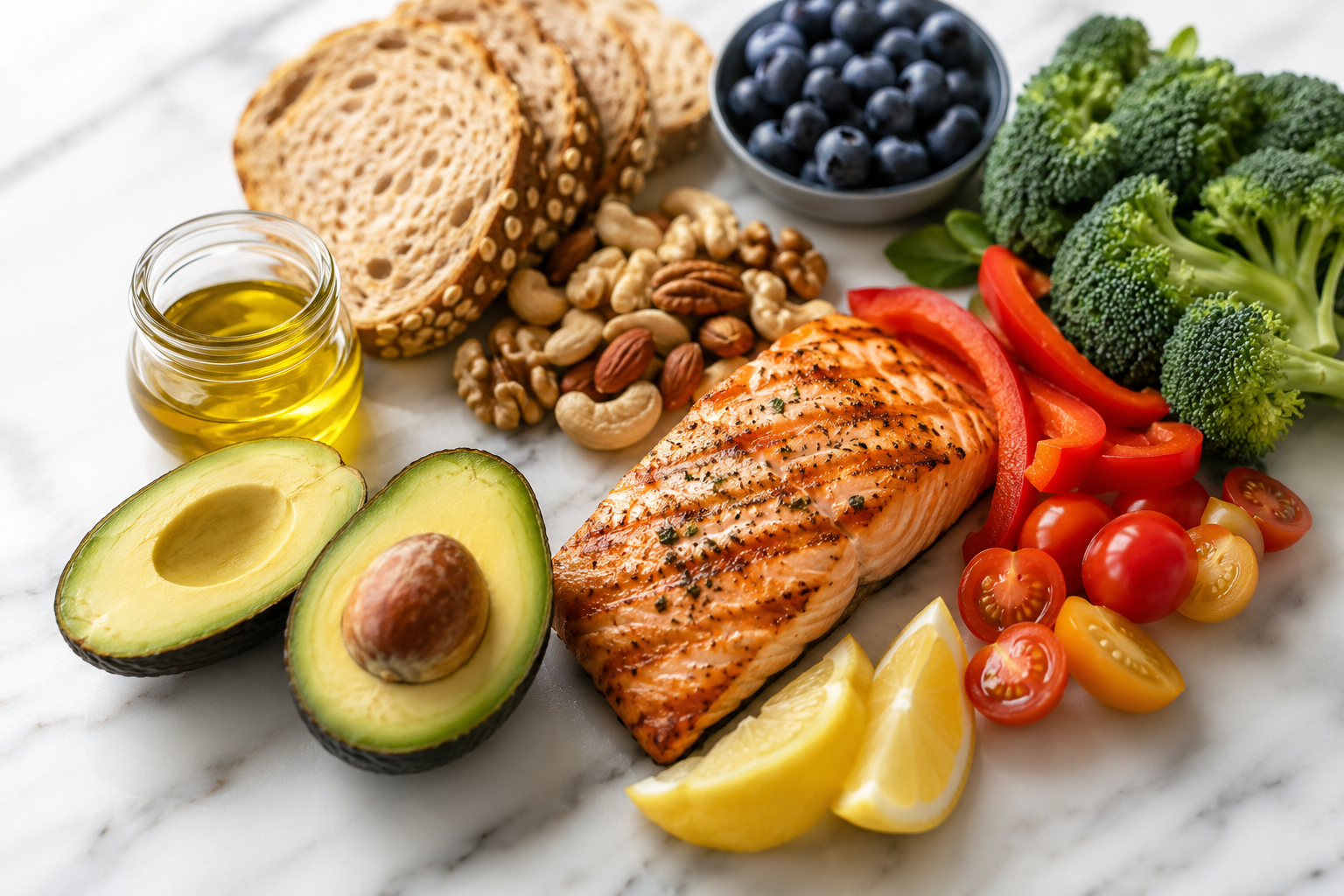
The Mediterranean diet is consistently ranked as one of the healthiest and most sustainable weight loss diets in the world. Inspired by the traditional eating habits of people in Greece, Italy, and Spain — regions with some of the longest life expectancies on Earth — this diet emphasizes whole grains, fresh vegetables, fruits, legumes, olive oil, fish, and moderate dairy. Red meat is kept to a minimum.
Unlike restrictive weight loss diets, the Mediterranean diet does not eliminate entire food groups. This flexibility makes it significantly easier to maintain over 12+ months. It is associated with improved heart health, better blood sugar control, and steady, sustainable fat loss. It currently receives over 610,000 global monthly searches, making it the second most popular diet online.
Best for: People seeking long-term lifestyle change, heart health, and steady weight loss without feeling deprived.
2. The Ketogenic (Keto) Diet — Best for Rapid Initial Fat Loss
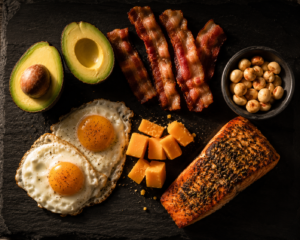
The ketogenic diet is one of the most debated weight loss diets of the past decade. Originally developed in the 1920s to treat epilepsy, the modern keto diet restricts carbohydrates to just 20–50 grams per day, with roughly 70–80% of daily calories coming from fat and 10–20% from protein. This extreme carb restriction pushes the body into ketosis — a metabolic state where fat, rather than glucose, becomes the primary fuel source.
The keto diet can deliver rapid initial weight loss, though much of the early loss is water weight. A 2020 study in Nutrition & Metabolism found that participants aged 60–75 lost an average of nearly 15 pounds after just eight weeks on a keto plan. However, sustainability is its major drawback. Many people experience “keto flu” in the early days — headaches, fatigue, and nausea — and strict carb limits make social eating difficult.
Best for: People looking for fast initial results who can manage strict food restrictions.
3. Intermittent Fasting — Best for Flexible Eaters

Intermittent fasting (IF) has exploded in popularity and currently tops global diet search rankings with over 1.2 million monthly searches worldwide. Unlike other weight loss diets, IF focuses on when you eat rather than what you eat. The three most popular protocols are:
- 16:8 — Fast for 16 hours, eat within an 8-hour window
- 5:2 — Eat normally five days per week; restrict to 400–600 calories on two days
- 4:3 — A 2025 study published in Annals of Internal Medicine found this method more effective than non-intervention diets for reducing body weight
Harvard Health research confirms that intermittent fasting leads to modest but meaningful weight loss while also reducing markers of cardiovascular risk, including blood pressure, blood sugar, and inflammation. It may not be ideal for people with diabetes or those on medication requiring food at regular intervals.
Best for: Busy individuals who prefer time-based eating restrictions over calorie counting.
4. The DASH Diet — Best for Health-Conscious Dieters
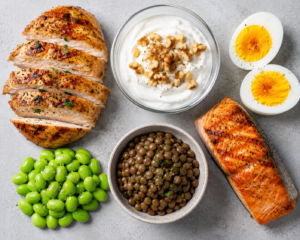
Originally developed to combat hypertension, the Dietary Approaches to Stop Hypertension (DASH) diet has evolved into one of the most medically respected weight loss diets available. It emphasizes fruits, vegetables, whole grains, lean protein, and low-fat dairy while limiting sodium, saturated fat, and added sugar. While not designed primarily for rapid fat loss, the DASH diet naturally reduces consumption of calorie-dense processed foods — a shift that supports sustainable weight management. It is consistently rated at the top for overall healthfulness by medical organizations worldwide.
Best for: People with high blood pressure, heart disease risk, or those seeking an evidence-based, doctor-recommended eating plan.
5. Plant-Based Diet — Best for Environmental and Metabolic Health
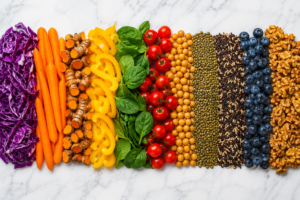
Plant-based weight loss diets focus on whole, minimally processed plant foods — vegetables, fruits, legumes, whole grains, nuts, and seeds — while minimizing or eliminating animal products. In 2026, environmental awareness and strong research into metabolic health have driven plant-based eating into the mainstream. Studies show these diets lower the risk of heart disease, type 2 diabetes, and certain cancers. They also tend to be naturally lower in calorie density, making it easier to create the deficit needed for fat loss without strict portion control.
Best for: Environmentally conscious eaters, those with high cholesterol or diabetes risk, and people who thrive on variety and whole foods.
6. High-Protein Diet — Best for Preserving Muscle During Weight Loss
High-protein weight loss diets work by increasing satiety, preserving lean muscle mass during a caloric deficit, and boosting the thermic effect of food (the calories your body burns digesting what you eat). Most high-protein plans recommend 0.8–1.5 grams of protein per kilogram of body weight daily, with lean meats, eggs, legumes, Greek yogurt, and fish as primary sources. This approach pairs exceptionally well with resistance training and has become a leading strategy for body recompositing in 2026.
Best for: Active individuals, gym-goers, and anyone concerned about muscle loss while dieting.
How to Choose the Right Weight Loss Diet for You

With so many weight loss diets available, the decision can feel overwhelming. Ask yourself these key questions:
- What is your primary goal? Rapid fat loss, long-term maintenance, or improved health markers?
- What is your lifestyle? Do you cook at home, eat out frequently, or have a hectic schedule?
- Are there medical considerations? Diabetes, heart disease, and kidney conditions all affect which diet plans are safe for you.
- Can you sustain it? The most effective weight loss diet is always the one you can follow consistently for more than 12 months.
A 2021 PMC review confirmed that individualized dietary strategies — tailored to patient preference and lifestyle — produce superior long-term outcomes compared to generic plans. Consulting a registered dietitian or healthcare professional before starting any new weight loss diet is always the wisest first step.
5 Universal Tips to Maximize Results on Any Weight Loss Diet

- Track what you eat. Research consistently shows that people who log their food intake lose significantly more weight than those who do not. AI-powered apps make this easier than ever.
- Prioritize protein and fiber. Both increase satiety and help you stay full on fewer calories.
- Stay hydrated. Dehydration is often confused with hunger. Drinking adequate water supports metabolism and appetite regulation.
- Move your body. Physical activity guidelines recommend at least 150 minutes of moderate-intensity exercise weekly. Exercise amplifies the results of any weight loss diet.
- Be patient and consistent. Sustainable fat loss averages 0.5–1 kg per week. Rapid weight loss approaches typically result in muscle loss and weight regain.
What is the most effective weight loss diet in 2026?
There is no single “best” weight loss diet. The most effective plan is one that creates a consistent caloric deficit while remaining sustainable for your lifestyle. For most people, the Mediterranean diet or a high-protein flexible calorie-deficit plan offers the best long-term results.
How fast can you lose weight on a diet plan?
Safe, sustainable weight loss is generally 0.5–1 kg (1–2 lbs) per week. More rapid weight loss — common in very low-carb or crash diets — often involves water weight and muscle loss, not just fat.
Is the keto diet safe long-term?
The keto diet can be effective for short-term fat loss, but many dietitians express caution about long-term adherence. Its high saturated fat content may pose cardiovascular risks for some individuals. Always consult a doctor before starting a ketogenic diet.
Can intermittent fasting work without changing what you eat?
Intermittent fasting works primarily by reducing the total eating window, which often results in a natural calorie reduction. However, if you consume high-calorie, ultra-processed foods during your eating window, weight loss will be minimal. Food quality still matters.
Which weight loss diet is best for beginners?
The Mediterranean diet or a moderate high-protein diet is widely recommended for beginners. Both allow variety, do not require extreme restriction, and align with everyday eating habits — making them easier to adopt and maintain.
Do I need to count calories on every diet?
Not necessarily. While some diets like DASH and Mediterranean work without strict calorie counting, tracking caloric intake — even roughly — significantly improves outcomes for most people, especially in the early stages.
What role does exercise play in weight loss diets?
Exercise amplifies the results of any weight loss diet by increasing your caloric deficit and preserving muscle mass. The WHO recommends at least 150 minutes of moderate aerobic activity per week alongside a healthy diet for optimal results.
Conclusion
Weight loss diets are not a magic solution — they are a framework. Whether you choose the heart-healthy Mediterranean diet, the metabolically aggressive keto plan, the time-flexible intermittent fasting approach, or a whole-food plant-based lifestyle, the outcome ultimately comes down to consistency, sustainability, and creating a genuine caloric deficit. No single weight loss diet plan works for everyone. The key is finding the one that aligns with your goals, your health, and your life — and then sticking with it long enough to see real, lasting change.
Start small, stay consistent, and remember: the best diet is not the most perfect one — it is the one you can actually follow every day.



Comments (1)
Weight Loss guide: Science-Based Strategies & Methodssays:
June 27, 2026 at 3:20 pm[…] is the cornerstone of every complete weight loss guide. The science is clear: a caloric deficit — burning more calories than you consume — is […]