



Last updated: October 17, 2026 · Written by Talha Yousaf · Medical review: [“not reviewed by a medical professional”]
The connection between stress and weight loss is real but complicated: stress may nudge weight up or down through hormones, appetite, sleep, and daily habits, and the effect differs from person to person.
Medical disclaimer: This article is for general education only. It is not medical advice and does not diagnose, treat, or prevent any condition. Consult a qualified healthcare provider before changing your diet, exercise, sleep, or stress routine, especially if you have a medical condition or take medication.
Key takeaways
- Stress can push weight up or down, and responses differ widely from person to person.
- Cortisol, the body’s main stress hormone, is associated with appetite and weight gain, but Mayo Clinic says the evidence is limited and weight depends on many factors. mymlc
- CDC defines healthy adult sleep as at least 7 hours per night. Short sleep is linked to stronger cravings. cdc
- No supplement has been shown to “block” cortisol and drive weight loss.
- A combined approach (stress care, sleep, balanced eating, movement, and support) fits the evidence better than any single fix.
Can stress make you gain weight?

Yes, stress can contribute to weight gain, mainly through changes in eating, activity, and sleep rather than through one single mechanism. Mayo Clinic notes that people under high stress may eat to meet emotional needs and may choose high-calorie foods even when not hungry. mymlc
Chronic stress means stress that continues for weeks or months rather than passing quickly. Stress eating means eating in response to emotions rather than physical hunger. For context, the American Psychological Association’s 2025 Stress in America survey of 3,199 U.S. adults found average stress levels around 5 out of 10, consistent with prior years. Stress is common, so understanding its effect on weight matters to many people. apa
Can stress cause weight loss instead?

Yes. Stress can reduce appetite or disrupt meals, and the direction of change varies by person and situation. Healthline reports that stress may cause some people to forget meals or feel less hungry, and that the change is often temporary. healthline
| Stress-related weight gain | Stress-related weight loss | |
|---|---|---|
| Common pattern | Eating more, often high-calorie foods | Reduced appetite, skipped meals |
| Other contributors | Lower activity, poor sleep | Disrupted routines, more activity than usual |
| Source | Mayo Clinic Care Network | Healthline |
| When to seek care | If gain is rapid or distressing | If you lose more than 5% of body weight in a short time healthline |
Does cortisol make it harder to lose weight?
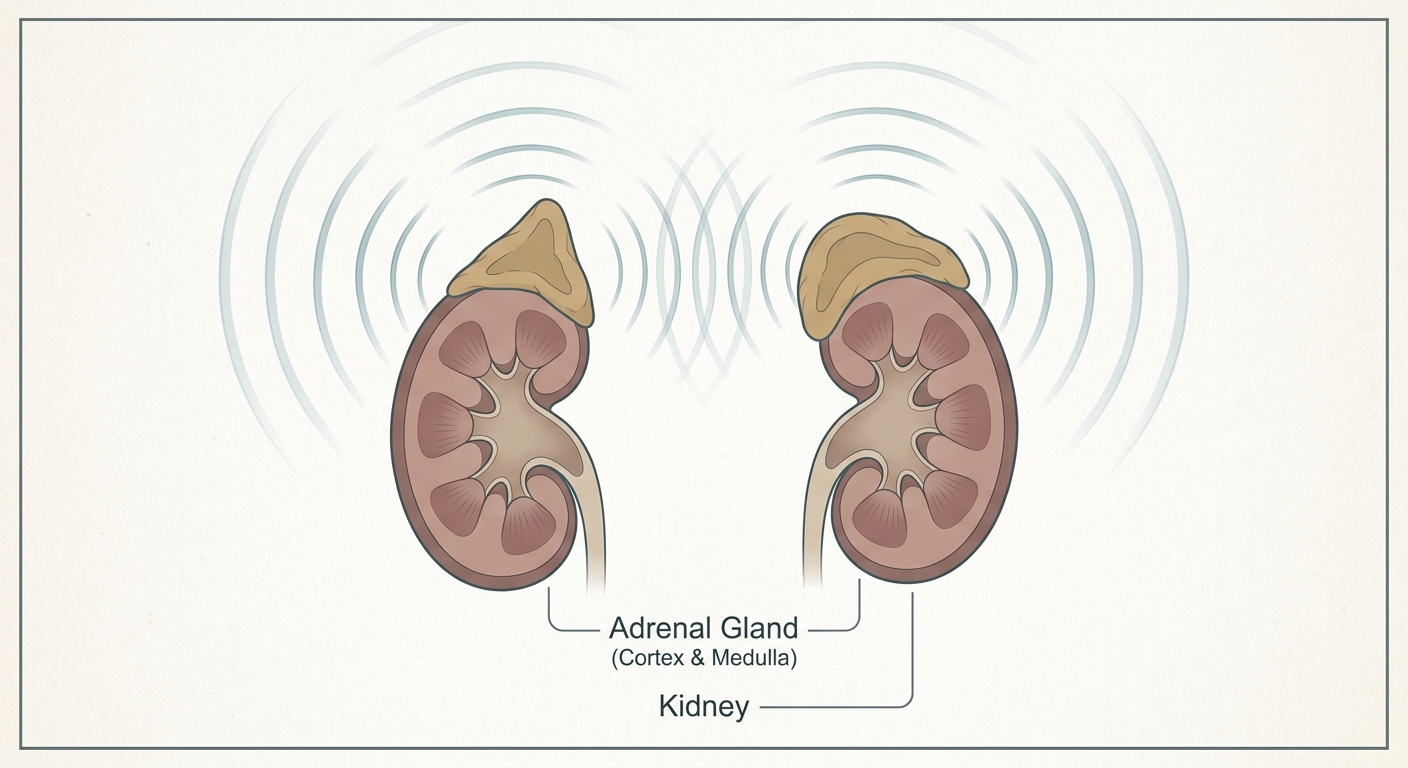
Cortisol may influence appetite and fat storage, but the evidence is mixed. Mayo Clinic states that chronic stress and persistently high cortisol may be associated with increased appetite and weight gain, while noting the connection is largely based on anecdotal evidence and only a few studies. mymlc
Cortisol is produced by the adrenal glands during the stress response. Mayo Clinic explains that it raises blood sugar and helps the brain use glucose, and that the system normally settles once the stressor passes. Problems are more likely when stress is prolonged. Some research suggests cortisol may affect where fat is stored, with larger cortisol rises tied to more waistline fat even at a healthy weight. Individual variation matters too: people exposed to the same stressor can release different amounts of cortisol and recover at different speeds. newsnetwork.mayoclinic.org +2
Cortisol-blocking supplements are a common search topic. Mayo Clinic reports no solid evidence that they aid weight loss, and notes the U.S. Federal Trade Commission charged seven marketers with false or unsubstantiated claims. mymlc
➡️ Deep dive: [Cortisol and Weight Gain: What the Research Shows]
How do you manage stress to support weight loss?

Managing stress may make healthy habits easier to sustain, though it is not a weight-loss method on its own. Mayo Clinic suggests that feeling less stressed and more in control can make it easier to stick with healthy eating and exercise. mymlc
A Mayo Clinic-based sequence you can follow:
- Notice early signals such as anxiety, irritability, or muscle tension.
- Pause before eating and ask whether the cause is hunger or stress.
- Avoid skipping meals, especially breakfast.
- Build problem-solving skills to handle setbacks.
- Get adequate sleep.
- Seek counseling or psychotherapy if self-help isn’t enough.
(Source: Mayo Clinic Care Network, “Stress and weight gain”)
Relaxation practices such as breathing exercises, meditation, yoga, and walking are commonly suggested and generally associated with lower perceived stress. [Add link: NCCIH page on relaxation techniques or mindfulness.]
➡️ Deep dive: [Stress Management Techniques That Support Weight Goals]
Does lack of sleep make you gain weight?

Short sleep is associated with higher calorie intake and stronger cravings, though sleep is one factor among many. A 2014 Nature Communications study, as summarized by Livestrong, linked lack of sleep to higher calorie intake and cravings for sweet, salty, and starchy foods. livestrong
Sleep shortfalls are common. The CDC reported that roughly 30.5% of U.S. adults slept under seven hours per night in 2024. CDC survey data from 2022 showed the share of adults not getting enough sleep ranging from 30% in Vermont to 46% in Hawaii. The CDC has also associated sleeping under seven hours with higher risk of chronic conditions including obesity. CDC report finds nearly one-third of U.S. adults not getting enough sleep +2
Stress and sleep can reinforce each other. Chronic stress can make it harder to fall or stay asleep, and poor sleep can raise stress levels in turn. georgia
➡️ Deep dive: [Sleep, Stress, and Weight: Why Rest Matters]
What is a holistic approach to stress and weight loss?
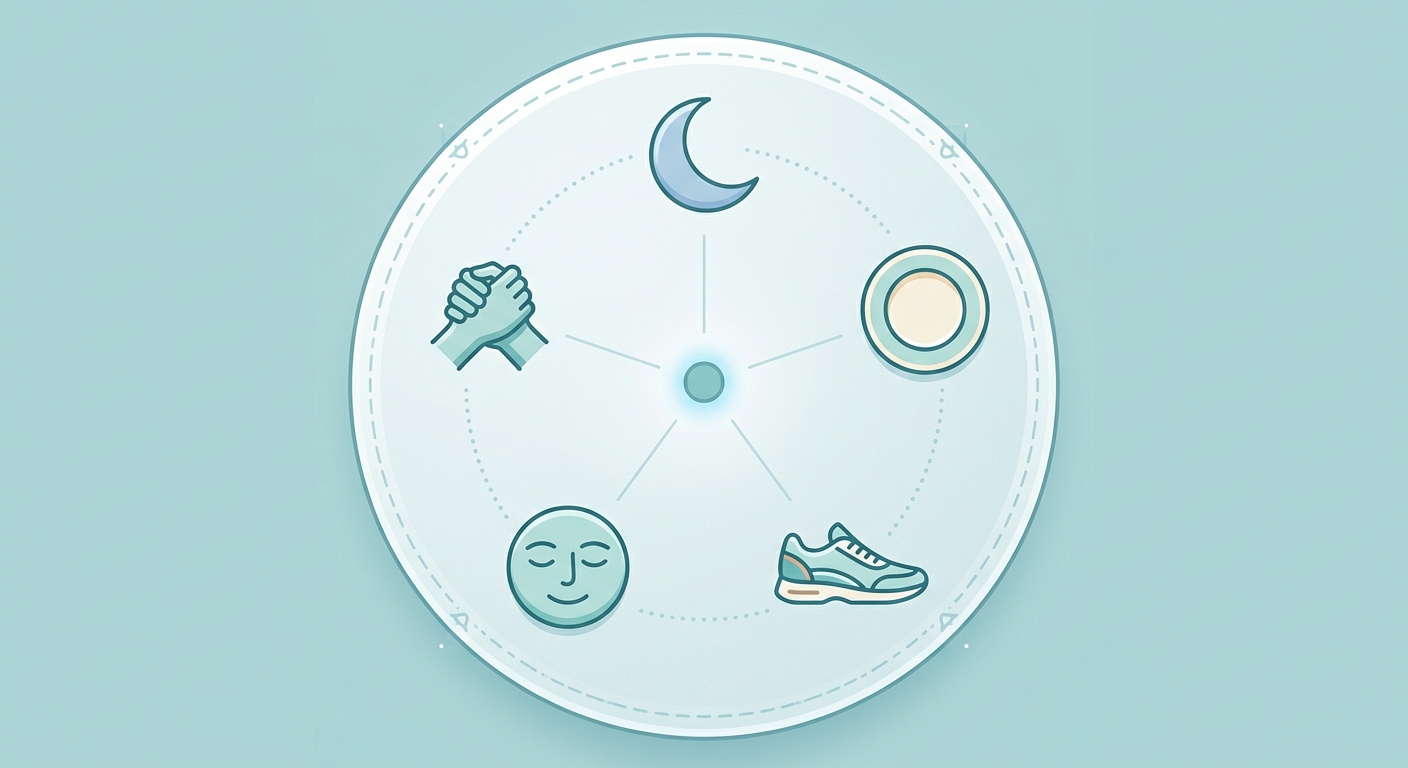
A holistic approach addresses stress, sleep, nutrition, movement, and support together rather than relying on one fix. This matches Mayo Clinic’s bottom line: avoid products making unproven claims, focus on calorie intake and activity level, and use stress-management techniques to lower stress. mymlc
| Factor | How it may affect weight | Strength of evidence | Deep dive |
|---|---|---|---|
| Cortisol | Appetite, fat distribution | Limited, mixed (Mayo Clinic) | Cortisol and weight gain |
| Stress eating | Higher calorie intake | Described by Mayo Clinic | Stress management techniques |
| Sleep loss | Cravings, intake | Nature Communications, 2014; CDC association | Sleep importance |
| Lower activity | Fewer calories burned | Described by Harvard Health Publishing | Holistic approach |
| Appetite loss | Unintended weight loss | Varies by person (Healthline) | Holistic approach |
➡️ Deep dive: [A Holistic Approach to Stress and Weight Loss]
When should you talk to a healthcare provider about stress and weight?
Consider seeing a provider if your weight changes quickly or without trying. Healthline advises professional guidance if you’ve lost more than 5 percent of your body weight in a short span. Also reach out if stress feels unmanageable, low mood or anxiety affects daily life, or sleep problems last for weeks. healthline
Can stress make you gain weight?
It can contribute. Chronic stress and persistently high cortisol may be associated with increased appetite and weight gain, though many factors shape weight.
Can stress cause weight loss?
Do cortisol-blocking supplements work for weight loss?
There is no solid evidence that they do. Mayo Clinic advises steering clear of products with unproven claims.
How many hours of sleep do adults need?
CDC lists at least 7 hours per night as the recommended amount for adults. Individual needs can vary, so check with a healthcare provider.
Can managing stress help with weight loss?
It may help indirectly. Feeling less stressed may make it easier to stick with healthy eating and exercise habits. It is not a standalone method.
When should I see a doctor about stress and weight changes?
Consider it if you’ve lost over 5 percent of your body weight in a short span, or if stress or sleep problems persist and affect daily life.



Leave a Reply