



Written by Talha Yousaf, founder of WorldlyInfo.com · Last updated: November 14, 2026
Editorial note: General wellness information compiled from WHO, CDC, NIH and Harvard Health sources. Not reviewed by a medical professional. Sources are listed at the end.
Medical disclaimer: This article is general educational information, not medical advice, diagnosis or treatment. It does not replace guidance from a qualified healthcare provider who knows your history. Talk to a doctor, nurse practitioner or registered dietitian before changing your diet, exercise, supplements or medications, and seek urgent care for severe or sudden symptoms.
Safe weight loss looks different for every person. Your age, sex, health conditions, medicines, sleep and goals all shape what is appropriate, which is why this guide covers the medical considerations to discuss with a healthcare provider before you start. It also links to seven in-depth guides, so you can go deeper on the topics that apply to you.
What does safe weight loss actually look like?
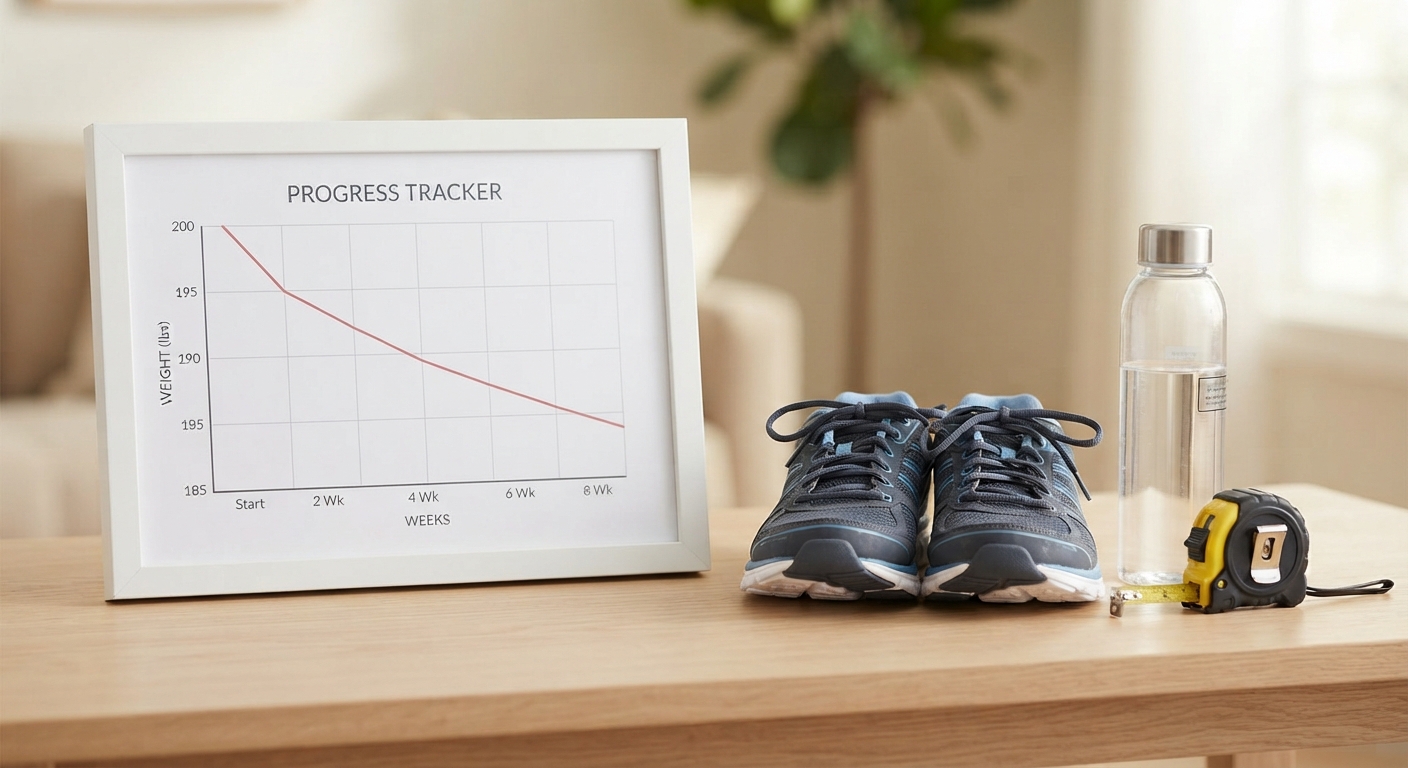
Safe weight loss is generally gradual, about 1 to 2 pounds (roughly 0.5 to 1 kg) per week, supervised when health conditions are involved, and focused on long-term health rather than speed. Harvard Health notes that losing faster often causes extra muscle loss and a lower metabolism [1]. A 5% to 10% reduction in body weight may lower the risk of conditions such as diabetes, high blood pressure and high cholesterol [2].
The stakes are high. CDC data put U.S. adult obesity prevalence at about 40.3% during August 2021 to August 2023 [3] [4]. About 58% of U.S. adults with obesity have high blood pressure and about 23% have diabetes, according to CDC figures reported by ABC News [5]. Globally, the WHO says obesity affects more than 1 billion people and describes it as a chronic disease that can be treated with comprehensive, long-term care [6].
Why should I talk to a healthcare provider before starting a weight loss plan?

A provider can check for conditions, medications and risks that change what is safe for you. This matters most if you have a chronic condition, take regular medication, are pregnant or planning pregnancy, or have a history of disordered eating.
A first appointment commonly covers:
- Your medical history, medications and supplements
- Weight history, blood pressure and other baseline checks
- Screening for mood, sleep and eating patterns. One clinical resource notes that people with obesity are twice as likely to have a mood disorder [7].
- Realistic, behavior-based goals
Be cautious of programs built on quick fixes or required supplements and packaged foods [8].
At a glance: how the seven topics fit together
| Topic | Core safety question | Who should pay special attention |
|---|---|---|
| Age (40, 50, 60+) | How do muscle, bone and hormones change the plan? | Midlife and older adults |
| Women vs. men | How do biology and life stages differ? | Everyone, especially during pregnancy and menopause |
| Medical conditions | Is the plan safe alongside my diagnosis and medicines? | People with diabetes, thyroid, heart or kidney conditions |
| Medications & injections | Am I a candidate, and what are the risks? | Adults considering prescription options |
| Surgery | Is it appropriate, and what follow-up is needed? | People with severe obesity or related conditions |
| Testing & metrics | Which numbers actually matter? | Anyone tracking progress |
| Sleep | How does rest affect appetite and energy? | Shift workers, people with snoring or insomnia |
Weight loss after 40, 50 and 60+: what changes?

Muscle, hormones and medication use can all shift with age, so strength and adequate protein often matter as much as the scale. CDC data show obesity prevalence is highest among adults ages 40 to 59, at 46.4% [4]. Because rapid loss may raise the risk of muscle loss [7], older adults are commonly encouraged to pair gradual loss with strength activity and provider guidance. [Citation needed: NIA or CDC on age-related muscle loss and strength training.]
Full guide: Weight Loss After 40, 50, 60+
Is weight loss different for women and men?

Yes. Biology, hormones and life stages such as pregnancy and menopause can change both risks and approaches. CDC data show severe obesity prevalence of 12.7% in women versus 6.7% in men [4]. The WHO’s guideline on GLP-1 therapies says adults may use them for long-term obesity treatment but excludes pregnant women [6]. [Citation needed: ACOG or NIH on menopause, PCOS and male-specific considerations.]
Full guide: Weight Loss for Women vs. Men
Can I lose weight safely with a medical condition?
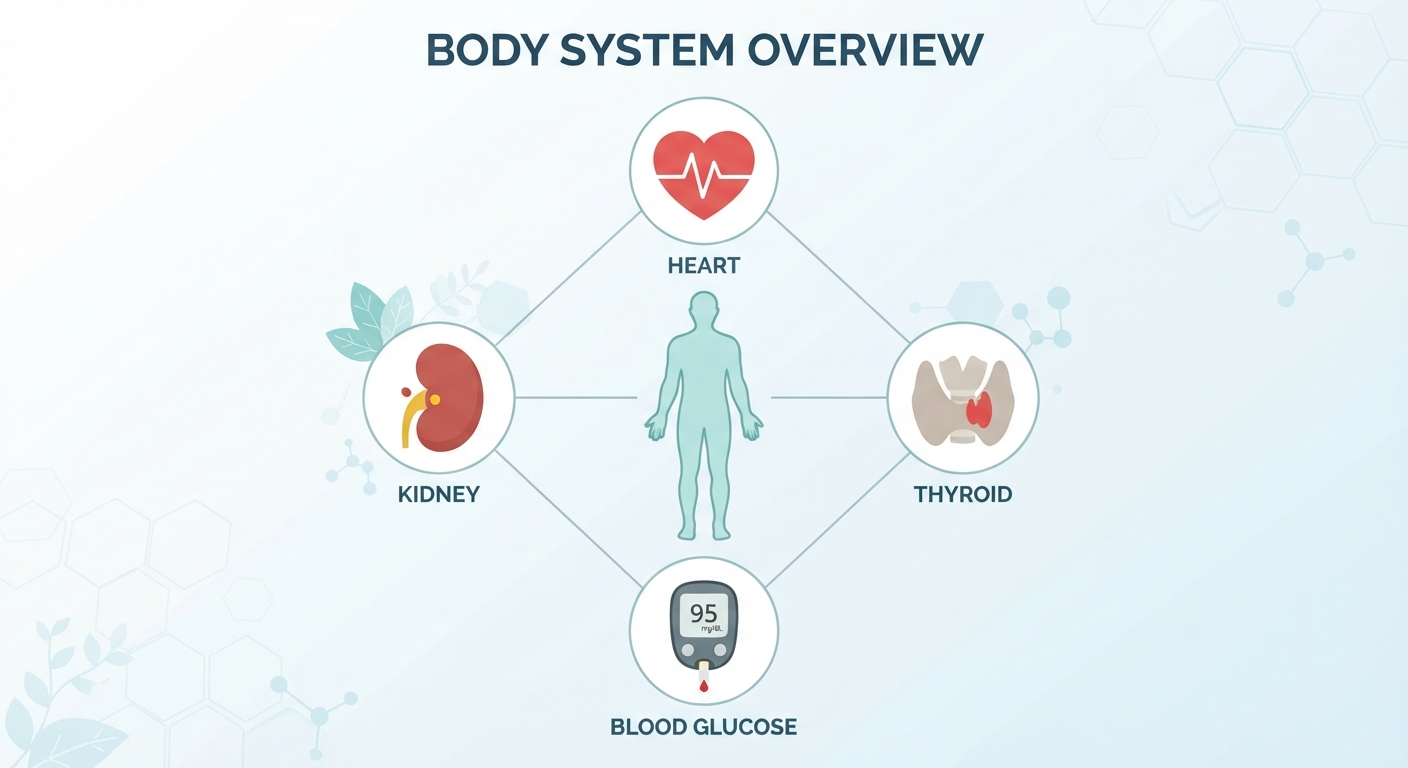
Often yes, but the plan should be set with the clinician managing your condition, especially if you take glucose-lowering, blood pressure or thyroid medicines. Weight changes can alter how much medication you need. Conditions commonly discussed with a provider include type 2 diabetes, high blood pressure, sleep apnea, thyroid disorders, kidney or liver disease, and a history of eating disorders. Some people who diet or use weight loss drugs can develop an eating disorder [9]. [Citation needed: ADA or AHA guidance on medication adjustment.]
Full guide: Weight Loss with Medical Conditions
Are weight loss medications and injections safe?
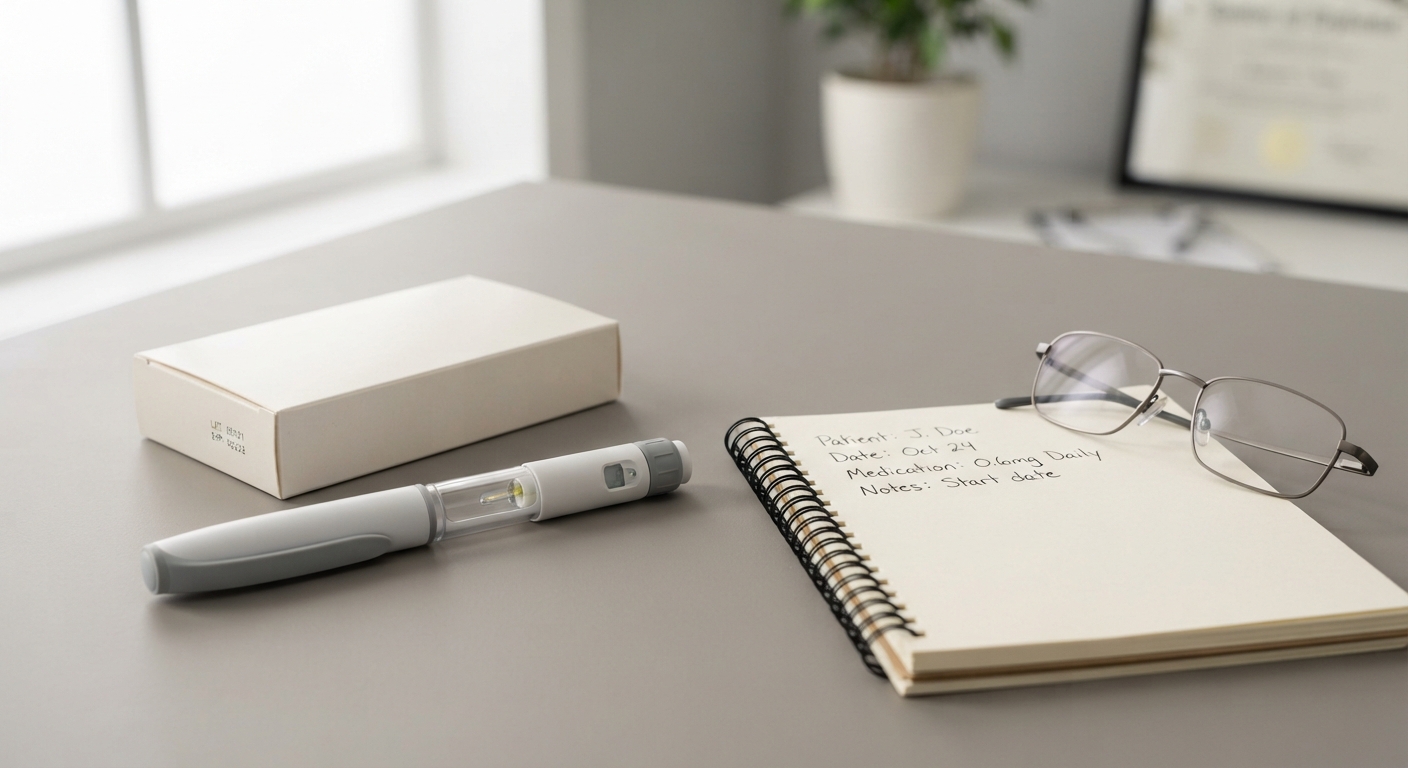
Prescription options can help some adults, but they carry side effects, are not for everyone, and work best alongside lifestyle support under medical supervision. Eligibility is commonly a BMI of 30 or higher, or 27 or higher with a weight-related condition such as prediabetes, high cholesterol or high blood pressure [8].
Key safety points from current sources:
- The WHO’s December 2025 guideline says medicines alone will not solve obesity and recommends offering intensive behavioral support alongside GLP-1 therapies [6].
- Research suggests people who stop GLP-1 drugs typically regain most or all of the weight within about two years, and a 2026 review linked these drugs to possible deficiencies in vitamin D, iron and B vitamins [1].
- Compounded versions are not the same as branded products and have not gone through the same safety testing [10]. The WHO also warns that demand has fueled falsified and substandard products [6].
- Report new or worsening symptoms to your prescriber promptly rather than adjusting anything yourself.
Full guide: Weight Loss Medications & Injections
Is weight loss surgery an option, and who qualifies?
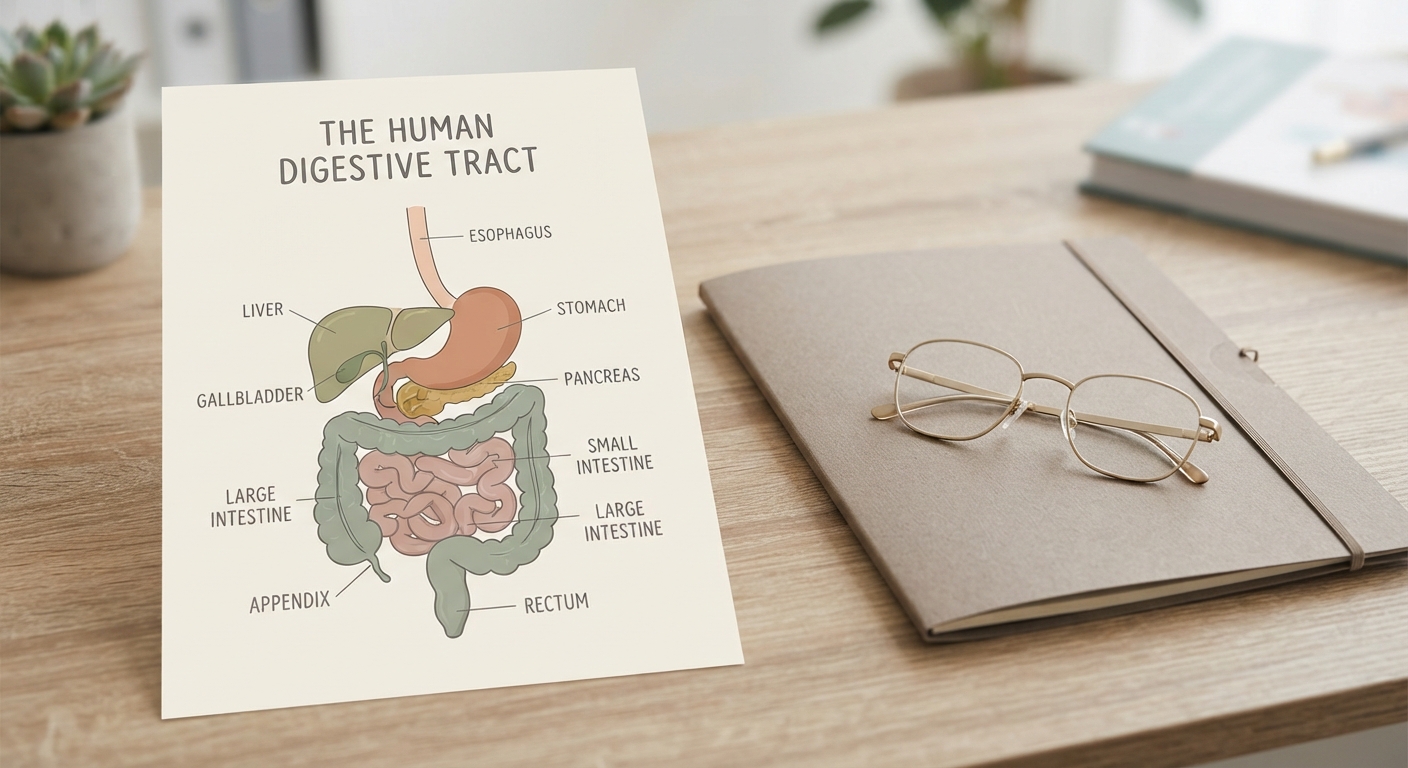
Surgery is generally considered for people with severe obesity, or with obesity plus related conditions, after non-surgical approaches and a specialist evaluation. Harvard Health describes surgery and GLP-1 drugs as two proven therapies that differ in effectiveness, durability, side effects, cost and insurance coverage [1]. [Citation needed: NIDDK or ASMBS on eligibility, procedure types and nutritional follow-up.]
Full guide: Weight Loss Surgery Options
Which tests and numbers matter when tracking weight loss?
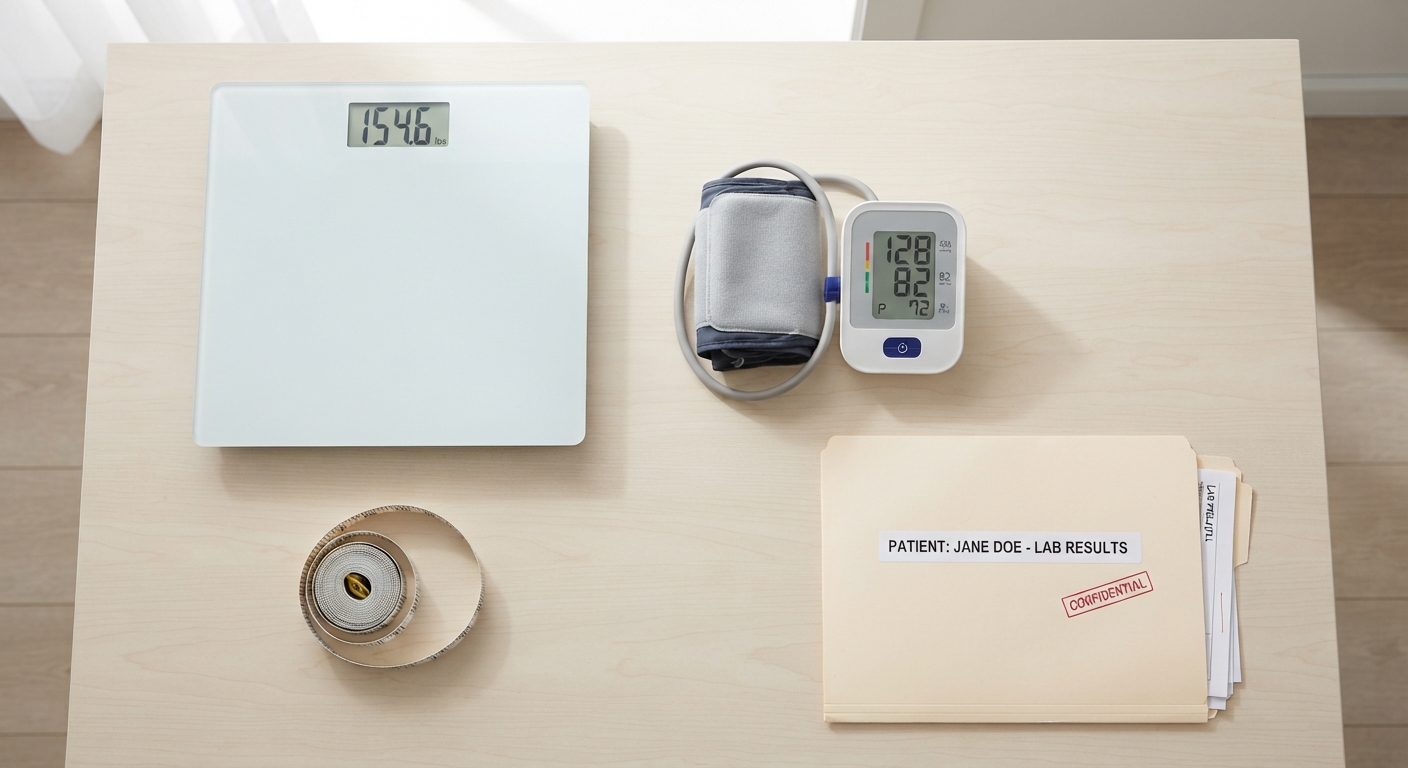
BMI is a useful screening number, but it is not the whole picture. WHO, CDC and NIH describe BMI as a rough guide with limitations [11]. Providers may also consider waist circumference, blood pressure, blood sugar and cholesterol. NIH guidance lists waist circumference as a measure of abdominal fat [12]. Non-scale markers such as energy, strength and lab trends can be more informative than weight alone.
Full guide: Weight Loss Testing & Metrics
How does sleep affect weight loss?

Short or poor sleep is associated with weight gain and may make healthy habits harder to keep. Sleeping fewer than about six hours is linked to obesity, possibly through lower activity and energy expenditure [13]. Clinical guidance also recommends asking about poor sleep and screening for sleep apnea when addressing weight [7]. Persistent snoring, gasping at night or heavy daytime sleepiness are worth raising with a provider.
Full guide: Sleep & Weight Loss
When should I seek medical help during weight loss?

Contact a provider promptly for chest pain, fainting, severe or persistent abdominal pain, ongoing vomiting, signs of dehydration, or distressing changes in mood or eating behavior. Call emergency services for severe symptoms. Seek support early if dieting begins to feel compulsive.
Is it safe to lose weight without seeing a doctor?
For many healthy adults, gradual changes are generally low-risk. If you have a health condition, take medicines, are pregnant, or have a history of disordered eating, check with a healthcare provider first.
How fast is too fast to lose weight?
Harvard Health describes about 1 to 2 pounds per week as a commonly advised pace, and faster loss may cause extra muscle loss [1]. Your provider can advise what suits you.
Who is generally considered eligible for weight loss medication?
Eligibility is often a BMI of 30 or higher, or 27 or higher with a related condition [8]. Only a prescriber can decide whether a medication is appropriate for you.
Do weight loss drugs work if I stop taking them?
Research summarized by Harvard Health suggests many people regain much of the weight after stopping [1]. Discuss long-term plans with your prescriber before making changes.
Is BMI the best way to measure healthy weight loss?
BMI is a helpful screening tool but has limits [11]. Providers may also use waist circumference, blood pressure and lab results.
Can poor sleep make weight loss harder?
Short sleep is associated with weight gain [13], and sleep problems such as apnea are worth discussing with a provider.
References
All links accessed November 14, 2026. Check each one again before publishing.
- Harvard Health Publishing. Weight loss and management (topic archive). health.harvard.edu
- GoodRx. Tips to lose weight. goodrx.com
- CDC/NCHS. Prevalence of overweight, obesity, and severe obesity among adults age 20 and older: United States, 1960–1962 through August 2021–August 2023. NCHS Health E-Stat 111, Feb 2026. cdc.gov
- CDC/NCHS. Obesity and severe obesity prevalence in adults: United States, August 2021–August 2023. NCHS Data Brief No. 508, Sept 2024. doi.org
- ABC News. Obesity prevalence among US adults falls slightly to 40%, remains higher than 10 years ago: CDC. Sept 24, 2024. goodmorningamerica.com
- World Health Organization (via PAHO). WHO issues global guideline on the use of GLP-1 medicines in treating obesity. Dec 1, 2025. paho.org
- University of South Carolina (TIPSC). Medication Management of Obesity. schealthviz.sc.edu
- Form Health. Is medical weight loss safe? formhealth.co
- LloydsPharmacy Online Doctor. Is medicated weight loss safe? onlinedoctor.lloydspharmacy.com
- Form Health. Frequently asked questions about medical weight loss. formhealth.co
- Pharmacy Times. Empowering patients to combat obesity. pharmacytimes.com
- Psychology Today. Obesity (summarizing NIH guidance). psychologytoday.com
- LIVESTRONG. A good diet plan to lose 20 lbs. in two months. livestrong.com


Leave a Reply