



By Talha Yousaf · Last reviewed: November 1, 2026 · Every statistic links to its original source.
Accountability for weight loss means having a person, group, or system that helps you stay on track with your goals, and research generally associates it with better program adherence. This guide compares support systems, accountability partners, group programs, and professional coaching using evidence from the USPSTF, CDC, and clinical trials, so you can choose the support that fits your life.
Medical disclaimer: This article is general education, not medical advice. It does not diagnose, treat, or prescribe. Talk with a qualified healthcare provider before starting any weight loss program, especially if you have a medical condition, take medication, or have ever had a difficult relationship with food or exercise.
Key facts at a glance
| Finding | Source and year | Study type and size |
|---|---|---|
| 95% completion and 66% full maintenance when joining with friends plus social support, vs. 76% and 24% joining alone | Wing & Jeffery, J Consult Clin Psychol, 1999 | Randomized trial, 166 adults |
| About −5.1 kg vs. −2.3 kg at 12 months with a commercial group program vs. standard care | Jebb et al., The Lancet, 2011 | Randomized trial, 772 adults; funded by Weight Watchers International |
| About 6% of body weight lost with 12–26 sessions in year one, vs. about 2.8% with fewer than 12 | US Preventive Services Task Force, 2012 | Evidence review of behavioral trials |
| Median 6.0% loss for those attending 17+ sessions across months 7–12, vs. 1.9% for fewer sessions and shorter participation | Ely et al., Diabetes Care, 2017 | 14,747 adults in CDC’s lifestyle program (observational) |
| Trivial effect of health coaching on weight, with very low-quality evidence overall | Sieczkowska et al., Advances in Nutrition, 2021 | Systematic review, 38 studies |
Does accountability for weight loss really work?

Social support and accountability are generally associated with staying in a weight loss program longer and, in several trials, losing more weight, though results vary widely and nothing is guaranteed.
Support means encouragement and practical help from other people. Accountability means expecting to report your progress to someone. Researchers combine the two under Supportive Accountability Theory, which proposes that social support plus oversight toward goals may help people stick with treatment (JMIR, 2020).
A 2024 narrative review in Cureus examined studies published from January 2011 to January 2024. It concluded that accountability approaches may improve adherence and that programs with multiple interventions appear best when beginning a long-term plan. One randomized trial in that review (Carpenter et al., 2022) found that added interventionist support increased adherence (p = 0.006), while self-monitoring alone was insufficient.
Is more support always better?
No. In the MedWeight study (289 maintainers and 122 regainers), people who had regained weight reported receiving more support than those who maintained it. The design cannot establish cause. One possible explanation is that people look for help once they struggle. Fit and quality of support likely matter more than quantity.
What are the main types of weight loss support?
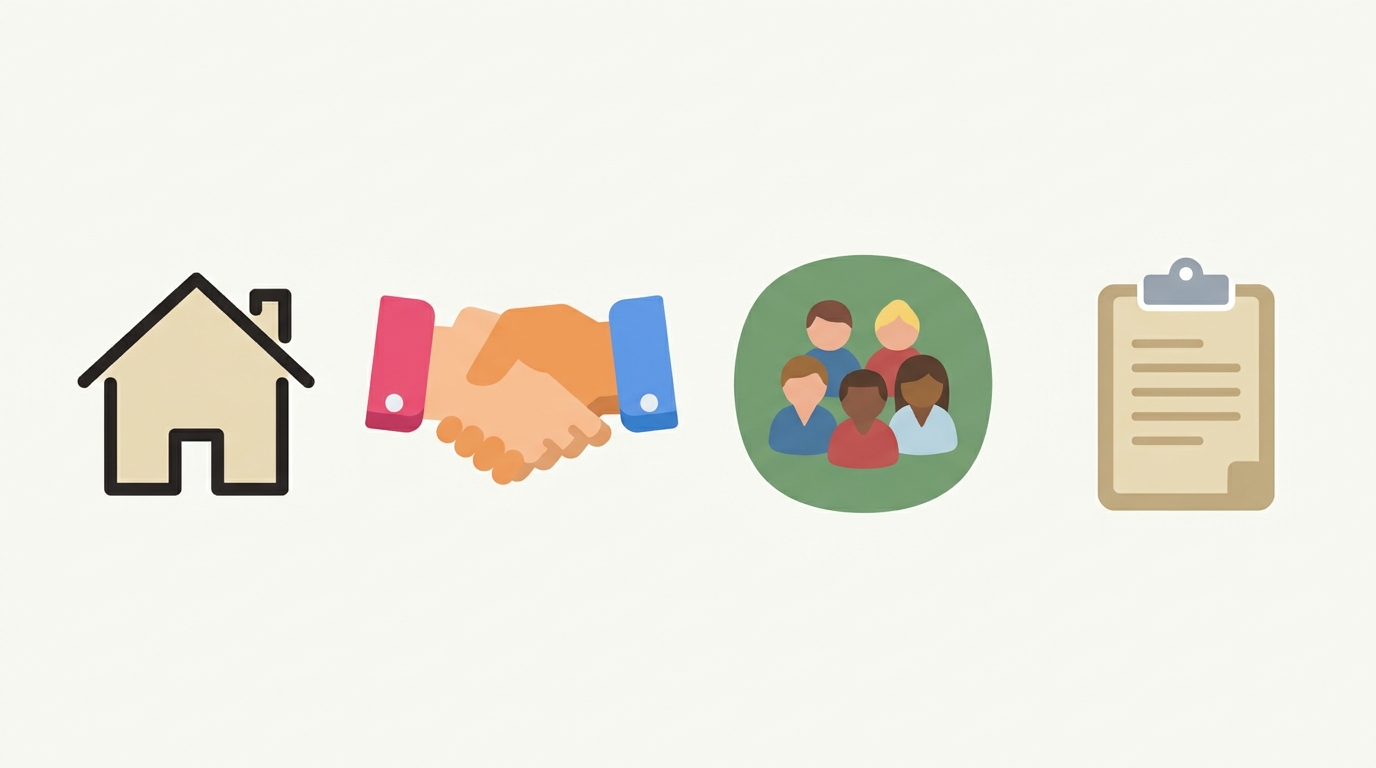
The four main types are everyday support systems, an accountability partner, a structured group program, and professional coaching.
| Type | Typical cost | Strongest evidence | Evidence strength | Main limitation |
|---|---|---|---|---|
| Support systems (family, friends, online communities) | Free | Illinois qualitative study of women | Low (qualitative, observational) | Well-meaning pressure; uneven advice online |
| Accountability partner | Free | Wing & Jeffery, 1999 (n = 166) | Moderate (one randomized trial, older) | Mismatched goals; shame-based dynamics |
| Group program | Free to moderate | Jebb, 2011 (n = 772); CDC program data (n = 14,747) | Moderate to high | Attendance often declines |
| Professional coaching | Moderate to high | Sieczkowska, 2021 (38 studies) | Very low overall | Credentials vary widely |
How do support systems help?

Support from people in a similar situation appears especially valued. In a University of Illinois study of women, participants who kept weight off said support from others going through the same experience mattered, and weekly group meetings supplied accountability and motivation. This was a small qualitative study, so treat it as insight rather than proof.
Specific requests tend to work better than general encouragement. “Walk with me on Sundays” is easier to act on than “support me.” This is general practice, not a finding from a single study.
[Internal link → spoke: Support Systems for Weight Loss]
How does an accountability partner work?

An accountability partner is someone you check in with on agreed goals at an agreed rhythm. The best-known evidence is the Wing & Jeffery trial: adults recruited with three friends or family members plus social support were more likely to finish and maintain their loss than adults who joined alone.
How to set one up (general practice):
- Choose someone with similar goals and a compatible schedule.
- Agree on one measurable behavior to report, such as weekly walks.
- Set a fixed check-in day and format.
- Share wins and data, not guilt.
- Review the arrangement after four weeks and adjust.
[Internal link → spoke: Weight Loss Accountability Partners]
Are weight loss groups effective?

Structured group programs have some of the most consistent trial evidence, but the benefit depends on staying engaged. In Jebb et al. (The Lancet, 2011), adults referred to a commercial program lost about twice as much as those given standard care, and a press summary of the trial reports they were more than three times as likely to lose at least 5% of body weight. The trial was funded by Weight Watchers International.
The CDC’s National Diabetes Prevention Program uses a trained lifestyle coach, 16 weekly sessions over the first six months, then one to two sessions monthly for six more, with a goal of 5% to 7% weight loss. The original Diabetes Prevention Program trial (Knowler et al., NEJM, 2002) underpins the program. In national program data, 35.5% of participants reached the 5% goal, with an average loss of 4.2%.
Engagement fades. A secondary summary of the 2017 WRAP trial reported that only about 29% of the 52-week referral group attended regularly late in the year. Check this against the original Lancet paper.
[Internal link → spoke: Weight Loss Groups & Programs]
Is professional coaching worth it?

Evidence for coaching is mixed, so credentials, contact frequency, and fit matter. A 2021 Advances in Nutrition systematic review included 38 studies. It found very low-quality evidence, a trivial effect favoring coaching, and no effect in the highest-quality studies. A separate narrative review by Lee & Alpini suggested that coaching more often than monthly with a trained coach was most likely to produce meaningful loss.
What to look for in a coach or dietitian:
- A recognized credential (for example, registered dietitian or a board-certified health and wellness coach; verify the issuing body).
- Contact more often than monthly.
- A clear plan to measure progress and when to refer to a doctor.
- No promises of guaranteed results.
[Internal link → spoke: Professional Weight Loss Coaching]
Does online support work as well as in-person support?
It can help, but average results tend to be smaller. A 2020 JMIR paper reports that electronically delivered programs commonly achieve 3 kg to 5 kg in 3 to 6 months, versus 8 kg to 10 kg for traditional in-person programs. Adding human contact, such as phone support, is one approach researchers are testing.
How do I choose the right support?
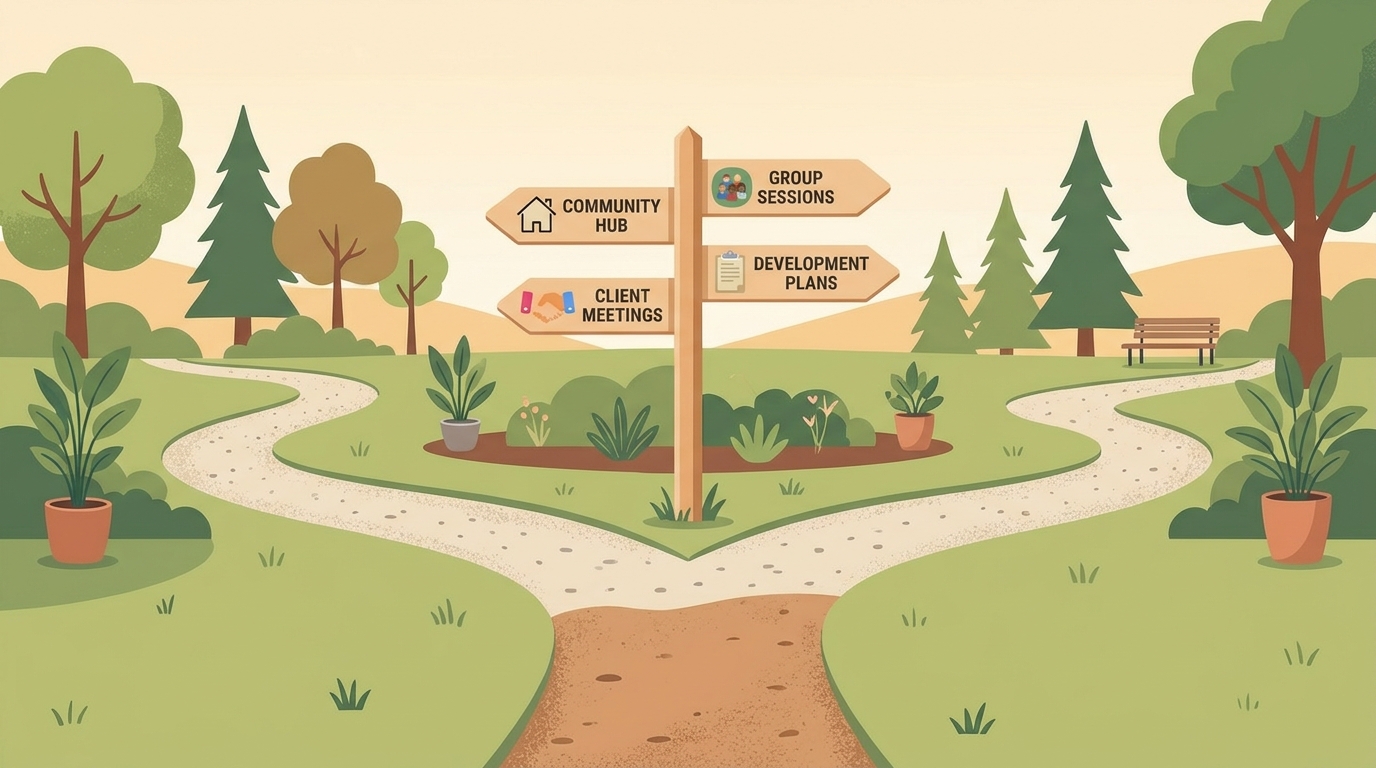
Match the support to your main obstacle.
| If your main challenge is… | Consider starting with… |
|---|---|
| Staying consistent day to day | An accountability partner |
| Feeling isolated or judged | A support group or online community |
| Needing a clear plan and routine | A structured group program |
| Confusion about nutrition or a health condition | A registered dietitian or your doctor |
| Needing flexibility or privacy | Digital or one-on-one coaching |
When should I involve a healthcare provider?
Talk with a provider before starting if you have a medical condition, take medication, or have a history of disordered eating. The USPSTF lists possible harms of behavioral weight loss programs, including reduced bone density, injuries from more activity, and increased risk of eating disorders. Public weigh-ins and check-ins can be hard for some people, and a clinician can help you choose a safe format.
Does having an accountability partner help you lose weight?
It may help. In Wing & Jeffery’s 1999 randomized trial of 166 adults, people who joined with friends or family and received social support were more likely to finish and maintain their loss than people who joined alone. Results vary, and partners work best when goals and communication are aligned.
Are weight loss groups worth it?
For many people, yes. A 2011 Lancet trial of 772 adults found about twice the weight loss with a commercial group program as with standard care, though it was industry-funded and attendance tends to decline over time. Ask your healthcare provider whether a group suits you.
How many sessions do weight loss programs usually include?
The US Preventive Services Task Force found better outcomes with 12–26 sessions in the first year. The CDC’s National Diabetes Prevention Program uses 16 weekly sessions followed by monthly sessions across a year.
Do I need a coach or dietitian to lose weight?
No. Many people use peer or program support. A registered dietitian is a sensible choice with a medical condition, dietary restrictions, or a need for personalized guidance. A 2021 systematic review rated the evidence for health coaching as very low quality.
What if the people around me aren’t supportive?
Start with one specific request to one person. Online communities, structured groups, or a professional can fill gaps, and a provider can help if the situation affects your wellbeing.
Is online support as effective as in-person support?
It can help, but average losses are often smaller. A 2020 JMIR paper reports typical losses of 3–5 kg in 3–6 months for electronic programs vs. 8–10 kg for in-person programs.
References
- Wing RR, Jeffery RW. Benefits of recruiting participants with friends and increasing social support for weight loss and maintenance. J Consult Clin Psychol. 1999;67(1):132–138. PubMed
- Jebb SA et al. Primary care referral to a commercial provider for weight loss treatment versus standard care. Lancet. 2011;378(9801):1485–1492. PMC full text (funded by Weight Watchers International)
- US Preventive Services Task Force. Obesity in Adults: Screening and Management. 2012. uspreventiveservicestaskforce.org
- Centers for Disease Control and Prevention. National Diabetes Prevention Program. cdc.gov
- Ely EK et al. A national effort to prevent type 2 diabetes: participant-level evaluation of CDC’s National Diabetes Prevention Program. Diabetes Care. 2017. DOI
- Knowler WC et al. Reduction in the incidence of type 2 diabetes with lifestyle intervention or metformin. N Engl J Med. 2002;346:393–403. DOI
- Sieczkowska SM et al. Health coaching strategies for weight loss: a systematic review and meta-analysis. Adv Nutr. 2021;12(4):1449–1460. PubMed
- Lee J, Alpini S. Efficacious integration of health and wellness coaching into clinical care for weight management: a review and proposal. Repository record
- Accountability frameworks in medical weight loss programs: a comprehensive literature review. Cureus. 2024. PMC full text
- Karfopoulou E et al. The role of social support in weight loss maintenance: results from the MedWeight study. Record
- Supportive Accountability Measure development paper. J Med Internet Res. 2020;22(7):e17967. PMC full text
- University of Illinois. Accountability and social support study of women’s weight loss maintenance. Press coverage
- Ahern AL et al. Extended and standard duration weight loss referrals for adults in primary care (WRAP). Lancet. 2017. DOI · Secondary summary
- The Lancet. News release on the Weight Watchers referral trial. EurekAlert


Leave a Reply