


By Talha Yousaf, M.Phil. Physics, science educator · Last updated: November 22, 2026
Medical disclaimer: This article is for general education only and is not medical advice, diagnosis, or treatment. The author is a science educator, not a licensed medical professional. Prescription weight loss drugs have real risks and are not right for everyone. Talk with a qualified healthcare provider before starting, changing, or stopping any medication. Approvals, labels, and availability differ by country and change over time.
Quick answer: On average, adults who take prescription weight management medication alongside a lifestyle program lose about 3% to 12% more of their starting weight after one year than those in a lifestyle program alone. Results vary widely from person to person, every option carries side effects, and a healthcare provider decides whether one is appropriate. Source: NIDDK, Prescription Medications to Treat Overweight & Obesity
What Are Prescription Weight Loss Medications and How Do They Work?
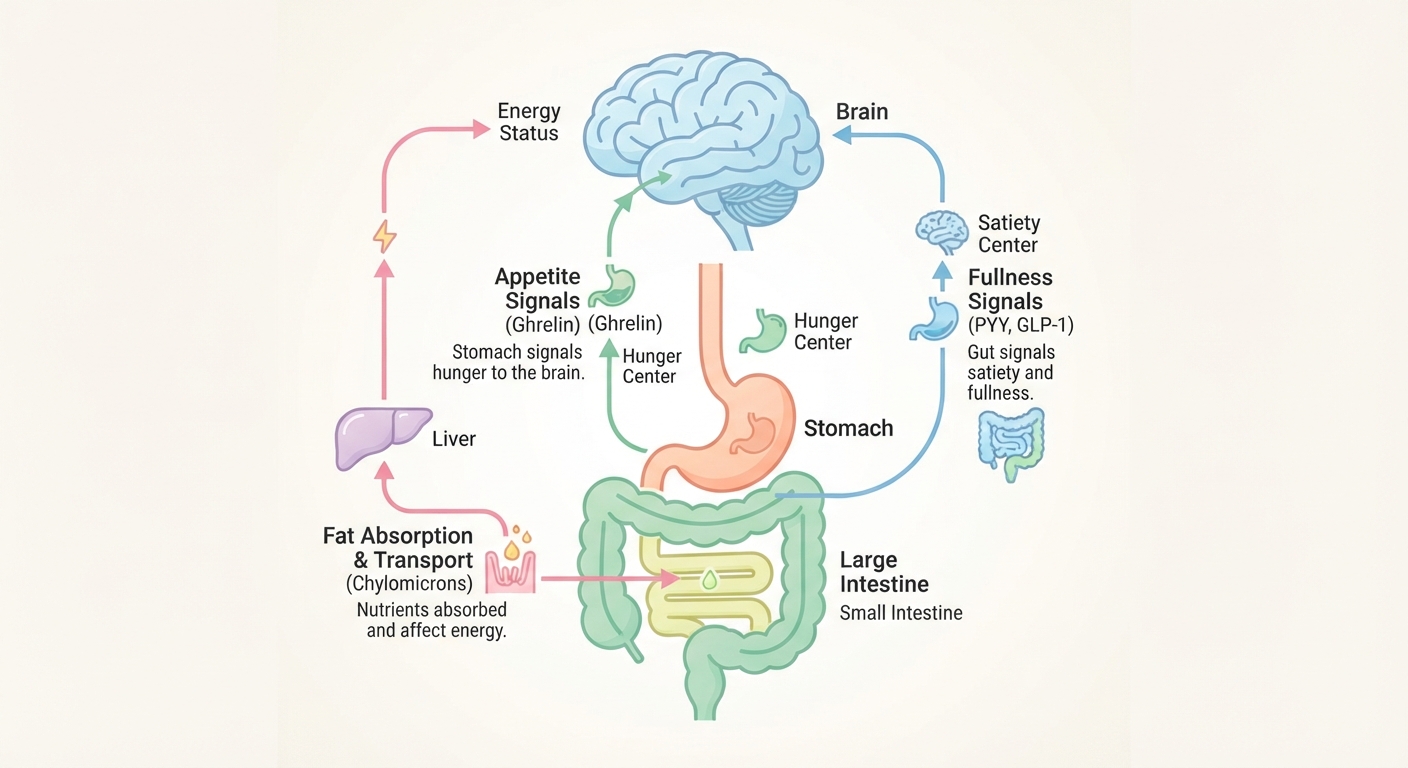
Prescription weight loss medications are FDA-approved drugs that may help some adults with overweight or obesity lose weight, mainly by reducing appetite, increasing fullness, or limiting fat absorption. They are meant to work alongside nutrition, activity, and behavior changes, not replace them.
Some of these drugs reduce hunger or cravings and help you feel full. Others change how your body absorbs fat. Newer drugs target gut hormones, such as glucagon-like peptide-1 (GLP-1), that are involved in appetite and weight regulation. Research shows these medications work best when paired with a lifestyle change program. Sources: Cleveland Clinic; American Medical Association (AMA)
Losing even a modest amount may matter for health. A loss of 5% to 10% of starting weight may help lower blood sugar, blood pressure, and triglyceride levels. Weight loss can also ease other problems tied to excess weight, such as joint pain and sleep apnea. Source: NIDDK
Who May Be Considered for Weight Loss Medication?
A healthcare provider may consider medication for adults with a BMI of 30 or higher, or 27 or higher with a weight-related condition such as type 2 diabetes or high blood pressure. BMI is only one factor in the decision.
A JAMA patient guide describes these same thresholds. It adds that adults of South Asian descent may be considered at a BMI of 27 or higher, or 25 or higher with related conditions, because complications can appear at lower BMI. Source: Gudzune & Kushner, “Medications for Obesity: A Review,” JAMA 2024
Medication is not for everyone with a higher BMI. People who are pregnant, trying to get pregnant, or breastfeeding should not take weight loss drugs. Providers also weigh likely benefits, possible side effects, current health issues, other medications, family history, and cost. Source: AMA
Which Weight Loss Medications Are FDA-Approved?
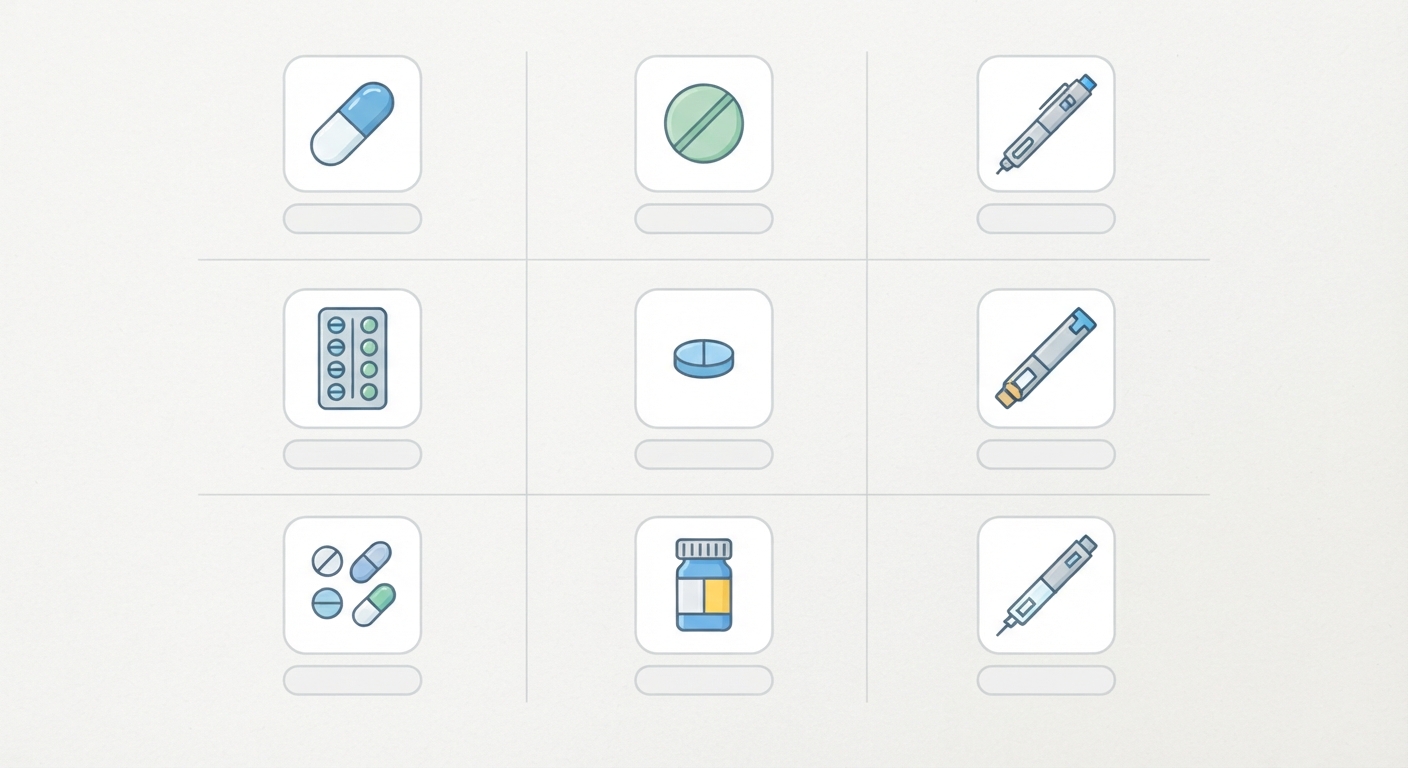
The FDA has approved several drug classes for weight management, including injectable and oral GLP-1 drugs, older appetite suppressants, and fat-absorption blockers. Ozempic and Mounjaro are not on this list. They are approved for type 2 diabetes, while Wegovy, Zepbound, and Foundayo are approved for weight loss. Source: KTVU
| Medication (brand) | Type and form | Key points to know |
|---|---|---|
| Semaglutide (Wegovy) | GLP-1; weekly injection or daily pill | Carries a boxed warning about thyroid C-cell tumors (Reuters) |
| Tirzepatide (Zepbound) | Dual GIP/GLP-1; weekly injection | Works on two natural hormones and helps you feel full longer (Cleveland Clinic) |
| Liraglutide (Saxenda) | GLP-1; daily injection | Older GLP-1 option (Drugs.com) |
| Orforglipron (Foundayo) | Oral GLP-1; daily pill | Can be taken without food or water restrictions (Healio) |
| Phentermine (Adipex-P, Lomaira) | Oral appetite suppressant | Labeled for short-term use; controlled substance (Adipex-P label) |
| Phentermine/topiramate (Qsymia) | Oral capsule | Topiramate raises the risk of birth defects (Mayo Clinic) |
| Naltrexone/bupropion (Contrave) | Oral tablet | May cause depression, changes in thinking, and suicidal thoughts (Mayo Clinic) |
| Orlistat (Xenical; lower-dose Alli) | Blocks some fat absorption | Alli is the only FDA-approved weight loss drug sold over the counter (Cleveland Clinic) |
| Setmelanotide (Imcivree) | Injection | Only for certain rare genetic conditions (AMA) |
Always verify against current FDA labels before publishing.
What Are GLP-1 Drugs, and How Do Ozempic and Wegovy Work?
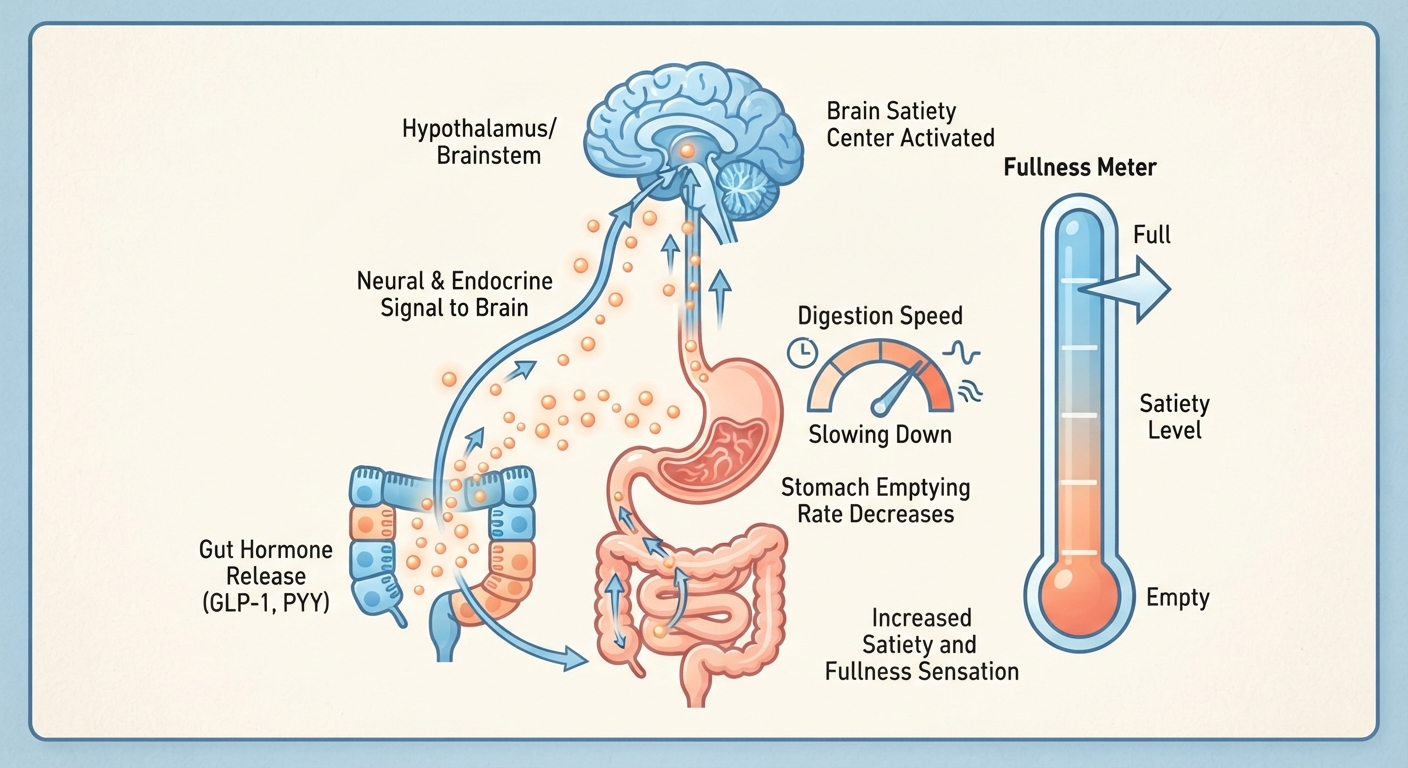
GLP-1 drugs mimic a natural gut hormone that signals fullness, slows stomach emptying, and helps regulate blood sugar. GLP-1 is released when you eat. It prompts insulin production, slows food moving from the stomach to the intestines, and signals fullness to the brain. Source: WebMD, medically reviewed 2026
What Is the Difference Between Ozempic and Wegovy?
Both contain semaglutide, but Wegovy is FDA-approved for weight management and Ozempic is approved for type 2 diabetes. Ozempic is not approved for weight management, though many people taking it lose weight and it is sometimes prescribed off-label. Insurance more often covers Ozempic for diabetes than Wegovy for weight loss. Wegovy now comes as an injection or a pill. Source: WebMD
How Much Weight Do People Lose on GLP-1 Drugs?
In major clinical trials, average weight loss ranged from roughly 11% to 21% of body weight, depending on the drug, dose, and study length. These are group averages, not guarantees.
| Trial / drug | Length | Average weight change |
|---|---|---|
| STEP 1, semaglutide (adults without diabetes) | 68 weeks | About 14.9%, versus 2.4% with placebo (summary; trial data table) |
| SURMOUNT-1, tirzepatide (highest dose studied) | 72 weeks | About 20.9%, versus 3.1% with placebo (summary; trial data table) |
| SURMOUNT-5, tirzepatide vs. semaglutide head-to-head | 72 weeks | About 20.2% vs. 13.7% (industry-funded by Eli Lilly) (NEJM 2025) |
| Wegovy pill, phase 3 | 64 weeks | About 13.6% (STAT News) |
| Foundayo pill, ATTAIN-1 | 72 weeks | About 11.2% (STAT News); up to 12.4% at the highest dose (Healio) |
Verify the STEP 1 and SURMOUNT-1 figures against the original NEJM papers. Reported pill figures vary by analysis method.
Two caveats matter for interpretation. No head-to-head trials have compared the two pills directly (GlobalData via Yahoo Finance). In people with type 2 diabetes, average semaglutide results were lower, about 9.6% at 68 weeks (systematic review). Some people lose a significant amount, while others lose less or very little (WebMD).
What Happens When You Stop a GLP-1 Medication?
Weight regain is common after stopping GLP-1-based treatment, which is why clinicians often discuss these drugs as long-term therapy. In the SURMOUNT-4 trial, people switched to placebo regained about 14% of their weight, while those who continued tirzepatide lost an additional 5.5%. Source: SURMOUNT-4, JAMA
A 2026 systematic review reported regain of 6.9% over 48 weeks in STEP 4, the semaglutide withdrawal trial. It also noted that cardiometabolic improvements tended to fade with regain. Source: Metabolites, 2026
What Are the Side Effects of GLP-1 Drugs?
The most common side effects are digestive: nausea, vomiting, diarrhea, and abdominal cramping. These are generally mild and temporary. In the Foundayo trials, digestive side effects led 5% to 10% of participants to stop treatment, versus nearly 3% on placebo. Sources: WebMD; KTVU
Less common concerns exist too. Semaglutide caused a rare kind of thyroid tumor in animal studies, and it is not known whether it does so in people (WebMD). Pancreatitis, which usually feels like sharp upper abdominal pain that can reach the back, is another reported risk (Stanford Medicine). Because GLP-1 drugs lower blood sugar, combining them with insulin or certain diabetes medicines can cause dangerously low blood sugar (WebMD). Seek prompt medical care for severe or persistent symptoms.
What Is Phentermine, and How Does It Work?
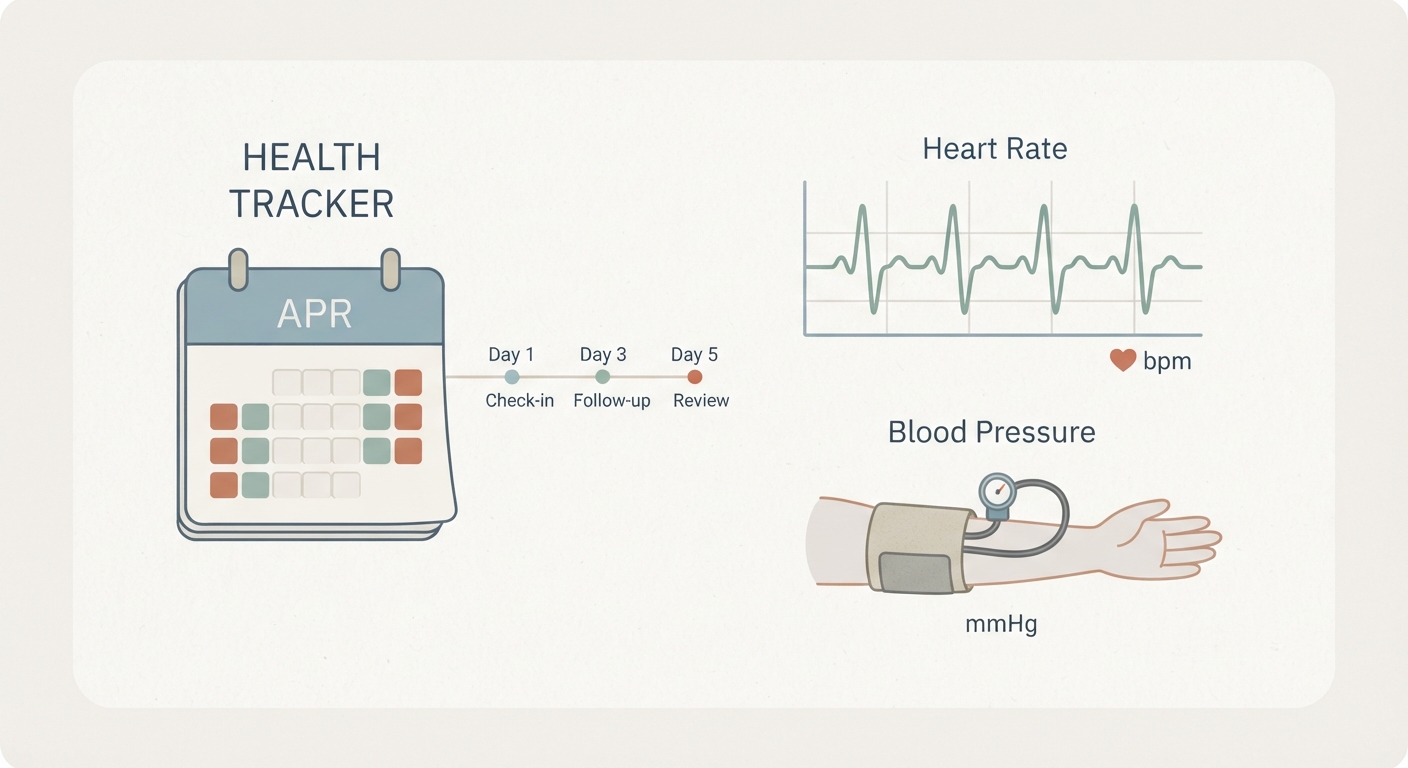
Phentermine is an oral appetite suppressant approved for short-term use alongside diet, exercise, and behavior changes. It is a stimulant that is similar to amphetamine and raises heart rate and blood pressure while reducing appetite (Drugs.com). It is a Schedule IV controlled substance, meaning it carries a potential for misuse and dependence (SingleCare).
How Long Can You Take Phentermine?
The FDA label describes phentermine as a short-term aid lasting “a few weeks,” though clinicians sometimes individualize duration. The label notes that tolerance to its appetite-reducing effect usually develops within a few weeks, and that it should be stopped if this occurs (Adipex-P prescribing information). Mayo Clinic defines short-term in this context as less than 12 months (Mayo Clinic). Your prescriber sets the plan.
Is Phentermine Safe?
It may be appropriate for some people under medical supervision, but it is not suitable for everyone. Common effects include a fast heartbeat, high blood pressure, restlessness, trouble sleeping, dry mouth, and headache (WebMD). Serious effects, such as heart valve problems and increased blood pressure in the lungs, are rare (WebMD). Labels advise against use with certain heart conditions, uncontrolled high blood pressure, overactive thyroid, glaucoma, or recent MAO-inhibitor use (Drugs.com). Do not combine it with other weight loss products unless a provider says so.
Phentermine vs. GLP-1 Drugs: How Do They Compare?
| Feature | Phentermine | GLP-1 drugs |
|---|---|---|
| Form | Oral | Weekly injection or daily pill (varies) |
| How it works | Stimulant-type appetite suppression | Mimics a gut hormone tied to fullness |
| Intended duration | Short-term per label | Often discussed as ongoing therapy |
| Controlled substance? | Yes (Schedule IV) | No |
| Typical concerns | Heart rate, blood pressure, sleep, dependence potential | Digestive symptoms; rare serious risks |
| Average trial weight loss | Smaller, shorter-term evidence | Roughly 11% to 21% in trials |
Sources: Drugs.com; Mayo Clinic; trials above. Verify the phentermine efficacy row against a primary source.
What Other Prescription Weight Loss Medications Exist?
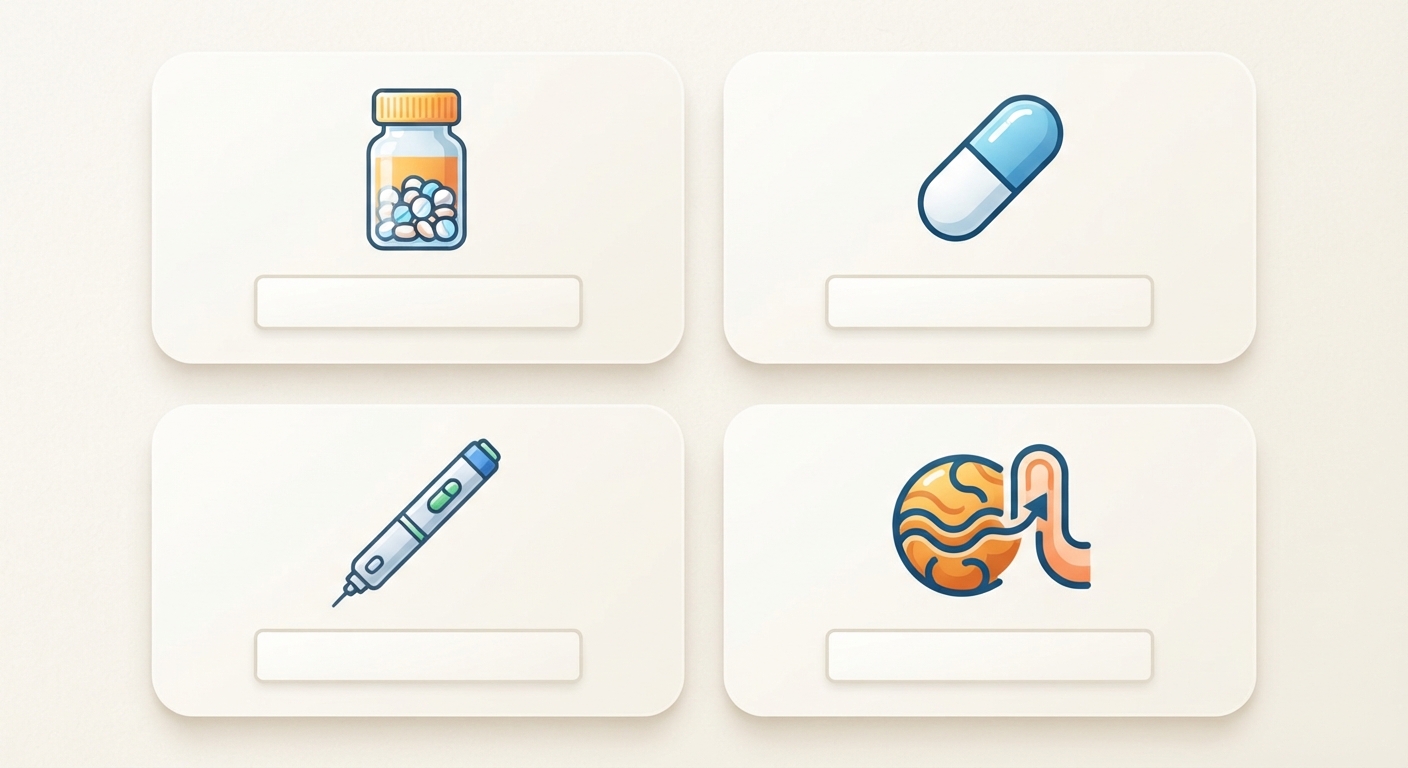
Beyond GLP-1 drugs and phentermine, options include Qsymia, Contrave, Saxenda, and orlistat, each with different mechanisms and risks. Mayo Clinic notes that six prescription drugs are FDA-approved for long-term use, including Contrave and Saxenda (Mayo Clinic).
- Qsymia (phentermine/topiramate): combines an appetite suppressant with a seizure and migraine drug. Avoid it in pregnancy because of birth-defect risk.
- Contrave (naltrexone/bupropion): may affect cravings. It carries mood-related warnings.
- Saxenda (liraglutide): a daily GLP-1 injection. If you have not lost 4% of your weight after 16 weeks, a doctor may advise stopping it (WebMD).
- Orlistat: reduces fat absorption. It can cause gas and loose stools, and it works with a low-fat diet (Mayo Clinic).
Are Weight Loss Medications Safe and Effective?
They can be effective for many people, but safety depends on the drug, your health history, and how you obtain it. Experts have raised concern that, in some cases, side effects may outweigh the benefits (NIDDK). Cleveland Clinic notes that most people lose about 5% within three to six months, and a provider may change the plan if that does not happen (Cleveland Clinic). Most weight loss occurs in the first six months (NIDDK).
What Is the Safest Weight Loss Medication?
No single drug is safest for everyone. The better fit depends on your heart health, blood pressure, diabetes status, mental health history, pregnancy plans, other medications, and cost. A prescriber compares these factors. Newer drugs also have shorter real-world track records, and researchers are still studying long-term risks and effects (Cleveland Clinic).
Are Compounded or Online “Cheap” Versions Safe?
The FDA warns that compounded semaglutide and tirzepatide are not reviewed for safety, effectiveness, or quality before they are sold. As of May 31, 2026, the FDA had received 990 adverse-event reports tied to compounded semaglutide and more than 730 tied to compounded tirzepatide. The agency has also flagged fraudulent products with false labels, some from pharmacies that do not exist, and illegally sold items labeled “for research purposes.” Source: FDA, Concerns with Unapproved GLP-1 Drugs Used for Weight Loss
One analysis of FDA reports found compounded products may be linked to higher odds of adverse events than approved versions (Expert Opinion on Drug Safety, 2026). The FDA also advises against using any injectable GLP-1 that arrives warm or without enough cooling.
Safer habits: use a licensed prescriber and a state-licensed pharmacy, be wary of prices that seem too good to be true, and report problems through FDA MedWatch.
Do Weight Loss Medications Replace Diet and Exercise?
No. These drugs are designed as add-ons to nutrition, activity, and behavior changes. Anti-obesity medications do not replace physical activity or healthy eating, and combining medication with lifestyle change leads to greater weight loss than lifestyle change alone. Source: AMA
What Should You Ask Your Doctor Before Starting?

Come prepared with questions about your goals, risks, costs, and plan for stopping.
- Am I a candidate based on my BMI, health conditions, and history?
- Which option fits my medications, heart health, and pregnancy plans?
- What side effects should prompt a call or urgent care?
- How will we measure whether it is working, and when do we reassess?
- What is the long-term plan, including if I stop?
- What will it cost, and does my plan cover it? Coverage varies by plan. For people with Medicare, a temporary program called the Medicare GLP-1 Bridge began July 1, 2026 and runs until the end of 2027. It allows eligible beneficiaries to get certain GLP-1 drugs approved for weight loss for a $50 monthly copayment, and it works through prior authorization. It is not a permanent change in Medicare coverage, so check current eligibility on Medicare.gov and with your plan.
Key Takeaways
- Prescription options include GLP-1 injections and pills, phentermine, and several other FDA-approved drugs.
- Trial averages for GLP-1 drugs range from roughly 11% to 21%, but individual results vary.
- Phentermine is labeled for short-term use and is a controlled substance.
- Weight regain is common after stopping GLP-1 drugs.
- Compounded and online-only products carry additional, FDA-documented risks.
- Medication works best alongside lifestyle changes, under medical supervision.
Medical disclaimer (repeat): This content is educational and not a substitute for professional medical advice. Consult a licensed healthcare provider before making health decisions.
Q1: Is Ozempic approved for weight loss?
No. Ozempic (semaglutide) is FDA-approved for type 2 diabetes, while Wegovy, which contains the same drug, is approved for weight management. Doctors sometimes prescribe Ozempic off-label, so ask your provider which product fits your situation.
Q2: How long can you take phentermine?
The FDA label describes phentermine as a short-term aid lasting a few weeks, and notes tolerance to its appetite effect often develops quickly. Your prescriber determines the duration based on your health and response.
Q3: Will I regain weight if I stop a GLP-1 medication?
Regain is common. In the SURMOUNT-4 trial, participants who switched to placebo regained about 14% of their body weight, while those who continued lost more. Discuss a long-term plan with your provider before starting.
Q4: Are compounded semaglutide and tirzepatide safe?
The FDA does not review compounded versions for safety, effectiveness, or quality, and it has received hundreds of adverse-event reports tied to them. It has also flagged counterfeit and falsely labeled products. Use a licensed prescriber and a state-licensed pharmacy.
Q5: Who may qualify for weight loss medication?
Providers generally consider adults with a BMI of 30 or higher, or 27 or higher with a weight-related condition. Lower BMI thresholds may apply to adults of South Asian descent. Pregnancy, breastfeeding, and certain health conditions can rule medication out.
References
- NIDDK. Prescription Medications to Treat Overweight & Obesity
- American Medical Association. Questions Patients May Have About Weight-Loss Drugs
- Cleveland Clinic. Weight Loss Medications and Weight Loss Medications (treatments overview)
- Mayo Clinic. Prescription Weight-Loss Drugs
- Gudzune KA, Kushner RF. Medications for Obesity: A Review. JAMA 2024;332(7):571-584
- Aronne LJ, et al. Tirzepatide as Compared with Semaglutide for the Treatment of Obesity (SURMOUNT-5). N Engl J Med 2025
- SURMOUNT-4: Effect of Continued vs. Withdrawn Tirzepatide on Weight Maintenance. JAMA
- Weight Regain After Discontinuation of GLP-1 and GIP/GLP-1 Receptor Agonists: A Systematic Review. Metabolites 2026
- Efficacy and Safety of GLP-1 Receptor Agonists for Obesity Management: A Systematic Review
- STEP and SURMOUNT trial outcomes table (PMC) and Prudent Prescriber trial summary (RMHP, 2024)
- U.S. Food and Drug Administration. FDA’s Concerns with Unapproved GLP-1 Drugs Used for Weight Loss
- Safety analysis of compounded GLP-1 receptor agonists: a pharmacovigilance study using FAERS. Expert Opin Drug Saf 2026
- Stanford Medicine. What compounded GLP-1s mean for patient safety (2026)
- Healio. FDA approves orforglipron, an oral GLP-1 for adults with obesity (April 2026)
- STAT News. Eli Lilly obesity pill approved: orforglipron/Foundayo (April 2026)
- Reuters (via AOL). Lilly’s weight-loss pill wins US approval, sets up next battle with Novo Nordisk
- KTVU. FDA approves Foundayo, Eli Lilly’s new GLP-1 obesity pill
- GlobalData via Yahoo Finance. Eli Lilly wins FDA approval for weight loss pill
- WebMD. Prescription Weight Loss Drugs: GLP-1s, Tirzepatide, and More (medically reviewed May 2026)
- Drugs.com. Adipex-P Prescribing Information; Adipex-P consumer information; Adipex-P warnings; Prescription Weight Loss Drugs overview
- WebMD. Phentermine side effects and serious risks
- SingleCare. Phentermine side effects (Schedule IV classification)


Comments (1)
Safe Weight Loss: Medical Considerations & Safetysays:
November 22, 2026 at 5:50 pm[…] weight loss medications and injections […]