



By Talha Yousaf, Founder of WorldlyInfo.com · Last updated: November 21, 2026
Weight loss with medical conditions such as thyroid disorders, PCOS, and type 2 diabetes can look different from weight loss for people without them, because hormones, medicines, and symptoms may all play a part. This guide explains what research from sources such as the CDC, NIDDK, and Mayo Clinic says, and which questions are worth raising with a healthcare provider before you change your eating, activity, or medication.
Medical disclaimer: This article is for general education and is not medical advice, diagnosis, or treatment. Hormones, medicines, and body weight interact differently in every person. Talk with a qualified healthcare provider before changing your eating, activity, or medication, and never stop or adjust a prescribed medicine on your own.
Quick answer: Yes, people with thyroid disorders, PCOS, type 2 diabetes, and many other conditions can lose weight. The condition, the medicines used to treat it, or both can change how quickly weight comes off and what is safe to try, so a plan built with a healthcare provider is generally the safest route.
At a glance: what do the numbers say?
- Thyroid: More than 12% of Americans will develop a thyroid condition in their lifetime, and up to 60% of people with thyroid disease are unaware of it, according to the American Thyroid Association.
- Underactive thyroid: A Mayo Clinic endocrinologist describes the associated weight gain as generally modest, in the region of 5 to 10 pounds, and mostly due to salt and water (Mayo Clinic expert answer).
- PCOS: Roughly 38% to 88% of women with PCOS are overweight or obese, and losing about 5% of body weight is often associated with meaningful improvements in reproductive and metabolic features (Clinical Medicine Insights: Reproductive Health, 2019).
- Diabetes prevention: In the Diabetes Prevention Program, losing 5% to 7% of body weight and being active about 150 minutes a week was linked to a 58% lower chance of developing type 2 diabetes over about three years (CDC, NIDDK).
- Diabetes remission: In the DiRECT trial, almost half of participants reached remission at 12 months after a supervised, structured weight-management program (The Lancet, 2018, via PubMed).
Why is weight loss with medical conditions often more complicated?
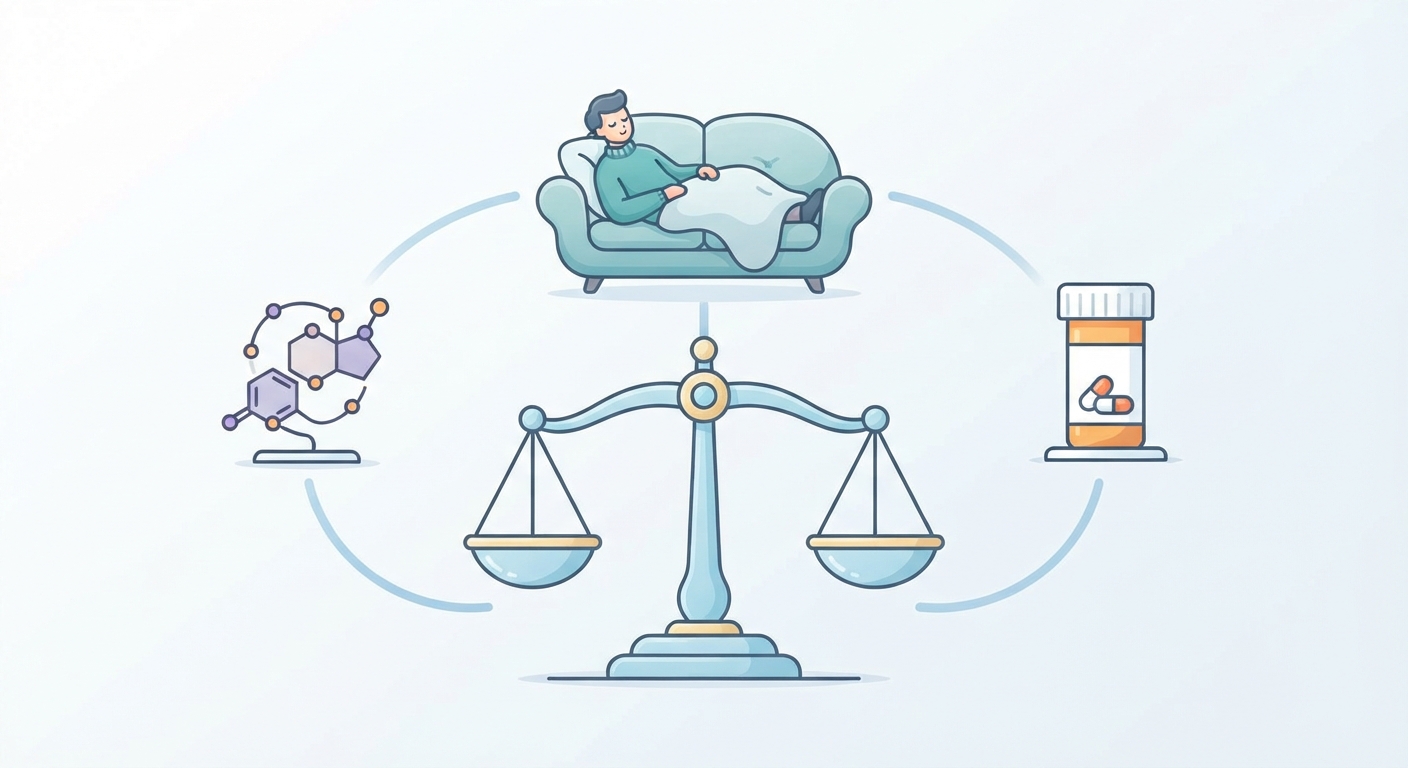
Medical conditions can influence weight through hormones that regulate metabolism and appetite, through medicines that increase appetite or fluid retention, and through symptoms such as fatigue or pain that limit activity. Mayo Clinic notes that a medical condition rarely slows metabolism enough, on its own, to cause large weight gain, so conditions are usually one factor among several (Mayo Clinic).
Three pathways come up most often:
- Hormonal: Thyroid hormones help set the body’s energy use, while insulin and androgens are involved in PCOS and type 2 diabetes.
- Medication-related: Some treatments for diabetes, depression, epilepsy, and inflammation are associated with weight gain or fluid retention (FDA).
- Symptom-related: Fatigue, joint pain, poor sleep, and low mood can make regular activity and meal planning harder (Mayo Clinic).
Thyroid, PCOS, and diabetes compared: what are the key differences?
The table below summarizes how each condition may relate to weight and what to raise with a provider. It is a general overview, not a personal assessment.
| Condition | How it may affect weight | What research suggests | Worth asking your provider |
|---|---|---|---|
| Underactive thyroid (hypothyroidism) | Slower metabolism and fluid retention may add a modest amount of weight | Typical gain is around 5 to 10 pounds; once treated, the ability to gain or lose weight is generally similar to people without thyroid problems | Are my thyroid levels in range on my current treatment? |
| Overactive thyroid (hyperthyroidism) | Often associated with unexplained weight loss | Unexplained loss deserves medical evaluation rather than being treated as a success | What is driving my weight change, and how will treatment affect it? |
| PCOS | Insulin resistance and hormone changes may make gain easier and loss harder | About 5% weight loss is often linked to better cycle regularity and metabolic markers | Should insulin resistance and other risks be checked? |
| Type 2 diabetes | Some medicines add weight, others may help lower it | 5% to 7% loss lowers diabetes risk in prediabetes; larger, sustained loss is linked to remission in some people | Could my medicines need adjusting as I lose weight? |
| Cushing syndrome, sleep apnea, depression | Hormones, sleep, and mood can affect appetite and activity | Treating the underlying condition is often part of the picture | Which condition should be addressed first? |
Does a thyroid condition make it harder to lose weight?
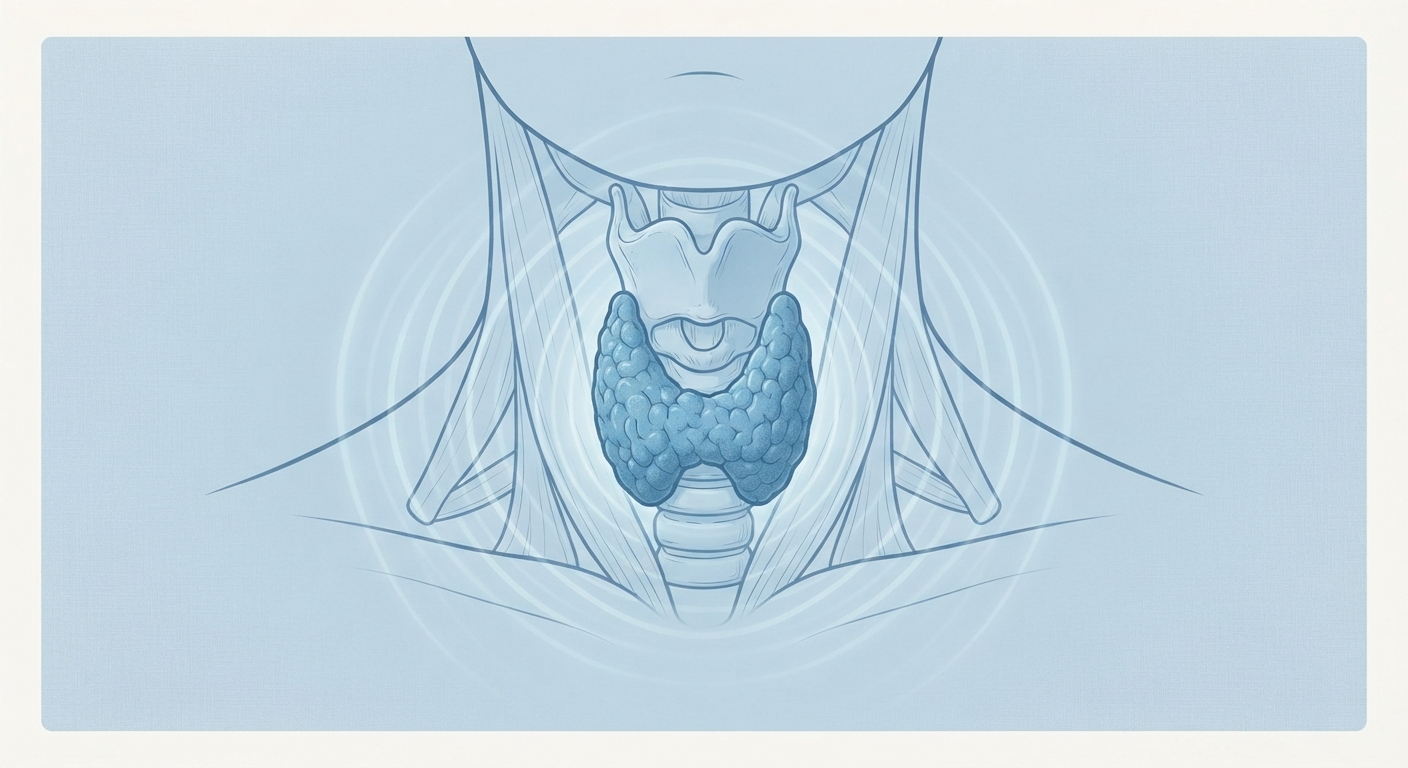
It can, mainly with an underactive thyroid, but the effect is usually modest. Low thyroid hormone levels slow metabolism and promote fluid retention, and Mayo Clinic experts describe the weight change as generally around 5 to 10 pounds, with larger gains more likely when levels are very low for a long time (Mayo Clinic expert answer).
Can an underactive thyroid cause weight gain?
Yes, hypothyroidism is associated with weight gain, though much of it is salt and water rather than fat. The American Thyroid Association lists some weight gain among its symptoms, alongside fatigue, depression, and forgetfulness (ATA). Because the thyroid is only one contributor to body weight, sleep, stress, diet, activity, and medicines also deserve a look.
Will thyroid medication make me lose weight?
Not necessarily. Treatment is generally intended to restore normal metabolism, after which weight regulation may return toward what it would be without a thyroid problem, but results vary. Mayo Clinic experts specifically caution that thyroid hormone should not be used as a weight-loss treatment in people with normal thyroid function (Mayo Clinic expert answer). Never change the dose of thyroid medicine without your prescriber.
What about an overactive thyroid?
An overactive thyroid is associated with unexplained weight loss, along with symptoms such as nervousness, sleep disturbance, and muscle weakness (ATA). Weight loss from this cause is a reason to see a provider, not a weight-loss strategy.
What should I discuss with my provider about thyroid health and weight?
- Whether a thyroid blood test (such as TSH) is appropriate if you have unexplained weight change plus other symptoms
- Whether your current treatment is working as intended
- How and when your thyroid levels should be rechecked as your weight changes
Why is weight loss harder with PCOS?

PCOS often involves insulin resistance and higher androgen (“male”) hormone levels, which may make weight gain easier and weight loss harder. The NHS notes that being overweight increases insulin production, and extra insulin in turn contributes to higher testosterone activity (NHS Wales). Researchers still debate which comes first, since heavier women with PCOS tend to have more severe symptoms but studies that deliberately cause weight gain would be unethical (Monash University).
How much weight loss may improve PCOS symptoms?
About 5% of body weight is the figure most often cited. The 2019 review above links roughly 5% loss with meaningful improvements in reproductive, androgen-related, and metabolic features, and the NHS makes a similar statement. A University of Oxford systematic review of 39 trials reported what its authors called the first clinically significant association between weight loss and improved menstrual frequency, while noting limited evidence for other symptoms and for which strategy works best (Medical News Today coverage). [CITE-CHECK: link the original Oxford systematic review directly before publishing.]
Which approaches are generally discussed for PCOS?
Lifestyle changes are generally the first step clinicians discuss, but experts disagree about which eating pattern is best. Regular moderate- and high-intensity exercise has been associated with better fitness, body composition, and insulin resistance in a 2020 meta-analysis (TODAY coverage) [CITE-CHECK: link the 2020 meta-analysis itself]. Medicines are a decision for a clinician, and you can read more in our guide to weight loss medications and injections.
One caution: experts quoted by Medical News Today note that people with PCOS have a higher risk of eating disorders, which calls for care when discussing weight loss. If weight-focused thinking feels distressing, tell your provider.
Can losing weight help with diabetes?

Yes, for many people with type 2 diabetes or prediabetes, modest weight loss is associated with better blood sugar control and lower risk. This section focuses on type 2 diabetes; people with type 1 diabetes must use insulin and need individualized guidance from their diabetes team (FDA).
How much weight loss helps prevent type 2 diabetes?
The CDC reports that losing 5% to 7% of body weight (10 to 14 pounds for someone weighing 200 pounds) plus about 150 minutes of weekly physical activity cut diabetes risk by 58%, and by 71% in adults over 60 (CDC, NIDDK). The CDC estimates that more than 2 in 5 U.S. adults have prediabetes, and 8 in 10 of them do not know it (CDC).
Can type 2 diabetes go into remission with weight loss?
In some people, yes. The NIDDK says significant weight loss through surgery or calorie restriction may lead to remission, and that success appears related to the amount of weight lost, pancreatic function, and how long someone has had diabetes (NIDDK). In DiRECT, 298 adults diagnosed within six years took part in a supervised program, and almost half were in remission at 12 months (The Lancet, 2018). Researchers prefer the word remission to cure because diabetes can return if weight is regained, and medicines may be needed again. DiRECT was clinician-supervised, so it should not be attempted alone.
Do diabetes medications affect weight?
Some do. The FDA lists weight gain among the common side effects of sulfonylureas and of thiazolidinedione medicines such as pioglitazone, the latter also with fluid retention (FDA). Insulin can also cause weight gain, and MedlinePlus notes that metformin may help some people lose a little weight (MedlinePlus). Eating less or exercising more while on glucose-lowering medicine can cause blood sugar to drop too low, so changes should be supervised (WebMD). Do not stop or change diabetes medicines without talking to your provider.
What other medical conditions can affect weight loss?
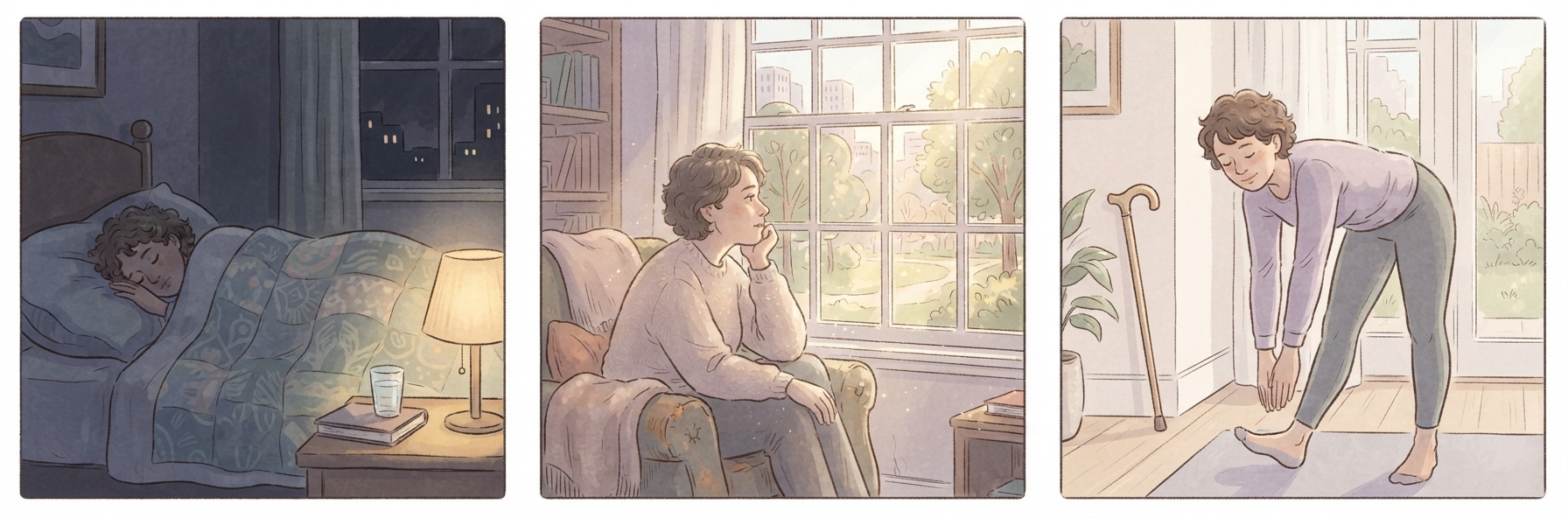
Several other conditions and treatments may play a role, though each affects people differently. Mayo Clinic lists hypothyroidism, Cushing syndrome, and Prader-Willi syndrome as medical causes of weight gain, and notes that arthritis can reduce activity (Mayo Clinic).
- Cushing syndrome: Excess cortisol is associated with fat accumulation in the face, upper back, and abdomen. It is uncommon.
- Sleep apnea and poor sleep: Disrupted sleep can alter appetite hormones. See our guide on sleep and weight loss.
- Depression: Low mood can affect energy, appetite, and activity, and some antidepressants are associated with weight changes.
- Heart failure and fluid retention: Fluid can add weight quickly. Rapid gains of 2 to 3 pounds in a day or more than 5 pounds in a week are commonly cited as a reason to contact a provider (MedicineNet). [CITE-CHECK: confirm against the American Heart Association.]
- Arthritis and chronic pain: Pain may limit movement, so provider-guided, low-impact options can matter.
- Medicines: Corticosteroids, some antipsychotics, antidepressants, epilepsy medicines, and beta-blockers are associated with weight gain in some people. Do not stop them without medical advice.
When should you talk to a healthcare provider about your weight?
Speak with a provider before starting a weight-loss plan if you take medicine for diabetes, thyroid disease, or blood pressure, and sooner if you notice any of the following:
- Unexplained weight gain or loss, especially alongside fatigue, cold or heat intolerance, or changes in your periods
- Rapid weight gain with swelling or shortness of breath
- Frequent blood sugar lows while changing your diet or activity
- Weight-related thoughts or behaviors that feel out of control
How can you build a safer weight-loss plan with a health condition?

- Confirm the basics. Ask whether your diagnosis, labs, and current treatment are up to date.
- Share your medication list. Include supplements and over-the-counter products.
- Agree on a pace and target. Modest, sustained goals such as the 5% benchmarks above are often used in research.
- Track more than the scale. Ask which measures matter for you, such as waist size, blood sugar readings, or lab results, and see our guide on weight loss testing and metrics.
- Protect sleep and manage stress. Both influence appetite and weight regulation.
- Reassess regularly. As weight changes, medicine needs may change too.
This article is one of a series under our hub on safe weight loss and medical considerations.
Can you lose weight with hypothyroidism?
Yes. Hypothyroidism-related weight gain is generally modest, and treatment aims to return metabolism to normal. Diet, activity, sleep, and medicines still matter, so discuss goals with your provider.
Does PCOS make losing weight impossible?
No. PCOS can make weight loss harder, but research links even about 5% weight loss with improvements in cycles and metabolic markers in many women. Support from a provider can help.
How much weight loss may help prevent type 2 diabetes?
In the Diabetes Prevention Program, losing 5% to 7% of body weight plus about 150 minutes of weekly activity was associated with a 58% lower risk of type 2 diabetes. Results vary by person.
Can weight loss put type 2 diabetes into remission?
Sometimes. In the Direct trial, almost half of participants reached remission at 12 months with a supervised program. Remission is not a cure, and it should be pursued with clinician support.
Do thyroid medicines work for weight loss?
No. Thyroid medicine treats thyroid hormone deficiency, and Mayo Clinic experts advise against using thyroid hormone for weight loss in people with normal thyroid function. Never adjust the dose without your prescriber.
Should I stop my medication if it causes weight gain?
No. Do not stop or change a prescribed medicine on your own. Ask your provider whether alternatives or adjustments are appropriate.
Sources
American Thyroid Association press room · Mayo Clinic expert answer on hypothyroidism and weight · Mayo Clinic: Obesity · Mayo Clinic: Metabolism and weight · CDC: What is the National DPP? · NIDDK: Diabetes Prevention Program · NIDDK: Diabetes remission · Lean et al., The Lancet 2018 (DiRECT) · FDA: Diabetes medicines · MedlinePlus: Oral diabetes medicines · PCOS and weight, 2019 review · NHS Wales: PCOS


Comments (1)
Safe Weight Loss: Medical Considerations & Safetysays:
November 21, 2026 at 11:03 am[…] Can I lose weight safely with a medical condition? […]