



Introduction
Scroll through social media for just a few minutes, and you will likely see an influencer holding a cup of herbal tea, promising a flat stomach and a cleansed system. These “teatox” products claim to flush out toxins, boost metabolism, and shed unwanted pounds overnight. We all want quick results when it comes to health and fitness. You might find yourself staring at a brightly packaged box in the health aisle, asking yourself: Do detox teas actually work?
This comprehensive guide breaks down the science behind the teatox trend. We will explore what happens inside your body when you drink these popular blends. You will learn about the common ingredients hiding in your cup, how your natural organs process waste, and whether that sudden drop on the scale is real fat loss or just an illusion.
By the end of this article, you will have a clear understanding of the risks, the benefits, and the facts. Let us examine the research to see if these beverages deserve a spot in your daily routine.
The Big Question: Do Detox Teas Actually Work?
To answer the question “Do detox teas actually work?”, we first need to define what “working” means. If your goal is to lose a quick pound of water weight and empty your digestive tract, these teas will certainly produce an effect. However, if your goal is long-term fat loss and genuine medical detoxification, the research tells a very different story.
Medical professionals and nutritionists agree that the concept of a “detox” in the commercial sense is largely a marketing myth. The human body does not need a special tea to cleanse itself. Your organs are already running a highly efficient, 24/7 waste management system.
When people ask, “Do detox teas actually work?”, they usually want to know if the tea will melt away belly fat. The short answer is no. These products do not target fat cells or speed up your metabolism enough to cause meaningful weight loss. Any immediate slimming effect you notice comes from losing water and stool, not body fat.
Understanding the “Teatox” Trend
The term “teatox” combines “tea” and “detox.” Brands market these blends as natural, gentle ways to reset your system. They use beautiful pastel packaging and hire celebrities to share glowing testimonials. The problem lies in the disconnect between the marketing claims and the biological reality.
Many consumers turn to these teas after a heavy weekend of eating or drinking. They want a clean slate. The tea promises to undo the damage. This creates a cycle of restriction and purging that can harm your relationship with food.
When you dig into the clinical evidence, the promises begin to fall apart. You must look past the influencer smiles and examine the actual ingredients. Only then can you fully answer the question, do detox teas actually work?
How Your Body Naturally Detoxifies
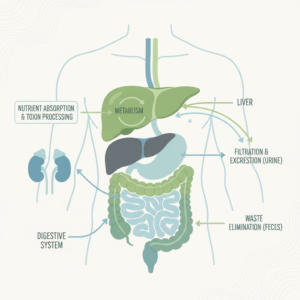
You do not need to buy a product to cleanse your body. You already own the most advanced detoxification system on the planet. Your internal organs work together flawlessly to filter out harmful substances, process waste, and keep your blood clean.
The Liver: Your Chemical Processing Plant
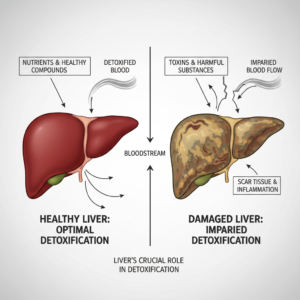
Your liver is the primary detox organ. It acts as a massive chemical processing plant. Everything you consume passes through the liver. It breaks down harmful chemicals, metabolizes medications, and processes alcohol.
The liver converts toxins into water-soluble substances. Once converted, these substances travel to the kidneys or intestines for removal. A cup of herbal tea cannot do this job. If your liver stops working, you need immediate medical attention, not a teatox.
The Kidneys: The Ultimate Filtration System
Your kidneys are two bean-shaped organs that sit below your rib cage. They filter about 200 quarts of blood every single day. They remove waste products and excess fluid, which then leave your body as urine.
Kidneys also balance your electrolytes and maintain your blood pressure. Drinking adequate water supports kidney function perfectly. Detox teas, which often contain harsh diuretics, can actually force your kidneys to work harder by causing dehydration.
The Digestive Tract and Skin
Your digestive system plays a massive role in waste removal. Your large intestine absorbs water and forms solid waste. Regular bowel movements are a sign of a healthy digestive tract.
Your skin also helps out through sweating. Sweat releases small amounts of heavy metals and other byproducts. Together, your liver, kidneys, digestive tract, and skin handle all your detoxification needs without any outside help.
What Is Inside Detox Teas? A Science-Backed Look
To figure out why people think these teas work, we must look at the ingredient list. Most brands blend standard tea leaves with specific herbs known for their powerful effects on the bowels and bladder.
Senna: The Hidden Laxative
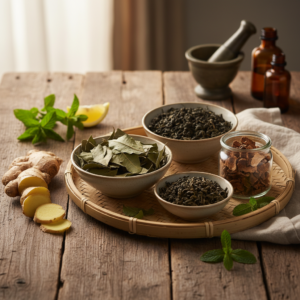
Senna is a natural plant extract. It is also an FDA-approved nonprescription laxative. Many popular detox teas use senna leaf as their primary active ingredient.
Senna irritates the lining of your bowels. This irritation causes the muscles in your digestive tract to contract, forcing stool out of your body rapidly. When you ask, “Do detox teas actually work?”, the answer often points directly to senna.
Frequent use of senna leads to severe cramping, diarrhea, and dependency. If you use it too often, your bowels can forget how to function on their own.
Caffeine: The Diuretic Effect
Many teatox blends contain high levels of caffeine. Brands source this caffeine from green tea, yerba mate, or guarana. Caffeine provides a quick burst of energy, which makes people feel active and alert.
Caffeine also acts as a diuretic. A diuretic forces your body to expel water through urine. You will find yourself running to the bathroom constantly. This rapid fluid loss makes you feel lighter and makes your stomach look flatter temporarily.
Dandelion Root and Green Tea
Some ingredients in these blends do offer mild health benefits. Dandelion root is rich in potassium and has traditional uses as a mild diuretic and digestive aid. It may provide gentle support to your liver, though it does not “cleanse” it.
Green tea contains catechins and antioxidants. These compounds support overall cellular health. Drinking plain green tea is a wonderful habit. However, mixing it with harsh laxatives completely negates the gentle benefits of the tea leaves.
Weight Loss vs. Water Weight: The Truth
The most deceptive part of the detox tea industry is the weight loss claim. When you step on the scale after two days of drinking a teatox, the number might be lower. This drop tricks many people into believing the product is burning fat.
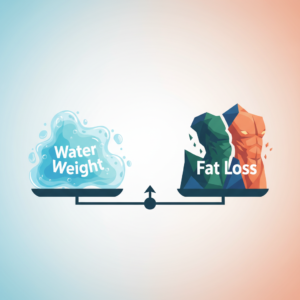
Here is the biological truth. Fat loss happens when you consume fewer calories than your body uses over a sustained period. Your body then breaks down stored fat cells for energy. This process takes time.
Detox teas do not trigger fat burning. They trigger water loss and bowel emptying. Water is heavy. Stool is heavy. When you force both out of your body rapidly, you lose physical weight. The moment you drink a large glass of water and eat a normal meal, that weight returns instantly.
If you are trying to find out, do detox teas actually work for sustainable weight loss, the science says absolutely not. They offer an illusion of progress while potentially harming your internal balance.
Potential Side Effects and Risks
Drinking laxative-heavy teas every day introduces serious risks to your body. Medical professionals frequently warn against the long-term use of these products.

Dehydration is the most immediate threat. Diuretics and laxatives strip your body of essential fluids. Dehydration causes headaches, dizziness, and extreme fatigue.
Electrolyte imbalance often follows dehydration. Your body needs a precise balance of sodium, potassium, and calcium to keep your heart beating and your muscles moving. Severe diarrhea washes these electrolytes away. This can lead to muscle spasms, irregular heartbeats, and in extreme cases, hospitalization.
Drug interactions present another major danger. Because these teas rush food and liquids through your digestive tract, your body may not have time to absorb important medications. This is especially dangerous for women taking oral birth control pills. The tea can render the medication ineffective.
Healthier Ways to Support Your Body
Instead of searching for a quick fix in a teacup, you can take practical, science-backed steps to support your body’s natural waste management system.

Focus on hydration first. Drink plenty of plain water throughout the day. Water keeps your kidneys flushing efficiently and helps your digestive tract process fiber.
Eat a diet rich in natural fiber. Whole grains, fruits, vegetables, and legumes keep your bowel movements regular. Fiber acts like a natural broom for your intestines, sweeping out waste without causing painful cramps.
Limit your alcohol and processed sugar intake. Alcohol forces your liver to work overtime. By cutting back, you give your liver the rest it needs to process other substances effectively.
Finally, engage in regular physical activity. Exercise boosts your blood circulation. Good circulation ensures that your liver and kidneys receive a steady supply of oxygen and nutrients to do their jobs well.
Conclusion
The wellness industry profits off our desire for quick, effortless results. The truth is much less glamorous but far more empowering. You already possess everything you need to detoxify your system.
Do detox teas actually work? They work if your goal is to lose water weight temporarily and spend extra time in the bathroom. They do not work if your goal is genuine fat loss, enhanced metabolism, or cellular cleansing. In fact, relying on them can damage your digestion and dehydrate your body.
Save your money. Skip the expensive, heavily marketed teatox blends. Enjoy a simple, comforting cup of regular green or peppermint tea instead. Trust your liver, support your kidneys with plenty of water, and nourish your body with whole foods. True wellness comes from consistent, daily habits, not a magic tea bag.
Frequently Asked Questions (FAQs)
Do detox teas help lose belly fat?
No, detox teas do not burn belly fat. They contain diuretics and laxatives that cause your body to lose water and empty your bowels. This can make your stomach appear temporarily flatter. However, it does not reduce your actual body fat percentage. Once you rehydrate and eat normally, your stomach will return to its usual shape.
Are detox teas safe to drink every day?
Medical professionals strongly advise against drinking detox teas daily. Most of these products contain senna or other strong herbal laxatives. Daily use can irritate your digestive lining, cause severe dehydration, and lead to a dangerous imbalance of electrolytes like potassium and sodium.
What are the long-term side effects of teatoxes?
Long-term use of laxative-based detox teas can cause your bowels to become lazy. Your digestive system can become dependent on the stimulant to push waste through. When you finally stop drinking the tea, you may experience severe, chronic constipation. They can also interfere with the absorption of essential nutrients and vital medications.
Do detox teas actually work for clearing up skin?
There is no clinical evidence showing that detox teas clear up acne or improve skin health. In fact, the dehydration caused by the diuretic ingredients can make your skin look dull and dry. Drinking plain water and maintaining a balanced diet are much more effective ways to support healthy skin.
Can I drink detox tea while taking medication?
You should always consult your doctor before drinking detox teas if you take medication. The laxative effect speeds up your digestion dramatically. This means your body might push the medication out before it has a chance to absorb into your bloodstream, making drugs like oral contraceptives ineffective.



Leave a Reply