



Introduction
Feeling sluggish, bloated, or simply out of balance often points to a body asking for a reset. You might think a cleanse requires extreme fasting or drinking nothing but cold-pressed juice for a week. Fortunately, true detoxification is about nourishing your body, not depriving it.
If you appreciate a warm, comforting cup of tea, you already have a powerful tool for your wellness journey. Figuring out what to eat while detoxing: a meal plan for tea lovers involves combining nutrient-dense superfoods with the natural cleansing properties of herbal and true teas.
We will explore how your body naturally filters toxins, the specific teas that amplify this process, and exactly which foods to put on your plate. You will walk away with actionable steps, a comprehensive meal plan, and the knowledge you need to rejuvenate your system safely and effectively.
Understanding the Detoxification Process
Your body is a highly sophisticated machine designed to clean itself. The liver, kidneys, digestive tract, lymphatic system, and skin work together around the clock to neutralize and eliminate waste. They filter out byproducts from normal cellular processes and expel external toxins from food, water, and the environment.
When you eat heavy, highly processed foods, you force these organs to work overtime. Over time, this burden slows down your natural filtration systems. Detoxing simply means shifting your dietary focus to give these hard-working organs a break. You provide them with the specific vitamins, minerals, and antioxidants they need to function at their highest capacity.
A successful cleanse requires a combination of adequate hydration, fiber to bind to waste, and specific nutrients that trigger liver enzymes. This makes the question of what to eat while detoxing crucial to your success.
The Role of Tea in Detoxification
Tea provides more than just a comforting morning ritual. For centuries, various cultures have used tea as a medicinal tool to stimulate digestion, calm inflammation, and promote longevity. When asking what to eat while detoxing: a meal plan for tea lovers, we must first look at what you should drink.
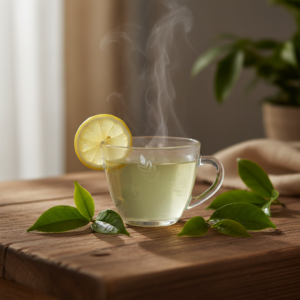
Green Tea: The Antioxidant Powerhouse
Green tea is unfermented, meaning it retains a massive amount of its natural antioxidants. The most prominent of these is epigallocatechin gallate (EGCG). EGCG directly supports liver function and protects your cells from oxidative stress. Drinking green tea helps your body fight off the free radicals that accumulate when your system is bogged down. Furthermore, the mild caffeine content combined with L-theanine provides a steady, calm energy boost without the jittery crash associated with heavy coffee consumption.
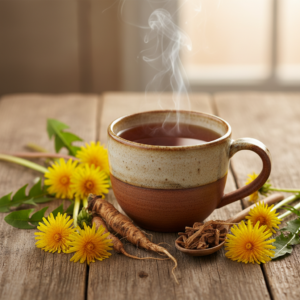
Dandelion Root Tea: The Liver Supporter
Dandelion root is a staple in traditional herbal medicine for liver support. It acts as a mild diuretic, helping your kidneys clear out excess water and salt. More importantly, dandelion root tea stimulates the production of bile. Bile is the fluid your liver uses to carry toxins into the digestive tract so they can leave the body. Drinking a cup of roasted dandelion root tea offers a robust, earthy flavor that pairs perfectly with a clean diet.
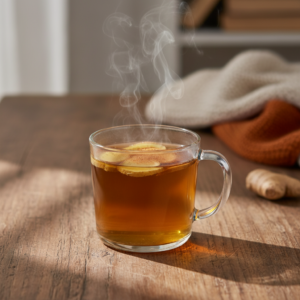
Ginger Tea: The Digestion Soother
Efficient digestion is non-negotiable during a cleanse. If waste sits in your digestive tract too long, your body can reabsorb toxins. Ginger tea accelerates gastric emptying and soothes the intestinal lining. Its active compound, gingerol, boasts potent anti-inflammatory properties. Sipping warm ginger tea before or after meals ensures that the healthy foods you eat break down properly and move smoothly through your system.
Detox Superfoods: What to Put on Your Plate
To build the perfect routine, we must carefully select foods that actively aid your internal organs. When designing what to eat while detoxing: a meal plan for tea lovers, we focus on whole, plant-rich foods that offer high fiber and critical micronutrients.
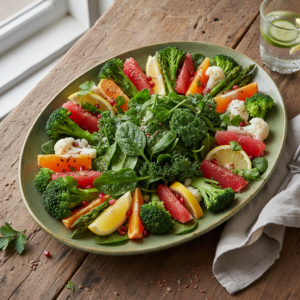
Leafy Greens
Spinach, kale, arugula, and Swiss chard are packed with chlorophyll. This green pigment helps remove environmental toxins from the bloodstream. Leafy greens also provide a massive dose of fiber, which acts like a broom sweeping through your intestines. They are light, low in calories, and incredibly versatile.
Citrus Fruits
Lemons, limes, and grapefruits contain high levels of vitamin C. Your body uses vitamin C to transform toxins into water-soluble materials that flush out easily. Starting your morning with a squeeze of fresh lemon in water or alongside a cup of green tea wakes up your digestive tract and sets an alkaline tone for the day.
Cruciferous Vegetables
Broccoli, cauliflower, cabbage, and Brussels sprouts contain glucosinolates. These sulfur-containing compounds trigger the production of specific detoxifying enzymes in the liver. Steaming or lightly roasting these vegetables makes them easier to digest while preserving their vital nutrients.
Legumes
You need sustained energy during a cleanse, and protein plays a vital role in the liver’s detoxification pathways. Lentils and chickpeas offer a perfect, plant-based source of protein. They digest slowly, stabilize your blood sugar, and provide soluble fiber that feeds the beneficial bacteria in your gut. Soaking or sprouting your legumes before cooking makes them even easier on your digestive system.
Healthy Fats
Many people mistakenly avoid fats during a cleanse. However, healthy fats are essential. Your body needs fat to absorb fat-soluble vitamins (A, D, E, and K). Avocados, walnuts, chia seeds, and extra virgin olive oil provide omega-3 fatty acids that lower inflammation and keep your cell membranes healthy.
What to Eat While Detoxing: A Meal Plan for Tea Lovers
This comprehensive meal plan shows you exactly how to combine nutrient-dense foods with your favorite teas. We designed this structure to keep your energy high, your digestion moving, and your liver fully supported.
Day 1: The Reset
- Morning Wake-Up: Warm water with half a squeezed lemon and a cup of freshly brewed green tea.
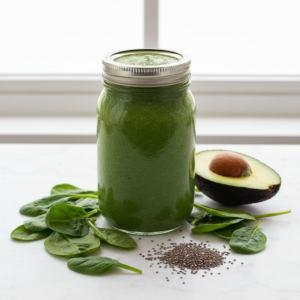
- Breakfast: A green smoothie blending spinach, half a green apple, half an avocado, chia seeds, and water.
- Mid-Morning Snack: A small handful of raw walnuts and a cup of ginger tea.
- Lunch: A large kale and arugula salad topped with half a cup of sprouted chickpeas, cucumber, radishes, and a dressing made of olive oil and lemon juice.
- Afternoon Tea: Iced green tea with a sprig of fresh mint.
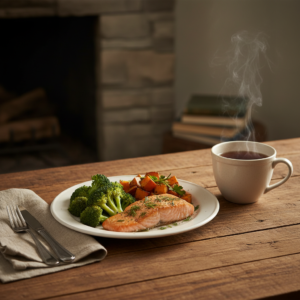
- Dinner: Baked wild-caught salmon (or a lentil patty for vegans) served with a generous portion of steamed broccoli and asparagus.
- Evening Wind Down: A warm cup of dandelion root tea to support liver processing overnight.
Day 2: Deep Nourishment
- Morning Wake-Up: Warm lemon water followed by a lightly steeped green tea.
- Breakfast: A bowl of warm quinoa porridge topped with fresh blueberries, a dash of cinnamon, and flaxseeds.
- Mid-Morning Snack: Sliced celery and carrots with two tablespoons of hummus.
- Lunch: A hearty bowl of lentil and vegetable soup packed with carrots, onions, garlic, and celery.
- Afternoon Tea: Hot ginger tea to stimulate mid-day digestion.
- Dinner: Roasted Brussels sprouts and sweet potatoes tossed in extra virgin olive oil, paired with baked chicken breast or tempeh.
- Evening Wind Down: Chamomile and dandelion blend tea to promote deep sleep.
Day 3: Cellular Hydration
- Morning Wake-Up: Warm lemon water and a robust cup of green tea.
- Breakfast: Chia seed pudding made with unsweetened almond milk, topped with sliced grapefruit and pumpkin seeds.
- Mid-Morning Snack: Half a cup of fresh berries.
- Lunch: A large spinach wrap filled with avocado, shredded cabbage, cucumber, and a light tahini drizzle.
- Afternoon Tea: Iced peppermint tea for a refreshing boost.
- Dinner: Zucchini noodles tossed in a fresh basil and walnut pesto, served alongside lightly sautéed kale.
- Evening Wind Down: Ginger and turmeric tea to reduce systemic inflammation.
By repeating or slightly modifying these days, you easily execute the core philosophy of what to eat while detoxing: a meal plan for tea lovers. Keep portions satisfying enough so you never feel deprived.
The Importance of Hydration Beyond Tea
While tea provides incredible benefits, pure water remains the foundation of any cleanse. Water facilitates every single metabolic process in your body. It keeps your blood volume optimal, allows your kidneys to filter waste, and ensures regular bowel movements.
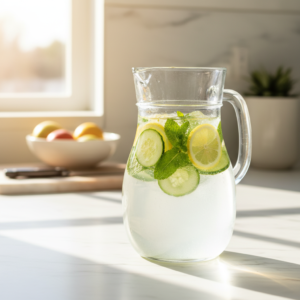
Aim to drink at least eight to ten glasses of water a day, in addition to your tea. If you find plain water boring, infuse it with slices of cucumber, fresh mint leaves, or orange wedges. Keep a large glass bottle with you throughout the day to visually track your intake. Remember, tea has mild diuretic properties, so balancing your tea consumption with adequate pure water prevents dehydration.
Foods and Beverages to Avoid
Adding superfoods to your diet only works if you simultaneously remove the foods causing the burden. To get the best results from this meal plan, you must temporarily eliminate specific items from your kitchen.
- Processed Sugars: White sugar, high-fructose corn syrup, and artificial sweeteners spike your insulin, cause inflammation, and feed bad bacteria in your gut. Check the labels on sauces, dressings, and packaged foods.
- Alcohol: Your liver views alcohol as a primary toxin. When you drink alcohol, your liver stops processing everything else to clear it out. Removing alcohol is the single most effective step in a detox.
- Fried Foods and Trans Fats: Deep-fried foods contain damaged fats that cause severe oxidative stress. They slow down digestion and congest the liver. Stick to baking, steaming, or light sautéing.
- Excessive Coffee: While a single cup of black coffee is fine for some, high caffeine intake stresses the adrenal glands and dehydrates the body. Swap your coffee for green tea during this phase.
- Refined Carbohydrates: White bread, white pasta, and pastries lack fiber and nutrients. They turn directly into sugar in the bloodstream. Choose whole grains like quinoa or brown rice instead.
Lifestyle Practices to Enhance Your Detox
Food and tea form the foundation, but your lifestyle habits determine the ultimate success of your cleanse. Incorporating these practices maximizes your body’s ability to heal and clear out waste.
Prioritize Deep Sleep
Your brain has its own waste clearance system called the glymphatic system. It sweeps away cellular debris and neurotoxins, but it only operates while you are in deep sleep. Aim for seven to nine hours of quality sleep every night. Keep your bedroom cool, turn off screens an hour before bed, and let your evening cup of dandelion or chamomile tea signal to your body that it is time to rest.
Engage in Consistent, Gentle Exercise
Physical activity increases blood circulation and encourages sweating, both of which are secondary detox pathways. However, a cleanse is not the time for grueling, high-intensity workouts that deplete your energy reserves. Focus on gentle movement. Brisk walking, light jogging, cycling, and yoga are excellent choices. Yoga poses that involve twisting are particularly beneficial, as they gently compress and release the digestive organs, stimulating blood flow.
Practice Stress Management
Chronic stress floods your body with cortisol. High cortisol levels slow down digestion, increase blood sugar, and hinder liver function. Take a few minutes each day to practice deep diaphragmatic breathing. You can do this while your tea is steeping. Simply inhale deeply through your nose for four seconds, hold for four seconds, and exhale slowly through your mouth for six seconds.
Moving Forward with Your Health
Learning what to eat while detoxing: a meal plan for tea lovers gives you a blueprint for sustainable health. A true cleanse does not punish the body; it celebrates and supports it. By incorporating leafy greens, cruciferous vegetables, and healthy fats alongside green, ginger, and dandelion teas, you provide your organs with the exact tools they need.
Listen to your body as you move through this plan. If you feel tired, rest. If you feel hungry, eat more vegetables and legumes. Once you finish your dedicated detox period, try to keep the core principles alive in your daily routine. Continue drinking your healing teas, prioritize plant-based whole foods, and keep drinking plenty of water. Your body will reward you with sustained energy, clear skin, and vibrant health.
Frequently Asked Questions (FAQs)
How long should I follow this detox meal plan?
For most people, following a dedicated detox meal plan for 3 to 7 days provides an excellent reset. However, because this plan consists of whole, nutrient-dense foods, you can safely incorporate these meals into your regular lifestyle long-term.
Can I drink coffee while on this detox?
It is best to eliminate coffee during a cleanse to give your adrenal glands and liver a break. Green tea serves as an excellent substitute, providing a gentler caffeine lift along with powerful antioxidants.
Will I experience side effects during the first few days?
Some people experience mild headaches, fatigue, or changes in bowel movements during the first 24 to 48 hours. This happens as your body adjusts to the lack of processed sugar and caffeine. Drink plenty of water and get extra rest.
Can I add honey to my tea during the cleanse?
Try to enjoy your tea plain to minimize sugar intake. If you absolutely need a touch of sweetness, use a very small amount of raw, unpasteurized honey, but avoid adding it to every cup.
Are frozen vegetables okay to use in the meal plan?
Yes. Frozen vegetables are often picked and flash-frozen at peak ripeness, locking in their nutrients. They are a convenient and healthy option when fresh produce is unavailable.
How much tea should I drink per day?
Aim for 3 to 4 cups of herbal or green tea spread throughout the day. Balance this with at least 8 glasses of pure, filtered water to ensure optimal hydration.
Can I exercise normally while detoxing?
You should scale back intense, high-impact workouts during a detox. Switch to restorative exercises like brisk walking, swimming, or yoga to keep your circulation moving without exhausting your body.



Leave a Reply