


Introduction
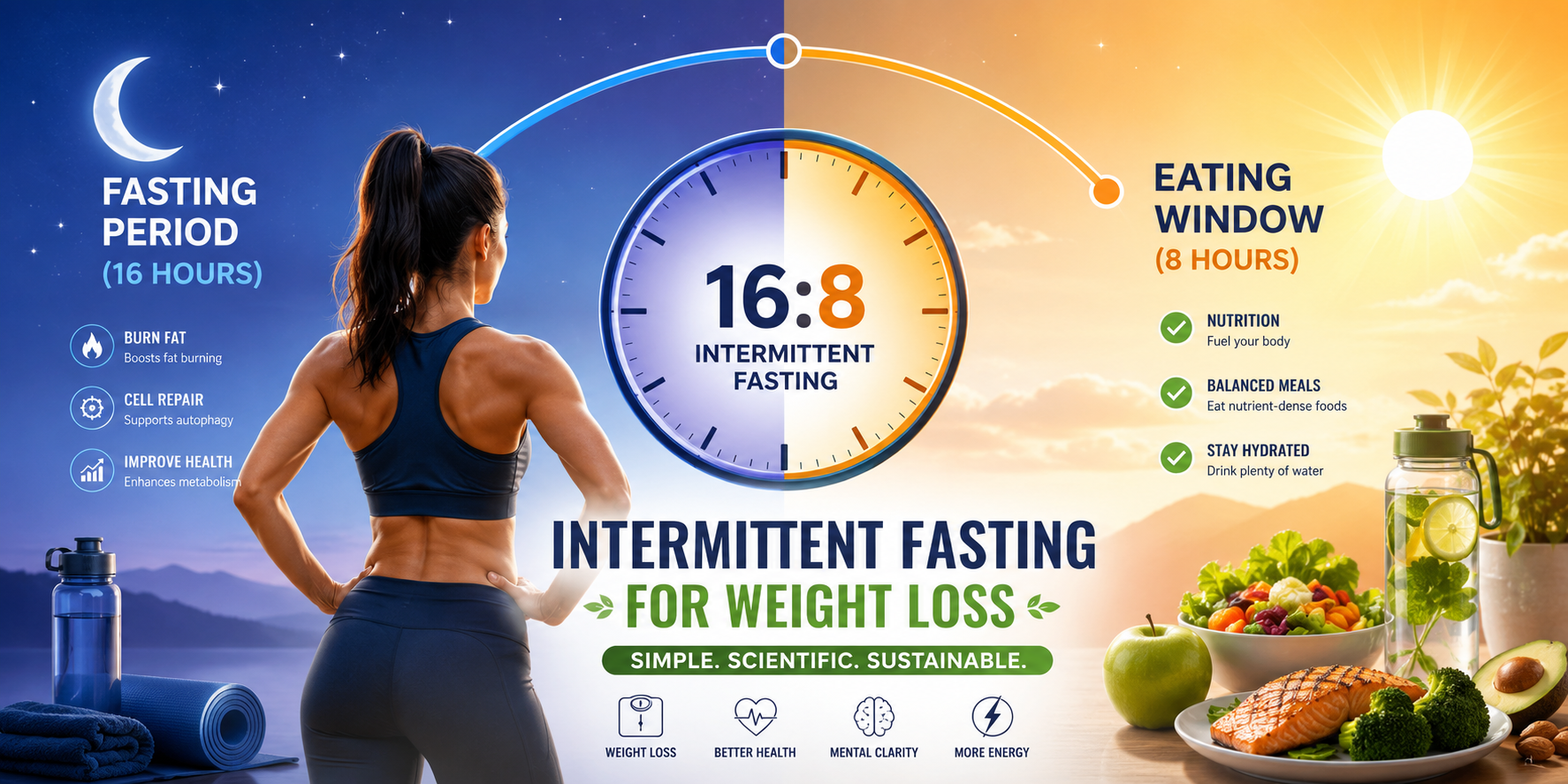
In a world obsessed with quick fixes and miracle diets, intermittent fasting for weight loss has emerged as a genuinely science-backed approach that’s transforming how millions approach nutrition. Unlike restrictive diets that demand you count every calorie or eliminate entire food groups, intermittent fasting for weight loss focuses on when you eat rather than what you eat. This simple yet powerful principle has captivated everyone from Silicon Valley entrepreneurs to fitness enthusiasts, all seeking sustainable weight loss without the constant deprivation.
But here’s the truth: intermittent fasting for weight loss isn’t a magic wand. It’s a behavioral tool that, when practiced correctly, can help you create the caloric deficit necessary for sustainable weight loss while potentially improving your metabolic health. The beauty of intermittent fasting for weight loss lies in its flexibility—with multiple protocols available, you can choose the approach that aligns with your lifestyle, schedule, and personal goals.
What is Intermittent Fasting for Weight Loss?
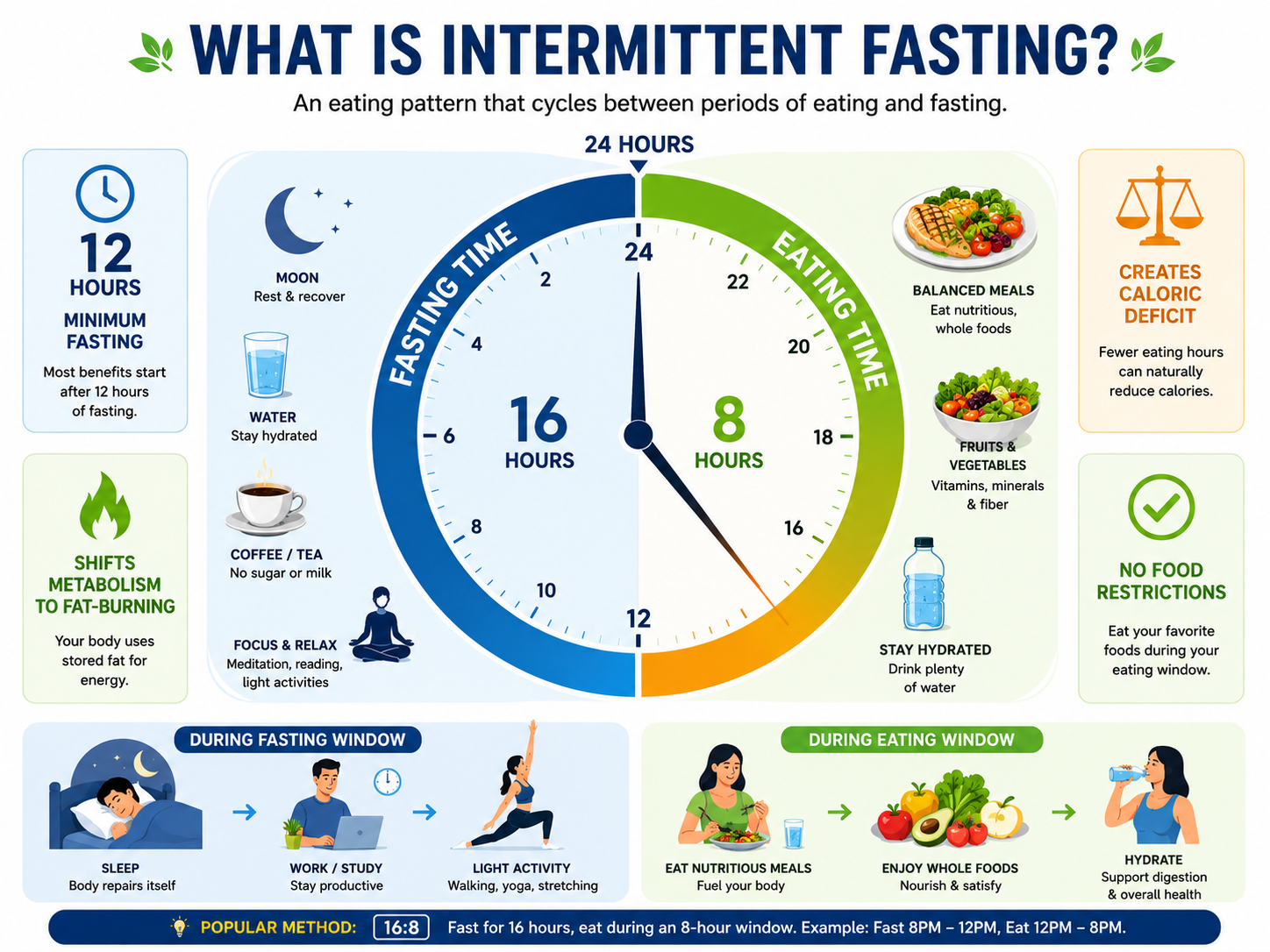
Intermittent fasting for weight loss is an eating pattern that cycles between designated eating windows and fasting periods, typically extending fasting to 12 hours or more daily. Rather than following a traditional three-meal-a-day structure, intermittent fasting weight loss concentrates your caloric intake into a compressed timeframe, allowing your body extended periods to digest, process, and ultimately burn stored fat.
The science behind intermittent fasting for weight loss is compelling. During fasting periods, your body exhausts its readily available glucose (stored carbohydrates) and shifts toward burning fat stores for energy—a metabolic state called ketosis. This natural fat-burning mechanism, combined with the reduced eating window that often naturally limits calorie consumption, creates an ideal environment for intermittent fasting of weight loss to succeed.
Research from 2024-2025 indicates that intermittent fasting for weight loss can significantly improve metabolic markers including insulin sensitivity, fasting glucose levels, LDL cholesterol, and triglycerides—benefits extending far beyond the number on your scale.
Types of Intermittent Fasting for Weight Loss
1. The 16:8 Method (Lean Gains Protocol)
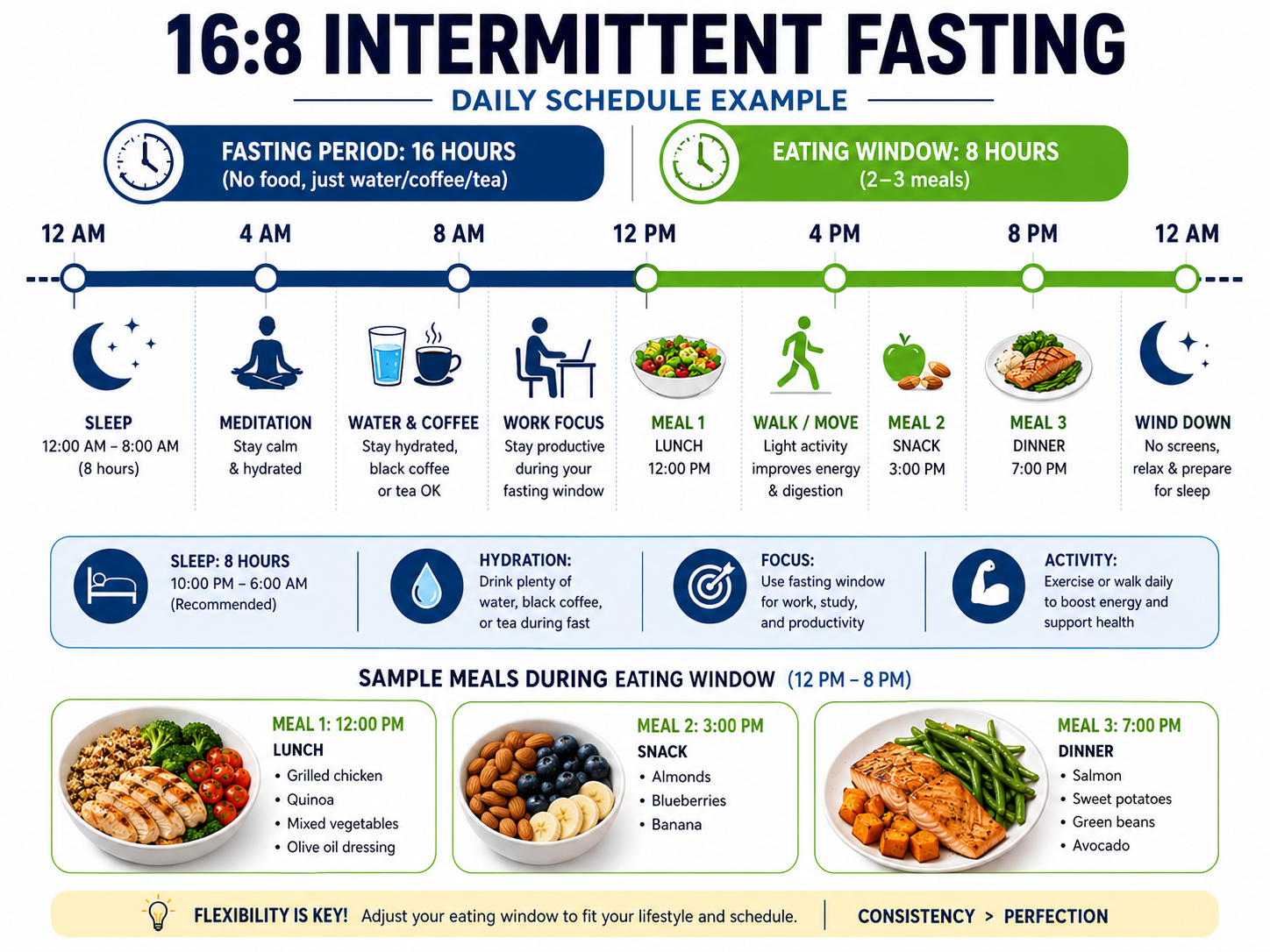
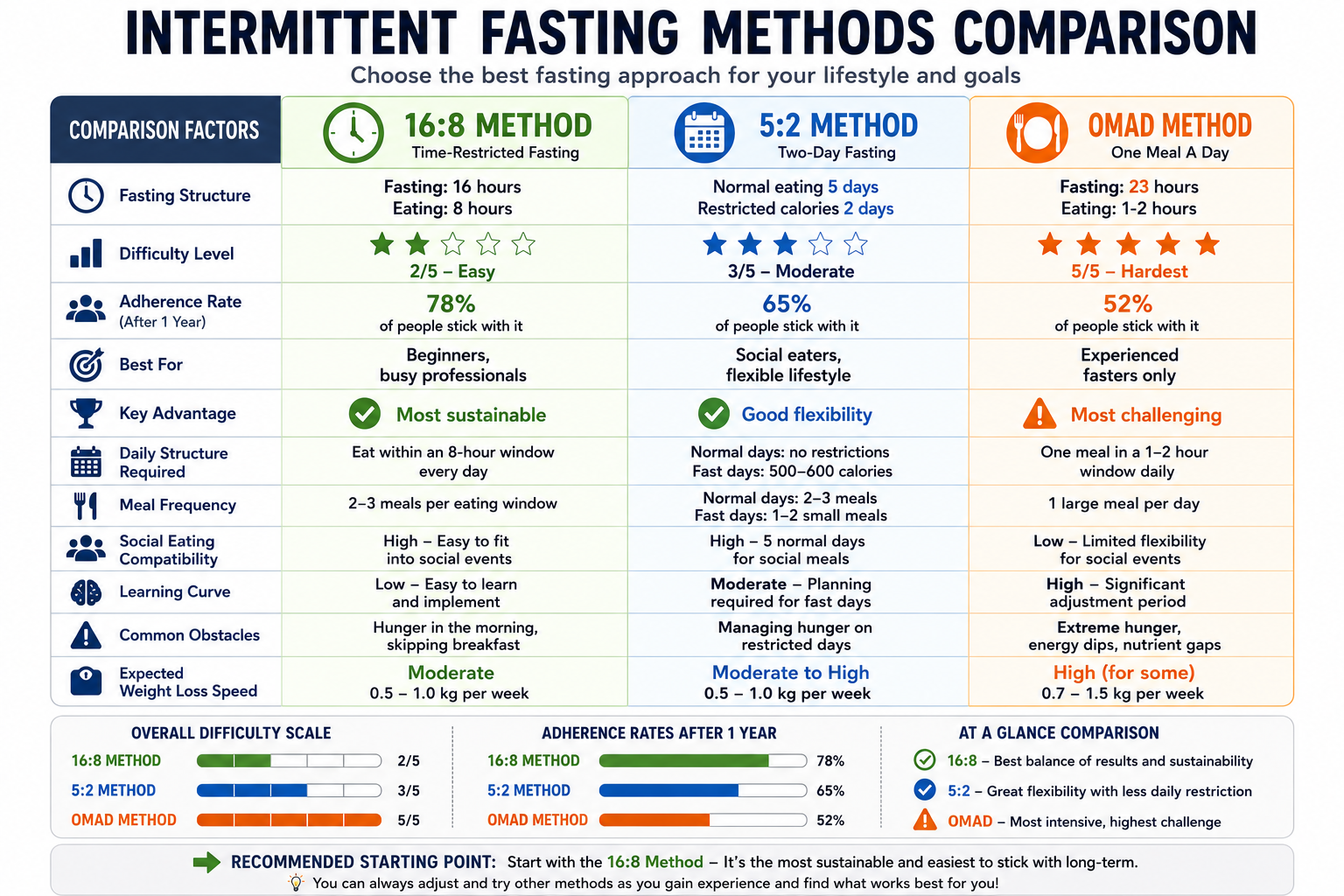
The 16:8 intermittent fasting for weight loss approach is the industry’s most popular protocol, accounting for 40% of all practitioners globally. This method involves fasting for 16 consecutive hours and consuming all your daily calories within an 8-hour eating window.
How it Works:
- Typical schedule: Fast from 8 PM to 12 PM, eat between 12 PM and 8 PM
- Flexibility: You can adjust the window to match your lifestyle (10 AM to 6 PM, or 2 PM to 10 PM)
- Meals: Usually consists of 2-3 meals within your eating window
Why 16:8 Dominates: Research shows 16:8 intermittent fasting for weight loss boasts an impressive 78% adherence rate after one year, significantly higher than other protocols. Why? Because it’s manageable. Most people naturally skip breakfast, work through the day, and eat lunch and dinner—aligning perfectly with this intermittent fasting of weight loss method.
Ideal For: Busy professionals, beginners, shift workers, and anyone seeking a sustainable intermittent fasting of weight loss approach without extreme restrictions.
2. The 5:2 Method (The Fast Diet)
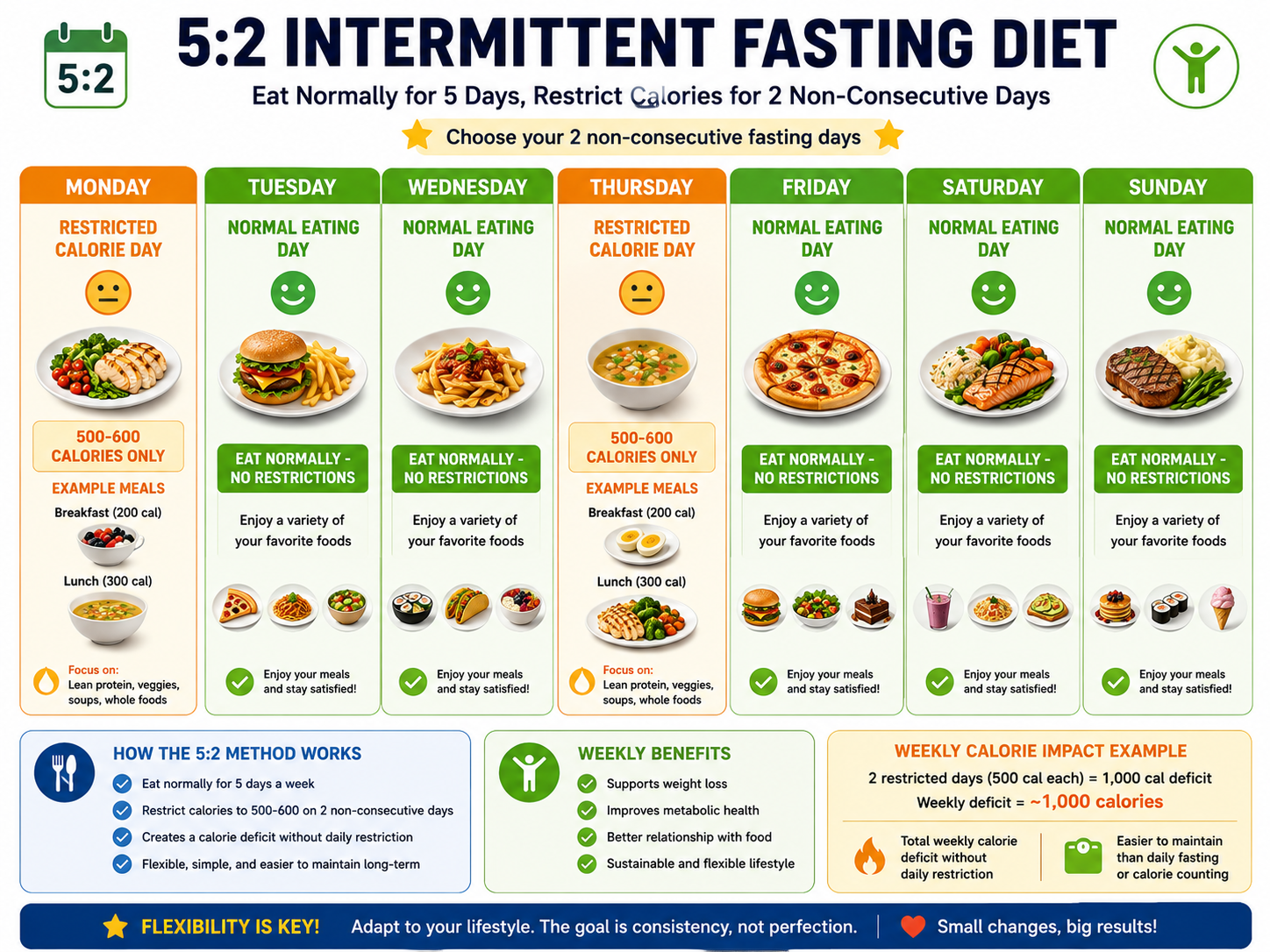
The 5:2 intermittent fasting for weight loss protocol, popularized by Dr. Michael Mosley and featured in BBC documentaries, offers greater flexibility. You eat normally five days per week while restricting calories to 500-600 on two non-consecutive days.
How it Works:
- Normal eating: 5 days weekly with no specific calorie targets
- Restricted days: 2 non-consecutive days (typically Monday and Thursday) with 500-600 calories
- Structure: You can distribute those calories across one meal or two smaller meals
Why People Love It: With intermittent fasting for weight loss using the 5:2 method, you avoid daily restrictions. Most people find it psychologically easier knowing they’ll eat normally five out of seven days. This intermittent fasting of weight loss approach also maintains a 65% adherence rate after one year.
Scientific Backing: A 2025 study comparing intermittent fasting of weight loss methods found the 5:2 approach shows similar effectiveness to 16:8, with some research suggesting it may slightly increase short-term weight loss rates, particularly for individuals with obesity.
Ideal For: People who find daily eating restrictions difficult, those with social eating commitments, and anyone wanting flexibility without daily structure.
3. OMAD – One Meal A Day
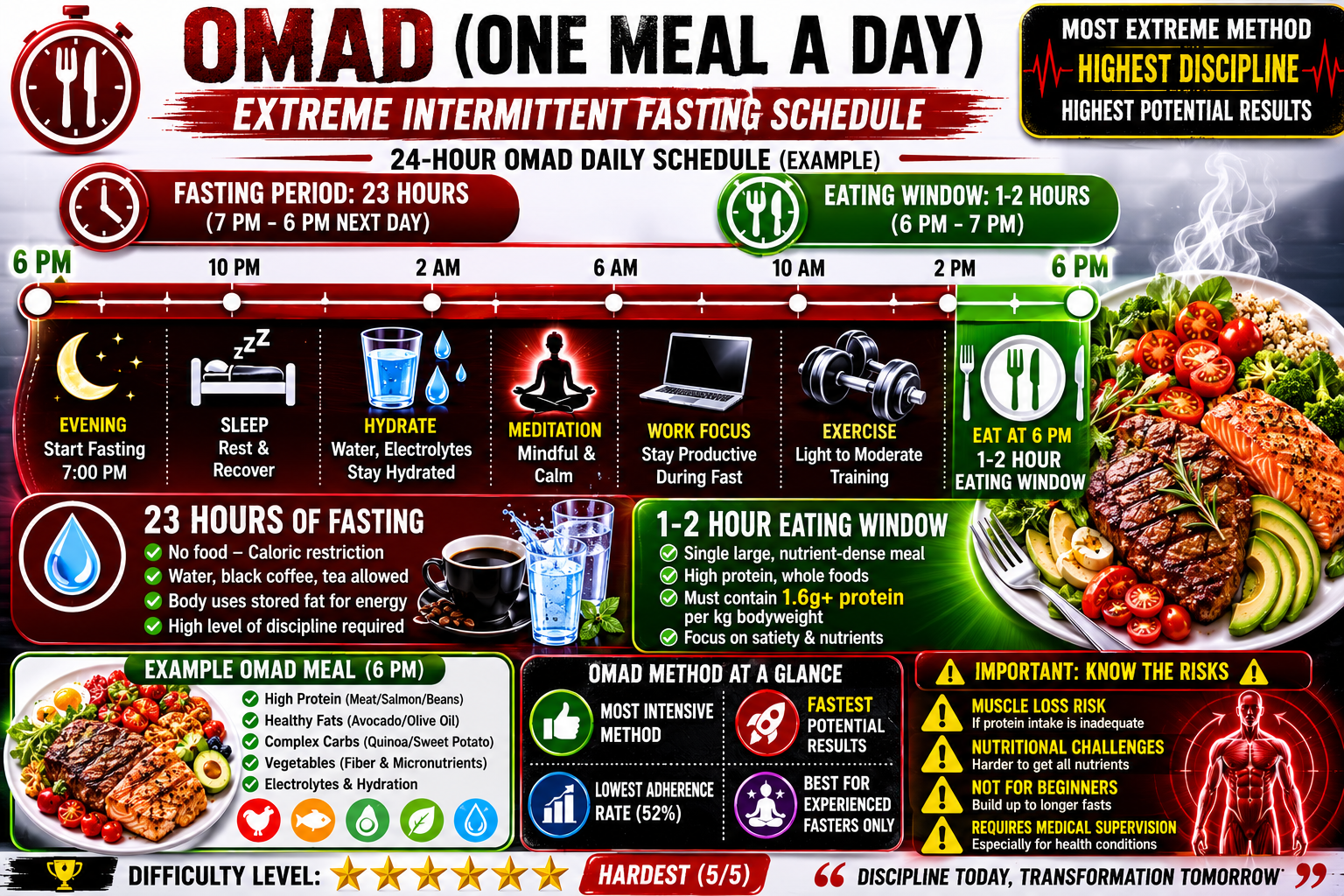
OMAD represents the most intensive intermittent fasting for weight loss protocol, requiring you to consume all daily calories in a single meal within a 1-2 hour window, fasting for 22-23 hours daily.
How it Works:
- Single eating window: Typically 1-2 hours daily (e.g., 6 PM to 7 PM)
- Fasting duration: 22-23 hours of fasting
- Meal composition: Must contain balanced macronutrients with at least 1.6g protein per kilogram of body weight
The Reality Check: While intermittent fasting for weight loss using OMAD can produce rapid results, it’s the most challenging protocol. Research shows only 52% adherence after one year, making it unsustainable for most people long-term. Additionally, studies indicate OMAD may reduce lean muscle mass more than other intermittent fasting of weight loss methods at the same caloric deficit.
Ideal For: Experienced fasters who’ve already adapted to gentler intermittent fasting of weight loss protocols, individuals with flexible schedules, and those comfortable with nutritional complexity.
The Benefits of Intermittent Fasting for Weight Loss
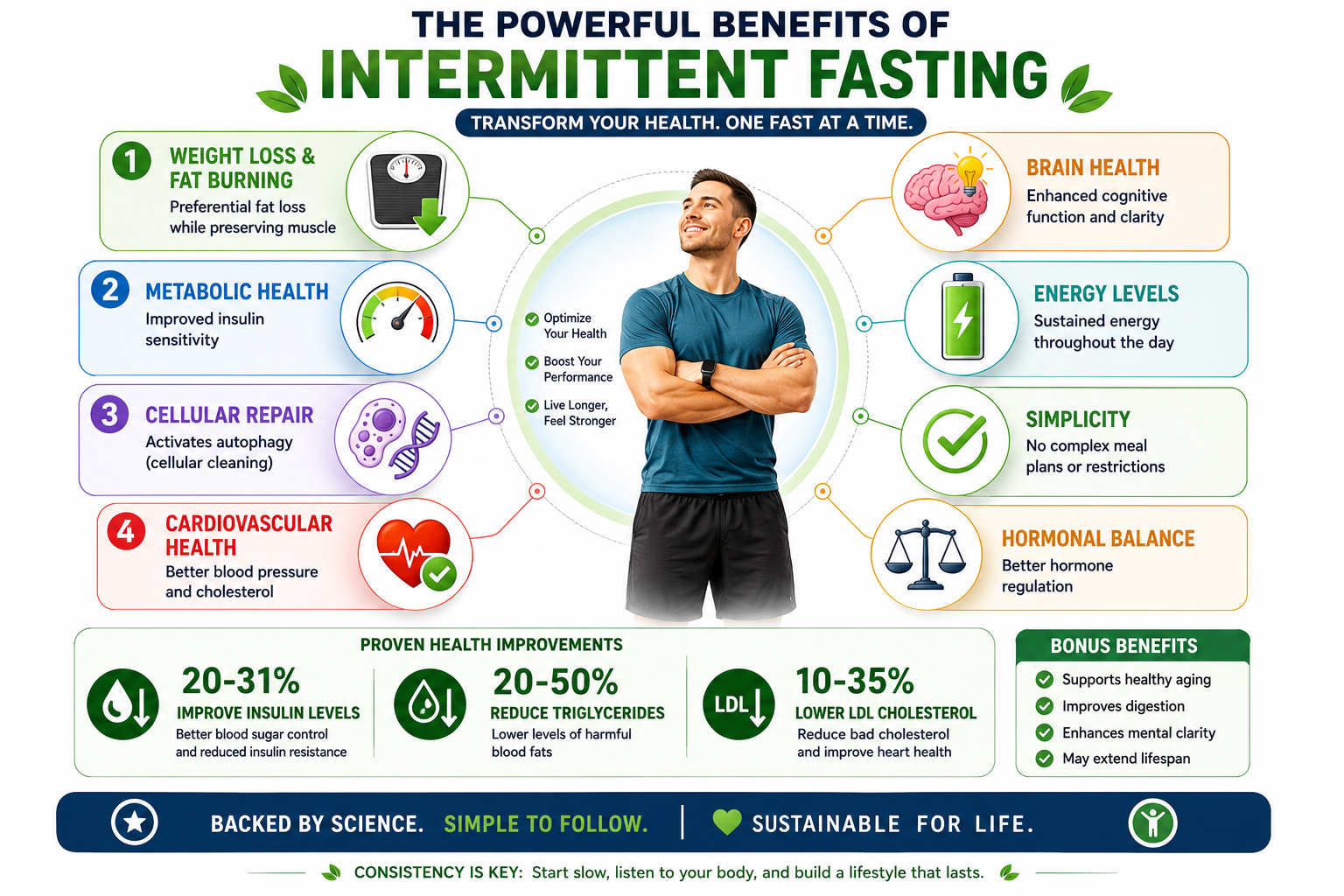
Beyond the obvious reduction on the scale, intermittent fasting for weight loss delivers remarkable health benefits:
- Metabolic Improvements: Enhanced insulin sensitivity, reduced fasting insulin levels, and better glucose management
- Fat Loss: Preferential loss of body fat while preserving lean muscle mass when combined with adequate protein
- Cellular Repair: Intermittent fasting for weight loss activates autophagy—your body’s cellular cleaning process
- Cardiovascular Health: Improvements in blood pressure, triglyceride levels, and cholesterol profiles
- Cognitive Function: Emerging research suggests intermittent fasting weight loss may support brain health and mental clarity
- Simplicity: No complicated meal plans or forbidden foods; intermittent fasting for weight loss simply requires discipline about timing
Risks and Important Considerations
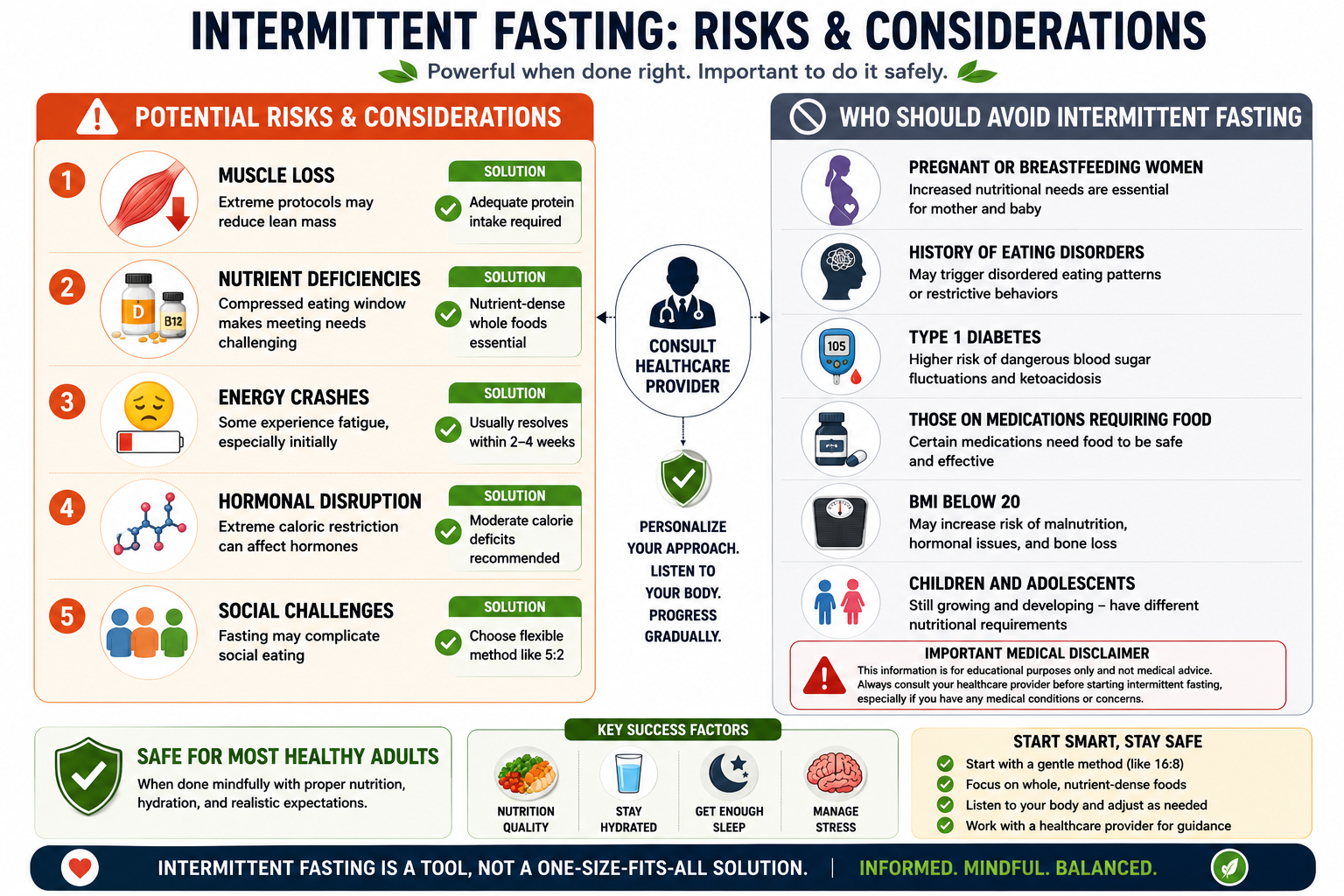
While intermittent fasting for weight loss is generally safe for healthy adults, it’s not universally appropriate:
Potential Risks:
- Muscle Loss: Extreme protocols like OMAD may reduce lean mass; adequate protein intake is crucial
- Nutrient Deficiencies: Compressed eating windows make meeting nutritional needs challenging
- Energy Crashes: Some experience fatigue, especially initially
- Hormonal Disruption: Extreme caloric restriction can affect hormone levels
- Social Challenges: Fasting may complicate social eating situations
Who Should Avoid Intermittent Fasting for Weight Loss:
- Pregnant or breastfeeding women
- Individuals with eating disorder histories
- People with type 1 diabetes
- Those taking medications requiring food consumption
- Anyone with a BMI below 20
- Children and adolescents
Always consult a healthcare professional before starting intermittent fasting for weight loss, especially if you have pre-existing health conditions.
How to Start Intermittent Fasting for Weight Loss: A Beginner’s Guide
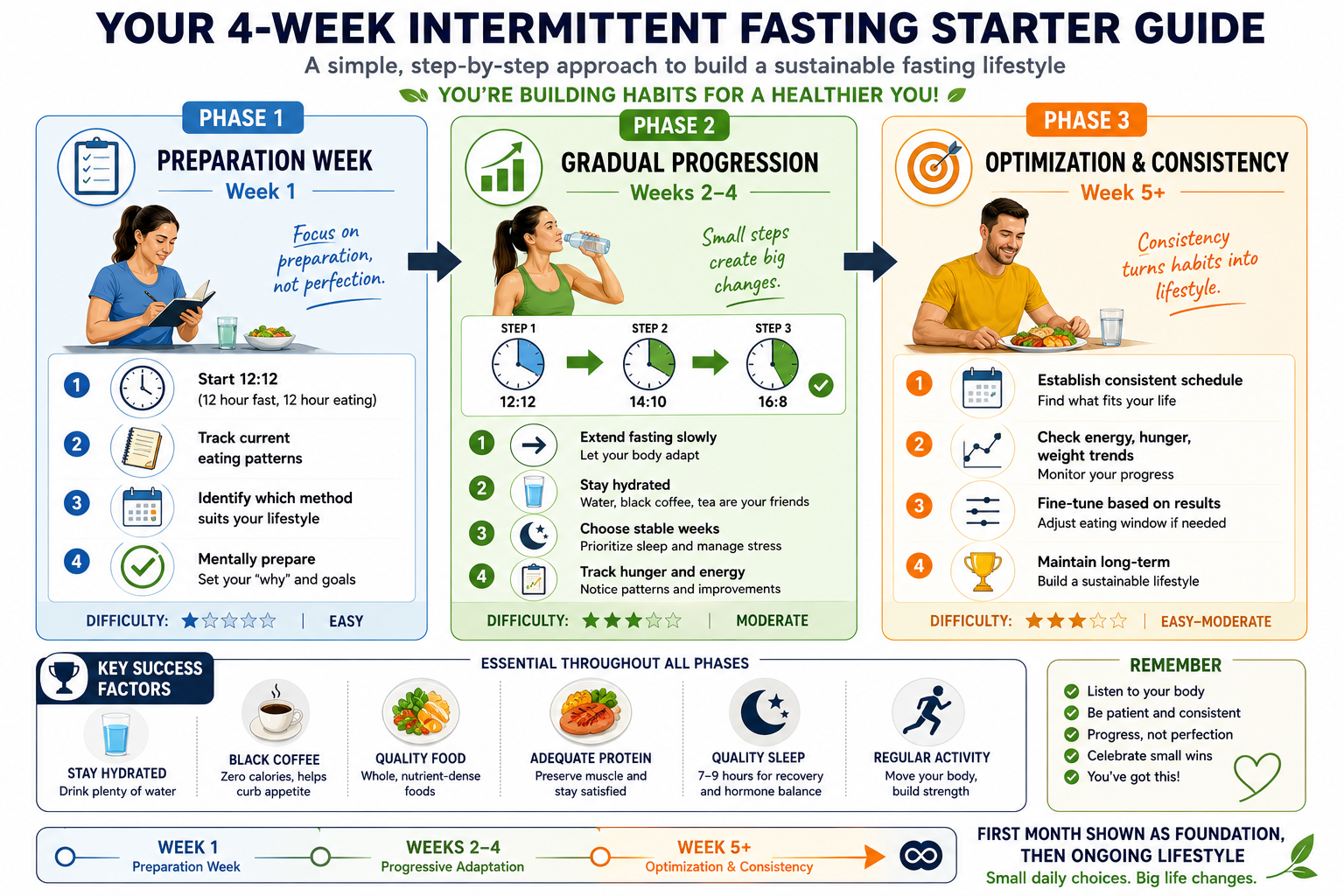
Phase 1: Preparation (Week 1)
Begin with a 12:12 split (12 hours fasting, 12 hours eating) to allow your body to adapt. Track your current eating patterns and identify which intermittent fasting for weight loss protocol suits your lifestyle.
Phase 2: Gradual Progression (Weeks 2-4)
- Extend fasting gradually: 12:12 → 14:10 → 16:8
- This gradual approach reduces hunger and adaptation challenges
- Start with intermittent fasting weight loss during stable weeks without major stress or travel
Phase 3: Optimization (Week 5+)
- Establish your consistent intermittent fasting for weight loss schedule
- Monitor energy levels, hunger patterns, and weight trends
- Make adjustments based on results and how you feel
Key Success Strategies for Intermittent Fasting for Weight Loss:
- Hydration: Drink water, black coffee, or unsweetened tea during fasting periods
- Quality Nutrition: Intermittent fasting for weight loss isn’t permission to eat junk; focus on whole foods
- Protein Intake: Aim for 25-30% of calories from protein to preserve muscle during intermittent fasting for weight loss
- Consistency: The best intermittent fasting for weight loss protocol is the one you’ll maintain long-term
- Sleep: Prioritize 7-9 hours nightly; inadequate sleep undermines intermittent fasting weight loss efforts
- Exercise: Combine intermittent fasting for weight loss with resistance training for optimal body composition changes
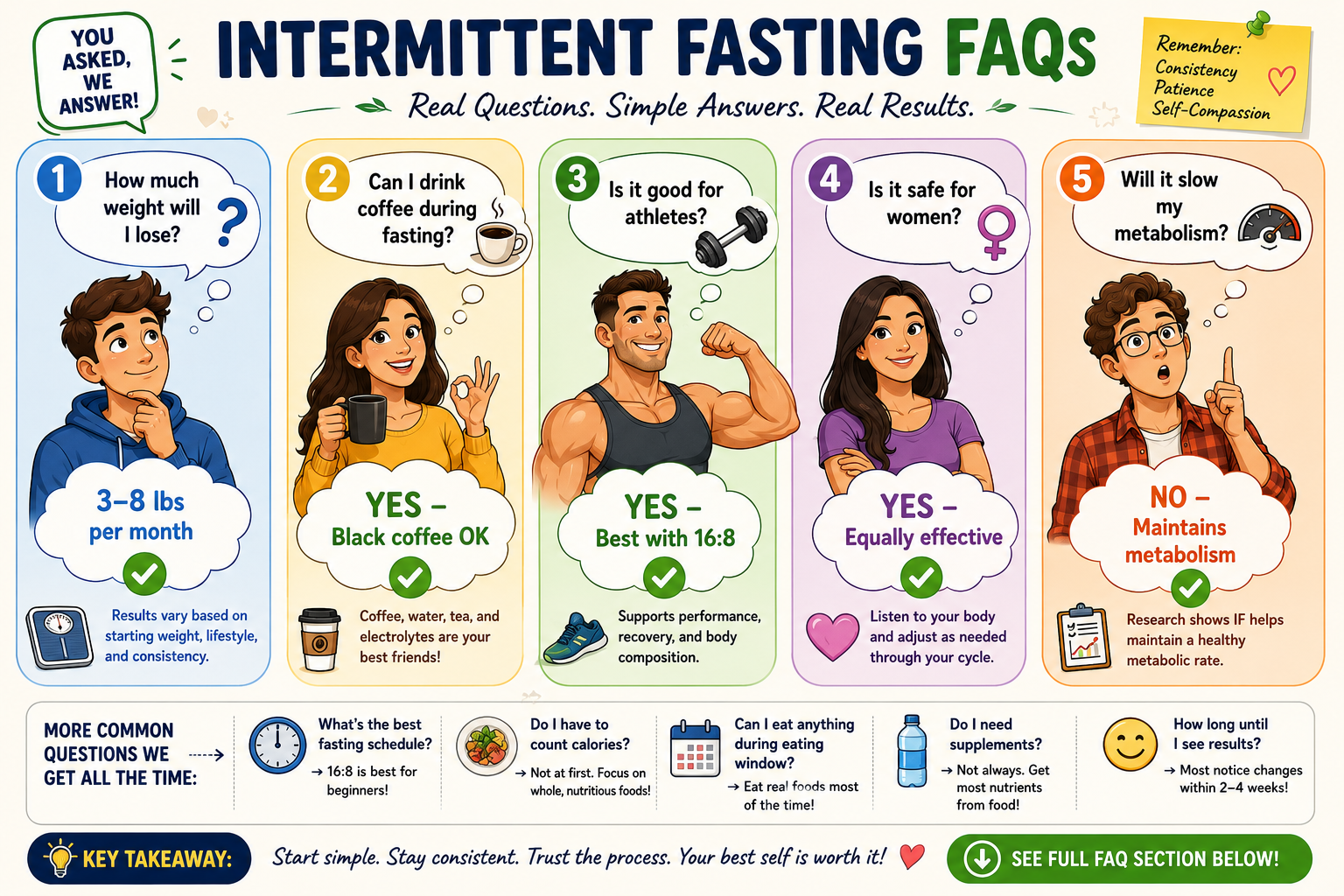
How much weight can I expect to lose with intermittent fasting for weight loss?
Weight loss varies individually but typically ranges from 3-8 pounds monthly with intermittent fasting for weight loss. Remember, sustainable weight loss averages 1-2 pounds weekly. Recent Cochrane reviews suggest intermittent fasting for weight loss produces similar results to standard calorie restriction when total calories consumed are similar.
Can I drink coffee or tea during fasting periods with intermittent fasting for weight loss?
Yes! Black coffee, unsweetened tea, and water don’t break your fast. Avoid adding milk, sugar, or cream, as these introduce calories and spike insulin, potentially disrupting the benefits of intermittent fasting for weight loss.
Will intermittent fasting for weight loss slow my metabolism?
Contrary to popular belief, intermittent fasting for weight loss doesn’t decrease metabolism. Short-term fasting actually maintains metabolic rate while prolonged caloric restriction does reduce it—another advantage of intermittent fasting for weight loss.
Is intermittent fasting for weight loss suitable for athletes?
Yes, but 16:8 intermittent fasting for weight loss is superior to stricter protocols for athletic performance. The 8-hour window provides adequate time for pre/post-workout nutrition and multiple protein servings essential for recovery and muscle building.
Can women do intermittent fasting for weight loss?
Absolutely. While some initially experience hormonal sensitivity, research confirms intermittent fasting for weight loss is equally effective for women as men. However, women with irregular menstrual cycles should monitor for changes and consult healthcare providers.
What’s the difference between intermittent fasting for weight loss and simply eating less?
While intermittent fasting for weight loss ultimately creates a caloric deficit, the timing aspect provides additional benefits including improved insulin sensitivity, hormonal optimization, and potential preservation of lean muscle mass compared to simple calorie restriction.
How long until I see results with intermittent fasting for weight loss?
Initial water weight loss occurs within 1-2 weeks. Noticeable fat loss typically emerges within 3-4 weeks with consistent intermittent fasting for weight loss practice. Full results become apparent after 8-12 weeks.
Can I do intermittent fasting for weight loss while building muscle?
Yes, but requires strategic planning. Maintain a modest caloric deficit (300-500 calories), consume adequate protein (1.6-2.2g per kg), and focus on strength training. Research shows intermittent fasting for weight loss combined with resistance training effectively builds muscle while losing fat.
Conclusion
Intermittent fasting for weight loss represents a legitimate, science-supported approach to achieving sustainable weight reduction without the psychological burden of traditional restrictive diets. Whether you choose the beginner-friendly 16:8 intermittent fasting weight loss method, the flexible 5:2 protocol, or the intensive OMAD approach, success depends on consistency, appropriate nutrition, and patient persistence.
The most effective intermittent fasting for weight loss protocol is the one you’ll maintain long-term. Experiment with different approaches, listen to your body, and don’t hesitate to adjust based on your results and how you feel.
Remember, intermittent fasting for weight loss isn’t a substitute for overall healthy living. Combine it with whole foods, regular exercise, quality sleep, and stress management for transformative results that extend far beyond the numbers on your scale.
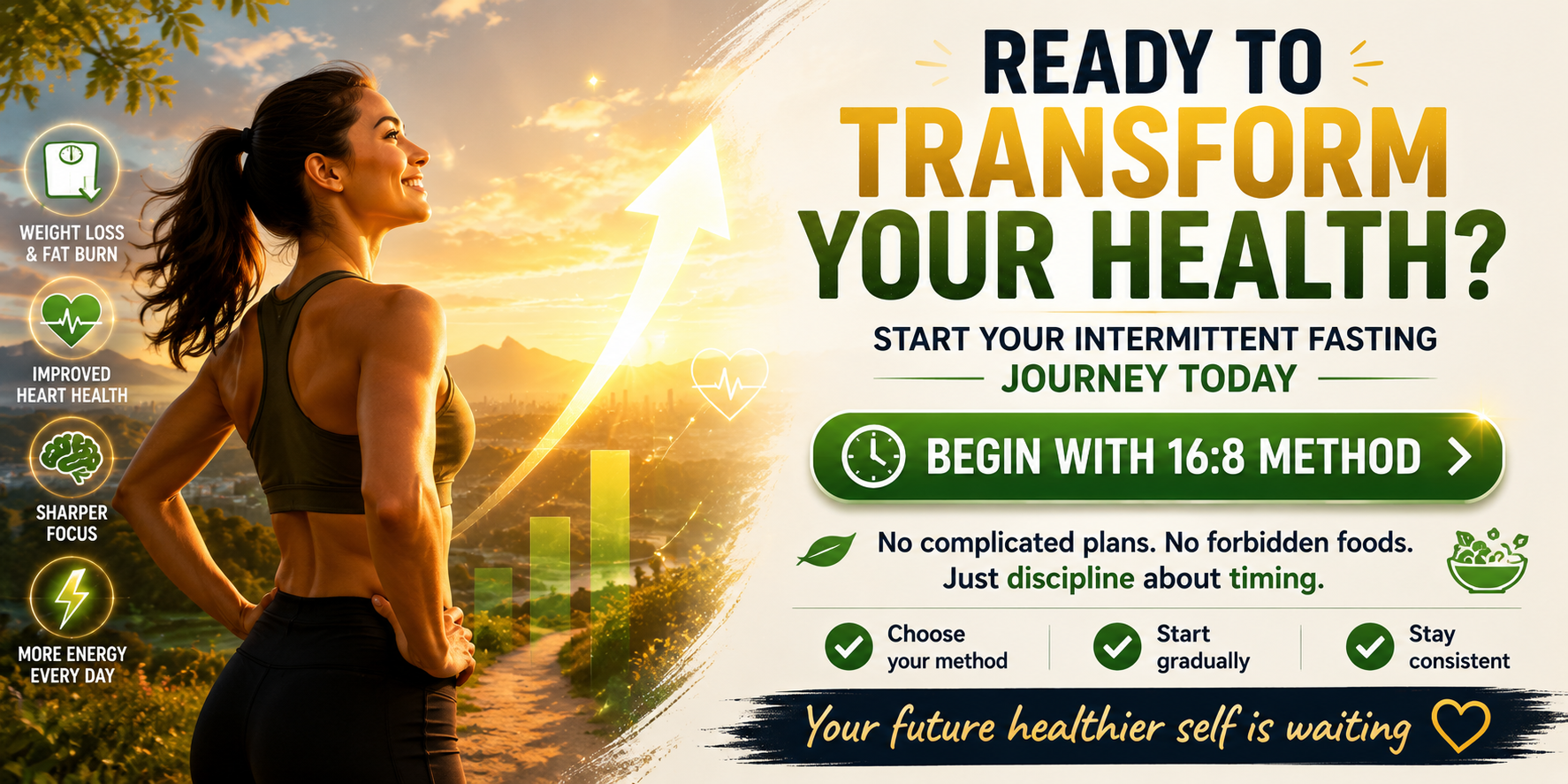
Ready to Transform Your Health?
Start your intermittent fasting of weight loss journey today. Begin with the 16:8 method, focus on nutritious whole foods, and commit to consistency. Your future, healthier self will thank you for taking this life-changing step toward sustainable weight loss and metabolic wellness.
Have you tried intermittent fasting for weight loss? Share your experience in the comments below—we’d love to hear your story!
References
- Cochrane Library. (2026). Evidence behind intermittent fasting for weight loss fails to match hype. Retrieved from https://www.cochrane.org/about-us/news/evidence-behind-intermittent-fasting-weight-loss-fails-match-hype
- Doctronic. (2025). 16:8 vs 5:2 vs OMAD: Intermittent fasting types compared. Retrieved from https://www.doctronic.ai/blog/intermittent-fasting-types-compared/
- National Center for Biotechnology Information. (2024). Intermittent fasting: Efficacy, safety, and its impact on body weight, glucose metabolism, and gut microbiota. Retrieved from https://pmc.ncbi.nlm.nih.gov/articles/PMC12740946/
- ScienceDaily. (2026). Intermittent fasting triggers surprising changes in the brain. Retrieved from https://www.sciencedaily.com/releases/2026/05/260530004622.htm
- The Longevity Store. (2026). Intermittent fasting for beginners: The complete guide to 16:8, OMAD, and beyond. Retrieved from https://thelongevitystore.com/blogs/blog/intermittent-fasting-for-beginners-the-complete-guide-to-16-8-omad-and-beyond
- ScienceDaily. (2026). Intermittent fasting fails to beat standard dieting for weight loss. Retrieved from https://www.sciencedaily.com/releases/2026/02/260218044620.htm
- Health Spectra. (2026). OMAD vs. 16:8: Which intermittent fasting method is right for you? Retrieved from https://www.healthspectra.com/omad-vs-168-which-intermittent-fasting-method-is-right-for-you/
- Loma Linda University. (2026). Intermittent fasting on body fat and quality of life. Clinical Trials Database. Retrieved from https://clinicaltrials.gov/study/NCT06307275
- National Center for Biotechnology Information. (2024). Is time-restricted eating a healthy choice to lose weight? Investigating by qualitative analysis of Instagram posts and systematic reviews with meta-analysis. Retrieved from https://pmc.ncbi.nlm.nih.gov/articles/PMC12268135/
- The Scientific Health Club. (2026). Intermittent fasting methods compared – 5 powerful strategies revealed. Retrieved from https://www.scientifichealthclub.com/intermittent-fasting-methods/
- IBEX Training. (2024). Fasting with food: Intermittent fasting vs. OMAD. Retrieved from https://ibextrained.com/blogs/news/fasting-with-food-intermittent-fasting-vs-omad
- ScienceDaily. (2025). Scientists tested intermittent fasting without eating less and found no metabolic benefit. Retrieved from https://www.sciencedaily.com/releases/2025/12/251228020018.htm
- Fasting Diet Guide. (2026). Intermittent fasting protocols: 16:8, 18:6, OMAD, 5:2 compared. Retrieved from https://fasting-diet-guide.com/fasting-protocols/
- Vitality Pro. (2023). Intermittent fasting statistics and trends 2024. Retrieved from https://vitality-pro.com/nutrition/statistics-trends-fasting/
- CheatMeal. (2025). 5:2 vs. 16/8 vs. OMAD: Which fasting protocol fits your lifestyle? Retrieved from https://cheatmeal.com/nutrition/52-vs-16-8-vs-omad-which-fasting-protocol-fits-your-lifestyle/



Leave a Reply